100 Outdoor Skills Everyone Should Know (Free Digital Checklist)
Whether you’re heading up a fell, camping in the Highlands or just want to be ready for a winter power cut, knowing the right outdoor skills conditions demand can make a real difference. Our weather is cold, wet and changeable here in the UK, and most outdoor emergencies here start with something small: a wrong turn, a soaked jacket, a phone that dies at the wrong moment.
This free checklist covers 100 outdoor skills across ten areas, from fire and shelter to navigation and first aid. Tick off what you’ve learned and keep track of your progress. We have also linked each list item to a guide where we can.
How to use this checklist
Click to tick off every skill you can confidently do without looking it up. Be honest: “I’ve read about it” doesn’t count. Log in or join free and your progress is saved to your account, so you can pick it up on any device.
Shelter & Warmth
Fire
Water & Food
Navigation
First Aid
Knots & Cordage
Signalling & Rescue
Tools & Craft
Weather & Hazards
Home & Urban
Safety: reading about a skill isn't the same as being able to do it. Practise in safe conditions and consider an accredited first aid or bushcraft course for the higher-risk skills.
Share this checklist
Know someone who'd like this? Share the link:
Why these 100 skills?
We chose skills for UK conditions, where the main threats aren’t deserts or jungles. Cold, wet weather, getting lost and minor injuries far from help cause most problems. You can get hypothermia well above freezing, and a twisted ankle on a hill in poor visibility can become serious fast.
The list runs from “stop yourself getting into trouble” skills, like layering and planning, to “get yourself out of trouble” skills, like signalling for help.
The 10 skill areas
Shelter and warmth
Staying warm and dry is the most important job outdoors in the UK. Learn to choose a sheltered campsite, pitch a tarp or tent in wind, and insulate yourself from the ground, because the ground steals heat fast.
Fire
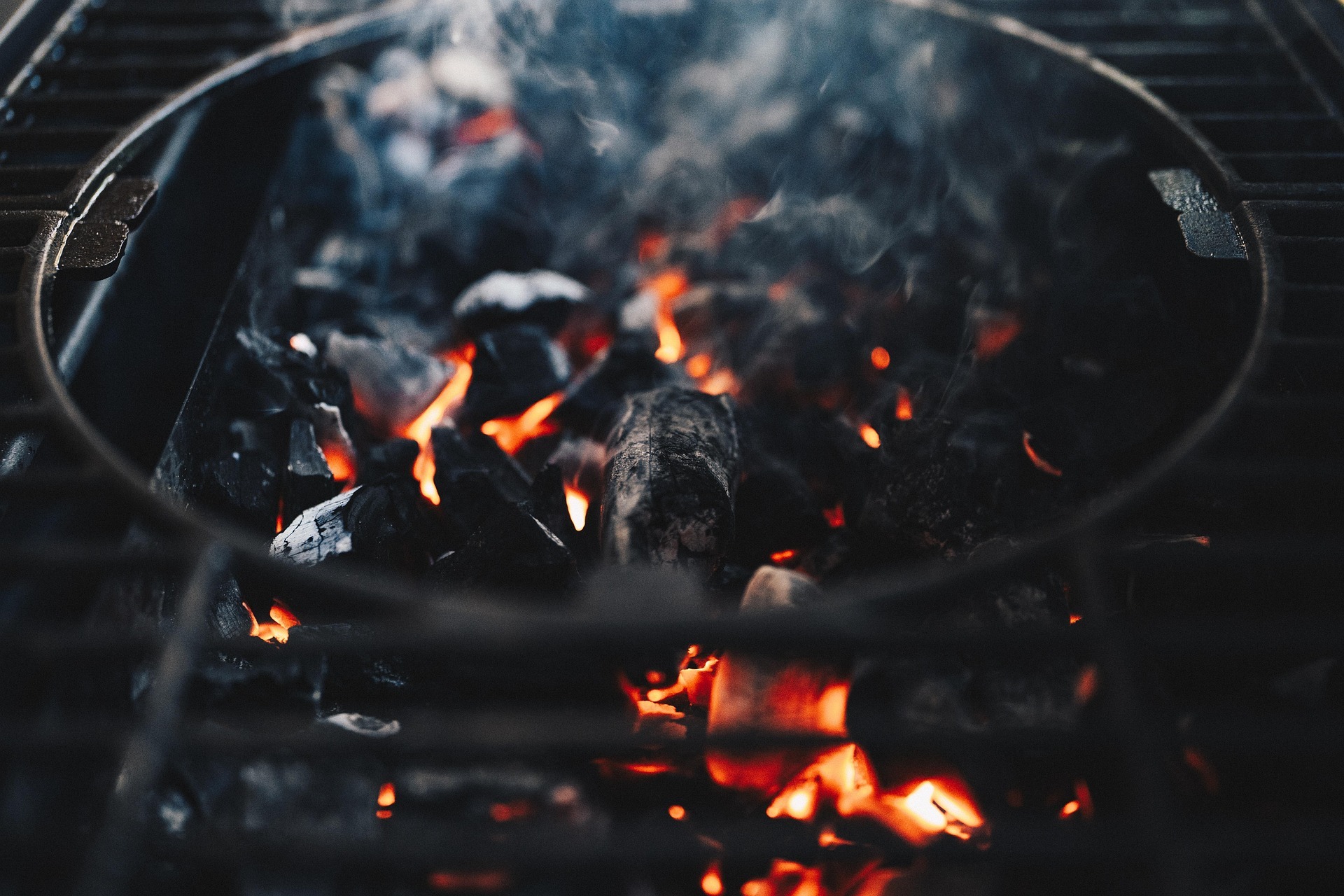
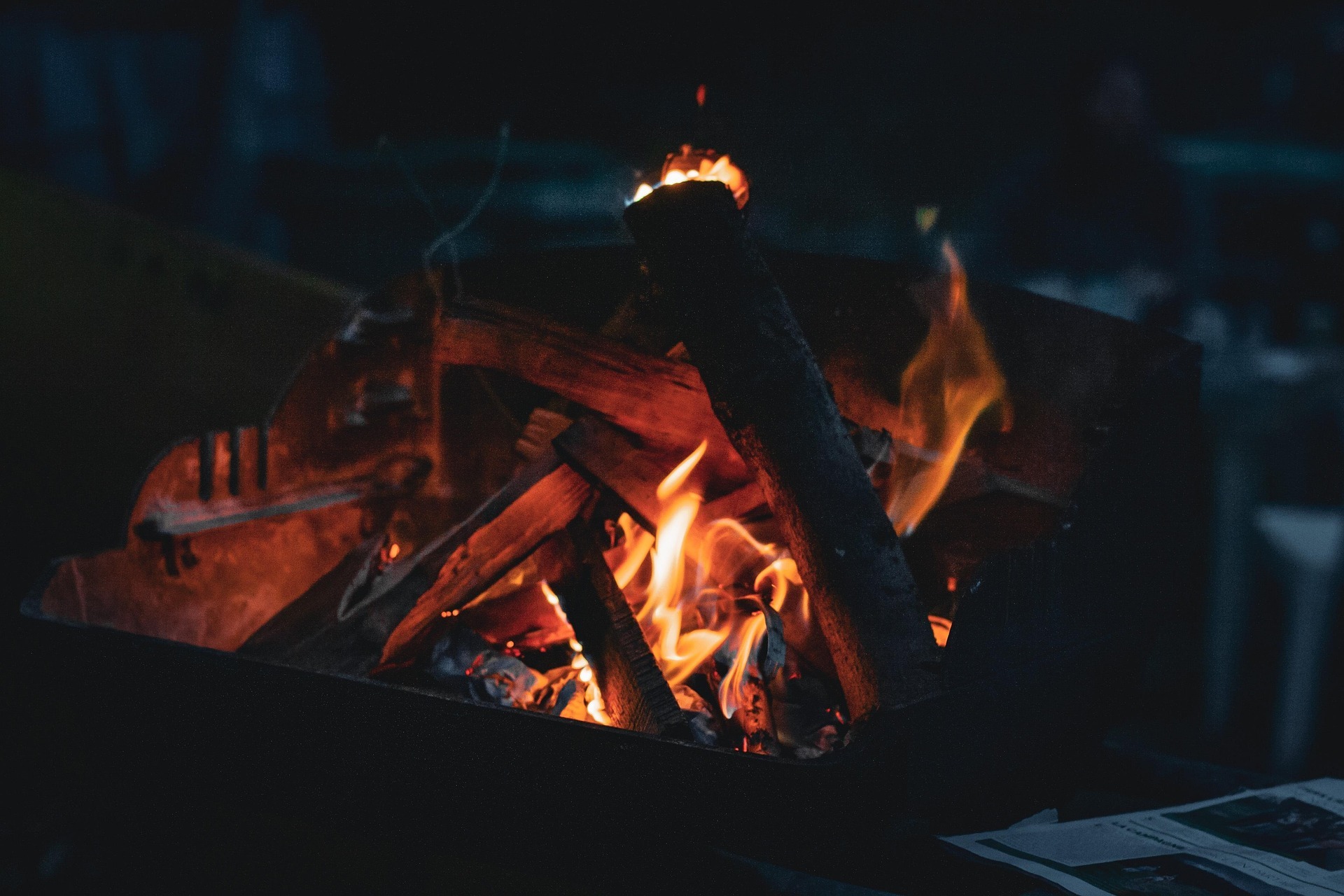
Fire gives warmth, a way to cook and boil water, and a morale boost. Practise lighting it with matches and a firesteel, and above all learn to put it out completely and leave no trace.
Water and food
Find, collect and purify water before worrying about food. If you forage, be certain of your identification, because some UK plants and fungi are deadly.
Navigation
A phone is a great backup, but batteries drain in the cold. Learn to read an OS map, understand contour lines, and use a compass and take a bearing.
First aid
A course is the best way to learn this, and it’s the one area where reading isn’t enough. At minimum, know how to check for danger, stop heavy bleeding, do CPR, and recognise hypothermia and heatstroke.
Knots and cordage
A handful of reliable knots (bowline, clove hitch, taut-line hitch, trucker’s hitch) will cover most tasks, from pitching a tarp to securing a load.
Signalling and rescue
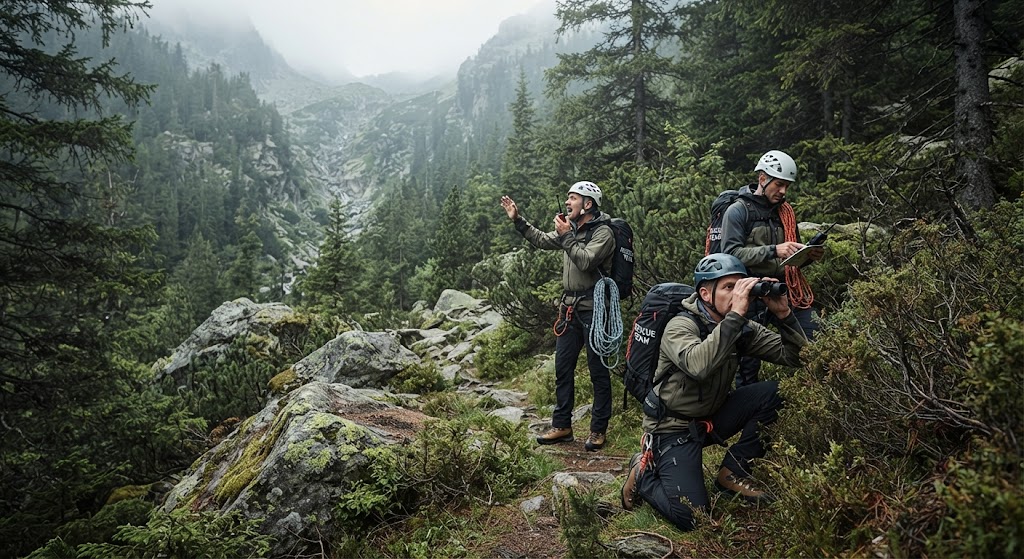
Know how to call for help properly. In an emergency, dial 999 and ask for the service you need. In England, Wales and Northern Ireland that’s Police, then Mountain Rescue for most hill and mountain incidents, or Coastguard at the coast. If you might not be able to speak, you can register for emergency SMS by texting “register” to 999 before you need it. The international mountain distress signal is six whistle or torch signals in a minute, followed by a minute’s pause, then repeat.
Tools and craft
Using a knife, saw and axe safely is a skill in itself. Learn to keep tools sharp and to repair gear with tape and cord.
Weather and hazards
Reading clouds, understanding forecasts and knowing how to stay safe in lightning, fog, floods and cold water will keep most trips out of trouble.
Home and urban
Outdoor skills aren’t only for the woods. Power cuts, snow and car breakdowns are far more likely than a night lost on a hill. Keep a grab bag, store emergency water, and carry a winter kit in the car.
The rule of threes
A popular rule of thumb for setting priorities: you can survive roughly three minutes without air, three hours in harsh weather without shelter, three days without water and three weeks without food. These are rough guides, not exact limits, but they explain why shelter and water come before food.
Is wild camping legal in the UK?
It depends where you are:
- Scotland: the right of responsible access generally allows wild camping on most unenclosed land, following the Scottish Outdoor Access Code. Some areas have local camping restrictions.
- Dartmoor: the Supreme Court ruled in May 2025 that the public has a right to wild camp on the Dartmoor Commons, subject to the park’s bylaws. Check the Dartmoor National Park Authority’s guidance and map before you go.
- Elsewhere in England, Wales and Northern Ireland: you generally need the landowner’s permission. Many landowners will say yes if you ask politely.
Laws and access arrangements change, so check the latest guidance from the relevant authority before you go.
Where should beginners start?
If 100 skills feels like a lot, start with these five: layering and staying dry, reading a map and compass, basic first aid, signalling for help, and lighting a fire safely. Get these right and you’ve covered most of the realistic risks on a UK day out.
Frequently asked questions
What are the most important outdoor skills?
Shelter, water, navigation, first aid and signalling. In the UK, staying warm and dry matters most.
Can I learn outdoor skills from a website?
You can learn the theory, but practise them in safe conditions. For first aid and higher-risk skills like using an axe, take an accredited course.
How do I call for help in the countryside?
Dial 999 and ask for Police then Mountain Rescue (or Coastguard on the coast). If there’s no signal, use six whistle blasts in a minute and repeat. Register for emergency SMS in advance in case you can’t talk.
Is the checklist free to use?
Yes. Use it online, or save your progress by logging in.
Safety note: reading about a skill isn’t the same as being able to do it. Practise in safe conditions, never forage or eat anything you can’t identify with certainty, and consider an accredited first aid or bushcraft course for higher-risk skills.
🔒Ready to test your survival skills?
Join Survival Guides UK for free, complete challenges, earn badges and increase your Survival Level.
JOIN FREE →
CRAIG BURR
FOUNDER · SURVIVAL GUIDES UK
I'm Craig, the person behind Survival Guides UK. I created SGUK because I wanted somewhere people could learn real outdoor skills in a practical, straightforward way — from lighting a fire and tying knots to navigation, campcraft and everything in between.
You can read more about the story behind SGUK here as well as our approach here.