How to Collect Rainwater
Rainwater can be a useful source of water during outdoor activities, particularly when other sources aren’t readily available.
For Scouts, collecting rainwater is a simple practical skill that also teaches useful lessons about cleanliness, equipment and safe water handling.
Remember that collected rainwater should not automatically be considered safe to drink. It may become contaminated by the surface or container used to collect it and should be treated appropriately before drinking.
Choose a Clean Collection Method
The simplest method is to collect rain directly into a clean container.
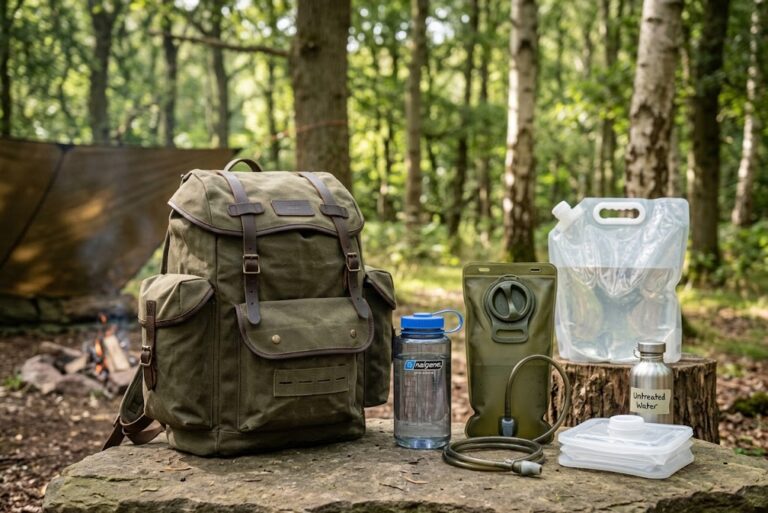
Suitable containers should be clean, in good condition and intended for water collection.
Avoid containers that have previously held chemicals, fuel or other substances.
Use a Tarp
A clean tarp can provide a larger collection surface than a small container.
Rain falls onto the tarp and can be directed towards a suitable container.
Make sure the tarp is reasonably clean before using it for water collection.
Position Your Container
Place the container where it can collect water without being knocked over.
If using a tarp, position the container underneath the point where water is being directed.
Make sure the container isn’t sitting somewhere where soil, leaves or other debris can easily fall into it.
Avoid Dirty Surfaces
Don’t deliberately collect water from roofs, roads, paths or other surfaces that may contain contaminants unless the collection method has been specifically designed and assessed for that purpose.
For a Scout activity, collecting rain directly or from a clean tarp is a much simpler approach.
Let the First Rain Pass
If rain has fallen onto a collection surface that has been exposed to dust, dirt or debris, the first water may wash some of that material into the collection container.
Where practical, allow the initial runoff to clear before collecting water for treatment.
Keep the Container Covered
Once you’ve collected water, cover the container if possible.
This helps prevent leaves, insects, dirt and other debris from getting into it.
Don’t leave collected water exposed unnecessarily.
Don’t Mix Clean and Dirty Water
Keep untreated collected water separate from other water.
Don’t pour newly collected water into a container containing water of unknown quality.
Using separate, clean containers helps reduce the risk of cross-contamination.
Check the Water
Before using collected water, look at it carefully.
You may notice:
These observations don’t tell you whether water is safe to drink, but they can indicate that additional treatment or filtration may be needed.
Remember That Rainwater Needs Treatment
Rainwater can pick up contaminants from the collection surface, container or surrounding environment.
If the water is intended for drinking, follow the appropriate treatment and purification procedure for your situation.
Clear rainwater isn’t automatically safe drinking water.
Younger Scouts
Rainwater collection makes a good supervised practical activity.
Give Scouts a clean container or tarp and ask them to work out the best way to collect as much water as possible while keeping it clean.
Older Scouts
Older Scouts can experiment with different collection arrangements.
They can compare the amount of water collected using different tarp shapes, positions and collection containers.
This can be combined with lessons about water storage and treatment.
Safety
Use clean, suitable containers.
Never use containers that have held fuel, chemicals or other hazardous substances.
Keep collected water covered.
Avoid collecting from potentially contaminated surfaces.
Don’t assume collected rainwater is safe to drink without appropriate treatment.
Final Thought for Scouts
Rain provides water, but collecting it well is about more than simply putting a container outside.
Keep the collection surface clean, protect the water and treat it appropriately before drinking.
🔒Ready to test your survival skills?
Join Survival Guides UK for free, complete challenges, earn badges and increase your Survival Level.
JOIN FREE →
CRAIG BURR
FOUNDER · SURVIVAL GUIDES UK
I'm Craig, the person behind Survival Guides UK. I created SGUK because I wanted somewhere people could learn real outdoor skills in a practical, straightforward way — from lighting a fire and tying knots to navigation, campcraft and everything in between.
You can read more about the story behind SGUK here as well as our approach here.