Water Collection: A Beginner’s Guide
Water Collection
Water is one of the most important resources to understand when you’re outdoors.
Knowing how to find and collect water is an important survival skill — but finding water and making water safe to drink are two different things.
A clear-looking stream isn’t automatically safe.
A puddle isn’t automatically unsafe.
And collecting water is only the first part of the process.
Find it → Collect it → Filter it if appropriate → Treat it → Drink it safely
This guide focuses on the collection stage.
It is designed for appropriate outdoor activities and survival training, with safety and responsible environmental practice kept at the centre.
⚠️ SAFETY FIRST
Never assume that water found outdoors is safe to drink.
Natural water can contain:
- Bacteria
- Viruses
- Parasites
- Animal waste
- Chemicals
- Agricultural contamination
- Other pollutants
Clear water can still contain harmful microorganisms.
Water collected in an emergency should normally be treated using an appropriate method before drinking.
If you’re unsure about a source, treat it as potentially contaminated.
For organised activities, follow your group’s procedures and use safe drinking water wherever possible.
Why Water Collection Matters
When you’re outside, water can be needed for much more than drinking.
You may need it for:
- Drinking
- Cooking
- Cleaning
- First aid
- Washing
- Hygiene
- Emergency use
However, drinking water should always be treated as the priority.
A useful survival principle is:
Don’t wait until you’re desperately thirsty before thinking about water.
Planning ahead makes water collection much easier.
Where Can Water Be Found?
Water can occur in many different places.
Potential sources include:
Rainwater
Rain can provide one of the simplest sources of water to collect.
Streams and rivers
Moving water may be easier to collect than standing water, but it still needs treatment.
Lakes and ponds
These can provide substantial quantities of water, but contamination is possible.
Natural depressions
Low points in the landscape may collect rainwater.
Vegetation
Plants can sometimes hold or collect water, although collecting water from plants isn’t always practical or safe.
Snow and ice
In suitable environments, snow or ice can provide a source of water once safely melted.
Collecting Rainwater
Rainwater collection can be one of the simplest techniques to understand.
Instead of searching for a natural water source, you’re collecting water that is already falling from the sky.
A clean collection surface can be used to direct rainwater into a suitable container.
Think:
Catch → Direct → Collect → Treat
Why rainwater can be useful
Rain can be:
However, collected rainwater should still be treated appropriately before drinking.
Choosing a Collection Container
The container you use matters.
Ideally, it should be:
Don’t collect drinking water in a container that has previously held fuel, chemicals or other hazardous substances.
A simple rule
If you wouldn’t trust the container to hold drinking water, don’t use it to collect drinking water.
Collecting From a Stream
If a stream is an appropriate and permitted source, look for the cleanest accessible collection point.
Avoid collecting from:
Moving water can look clean while still containing microorganisms.
Source selection reduces risk — it does not remove it.
The water still needs appropriate treatment before drinking.
Moving Water vs Standing Water
When comparing potential natural sources, water movement can provide useful information.
Moving water
A flowing stream may be preferable to stagnant water when both are otherwise suitable sources.
Standing water
Ponds, puddles and stagnant pools can contain higher levels of contamination.
But don’t make the mistake of thinking:
Moving = safe
or
Clear = safe
Neither is true.
The safest approach is to select the best available source and then treat the water appropriately.
Look Upstream
When collecting from a natural water source, take a moment to look around.
Ask:
What’s upstream?
Look for:
- Buildings
- Roads
- Farms
- Industrial areas
- Campsites
- Large groups of animals
- Dead animals
- Obvious pollution
The surrounding environment can tell you a lot about the potential risks of a water source.
Water doesn’t exist in isolation.
What happens upstream can affect what reaches you downstream.
Use Your Senses — But Don’t Rely on Them
You can observe water before collecting it.
Look at:
APPEARANCE
Is it cloudy, discoloured or full of debris?
SMELL
Does it have an unusual chemical or sewage-like smell?
SURROUNDINGS
Is there obvious contamination nearby?
These observations can help you choose between sources.
But remember:
Good-looking water can still be unsafe to drink.
Your senses cannot reliably detect many microorganisms.
Keep the Collection Clean
Once you’ve found a suitable source, avoid contaminating the water while collecting it.
Try not to:
If you’re using equipment such as a bottle, bag or collection vessel, keep the parts that contact drinking water as clean as possible.
Collect More Than You Immediately Need
If a suitable source is available, collecting enough water for your planned needs can save time and effort.
Think about:
- Drinking
- Cooking
- Emergency reserves
- The distance you need to travel
- How much you can safely carry
But don’t collect unnecessarily large quantities.
Water is heavy.
One litre weighs roughly one kilogram.
That means carrying more water quickly becomes tiring.
Good planning is about finding the balance between having enough and carrying too much.
Water Collection Is a Logistics Problem
Imagine you’ve found a reliable water source.
That’s only half the problem.
Now ask:
How far away is it?
How much water do I need?
How am I going to carry it?
How will I keep the clean water separate from untreated water?
How will I treat it?
This is where water collection becomes a real outdoor skill rather than simply finding a stream.
The Water Collection Process
A simple way to remember the process is:
1. LOCATE
Find a potential source.
2. ASSESS
Look at the source and its surroundings.
3. COLLECT
Use a clean, suitable container.
4. SEPARATE
Keep untreated water away from clean drinking water.
5. TREAT
Use an appropriate water-treatment method.
6. STORE
Keep treated water in a clean container.
7. DRINK
Use the treated water safely.
Collection is only step three.
Collection Is Not Treatment
This is one of the most important lessons in water survival.
A filter and a treatment method are not necessarily the same thing.
Some methods can remove particles without removing every harmful microorganism.
Other methods are designed to disinfect water.
That’s why you should understand exactly what your chosen treatment method is designed to do.
Think of it this way:
Collection removes the problem of not having water.
Treatment addresses the problem of whether that water is safe to drink.
Don’t confuse the two.
What About Muddy Water?
Sometimes the water you find may contain visible sediment.
If possible, allow suspended material to settle before attempting further treatment.
You can then carefully collect the clearer water without disturbing the sediment at the bottom.
Depending on the situation, pre-filtering through an appropriate material may also help remove larger particles before a proper treatment method is used.
But remember:
Making water look clearer does not necessarily make it safe to drink.
Water Sources to Treat With Caution
Some sources should immediately make you more cautious.
Water near industrial areas
Chemical contamination may not be removable using simple household-style treatment methods.
Agricultural areas
Fertiliser, pesticides and animal waste can affect water quality.
Areas heavily used by livestock
Animal waste can introduce microorganisms.
Water near dead animals
Choose another source if possible.
Floodwater
Floodwater can contain a wide range of contaminants.
Water with a chemical smell
Don’t assume treatment will make chemically contaminated water safe.
If you suspect chemical contamination, find another source.
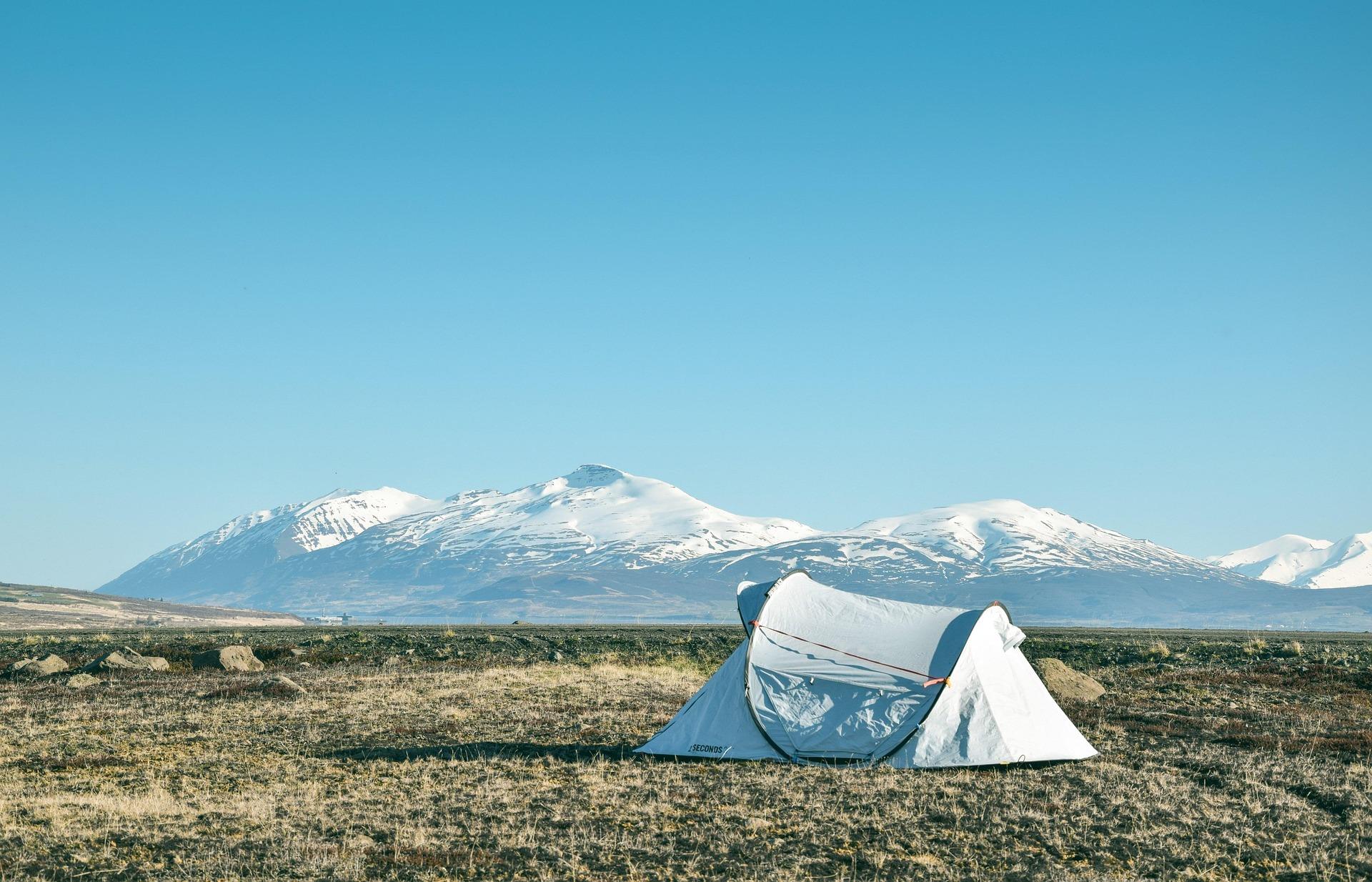
Water Collection at Camp
Water collection is also a useful campcraft skill.
Before setting up camp, identify:
Where is the nearest suitable water source?
Then consider:
- How far away it is
- Whether access is permitted
- How you’ll transport water
- Where you’ll store it
- How you’ll treat it
- How you’ll prevent contamination
This is particularly important when camping with a group.
A water plan should be part of your preparation rather than an afterthought.
Don’t Contaminate the Source
When collecting water outdoors, remember that you’re sharing the environment with other people and wildlife.
Avoid:
If you’re in an organised campsite, always follow the site’s instructions for washing and water collection.
Finding Water on a Walk
If you’re travelling through unfamiliar countryside, keep an eye out for clues.
Water is more likely to collect in:
- Valleys
- Gullies
- Low ground
- Natural depressions
- Drainage channels
- Areas with streams or springs
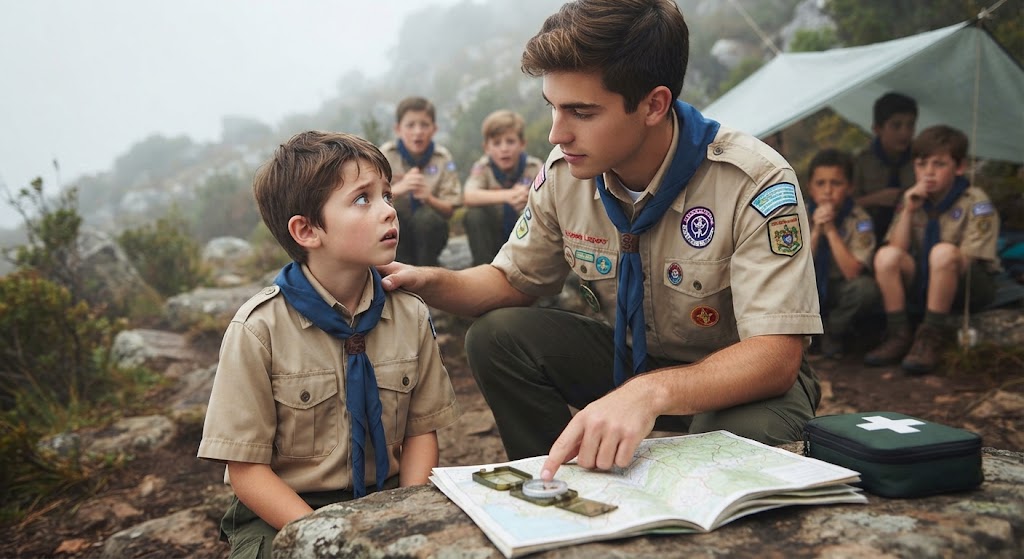
Maps can also be extremely useful.
A good outdoor navigator doesn’t wait until they’re dehydrated before thinking about where the next water source might be.
Plan ahead.
If you’re heading into an unfamiliar area, identify potential water sources before you leave.
Weather Changes Everything
Water availability can change with the weather.
After heavy rain, streams may become:
- Faster
- Muddy
- Debris-filled
- Difficult to cross
- More contaminated
During dry weather, small streams may disappear completely.
This is why a water source shown on a map shouldn’t automatically be assumed to be available or safe.
The landscape changes.
Always assess what you actually find.
Water Collection: The Skills You’re Really Learning
Water collection teaches much more than finding a stream.
Observation
Can you identify potential sources?
Planning
Can you work out how much water you’ll need?
Risk assessment
Can you identify contamination risks?
Hygiene
Can you prevent your clean water from becoming contaminated?
Navigation
Can you locate water using your surroundings and a map?
Resource management
Can you collect enough without carrying unnecessary weight?
Responsibility
Can you protect the environment while collecting water?
These are the skills that make water collection genuinely useful.
Your Water Collection Challenge
The Water Source Challenge
Before collecting water, see if you can answer:
□ Where is the nearest potential water source?
□ Is collecting water from that source permitted?
□ What is upstream?
□ Is there any obvious contamination?
□ Do I have a suitable clean container?
□ Can I collect the water without contaminating it?
□ How much water do I actually need?
□ How will I transport it?
□ How will I treat it?
□ How will I store the treated water safely?
□ How will I leave the area without damaging it?
The real challenge?
Explain why you chose that water source.
Scout Connection
Water collection is a valuable outdoor skill because it combines practical campcraft with planning, hygiene and environmental awareness.
For Scouts, the exact requirements associated with badges and programme activities can change.
If you’re working towards a particular badge or activity:
Always check the current official Scouts requirements and speak to your leader.
SurvivalGuidesUK is an independent educational resource and isn’t an official Scouts website. Always follow the current Scouts programme requirements and your leader’s instructions.
The Golden Rules of Water Collection
If you remember nothing else from this article, remember these:
1. Plan ahead.
Don’t wait until you’re desperate for water.
2. Choose the best available source.
Look at the water and its surroundings.
3. Keep collection equipment clean.
Don’t contaminate your own water.
4. Never assume clear water is safe.
Microorganisms can be invisible.
5. Treat collected water before drinking.
Collection is not purification.
6. Avoid suspected chemical contamination.
Don’t assume a treatment method will make chemically contaminated water safe.
7. Protect the environment.
Leave the water source and surrounding area as you found it.
SurvivalGuidesUK Safety Notice
Water found outdoors can contain microorganisms, chemicals and other contaminants that may cause serious illness.
This article provides general educational information and does not replace appropriate training, medical advice, local water-quality information, landowner requirements or organisational safety procedures.
Children and young people should only undertake survival and water-collection activities with appropriate adult supervision and safety arrangements.
🔒Ready to test your survival skills?
Join Survival Guides UK for free, complete challenges, earn badges and increase your Survival Level.
JOIN FREE →
CRAIG BURR
FOUNDER · SURVIVAL GUIDES UK
I'm Craig, the person behind Survival Guides UK. I created SGUK because I wanted somewhere people could learn real outdoor skills in a practical, straightforward way — from lighting a fire and tying knots to navigation, campcraft and everything in between.
You can read more about the story behind SGUK here as well as our approach here.