Water Safety: A Beginner’s Guide to Staying Safe Around Water
Why Water Safety Matters
Water is one of the most enjoyable parts of the outdoors.
Swimming, canoeing, paddleboarding, fishing, sailing and exploring waterways can all be fantastic activities.
But water can also be unpredictable.
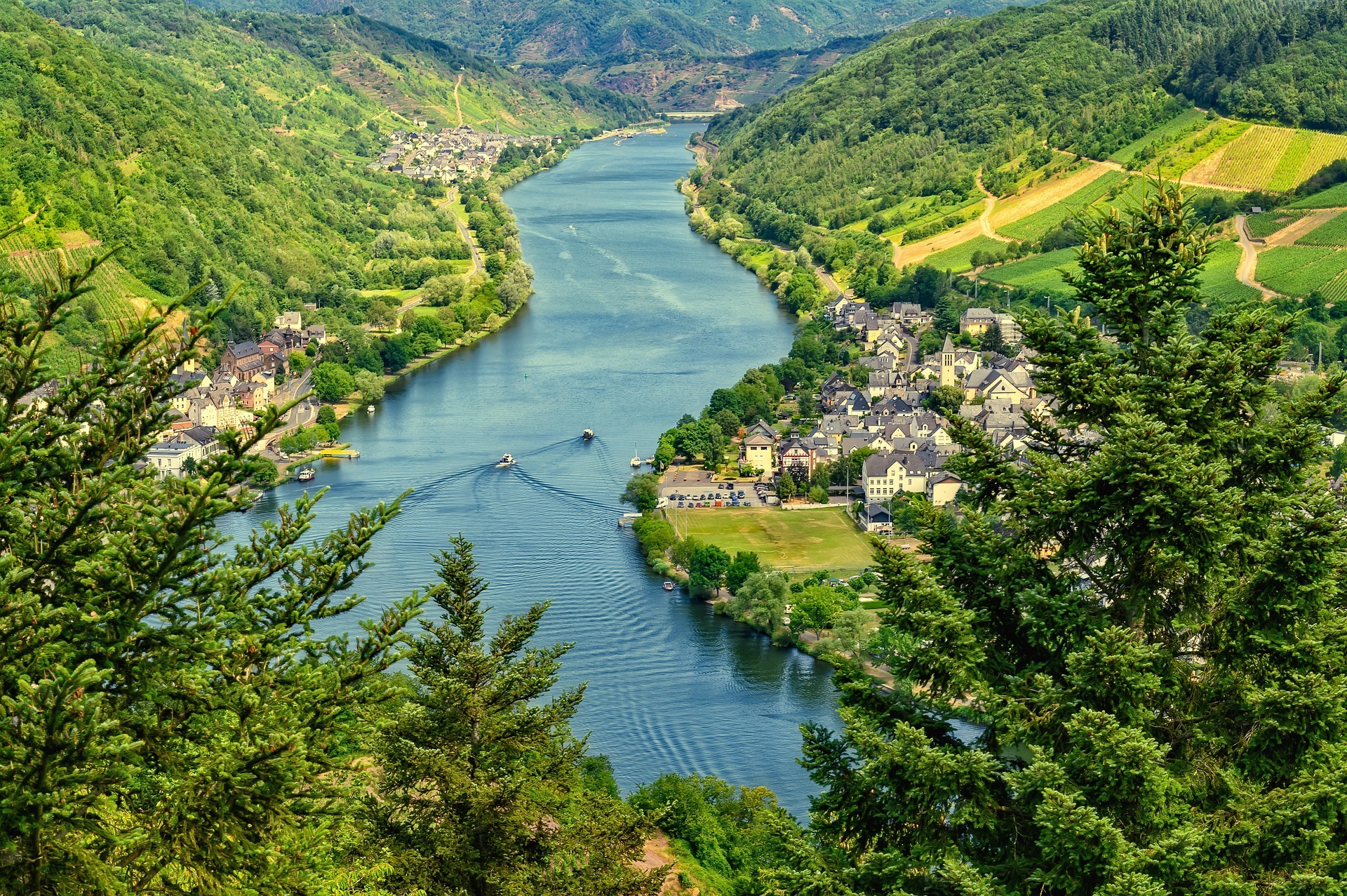
A river that looks peaceful may have a powerful current beneath the surface.
A lake that looks inviting may be extremely cold.
A canal bank may be slippery and difficult to climb.
The sea can change rapidly with tides, waves and weather.
The most important water-safety skill is therefore recognising hazards before they become an emergency.
WATER SAFETY RULE
Never assume water is safe simply because it looks calm.
⚠️ SAFETY NOTE
Water can be extremely dangerous, even when it looks calm and shallow.
Cold temperatures, strong currents, slippery banks, sudden changes in depth, hidden obstacles and difficult exits can all create serious risks.
Never enter the water to rescue someone unless you are trained and it is safe to do so.
If someone is in difficulty in the water, get help, alert a lifeguard if one is present, call 999 or 112 and use a rescue aid where one is available.
Your safety comes first. You cannot help someone else if you become a casualty too.
The SAFE Water Safety Code
The Scouts use a simple water-safety approach that can be remembered as SAFE:
S – SPOT THE DANGERS
Look carefully at the water and its surroundings.
A – ADVICE
Follow safety signs, local information and instructions from lifeguards or activity leaders.
F – FRIENDS AND FAMILY
Don’t go into or around water alone. Stay with appropriate supervision and people you trust.
E – EMERGENCY
Know what to do if something goes wrong.
Scouts currently use this SAFE approach in water-safety activities for young people.
SCOUT TIP
Before getting near the water, ask:
What could go wrong here?
Spot the Dangers
The first step in water safety is looking for hazards.
Don’t just look at the water itself.
Look at the entire environment.
Consider:
- The depth
- The current
- The weather
- The temperature
- The banks
- The bottom
- Nearby rocks
- Slippery surfaces
- Boats and watercraft
- Tides
- Fishing equipment
- Weirs and other structures
- How you would get out
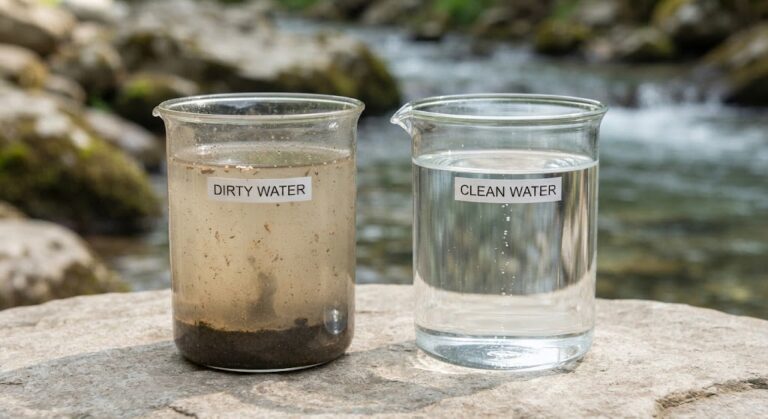
Don’t Judge Water by Appearance
Clear water isn’t necessarily safe.
Murky water isn’t necessarily dangerous.
Still water isn’t necessarily calm underneath.
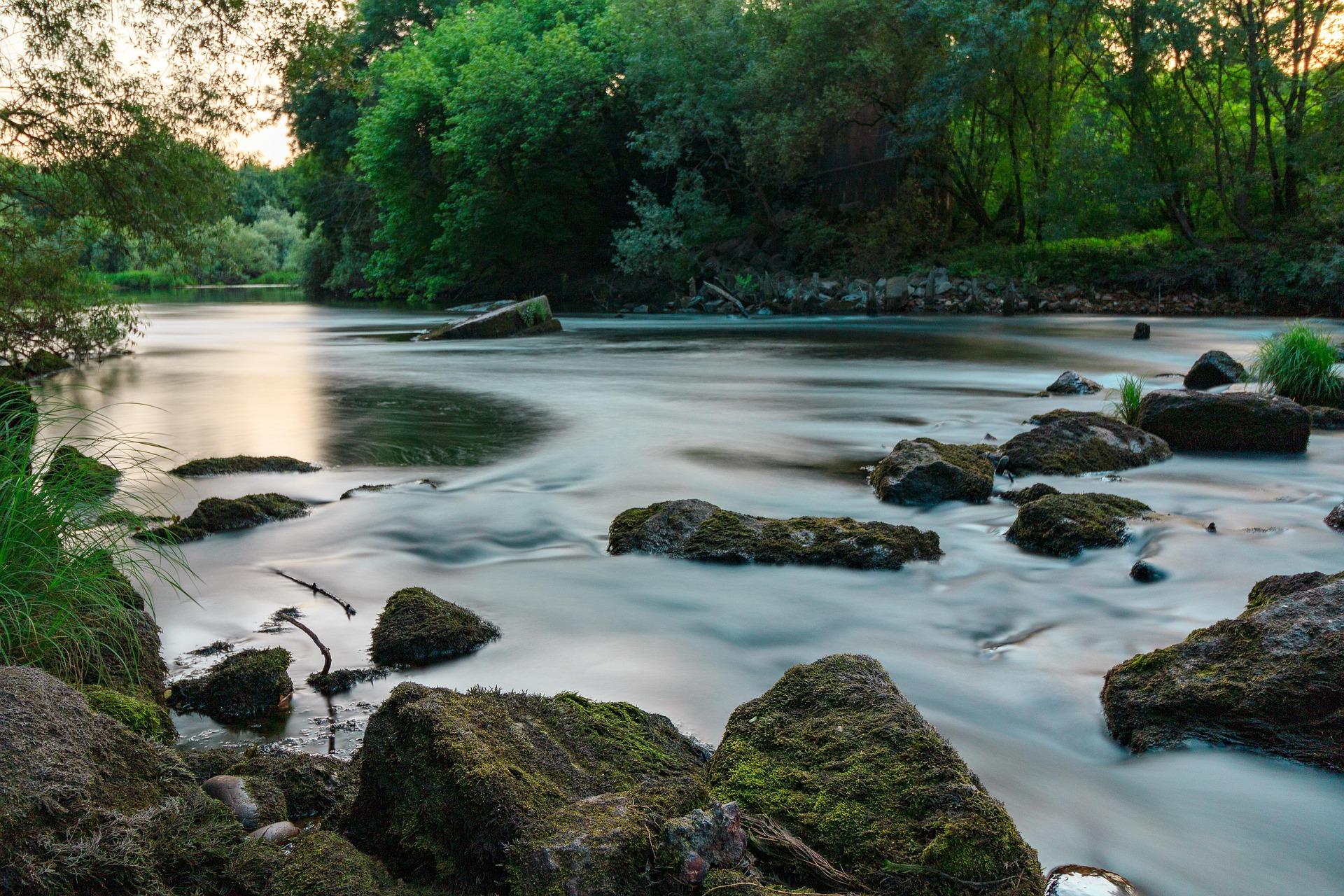
A river can look almost motionless from the bank while the current is much stronger below the surface.
Never judge water safety purely by what you can see.
Check the Depth
Never assume that water is shallow.
The bottom may drop away suddenly.
There may also be holes, channels or uneven ground beneath the surface.
This is particularly important around:
- Rivers
- Quarries
- Lakes
- Reservoirs
- Ponds
- Canals
If you don’t know the depth, don’t jump or dive in.
Rivers
Rivers can be particularly hazardous because moving water creates forces that can be difficult to overcome.
Even a relatively narrow river may have a surprisingly strong current.
Potential hazards include:
- Fast-flowing water
- Deep sections
- Slippery banks
- Rocks
- Fallen trees
- Weirs
- Sudden changes in depth
- Debris
Avoid entering fast-flowing water unless you’re taking part in a properly managed activity with suitable training and supervision.
RIVER RULE
Never underestimate moving water.
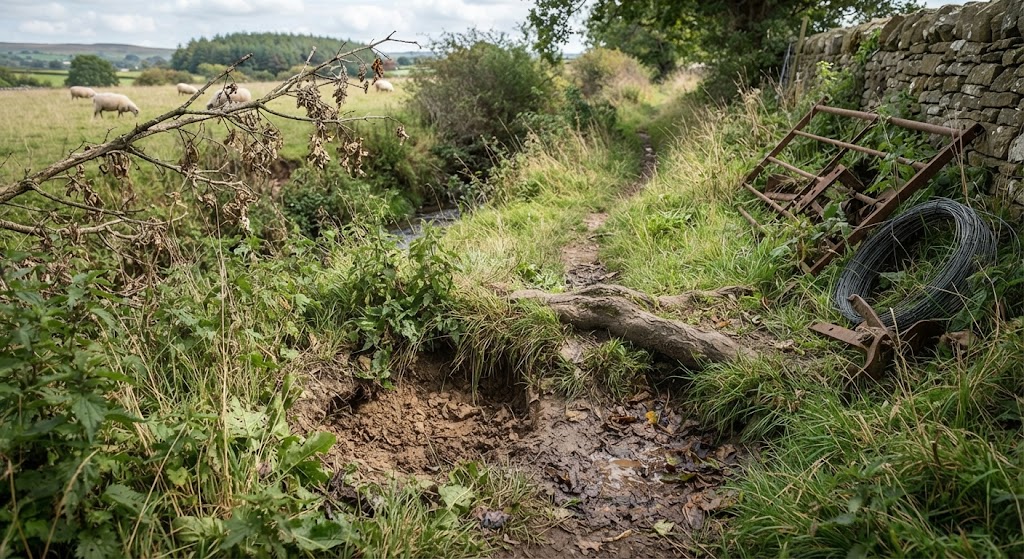
River Banks Can Be Dangerous
The edge of a river can be unstable.
Mud, wet grass and rocks can become extremely slippery.
A person who falls into a river may find it difficult to climb back out.
Before approaching the edge, think about how you would get out if you fell in.
Canals
Canals can look particularly safe because the water is often calm.
But calm doesn’t mean safe.
Canals may have:
- Steep sides
- Slippery edges
- Deep water
- Cold water
- Boats
- Locks
- Strong currents around structures
Stay away from the edge unless you’re taking part in an appropriate activity.
Never climb onto canal structures or attempt to enter the water casually.
Lakes and Ponds
Lakes and ponds can contain hidden hazards beneath the surface.
You may not be able to see:
- Deep areas
- Rocks
- Branches
- Weeds
- Uneven ground
- Debris
Some bodies of water also have very steep drop-offs.
Never assume you can simply walk into a lake or pond because the first few metres appear shallow.
The Sea
The sea presents its own hazards.
These can include:
- Waves
- Tides
- Rip currents
- Cold water
- Rocks
- Sudden changes in depth
- Strong winds
- Changing weather
Always pay attention to local signs, flags and lifeguard instructions.
Where possible, swim at a lifeguarded beach.
BEACH SAFETY
If you’re swimming at a lifeguarded beach, follow the instructions of the lifeguards and stay within the designated safe area.
Cold Water
Cold water is one of the biggest dangers people underestimate.
Water can be much colder than the surrounding air.
Falling into cold water can cause an immediate physical reaction, making it difficult to breathe normally and stay calm.
Cold water can also rapidly reduce your body’s ability to function effectively.
This is why jumping into cold water as a challenge or joke can be extremely dangerous.
COLD WATER RULE
Never enter cold outdoor water just to prove you can.
What Is Cold Water Shock?
Cold water shock describes the body’s response to suddenly entering cold water.
It can cause:
- An involuntary gasp
- Rapid breathing
- Panic
- Difficulty controlling breathing
- Increased heart rate
This can make it difficult to think clearly or swim effectively.
The initial reaction can happen before the person has even started experiencing significant cooling of the body.
That’s why cold water should always be treated with respect.
What to Do If You Fall Into Cold Water
If you unexpectedly fall into cold water, your first instinct may be to swim as hard as possible.
Instead, focus on staying calm and getting your breathing under control.
If you’re wearing a buoyancy aid or life jacket, keep it on.
Try to float and control your breathing.
Look for the safest way out and attract attention.
If you can safely reach an exit point, get out of the water as soon as possible.
REMEMBER
Don’t waste energy fighting the water unnecessarily.
Stay calm, control your breathing and work towards getting out safely.
Never Dive or Jump Into Unknown Water
Jumping into water can look harmless.
It isn’t.
You don’t know what is beneath the surface unless the area has been specifically assessed as safe for jumping or diving.
Potential hazards include:
- Rocks
- Shallow water
- Branches
- Debris
- Sudden changes in depth
- Hidden objects
You can also be affected by cold water shock when you enter.
Never dive or jump into unknown outdoor water.
Swimming Outdoors
Outdoor swimming can be enjoyable when it is properly planned and managed.
Choose an appropriate location and understand the conditions before entering.
Consider:
- Water temperature
- Weather
- Currents
- Tides
- Entry and exit points
- Other water users
- Your own swimming ability
Never overestimate your ability because you can swim confidently in a swimming pool.
Outdoor water is a very different environment.
Swim With Other People
Don’t swim alone in unfamiliar outdoor water.
Having other people nearby means someone can raise the alarm if something goes wrong.
For children and young people, appropriate adult supervision is particularly important.
TOP TIP
Don’t turn water safety into a test of bravery.
If conditions don’t feel right, stay out.
Life Jackets and Buoyancy Aids
If you’re taking part in boating, paddlesports or other activities where you’re on or around water, appropriate buoyancy equipment can be essential.
A life jacket or buoyancy aid should be:
Don’t treat a buoyancy aid as an excuse to take unnecessary risks.
Water Safety and Fishing
Fishing can bring people close to the edge of rivers, lakes and canals.
Before setting up, look around the area.
Think about:
Long fishing rods can also create hazards around overhead cables.
FISHING SAFETY
Always look up as well as down.
Never Walk on Ice
Frozen water can be extremely deceptive.
Ice may look thick enough to support someone while being dangerously weak.
Its strength can vary across the same body of water.
Never walk onto frozen ponds, lakes, canals or other natural water simply because the surface appears frozen.
ICE RULE
If someone falls through ice, don’t go onto the ice after them.
What If Someone Falls Through Ice?
This is a situation where trying to help physically can turn one casualty into two.
Don’t run onto the ice.
Keep yourself safely back.
Raise the alarm.
Call 999 or 112 and ask for the appropriate emergency service.
If possible, encourage the person to keep calm and stay afloat while help is coming.
Look for a way to provide assistance from a safe position without entering the ice yourself.
What If Someone Falls Into Water?
This is one of the most important things to learn.
Your first instinct may be to jump in after them.
Don’t.
A person in difficulty can grab onto a rescuer and pull them underwater.
Instead:
Shout for Help
Alert people nearby.
Call 999 or 112
Give the emergency operator your location and explain what has happened.
Alert a Lifeguard
If one is present, get their attention immediately.
Look for Rescue Equipment
Use appropriate rescue equipment where available.
Keep Watching
If it’s safe to do so, keep the person in sight and tell rescuers where they are.
REACH OR THROW — DON’T GO
Where appropriate, use something from a safe position to help someone reach safety rather than entering the water yourself.
Don’t Become the Second Casualty
This is worth repeating.
Someone else being in danger does not mean you should put yourself in danger.
If you enter the water without the training and equipment to perform a rescue, you may quickly become another person who needs rescuing.
Professional rescuers train extensively for this situation.
Your job is to:
Raise the alarm.
Get help.
Keep yourself safe.
Water Safety Around Children
Children can be naturally curious around water.
A child may not recognise how quickly a situation can become dangerous.
Never assume that a child understands the risks simply because you’ve explained them once.
Keep appropriate supervision and make the rules clear.
Important rules can include:
- Don’t go near the water alone.
- Don’t run near slippery edges.
- Don’t push people into water.
- Don’t jump into unknown water.
- Don’t play on frozen water.
- Listen to lifeguards and adults.
- Tell someone if you see a danger.
For organised Scout activities, follow the appropriate risk assessment, supervision and safeguarding requirements. Scouts’ activity guidance emphasises risk assessment, approval and suitable supervision for water-related activities.
Water and Alcohol
Alcohol and water are a particularly dangerous combination.
Alcohol can affect:
- Judgement
- Coordination
- Reaction time
- Risk perception
It can make people more likely to take risks around water while also making it harder to respond effectively if something goes wrong.
Avoid entering the water after drinking alcohol.
Water Safety at Night
Water can become considerably harder to assess in darkness.
You may not be able to see:
- The edge
- Obstacles
- Changes in depth
- Currents
- Other people
- Safe exit points
Avoid approaching unfamiliar water at night.
Carry a reliable torch when your outdoor activity requires travelling after dark.
Weather Can Change the Risk
The same stretch of water can be very different in different conditions.
Rain can increase river levels.
Wind can create waves.
Storms can make exposed water dangerous.
Cold weather can create ice.
Before heading outdoors, check the weather and consider how it might affect the water you’re visiting.
Mountain Rescue England and Wales also emphasises preparation, appropriate clothing and equipment, and being prepared to change or abandon plans when conditions deteriorate.
Know Your Location
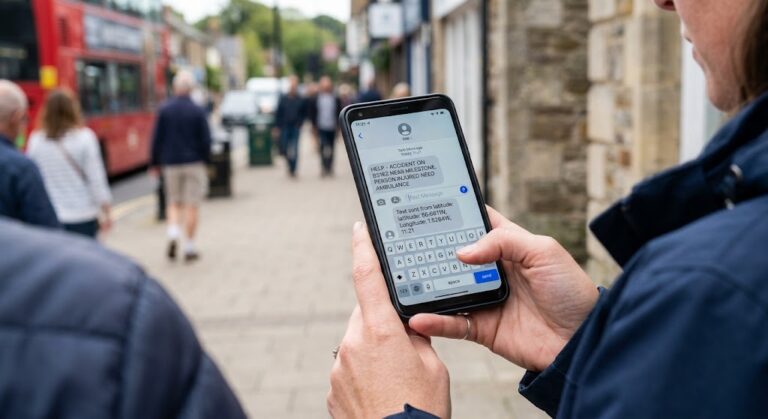
If something goes wrong, being able to tell emergency services where you are can save valuable time.
Before an outdoor activity near water, know:
- The name of the location
- The nearest road
- Nearby landmarks
- Your route
- Your approximate position
- How you would describe the waterway
If you’re using a phone, location information may also help emergency services locate you.
Don’t rely entirely on your phone, though.
Battery power and signal aren’t guaranteed.
Water Safety Checklist
Before spending time around outdoor water, ask:
The Water Safety Challenge
The next time you’re walking near a river, lake, canal or beach, don’t simply look at the scenery.
Stop and study the area.
Can you identify:
Where is the water deepest?
Where is the current strongest?
Where would you get out if you fell in?
Are the banks slippery?
Are there any rescue devices nearby?
Where is the nearest safe route away from the water?
What would you do if someone fell in?
These observations can turn a simple walk into a useful water-safety exercise.
Water Safety and Scouts
Water safety is an important part of Scouting.
Scouts currently provide water-safety activities covering hidden dangers, staying with friends and family, emergencies and what to do when someone gets into difficulty.
They also provide activities covering specific risks such as fishing near water, ice and water-based activities.
For young people, water safety is particularly valuable because it teaches them to recognise risk rather than simply avoid water.
That distinction matters.
The aim isn’t to make children afraid of water.
It’s to help them understand it.
SCOUT TIP
A good water-safety lesson should leave you thinking:
“I know what the risks are, and I know what to do.”
Always follow the current Scouts guidance, your leader’s instructions and the relevant risk assessment for organised activities.
SurvivalGuidesUK is an independent educational resource and isn’t an official Scouts website. Always follow the current Scouts programme requirements and your leader’s instructions.
Useful Water Safety Resources
Learning from established water-safety organisations is a good way to build your knowledge.
Scouts
Scouts has a range of water-safety activities and resources for young people, including its Water Safety Decoded activity.
RNLI
The Royal National Lifeboat Institution (RNLI) provides extensive advice about staying safe around the coast, at the beach and in the water.
RoSPA
The Royal Society for the Prevention of Accidents (RoSPA) provides further guidance on water safety and drowning prevention.
These are useful external resources to bookmark and are particularly worthwhile for parents, Scout leaders and anyone organising outdoor activities around water.
Final Thoughts
Water is one of the best parts of being outdoors.
It can be beautiful, exciting and a great place to learn new skills.
But it deserves respect.
The biggest water-safety mistake is assuming that danger is obvious.
It often isn’t.
The water may look calm.
The bank may look stable.
The weather may look fine.
The ice may look thick.
And yet hidden hazards can still be present.
So remember the basics:
Spot the dangers.
Follow advice.
Stay with other people.
Know what to do in an emergency.
And perhaps most importantly:
Never put yourself in danger trying to rescue someone else.
Good water safety isn’t about being afraid of the water.
It’s about understanding it.
SurvivalGuidesUK Safety Notice
Water-related activities can result in serious injury or death.
This article provides general educational information and does not replace professional lifesaving, swimming, first-aid or water-safety training.
Always follow local signs, lifeguard instructions, activity-provider guidance and relevant safety procedures.
Children and young people should have appropriate supervision around water.
If someone is in immediate danger, call 999 or 112 and follow the instructions of the emergency operator.
Stay safe, respect the water and never take unnecessary risks.
🔒Ready to test your survival skills?
Join Survival Guides UK for free, complete challenges, earn badges and increase your Survival Level.
JOIN FREE →
CRAIG BURR
FOUNDER · SURVIVAL GUIDES UK
I'm Craig, the person behind Survival Guides UK. I created SGUK because I wanted somewhere people could learn real outdoor skills in a practical, straightforward way — from lighting a fire and tying knots to navigation, campcraft and everything in between.
You can read more about the story behind SGUK here as well as our approach here.