How to Boil Water Safely Outdoors
⚠️ SAFETY FIRST
Boiling water can cause serious burns and scalds.
Use stable equipment, keep people away from the cooking area and take particular care around children. Never leave boiling water unattended.
If you’re using a fire or camping stove, follow the manufacturer’s instructions and make sure you have a safe way to extinguish the fire or shut down the stove.
How to Boil Water Safely Outdoors
Knowing how to boil water is one of the most useful outdoor skills you can learn.
Whether you’re camping, hiking or dealing with an emergency situation, boiling can be an effective way of making microbiologically contaminated water safer to drink.
But there’s an important distinction:
Boiling can kill many harmful microorganisms, but it doesn’t remove every type of contamination.
It won’t necessarily make water containing fuel, chemicals, heavy metals or other pollutants safe to drink.
That’s why choosing the water source matters just as much as knowing how to boil it.
Why Boil Water?
Water from an untreated outdoor source can contain organisms that can make you ill.
These can include:
- Bacteria
- Viruses
- Protozoa and other parasites
Boiling is a method of treating water against many of these biological hazards.
It’s particularly useful when you’re camping somewhere without access to treated drinking water.
💧 SURVIVAL TIP
The clearest-looking water isn’t necessarily safe water.
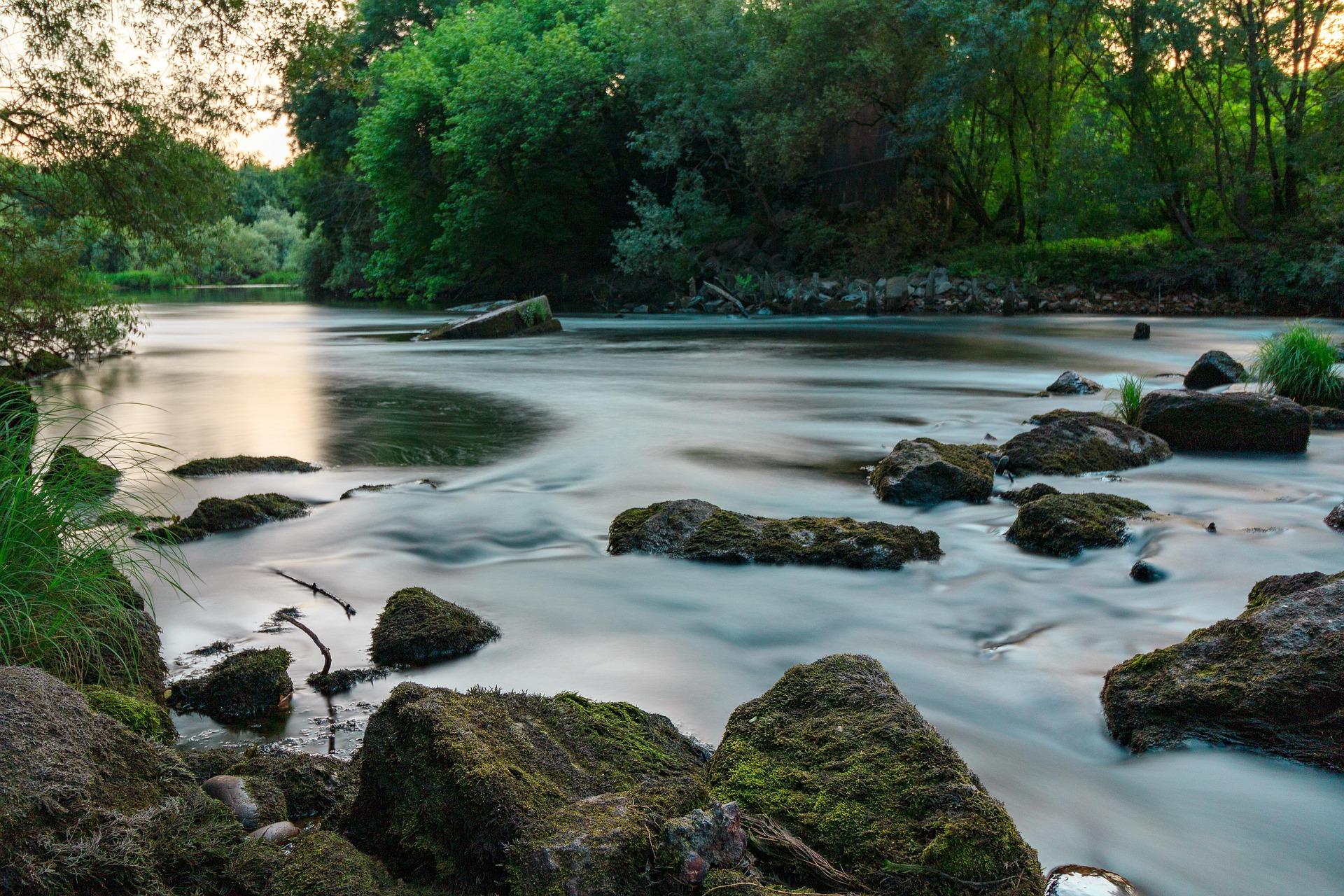
A crystal-clear stream can still contain microorganisms that you can’t see.
Step 1: Choose Your Water Source Carefully
Before you think about boiling, consider where the water came from.
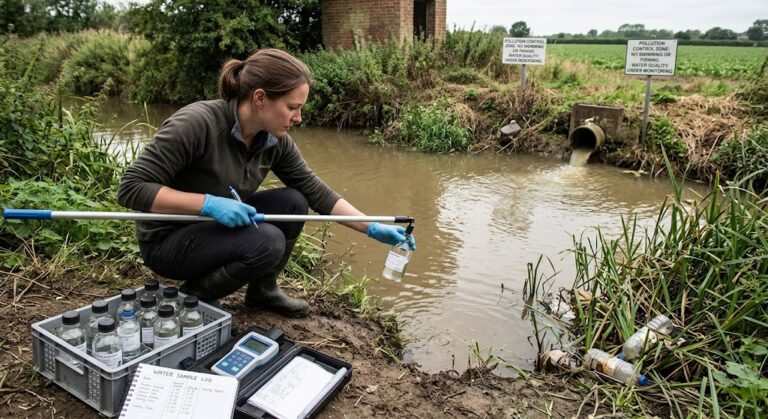
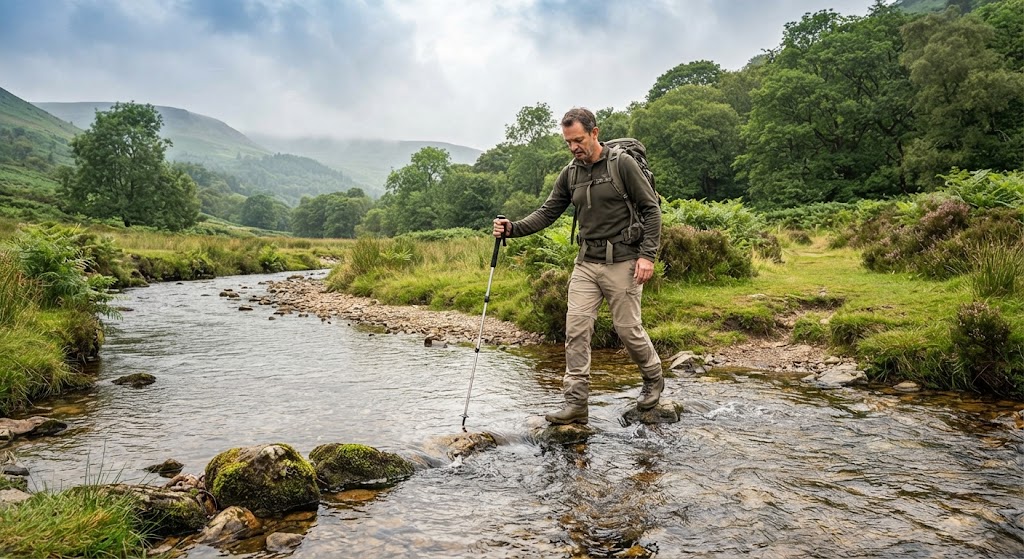
A relatively clean-looking source such as a flowing stream may be preferable to stagnant water, but appearance alone doesn’t prove that water is safe.
Avoid water that may be contaminated with:
- Fuel
- Oil
- Chemicals
- Sewage
- Agricultural pollution
- Dead animals
- Other obvious pollutants
Boiling isn’t designed to remove these contaminants.
If you have access to a safe, treated drinking-water supply, that’s generally the better option.
Step 2: Filter Dirty Water First
If your water contains visible dirt, leaves, sediment or other particles, allow it to settle and filter it through a suitable clean material or water filter before boiling.
This can improve the water’s appearance and reduce particles.
However:
Filtering and boiling are not necessarily interchangeable.
A basic cloth filter does not make contaminated water safe to drink.
Similarly, some filters aren’t designed to remove every type of microorganism or chemical contamination.
Know what your equipment is designed to remove.
Step 3: Choose the Right Container
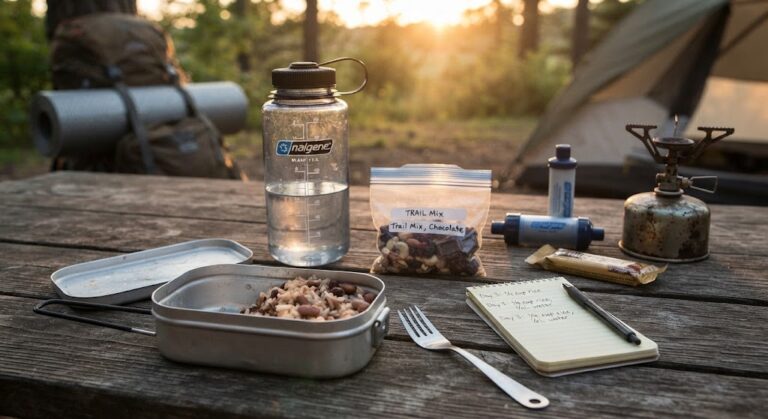
Use a container designed to withstand heat.
Suitable options might include:
Don’t use an ordinary plastic bottle directly over a fire.
And don’t assume that because a container can hold hot water, it can safely sit directly on flames.
Follow the manufacturer’s instructions for your cookware.
Step 4: Set Up Your Cooking Area
Before lighting a stove or fire, create a safe cooking area.
Make sure:
If you’re using a campfire, don’t balance a pot precariously over flames.
A stable cooking setup is far safer.
🔥 CAMPFIRE TIP
Don’t reach over a fire to check your water.
Steam and hot cookware can cause serious burns even when you don’t touch the flames.
Step 5: Bring the Water to a Boil
Place the container securely over your heat source.
As the water heats, you’ll see bubbles forming.
For water treatment, you want a vigorous boil, rather than simply seeing a few bubbles around the bottom of the container.
For general guidance, the UK NHS advice on making water safe in an emergency and other public-health guidance can be followed where applicable; local emergency advice should take priority.
In many emergency-water-treatment guidelines, bringing water to a rolling boil is the key step.
How Long Should You Boil Water?
For many outdoor and emergency situations, bringing water to a rolling boil is the important part of the treatment process.
However, advice can vary depending on the situation and the organism or contamination involved.
If you’re treating water during an emergency, follow the instructions provided by your local water authority or public-health organisation.
If you’re travelling abroad, follow the guidance for your destination.
Don’t assume that simply heating water until it’s hot is enough.
💧 IMPORTANT
Hot water isn’t necessarily treated water.
You need to bring the water to the appropriate boil rather than simply warming it.
Step 6: Turn Off the Heat Safely
Once you’ve completed the boiling process, don’t immediately grab the container.
The pot, handle and surrounding equipment may be extremely hot.
If you’re using a stove:
If you’re using a fire:
Remember that embers can remain dangerously hot long after flames disappear.
Step 7: Let the Water Cool
Boiling water is obviously too hot to drink immediately.
Allow it to cool naturally in a clean container.
Keep the container covered where possible to prevent:
- Dirt
- Insects
- Leaves
- Ash
- Other contaminants
from getting back into the water.
Don’t pour treated water back into a dirty container.
Step 8: Store It Safely
If you’re not drinking the water immediately, store it in a clean, covered container.
Ideally:
There’s little point carefully treating water and then contaminating it again.
🧼 THE CLEAN CONTAINER MATTERS
Imagine you’ve just spent time collecting and boiling clean drinking water.
Then you pour it into a dirty bottle.
You’ve potentially contaminated it again.
Keep treated water and untreated water separate.
What Boiling Doesn’t Remove
This is one of the most important things to understand.
Boiling is not a universal water purifier.
It can deal with many biological hazards, but it doesn’t reliably remove:
If you suspect chemical contamination, don’t rely on boiling.
Find another water source or follow appropriate emergency guidance.
What About Muddy Water?
Muddy water can be treated, but ideally you should improve it before boiling.
Allow sediment to settle.
Then carefully decant the clearer water and filter it through an appropriate filter.
After that, use the appropriate boiling procedure.
However, remember that:
Clear water isn’t automatically safe water.
The absence of visible dirt doesn’t mean microorganisms aren’t present.
Boiling Water on a Campfire
Campfires can be useful for heating water, but they’re less controllable than a purpose-designed camping stove.
If you’re using a fire:
Build it safely
Use an appropriate fire lay and establish a safe fire area.
Keep the pot stable
Don’t balance a heavy pot precariously on stones.
Control the flames
Avoid unnecessarily large fires.
Watch the handles
Position handles so they aren’t sticking into the path of people walking past.
Allow for steam
Steam can cause serious burns.
Extinguish the fire afterwards
Make sure the fire is properly extinguished rather than simply walking away.
Boiling Water on a Camping Stove
A camping stove can provide a more controlled cooking environment.
Before using one:
Different stove types have different hazards, so don’t improvise with fuel systems or modify equipment.
🏕️ SCOUT LEADER TIP
If you’re teaching Scouts how to boil water, make stove and fire safety part of the lesson, rather than treating them as separate subjects.
The skill isn’t just:
“How do I boil water?”
It’s:
“How do I safely collect, treat, handle and store drinking water?”
Boiling Water in an Emergency
If you’re in an emergency situation and need drinking water, think about the wider problem.
Your priorities might include:
Finding a safe water source.
Making the water safer to drink.
Keeping yourself warm and sheltered.
Avoiding injury.
Letting someone know where you are.
Don’t take unnecessary risks to collect water.
For example, don’t climb unstable slopes or approach dangerous water simply because it looks clean.
Can You Boil Water in a Plastic Bottle?
This is a common survival question.
Don’t place an ordinary plastic bottle directly onto a fire.
Plastic containers can melt, deform or release unwanted substances when exposed to inappropriate heat.
If you’re boiling water outdoors, use cookware designed for the heat source.
There are specialised techniques involving certain containers, but they’re unnecessary when appropriate camping cookware is available.
Common Mistakes When Boiling Water Outdoors
❌ Using a contaminated water source
Boiling doesn’t remove every chemical contaminant.
❌ Using a dirty container
Treated water can become contaminated again.
❌ Heating rather than boiling
Warm water isn’t the same as properly treated water.
❌ Using ice
Ice doesn’t treat contaminated water.
❌ Touching the pot immediately
It can remain dangerously hot.
❌ Leaving the fire unattended
A cooking fire can quickly become an uncontrolled fire.
❌ Overfilling the container
Boiling water can spill or splash.
❌ Carrying an open container
A pot of boiling water is a major scald hazard.
A Simple Outdoor Water Routine
When treating water outdoors, think:
SOURCE
Where did the water come from?
FILTER
Does it need to be cleared of sediment?
BOIL
Bring it to the appropriate boil according to current guidance.
COOL
Allow it to cool safely.
STORE
Keep it in a clean, covered container.
PROTECT
Prevent treated water from becoming contaminated again.
Teaching Scouts to Boil Water
This makes an excellent practical Scout activity.
Rather than simply telling Scouts to boil water, give them a scenario:
“You’re on a two-day hike and your drinking water has run out. You find a stream. What do you do?”
Let them work through the decisions.
They should consider:
- Is the source appropriate?
- Is there visible contamination?
- Do we need to filter it?
- What equipment do we have?
- How will we heat it?
- How will we avoid burns?
- How will we cool it?
- How will we store it?
- How will we avoid contaminating it again?
This turns a simple cooking exercise into a genuine survival skills lesson.
🧭 SURVIVAL SKILL
Knowing how to boil water is useful.
Knowing when water is safe to collect, how to treat it and how to keep it safe afterwards is even more useful.
Final Thoughts
Boiling water is one of the most useful ways of treating water when you’re outdoors, but it isn’t a magic solution for every contaminated water source.
Choose your water source carefully.
Filter visible sediment when appropriate.
Use proper cookware.
Heat the water safely.
Follow current guidance for the appropriate boiling process.
Allow it to cool safely.
And keep treated water separate from untreated water.
For Scouts and outdoor enthusiasts, it’s a simple skill that combines water safety, fire safety, campcraft and survival knowledge.
💧 THE BIG IDEA
Safe water starts before you boil it.
Choose the best source you can, treat it properly, handle it safely and protect it from contamination afterwards.
🔒Ready to test your survival skills?
Join Survival Guides UK for free, complete challenges, earn badges and increase your Survival Level.
JOIN FREE →
CRAIG BURR
FOUNDER · SURVIVAL GUIDES UK
I'm Craig, the person behind Survival Guides UK. I created SGUK because I wanted somewhere people could learn real outdoor skills in a practical, straightforward way — from lighting a fire and tying knots to navigation, campcraft and everything in between.
You can read more about the story behind SGUK here as well as our approach here.