How to Stay Safe Around Rivers and Streams
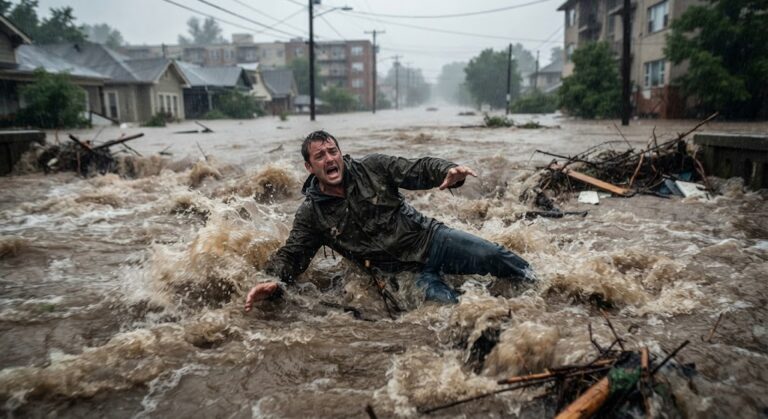
Rivers and streams can be beautiful places to explore, but moving water can be much more powerful than it looks.
For Scouts, the safest approach is to understand the hazards, stay within agreed boundaries and avoid entering or approaching water unnecessarily.
Understand the Current
Moving water can push against your legs and make it difficult to keep your balance.
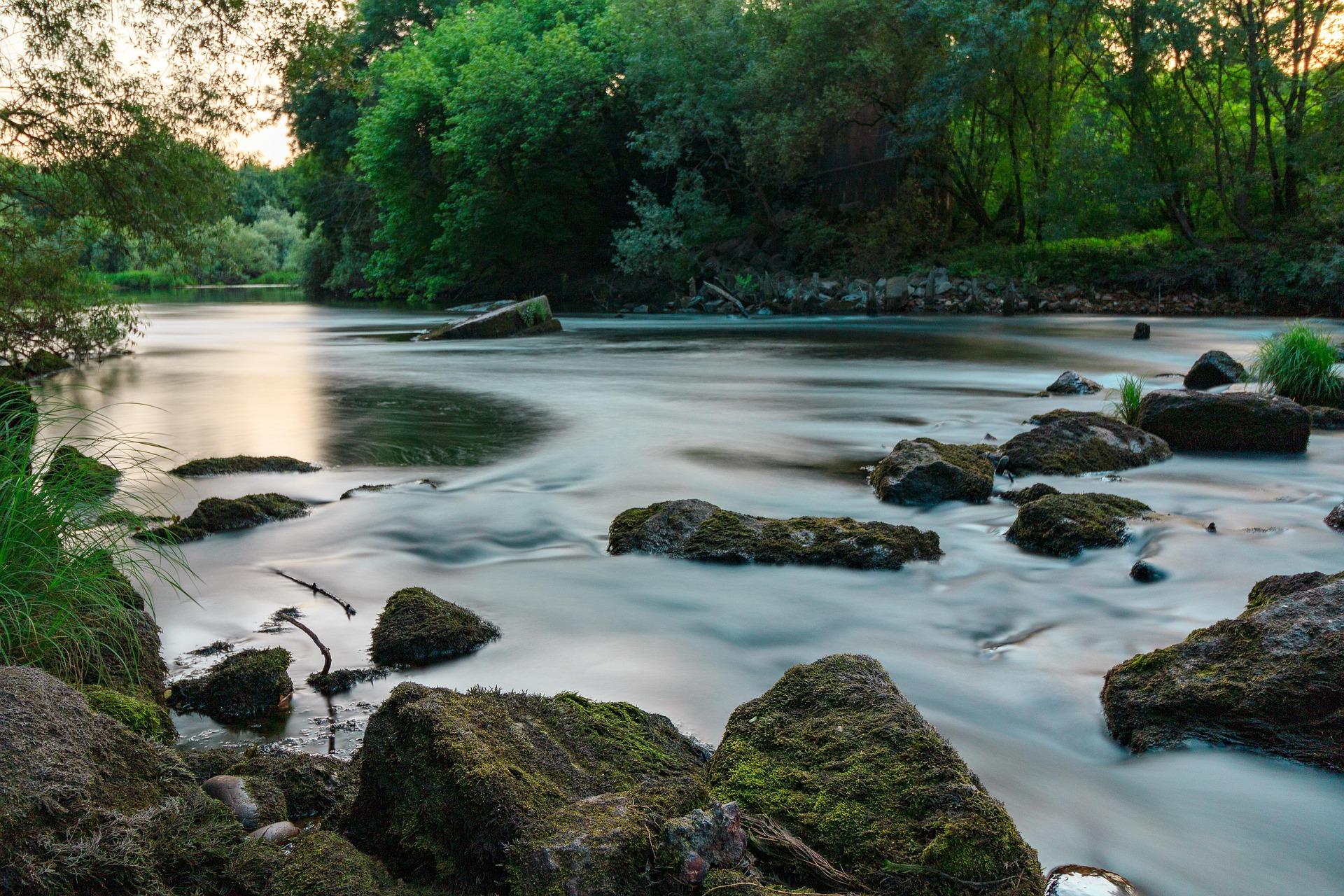
Even water that looks calm on the surface may have a strong current underneath.
The faster the water is moving, the greater the potential danger.
Never assume that shallow-looking water is automatically safe to enter.
Stay Back From the Edge
You don’t need to stand directly beside a river to enjoy it.
Keep a sensible distance from the water’s edge, particularly where the bank is steep, muddy or unstable.
Wet grass, mud and rocks can become extremely slippery.
Watch the Riverbank
Riverbanks can be unstable.
Look out for:
An undercut bank can look solid from above while being unsupported underneath.
Don’t stand or sit on the edge of one.
Be Careful With Rocks
Rocks beside or within streams can be slippery.
Algae, mud and constantly moving water can make them particularly difficult to stand on.
Avoid stepping onto rocks near moving water unless the activity specifically requires it and appropriate controls are in place.
Understand Changing Water Levels
River conditions can change quickly.
Heavy rain upstream can cause water levels to rise even if it hasn’t been raining where you are.
A stream that looked small earlier can become much deeper and faster.
This is one reason why conditions should be reassessed throughout an activity.
Take Extra Care After Rain
After heavy rainfall, rivers and streams can become faster, deeper and more unpredictable.
Banks can also become saturated and unstable.
Don’t assume that a familiar crossing or riverside route remains safe after significant rain.
Don’t Enter Water to Retrieve Equipment
If a ball, bottle, piece of clothing or other equipment falls into a river, don’t automatically go after it.
Equipment can be replaced.
A person entering moving water to retrieve it could quickly get into serious difficulty.
Tell a leader instead.
Never Use a River as a Shortcut
It can sometimes look quicker to cross a stream or river than walk around it.
That doesn’t make it safer.
Unless a water crossing is specifically planned, assessed and appropriately supervised, don’t enter the water simply to save time.
Know the Difference Between a Stream and a River
The size of a watercourse isn’t the only thing that matters.
A narrow stream can still have a strong current, deep sections or slippery banks.
Judge the actual conditions rather than assuming a smaller watercourse is harmless.
What About Swimming?
Rivers and streams are generally not appropriate places for spontaneous swimming.
Water depth, currents, underwater obstacles, pollution and exit points can all be difficult to assess.
Only swim as part of an appropriately planned activity at a suitable location with proper supervision and safety arrangements.
Stay Together
If you’re exploring near water as part of a Scout activity, follow the group arrangements.
Don’t wander away from the agreed area.
Tell a leader if you need to leave the group or move closer to the water.
Younger Scouts
Younger Scouts should have clear boundaries around rivers and streams.
Explain where they can walk and where they must not go.
Simple rules such as “stay back from the edge and listen to the leader” are easy to remember.
Older Scouts
Older Scouts can learn to identify hazards for themselves.
Ask them to look at a section of river and identify potential problems such as currents, slippery banks, steep edges and changing water levels.
The aim is to develop judgement, not encourage Scouts to test the hazards themselves.
Leader Notes
Before activities near water, establish clear boundaries and explain them before Scouts begin exploring.
Reassess conditions if the weather changes or water levels rise.
Don’t rely solely on barriers or verbal instructions where additional controls are necessary.
Any planned water activity should have appropriate planning, supervision and safety arrangements for the activity being undertaken.
Safety
Never enter fast-flowing or unfamiliar water without appropriate planning, supervision and safety measures.
Stay away from unstable or undercut riverbanks.
Don’t attempt to rescue someone from moving water by entering the river yourself unless you are appropriately trained and equipped to do so.
Raise the alarm and follow the appropriate emergency procedures.
After heavy rain, treat rivers and streams as potentially changed environments and reassess the risks.
Follow local site rules and the instructions of activity leaders.
Learning Outcomes
Scouts can learn to:
Final Thought for Scouts
A river can look peaceful and still be dangerous.
Enjoy the water from a safe distance, respect the current and never underestimate moving water.
🔒Ready to test your survival skills?
Join Survival Guides UK for free, complete challenges, earn badges and increase your Survival Level.
JOIN FREE →
CRAIG BURR
FOUNDER · SURVIVAL GUIDES UK
I'm Craig, the person behind Survival Guides UK. I created SGUK because I wanted somewhere people could learn real outdoor skills in a practical, straightforward way — from lighting a fire and tying knots to navigation, campcraft and everything in between.
You can read more about the story behind SGUK here as well as our approach here.