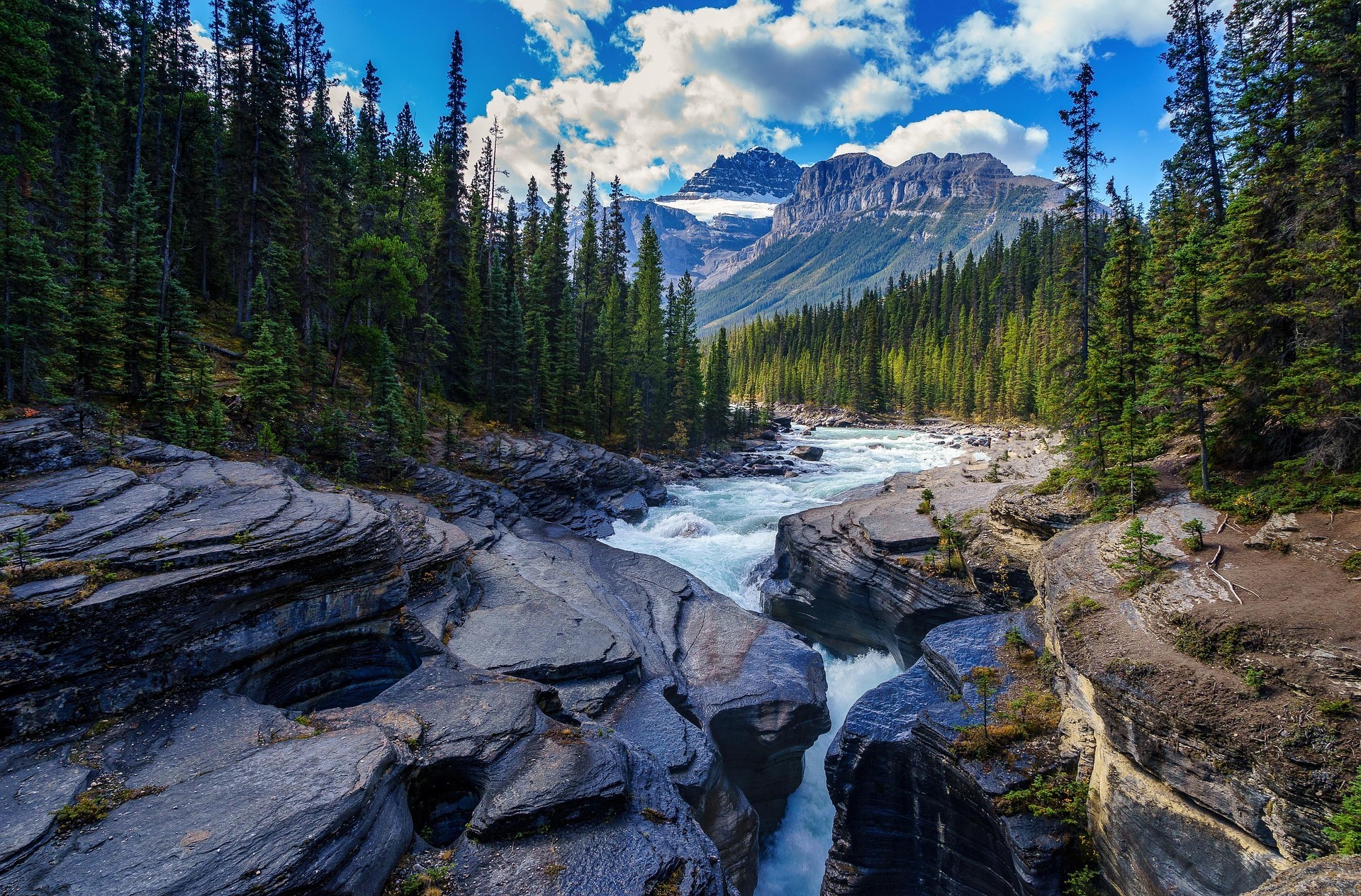
How to Recognise an Unsafe Riverbank
Riverbanks can look solid and safe while hiding hazards that aren’t immediately obvious.
Erosion, loose ground, slippery surfaces and undercut sections can all make getting close to the edge dangerous. Learning to recognise these warning signs helps Scouts make safer decisions around rivers and streams.
Look at the Ground
Before walking towards a river, look at the ground beneath your feet.
Wet grass, mud, loose stones and exposed roots can all reduce your footing.
If the ground feels unstable or slippery, move away from the edge rather than trying to find a better place by getting closer.
Look for Erosion
Moving water gradually wears away riverbanks.
You may see exposed soil, missing vegetation, exposed roots or sections where the bank has collapsed.
These are signs that the river is changing the shape of the land.
An eroded bank should be treated cautiously.
Watch for Undercut Banks
An undercut bank is one where water has eroded the ground underneath the surface.
From above, the edge may appear perfectly normal.
The ground beneath it may be unsupported, however, and could collapse under someone’s weight.
Never sit, stand or walk directly along an undercut edge.
Look for Cracks
Cracks in the soil near the edge can indicate movement or instability.
They may be particularly noticeable on steep banks or areas affected by erosion.
If you see significant cracks or ground movement, keep well away from the area.
Be Careful With Exposed Roots
Roots can make the ground around a riverbank uneven.
They can also be slippery, loose or exposed because soil has been washed away.
Don’t use exposed roots as handholds or footholds when moving around a riverbank.
Check the Slope
Steep banks present additional risks.
A steep slope can be difficult to climb back up if you slip.
It may also be covered with wet grass, mud or loose material.
You don’t need to approach the edge to investigate it.
Observe the bank from a safe position.
Watch for Mud
Mud can be deceptive.
A surface may look firm but give way when weight is placed on it.
Mud close to water can also make it difficult to regain your footing if you slip.
Avoid walking across muddy sections near the water’s edge.
Look at the Water
The water itself can provide clues about the conditions.
Fast-flowing water, swirling sections, turbulence and debris can indicate strong currents or obstacles below the surface.
Don’t use these observations as a reason to get closer.
You can usually assess the river from a safe distance.
Look for Debris
Branches, logs and other debris can become trapped along riverbanks.
They may indicate that water levels have risen previously.
Large amounts of debris can also suggest that the river has recently experienced stronger flows.
Keep clear of unstable piles of branches and other material.
Think About Recent Rain
Rain can change riverbanks as well as rivers.
Saturated ground is more likely to become muddy or unstable.
Heavy rainfall can also increase erosion and raise water levels.
A bank that was suitable for access during dry weather may not remain suitable after significant rain.
Don’t Assume Familiarity Means Safety
A riverbank you have visited before may look exactly the same while conditions underneath have changed.
Erosion can happen gradually or suddenly.
Always look at the current conditions rather than assuming that somewhere is safe because you’ve been there before.
Keep Away From the Edge
The safest way to deal with an unsafe riverbank is usually simple:
Don’t go near it.
There is rarely a good reason for Scouts to stand directly at the edge of a river.
A safe viewing position provides plenty of opportunity to observe the water without taking unnecessary risks.
If Someone Slips
If someone loses their footing near water, don’t rush towards the edge yourself.
Moving too close could create another casualty.
Alert the leader immediately and follow the appropriate emergency procedures.
Younger Scouts
Teach younger Scouts to recognise a few obvious warning signs:
The simple rule is:
If the ground looks unstable, stay back.
Older Scouts
Older Scouts can learn to assess a riverbank from a safe position.
Ask them to identify signs of erosion, undercutting and unstable ground without approaching the hazards.
This develops observation and judgement without requiring them to test the conditions.
Leader Notes
When planning an activity near a river, consider the condition of access points and banks rather than only assessing the water itself.
Conditions may change after rainfall, so reassess the area when necessary.
Make sure Scouts understand that identifying a hazard doesn’t mean they should investigate it more closely.
Safety
Keep a safe distance from unstable or undercut riverbanks.
Don’t sit, stand or climb on eroded edges.
Don’t use exposed roots or branches as support.
Avoid muddy or slippery ground beside moving water.
Never enter the water to assist someone unless appropriately trained and equipped to do so.
If someone falls into the water, raise the alarm and follow the appropriate emergency procedures.
Follow local site rules and instructions from activity leaders.
Learning Outcomes
Scouts can learn to:
Final Thought for Scouts
You don’t need to touch a riverbank to know whether it’s safe.
Look from a safe distance, recognise the warning signs and stay away from unstable ground.
Good outdoor judgement often means knowing when not to get closer.
🔒Ready to test your survival skills?
Join Survival Guides UK for free, complete challenges, earn badges and increase your Survival Level.
JOIN FREE →
CRAIG BURR
FOUNDER · SURVIVAL GUIDES UK
I'm Craig, the person behind Survival Guides UK. I created SGUK because I wanted somewhere people could learn real outdoor skills in a practical, straightforward way — from lighting a fire and tying knots to navigation, campcraft and everything in between.
You can read more about the story behind SGUK here as well as our approach here.