Crossing Shallow Streams Safely
Why Stream Crossing Requires Care
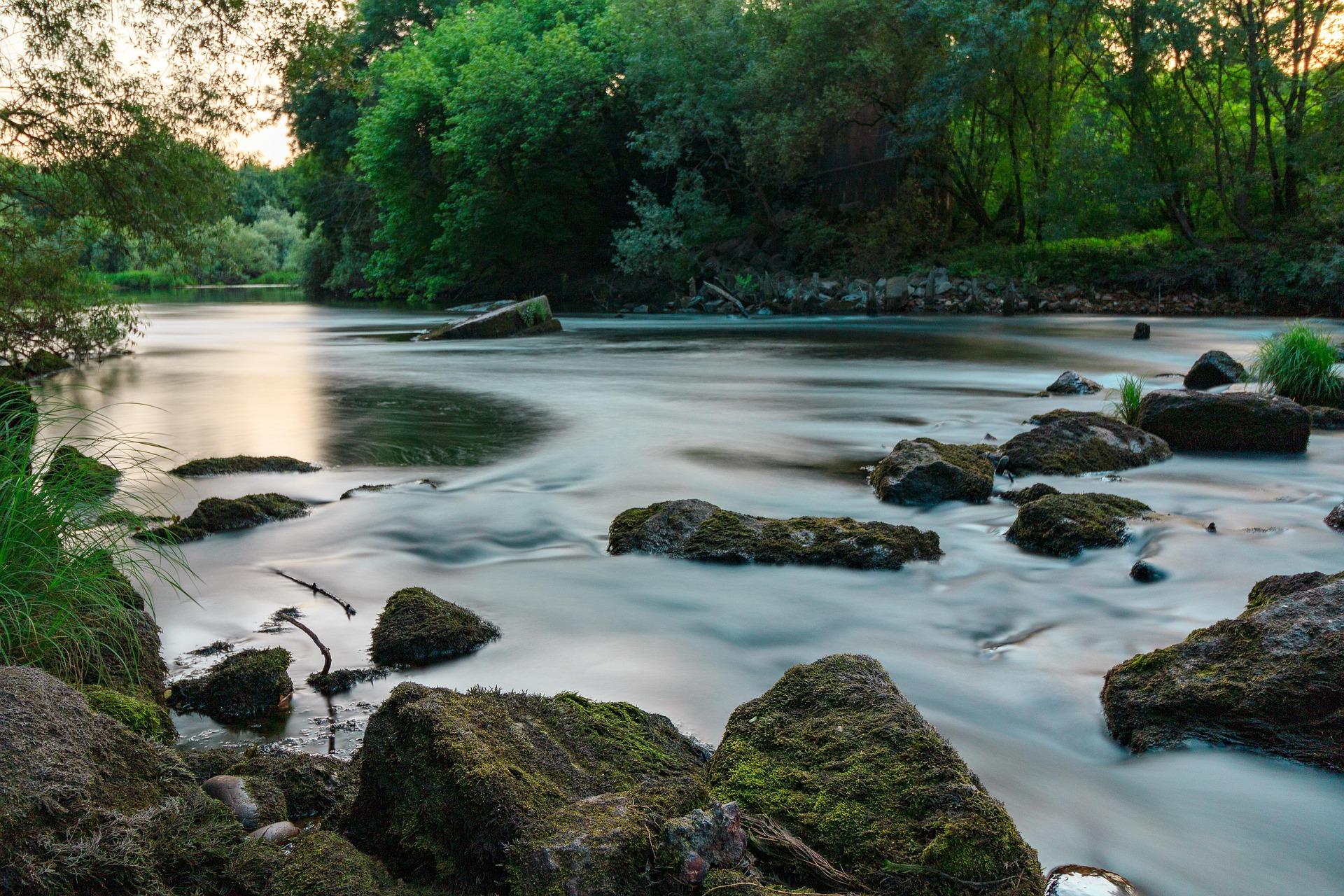
Crossing a shallow stream can be a useful skill for Scouts and anyone exploring the countryside, but even a small stream can present hazards.
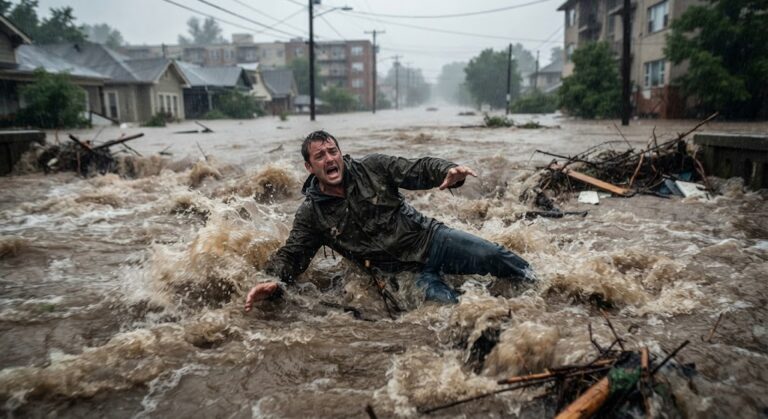
Water can be surprisingly powerful, particularly after heavy rain. Slippery rocks, uneven ground, hidden holes and cold water can all turn a simple crossing into a dangerous situation.
The safest approach is to avoid entering the water whenever there is a suitable alternative. If a stream does need to be crossed, take time to assess the conditions before stepping into the water.
Choose the Safest Crossing Point
Do not automatically cross at the point where the path reaches the stream. Walk along the bank and look for a safer place if necessary.
A good crossing point is generally:
Avoid areas where the water is fast, deep or turbulent.
Check the Other Bank
Before entering the water, look carefully at where you intend to exit.
A crossing is only as safe as the route on both sides. A gentle approach may lead to a steep, muddy or slippery bank on the other side.
Make sure you can see a practical place to leave the water before you start crossing.
Check the Water Conditions
Never judge a stream solely by its depth.
Moving water can exert considerable force, and the bottom may contain slippery stones, holes or soft mud.
If the water level is rising, the current is strong or the water is too cloudy to see potential hazards, do not attempt the crossing.
Heavy rainfall upstream can also cause water levels to rise quickly, even when the weather at your location appears fine.
Use a Walking Pole or Stick
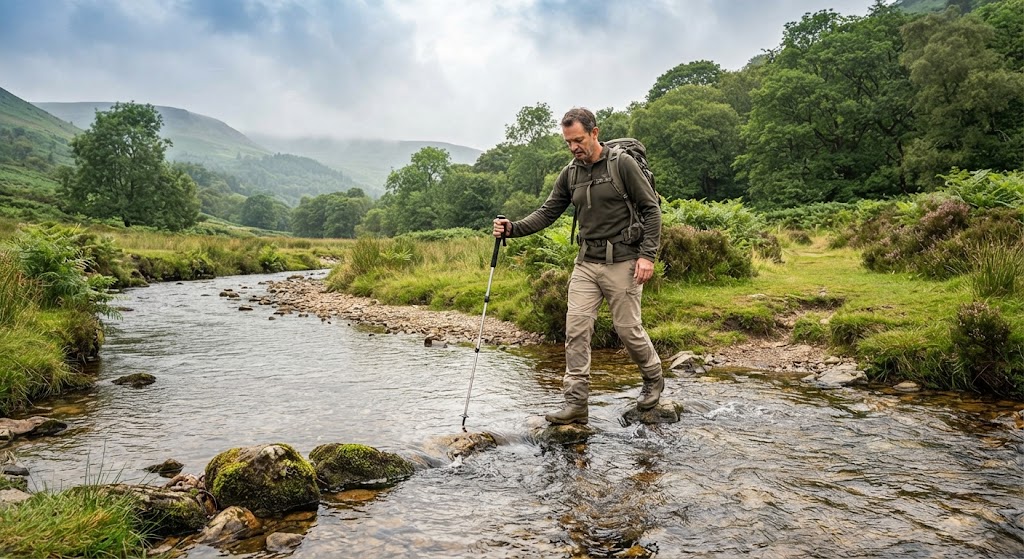
A suitable walking pole can help you test the stream bed and provide an additional point of contact while crossing.
Place the pole upstream and use it to check for changes in depth and uneven ground as you move.
Do not rely on a loose branch that could snap or move unexpectedly.
A pole is an aid to balance, not something that makes unsafe water safe to cross.
Keep Your Hands Free
If you are carrying a backpack, make sure it is adjusted securely before approaching the stream.
Avoid carrying loose equipment in your hands while crossing. You need your arms available for balance.
For a stream that is genuinely safe to cross, keep your movements controlled and concentrate on maintaining your footing.
Take Small, Careful Steps
Do not rush across the water.
Face towards the direction of travel while keeping your body balanced and take short, deliberate steps. Avoid jumping between rocks if doing so could leave you unstable.
Test each step before transferring your full weight onto it.
Remember that wet rocks can be extremely slippery, even when they look stable.
Do Not Cross Alone
When walking as part of a Scout group, stream crossings should be treated as a group decision rather than an individual challenge.
A leader should assess the crossing and decide whether it is appropriate for the group.
You should never feel pressured to cross simply because someone else has done so.
If one person is uncomfortable with the crossing, stop and reassess the route. There may be a bridge, alternative path or safer crossing point nearby.
What to Do If the Water Is Too Deep
Do not attempt to wade through water simply because the route on the map appears to cross the stream.
If the water is deep, fast-moving or difficult to assess, look for an alternative.
Possible alternatives include:
Turning around is a sensible navigation decision, not a failure.
Common Stream-Crossing Hazards
Slippery Rocks
Rocks beneath the water may be covered with algae or other growth, making them much more slippery than they appear.
Avoid stepping on rounded or unstable stones where possible.
Hidden Holes
Clear-looking water can conceal sudden changes in depth.
Use your walking pole to test the bottom where appropriate, but do not enter water that is too deep or unclear to assess safely.
Strong Current
A stream can look shallow while still having a surprisingly strong current.
If you have to brace yourself against the flow or feel that the water is pushing strongly against your legs, the crossing is not suitable.
Rising Water
Water levels can change quickly following rainfall.
A stream that was easy to cross earlier may become hazardous later in the day. Always reassess conditions rather than assuming they have remained the same.
What to Do After Crossing
Once you reach the other side, move away from the water before stopping to check your equipment.
Make sure your footwear is secure and check that your backpack and other equipment are still properly fastened.
If your feet or clothing have become wet, consider the conditions and the remaining distance before continuing. Staying warm and dry is particularly important in cold weather.
A Simple Stream-Crossing Safety Check
Before crossing, remember the following checklist:
Stop → Look → Assess → Choose → Cross
Stop: Do not rush into the water.
Look: Examine the stream, banks and possible hazards.
Assess: Consider the depth, current, weather and condition of the crossing.
Choose: Find the safest practical crossing point or an alternative route.
Cross: If the crossing is genuinely suitable, move carefully and maintain your balance.
If you are unsure at any stage, do not cross.
Final Tips for Crossing Shallow Streams Safely
Crossing a shallow stream can be a useful outdoor skill, but it should never become a test of bravery.
Remember to:
The most important skill is knowing when not to cross. Good outdoor judgement means recognising hazards early and choosing the safest option rather than taking an unnecessary risk.
🔒Ready to test your survival skills?
Join Survival Guides UK for free, complete challenges, earn badges and increase your Survival Level.
JOIN FREE →
CRAIG BURR
FOUNDER · SURVIVAL GUIDES UK
I'm Craig, the person behind Survival Guides UK. I created SGUK because I wanted somewhere people could learn real outdoor skills in a practical, straightforward way — from lighting a fire and tying knots to navigation, campcraft and everything in between.
You can read more about the story behind SGUK here as well as our approach here.