Woodland Conservation: A Guide to Protecting Woods
What Is Woodland Conservation?
Woodland conservation is the protection and careful management of woodland so that trees, plants, animals and other wildlife can continue to thrive.
Woodlands are important habitats and provide food, shelter and nesting sites for many species. They also help absorb carbon dioxide, improve air quality, reduce soil erosion and provide valuable places for people to enjoy the outdoors.
For Scouts, learning about woodland conservation is a practical way to understand how our actions can affect the natural environment.
Why Is Woodland Conservation Important?
A healthy woodland is much more than a collection of trees.
It contains many different plants, fungi, insects, birds and mammals, all interacting with each other. Fallen leaves, dead wood, old trees and natural gaps in the canopy can all play an important role in the woodland ecosystem.
Protecting woodlands helps to:
Conservation helps maintain this balance for future generations.
How Can Scouts Help Protect Woodlands?
There are many simple things Scouts can do to reduce their impact when visiting woodland.
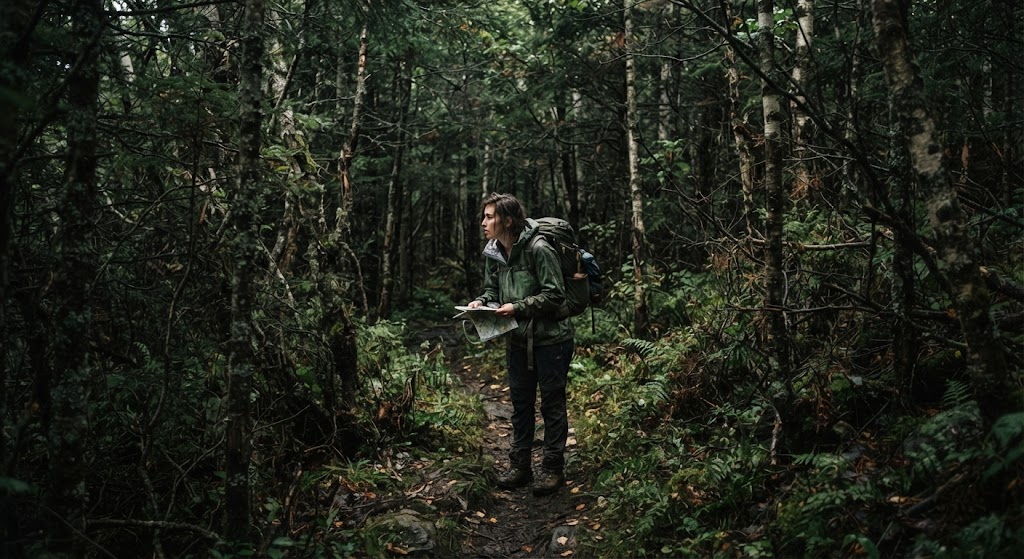
The first is to follow the countryside access rules and any signs provided by the landowner. Stick to permitted paths where required and avoid damaging vegetation.
Other useful habits include:
Small actions become significant when thousands of people visit woodland each year.
Protecting Trees
Trees can be surprisingly vulnerable to damage.
Scraping bark, carving names into trunks, breaking branches or climbing unsuitable trees can cause lasting damage. A damaged tree may become more vulnerable to disease, pests and weather.
When working or playing in woodland, treat living trees with care.
Avoid tying ropes around trees unless you are using an appropriate method designed to prevent damage and have permission to do so.
Understanding Dead Wood
Dead wood is an important part of a healthy woodland.
Fallen branches, dead trees and decaying stumps provide habitats for insects, fungi, mosses and other organisms. They also return nutrients to the soil as they decompose.
This means that a tidy-looking woodland is not necessarily a healthy one.
Avoid moving dead wood unless it is necessary for a properly managed activity.
Protecting Woodland Wildlife
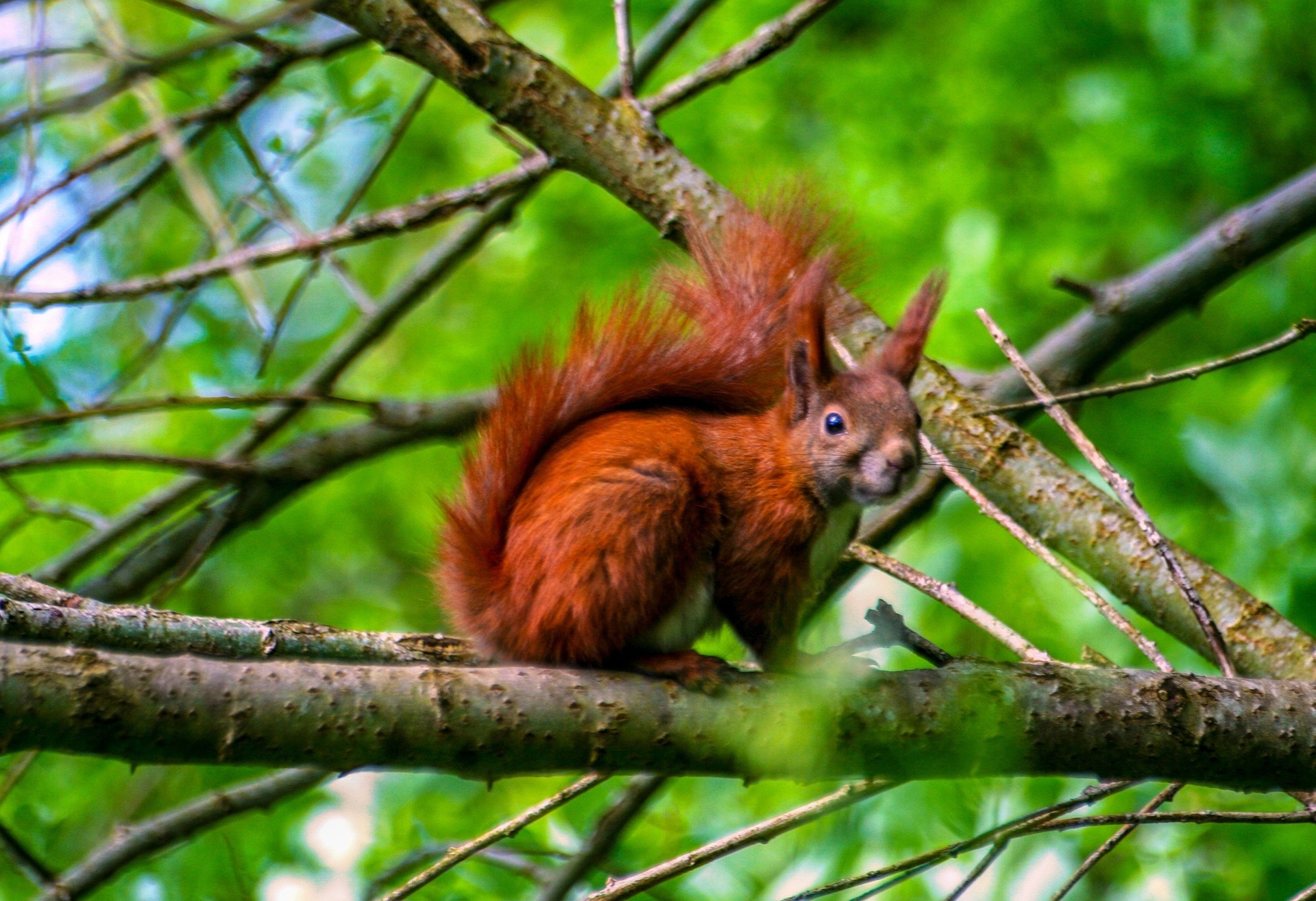
Woodland animals can be disturbed without us realising it.
Birds may be nesting in trees or bushes, while small mammals and insects can be living beneath leaves, logs and fallen branches.
Keep noise to a reasonable level and avoid deliberately chasing, handling or feeding wild animals.
During spring and early summer, take particular care around areas where birds and other animals may be breeding.
Observing wildlife from a distance is often the best way to enjoy it without causing unnecessary disturbance.
Preventing the Spread of Invasive Species
Some non-native plants can spread rapidly and outcompete native species.
People can accidentally help spread plants, fungi and other organisms on muddy boots, bicycles, vehicles and equipment.
After visiting woodland, clean mud and plant material from footwear and equipment, particularly if you are moving between different woodland areas.
This simple habit can help reduce the accidental spread of unwanted species.
Woodland Fires and Conservation
Fire can cause serious damage to woodland.
Even a small campfire can scorch tree roots, damage soil and destroy habitats. Dry vegetation can also allow flames to spread rapidly.
Never light a fire in woodland unless you have permission and a suitable, designated location.
Where fires are permitted, follow the site’s rules carefully and make sure the fire is completely extinguished afterwards.
A camping stove may be a more suitable option where open fires are not permitted.
Reducing Damage to Woodland Paths
Walking repeatedly over the same wet or muddy ground can damage vegetation and cause erosion.
Where there is a designated path, use it rather than creating new routes through the woodland.
If a path becomes particularly muddy, avoid widening it by walking around the edges. This can gradually create a much wider area of damaged ground.
Well-managed paths help concentrate foot traffic and protect the surrounding habitat.
Woodland Conservation Activities for Scouts
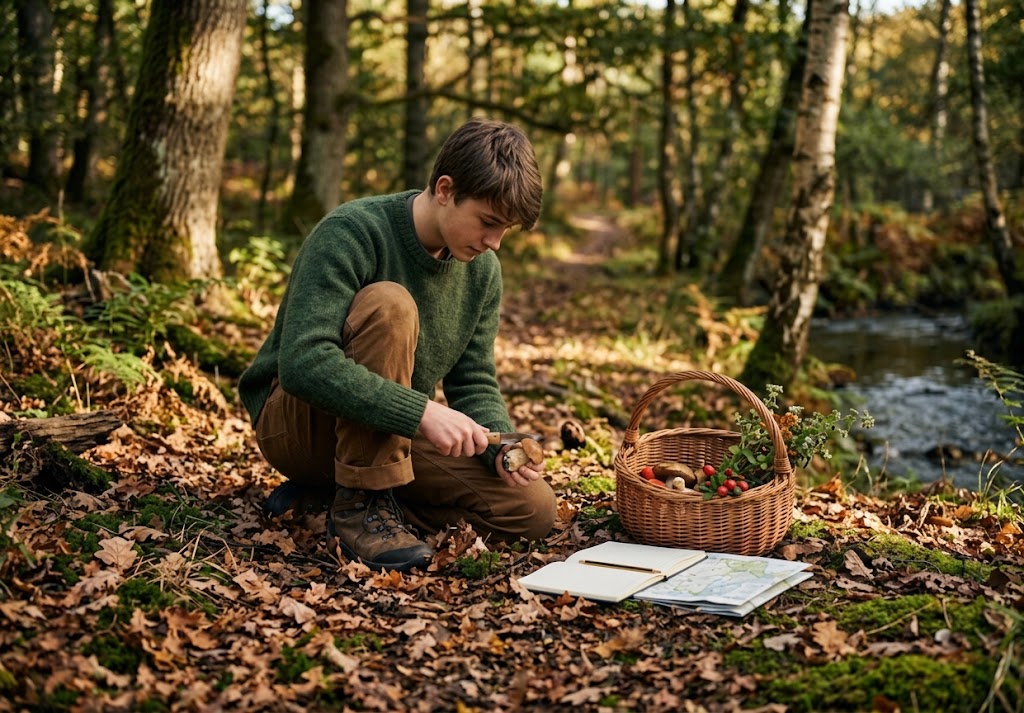
Woodland conservation can be turned into practical Scout activities.
Wildlife Survey
Choose a suitable area of woodland and record the plants, trees, birds, insects and other signs of wildlife you can identify.
Keep observations respectful and avoid disturbing habitats.
You could repeat the survey at different times of year to see how the woodland changes.
Litter Pick
A supervised litter pick can help remove rubbish from woodland while teaching Scouts about responsible access to the countryside.
Use appropriate gloves and equipment, and make sure potentially hazardous items are dealt with by an adult rather than handled by Scouts.
Tree Identification
Learn to identify common native trees from their leaves, bark, buds, fruit and overall shape.
Understanding which trees are present can help Scouts appreciate the variety of species within a woodland.
Woodland Condition Check
Choose a small area and look for signs of both healthy woodland and human impact.
You might record:
The aim is to observe and record rather than interfere with the woodland.
Leave No Trace in Woodland
A useful principle when visiting woodland is to leave the area in at least as good a condition as you found it.
Take rubbish home, avoid unnecessary damage and leave plants, rocks, fallen branches and other natural materials where they are.
If every visitor follows the same principle, the cumulative effect can significantly reduce pressure on woodland habitats.
Why Native Trees Matter
Native trees have developed alongside the wildlife found in the local environment.
Species such as oak, silver birch, beech, hazel, rowan and hawthorn can support a wide range of organisms. Different trees provide different types of food and shelter, helping to create a varied ecosystem.
However, woodland management is complex, and non-native trees are not automatically harmful. The right approach depends on the particular woodland and its conservation objectives.
Final Tips for Woodland Conservation
Woodland conservation is about protecting the whole ecosystem rather than simply looking after individual trees.
When visiting woodland, remember to:
For Scouts, woodland conservation is a chance to turn outdoor skills into practical environmental responsibility. By learning to understand and respect woodland, we can help protect these valuable habitats for wildlife and for the people who will enjoy them in the future.
🔒Ready to test your survival skills?
Join Survival Guides UK for free, complete challenges, earn badges and increase your Survival Level.
JOIN FREE →
CRAIG BURR
FOUNDER · SURVIVAL GUIDES UK
I'm Craig, the person behind Survival Guides UK. I created SGUK because I wanted somewhere people could learn real outdoor skills in a practical, straightforward way — from lighting a fire and tying knots to navigation, campcraft and everything in between.
You can read more about the story behind SGUK here as well as our approach here.