Conservation: Simple Ways Scouts Can Help UK Wildlife
Conservation is about looking after the natural world and helping plants, animals and habitats thrive. For Scouts, it can be a practical part of learning about nature, whether you’re exploring woodland, working on a campsite, taking part in a conservation project or simply noticing the wildlife around you.
You don’t need specialist equipment or expert knowledge to make a difference. Small actions such as protecting habitats, reducing litter, avoiding disturbance and understanding how wildlife uses an area can all contribute to conservation.
For Scouts, conservation is also a great way to develop practical outdoor skills while learning why responsible behaviour matters.
What Is Conservation?
Conservation means protecting and managing the natural environment so that plants, animals and habitats can continue to thrive.
The UK has a wide variety of habitats, including woodland, heathland, grassland, rivers, ponds, wetlands, hedgerows and coastal areas. Each supports different species, and changes to these habitats can affect the wildlife that depends on them.
Conservation doesn’t always mean leaving an area completely untouched. Some habitats need careful management to remain healthy. For example, traditional grazing can help maintain grassland and heathland, while woodland management can create a mixture of habitats for different species.
The important principle is to understand an environment and look after it responsibly.
Why Does Conservation Matter?
Wildlife depends on suitable places to feed, shelter, breed and move between different areas.
When habitats are damaged or lost, wildlife can struggle to find the resources it needs. Pollution, litter, invasive species, changes in land use and disturbance can all affect wildlife.
Healthy habitats also benefit people. Trees, hedges, wetlands and grasslands can help manage water, store carbon, reduce erosion and provide enjoyable places for people to explore.
Learning about conservation helps Scouts understand that the countryside is not simply somewhere to visit. It is a living environment shared by many different species.
How Scouts Can Help Wildlife
One of the easiest ways to support conservation is simply to behave responsibly when outdoors.
Stay on paths where appropriate, follow local signs and respect access restrictions. These rules are often there to protect sensitive habitats or wildlife as well as to keep visitors safe.
Keep dogs under control where required and never allow them to chase wildlife. If you’re leading a Scout activity, make sure everyone understands why certain areas should not be entered.
Taking your litter home is another simple but important action. Even small pieces of rubbish can cause problems for wildlife, particularly if animals become trapped in them or mistake them for food.
Scouts can also help by reporting problems such as large amounts of litter, damaged fencing or signs of pollution to the appropriate landowner or organisation rather than trying to deal with potentially dangerous situations themselves.
Protecting Habitats
Different habitats support different types of wildlife, so conservation starts with understanding the environment you’re visiting.
In woodland, avoid damaging trees, breaking branches or disturbing dead wood unnecessarily. Dead and decaying wood can provide important habitats for insects, fungi, birds and other organisms.
On heathland and grassland, stick to appropriate paths and avoid trampling vegetation. Some plants can take a long time to recover from repeated damage.
Near ponds, rivers and wetlands, take particular care. Water margins can contain fragile vegetation and may be home to amphibians, insects, birds and other wildlife.
Coastal areas can also be particularly sensitive. Dunes, cliffs, rock pools and nesting areas should be treated carefully, and local access guidance should always be followed.
Leave Wildlife Where You Find It
One of the most useful conservation rules for Scouts is simple: observe wildlife without interfering with it.
It can be tempting to pick flowers, collect feathers, move rocks to look underneath them or handle interesting creatures. However, these actions can disturb habitats or remove resources that wildlife needs.
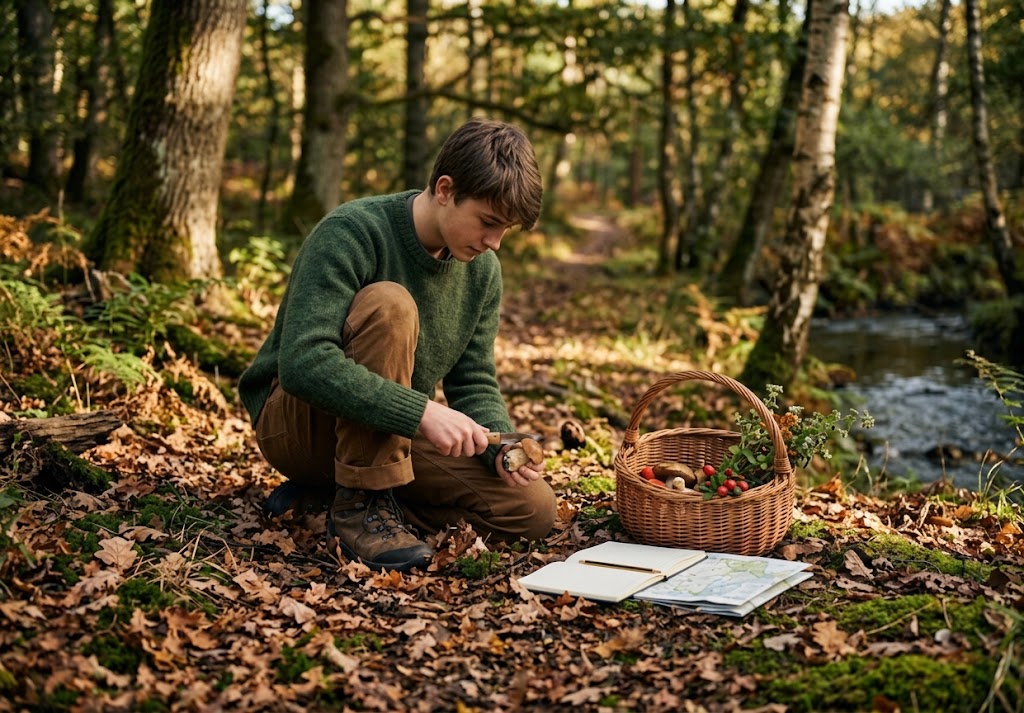
Instead, encourage Scouts to photograph what they see, make notes in a nature journal or sketch plants and animals.
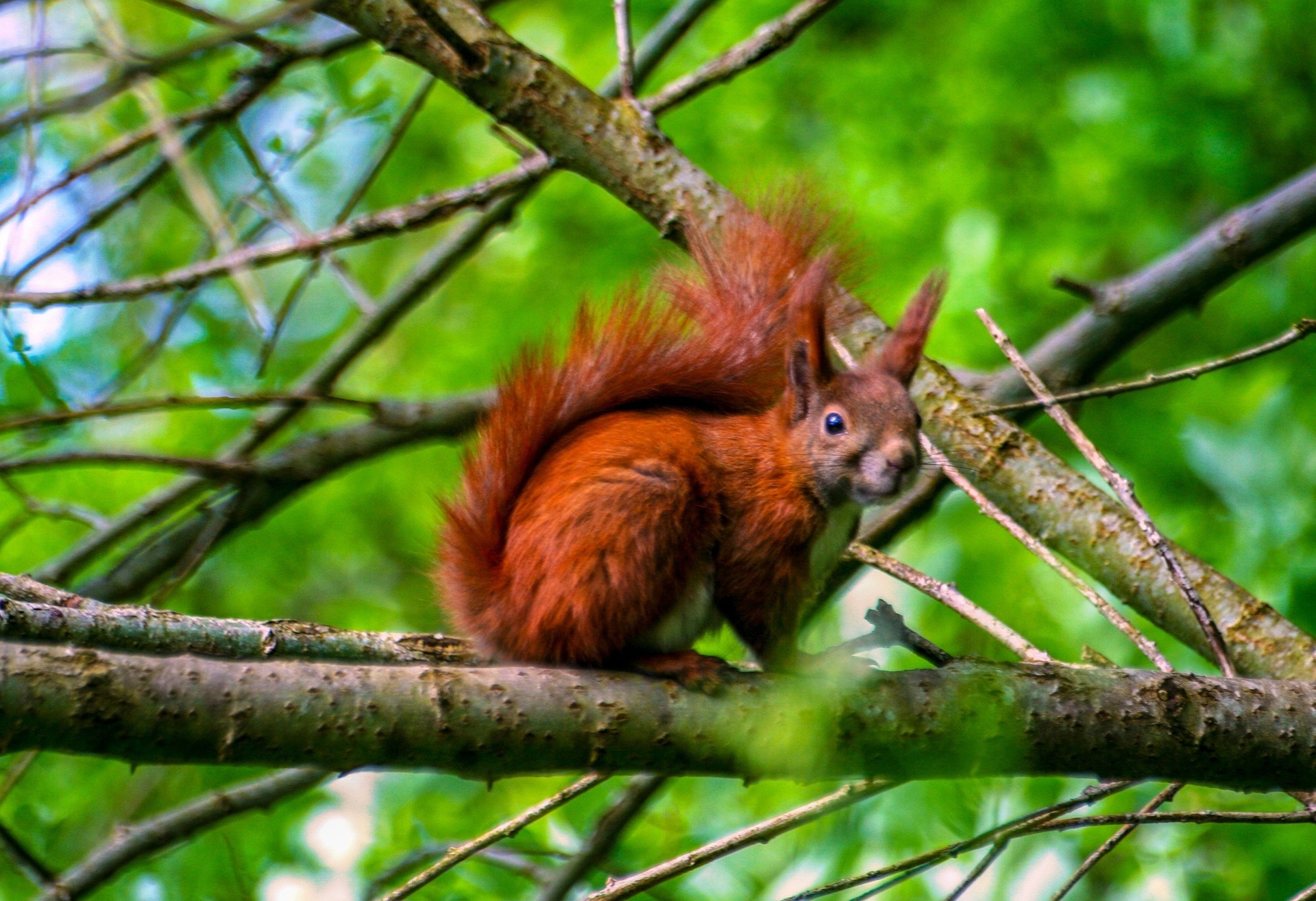
If you find an interesting animal, give it plenty of space and allow it to move away naturally.
Nests, dens, burrows and other signs of animal activity should be observed from a safe distance. Never deliberately disturb wildlife to get a better photograph.
Looking After Plants
Plants are an important part of every habitat. They provide food, shelter and nesting material for wildlife, while also helping to stabilise soil and support wider ecosystems.
Scouts should avoid picking wild flowers or removing plants unless a properly organised conservation project specifically requires it and appropriate permission has been obtained.
Don’t dig up plants to take home and avoid trampling vegetation unnecessarily.
Learning to identify plants is a much better way to appreciate them. A Scout can photograph a flower, study its leaves and habitat, and try to identify it later using a field guide or trusted identification resource.
Remember that some plants can cause skin irritation or may be poisonous, so unidentified plants should never be eaten.
Trees and Woodland Conservation
Woodlands are valuable habitats for a huge range of species.
When visiting woodland, Scouts should avoid climbing on fragile trees, damaging bark or breaking living branches. Fallen branches and dead wood may look untidy, but they can be an important part of the woodland ecosystem.
Dead trees can also be hazardous, particularly during strong winds, so groups should follow site rules and stay away from dangerous areas.
A conservation activity might involve planting trees, removing invasive vegetation, collecting litter or helping to maintain paths. Such work should be carried out as part of an organised project with appropriate permission and supervision.
Tree planting can be useful, but good conservation is not simply about planting as many trees as possible. Choosing the right species and the right location matters, and protecting existing habitats can sometimes be more valuable than creating new woodland.
Helping Pollinators
Bees, butterflies, hoverflies and other insects play an important role in many ecosystems.
Scouts can learn about pollinators by looking for insects visiting flowers and recording which plants they use.
If you have permission to improve an area around a Scout hut, campsite or community space, creating suitable flowering areas can provide useful habitat. Native plants appropriate to the local area can be a good choice.
Avoid introducing plants into wild areas without expert advice. A plant that is helpful in one setting can become invasive or unsuitable somewhere else.
Simple actions such as allowing suitable areas of grass to grow longer, planting appropriate flowers and avoiding unnecessary disturbance can make outdoor spaces more useful for insects.
Conservation and Litter
Litter is one of the most visible environmental problems Scouts can help tackle.
A litter-picking activity can make an immediate difference to a campsite, park, woodland edge, beach or community area. It can also help Scouts understand how much waste can accumulate in places that initially appear clean.
However, litter picking needs to be properly planned.
Scouts should use suitable gloves or litter-picking equipment, avoid sharp objects and never handle unknown substances, animal droppings or potentially hazardous waste. Younger Scouts may need particularly close supervision.
Have a clear system for collecting and disposing of waste, and check whether the landowner or local authority has any requirements before starting.
Wildlife Observation as Conservation
You don’t always need to physically change a habitat to take part in conservation.
Learning about wildlife can encourage people to value and protect it.
A Scout group could keep a simple wildlife record for a campsite or local area, recording birds, insects, mammals, plants or animal tracks seen during different seasons.
Photography can be particularly useful. Scouts can photograph wildlife without disturbing it and compare observations over time.
For example, a group might record which birds visit a particular area in spring, summer, autumn and winter. Over several months, this can create a useful picture of how the local environment changes.
Taking Part in Conservation Projects
Many conservation tasks are best completed as part of an organised project.
Local nature reserves, parks, woodland managers, wildlife organisations and community groups may run practical conservation activities. These could include habitat management, invasive species control, tree care, litter collection or maintaining paths.
For Scouts, organised projects have an additional advantage: leaders can work with people who understand the site and its conservation needs.
Before arranging a project, check who owns or manages the land and obtain the necessary permission. Make sure the task is suitable for the age and abilities of the Scouts and that the leader has considered supervision, equipment and first aid arrangements.
Some conservation tasks involve tools, water, uneven ground, insects or potentially hazardous vegetation, so a proper risk assessment is important.
Invasive Species
An invasive species is a plant or animal that has been introduced to an area where it can cause harm to native wildlife or habitats.
Not every non-native species is invasive, but some can spread rapidly and compete with native species.
Scouts may encounter invasive plants while outdoors. They should not attempt to remove them simply because they recognise them. Pulling up, cutting or transporting some species without the correct method can make the problem worse.
Instead, record what has been seen and report it to the site manager or appropriate conservation organisation.
A conservation activity involving invasive species should always be organised and supervised by people who know how the particular species should be managed.
Ticks and Outdoor Conservation Activities
Conservation work often involves spending time in grassland, woodland, heathland and areas of long vegetation.
Ticks can be present in these habitats, so Scouts and leaders should take sensible precautions. Wear suitable clothing, check exposed skin after activities and carry out a tick check after spending time in areas where ticks may be present.
Scouts should know to tell an adult if they find a tick attached to their skin.
Conservation activities should also take account of weather, terrain, water, stinging insects and other site-specific hazards.
A Simple Scout Conservation Activity
A conservation session doesn’t have to involve complicated equipment.
Try a Wildlife Habitat Survey.
Choose a safe area around your meeting place, campsite or another suitable location where you have permission to explore. Divide Scouts into small groups and ask them to look for signs of wildlife without disturbing anything.
They could record:
After the survey, bring everyone together and discuss what they found.
Ask Scouts which parts of the area seem most useful to wildlife and whether there are any problems that could be addressed.
This can lead naturally into a practical conservation project, such as a supervised litter collection or habitat improvement task.
Conservation Games and Challenges
Conservation can also be made into an active Scout challenge.
For example, give teams a list of things to find or photograph, such as a tree with rough bark, evidence of an animal, a pollinating insect, a fallen log, a seed, a bird or an example of human impact on the environment.
The aim should be observation rather than collecting.
You could also challenge Scouts to identify three different habitats within a defined area and explain what wildlife might use each one for.
These activities encourage Scouts to slow down and look carefully at their surroundings rather than simply walking through an area.
Conservation at Camp
Camps provide plenty of opportunities to practise responsible environmental behaviour.
Use established camping areas where possible and follow the site’s rules. Avoid damaging vegetation when putting up tents, cooking or running activities.
Keep washing areas, food preparation and waste disposal organised and make sure nothing is left behind when the group leaves.
Fires and stoves require particular care. Only use fires where they are permitted and follow the site’s rules. Never leave a fire unattended and make sure it is completely extinguished before leaving.
A good campsite should show as little unnecessary impact as possible when the group has packed up.
The Leave No Trace Approach
A useful principle for Scouts is to leave an area in at least as good a condition as you found it.
This means taking litter home, avoiding unnecessary damage, respecting wildlife and other visitors, and following local regulations.
Sometimes the best conservation action is simply not doing something.
Don’t enter a sensitive area just to get a closer look at wildlife. Don’t pick a plant because it looks interesting. Don’t move an animal because you think it is in the wrong place.
Responsible outdoor behaviour allows other people to enjoy the area while giving wildlife the space it needs.
Conservation Is About More Than Wildlife
It can be easy to think of conservation as simply protecting animals, but healthy ecosystems depend on many different things working together.
Plants, fungi, insects, birds, mammals, soil, water and microorganisms all have roles to play.
A fallen tree, a patch of moss, a muddy pond edge or an area of long grass might appear insignificant, but each can provide habitat or resources for different species.
Understanding these connections helps Scouts see the countryside differently. Instead of asking only, “What animals can we see?”, they can start asking, “What does this habitat provide?”
That change in perspective is an important part of learning about conservation.
Making Conservation Part of Scout Activities
Conservation doesn’t need to be a one-off project.
A group could make nature observation part of regular hikes, maintain a wildlife log at a campsite, organise an annual litter-picking session or work with a local conservation group.
You could also link conservation with other Scout skills. Tree identification can lead into woodland conservation, animal tracks can lead into habitat discussions, and hiking activities can include learning how to minimise environmental impact.
This makes conservation a practical part of outdoor Scouting rather than something that only happens during a dedicated environmental activity.
Final Thoughts
Conservation starts with paying attention.
Scouts who learn to recognise habitats, notice wildlife and understand how their actions affect the environment are better equipped to enjoy the outdoors responsibly.
Whether it’s picking up litter, recording wildlife, protecting plants, taking part in a supervised conservation project or simply leaving a habitat undisturbed, small actions can make a difference.
The aim isn’t to turn every Scout into a conservation expert. It’s to help young people develop respect for the natural world and understand that they have a part to play in looking after it.
🔒Ready to test your survival skills?
Join Survival Guides UK for free, complete challenges, earn badges and increase your Survival Level.
JOIN FREE →
CRAIG BURR
FOUNDER · SURVIVAL GUIDES UK
I'm Craig, the person behind Survival Guides UK. I created SGUK because I wanted somewhere people could learn real outdoor skills in a practical, straightforward way — from lighting a fire and tying knots to navigation, campcraft and everything in between.
You can read more about the story behind SGUK here as well as our approach here.