Environmental Responsibility: Making Outdoor Adventures More Sustainable
Spending time outdoors gives Scouts the chance to explore nature, learn practical skills and enjoy new experiences. But every outdoor activity has an impact on the environment, whether it is a short walk, a weekend camp or a large Scout event.
Environmental responsibility means thinking about that impact and making sensible choices to reduce unnecessary damage and waste.
For Scouts, this doesn’t mean giving up the activities they enjoy. It means learning how to camp, hike, travel and explore in a way that respects the places they visit.
Small changes can make a real difference, especially when good habits become part of every outdoor adventure.
What Is Environmental Responsibility?
Environmental responsibility means recognising that our actions can affect the natural environment and taking reasonable steps to reduce negative impacts.
This could include taking litter home, avoiding unnecessary damage to vegetation, using water carefully, reducing waste, choosing equipment that lasts and respecting wildlife.
It also means understanding that different places have different needs. An action that is harmless in one location may cause problems somewhere else.
The best approach is to find out what rules and guidance apply to the place you’re visiting and follow them.
Why Does Environmental Responsibility Matter?
The countryside is shared by people, plants and wildlife.
Popular walking routes, campsites, beaches, forests and nature reserves can receive large numbers of visitors. If everyone leaves litter, damages vegetation or ignores local rules, the combined impact can become significant.
Responsible behaviour helps protect habitats and keeps outdoor areas enjoyable for everyone.
It also teaches Scouts an important lesson: enjoying the outdoors comes with responsibilities as well as freedoms.
Plan Before You Go
Environmental responsibility starts before leaving home.
Think about where you’re going, what facilities are available and what rules apply. A campsite may have specific arrangements for waste, fires, vehicles, water use or recycling.
Check whether you need permission to carry out activities and whether there are areas that should be avoided because of sensitive habitats, nesting wildlife or seasonal restrictions.
Planning can also help reduce waste. Taking reusable equipment, packing appropriate quantities of food and avoiding unnecessary packaging can make a trip simpler as well as more environmentally responsible.
For Scout leaders, include environmental considerations when planning activities and completing risk assessments.
Stick to Appropriate Paths and Areas
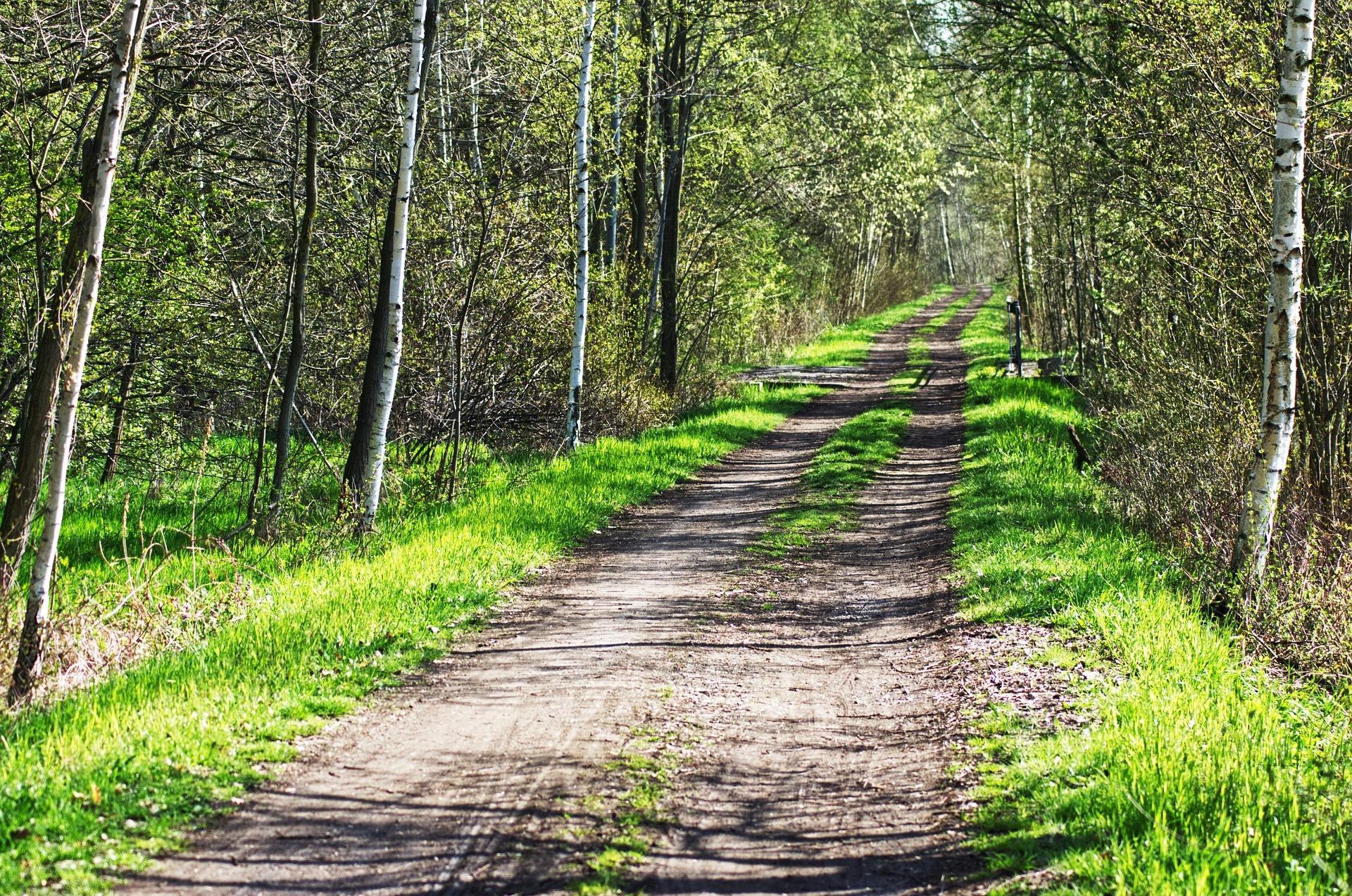
Walking around the countryside can cause damage when people repeatedly leave established paths.
This is particularly noticeable in areas with fragile vegetation, wet ground, dunes, heathland or steep slopes.
Follow marked routes and local instructions. If a route is closed or an area is restricted, use the alternative provided rather than creating your own path.
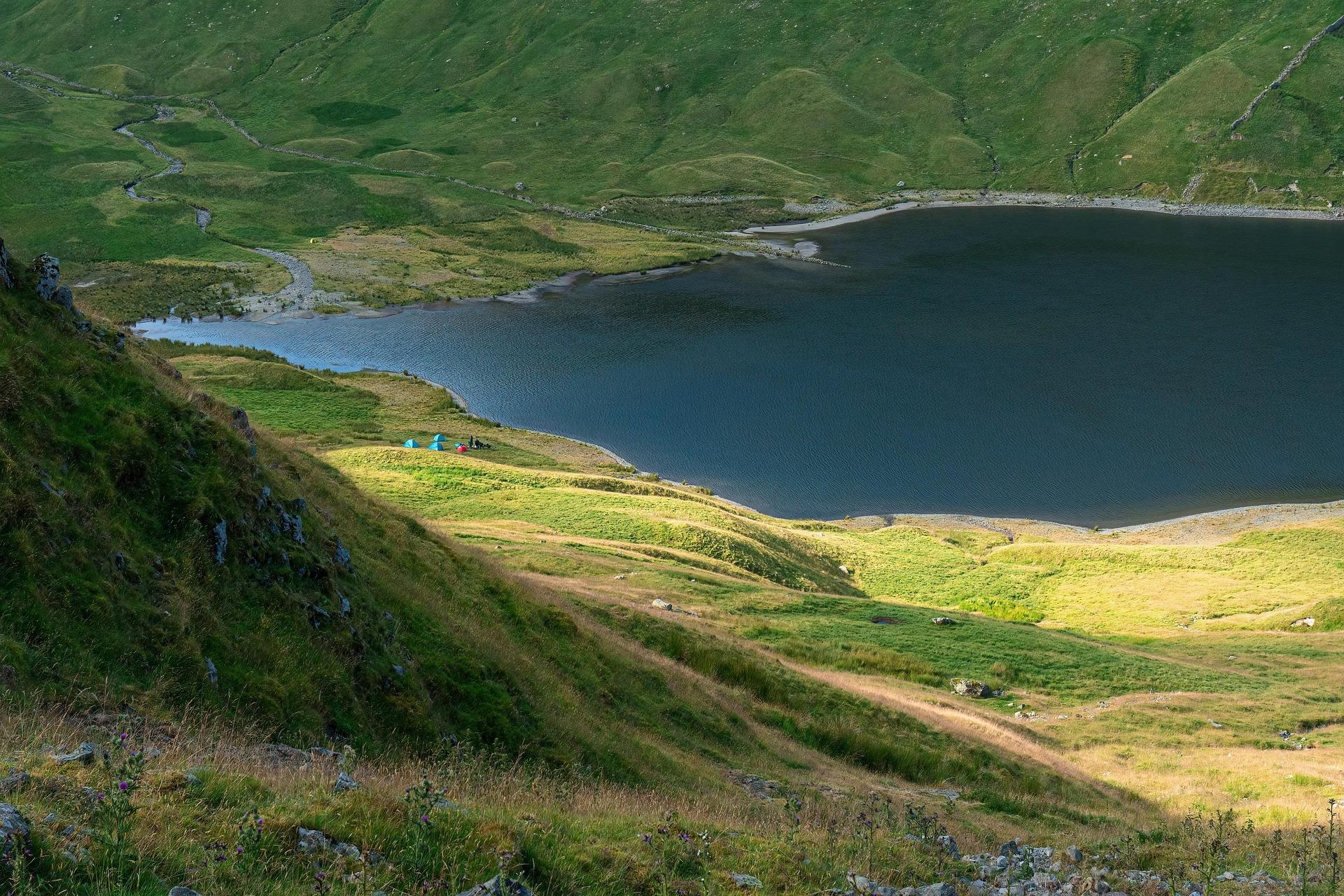
At campsites, use designated camping and activity areas wherever possible.
The aim isn’t to avoid exploring. It is to explore in a way that minimises unnecessary damage.
Leave Plants and Natural Features Alone
It can be tempting to pick an unusual flower, collect interesting stones or break a branch from a tree while exploring.
In most situations, the better choice is to leave natural features where they are.
Plants provide food and shelter for wildlife, while fallen branches, dead wood, rocks and leaf litter can all form part of a habitat.
Encourage Scouts to photograph interesting finds rather than collecting them.
There may be circumstances where organised activities involve collecting natural materials, but this should only happen where it is appropriate, permitted and part of a planned activity.
Respect Wildlife
Seeing wildlife can be one of the highlights of an outdoor adventure.
Give animals plenty of space and avoid chasing, cornering or deliberately approaching them. Wildlife should be observed rather than handled whenever possible.
Never deliberately disturb nests, dens, burrows or other places where animals may be sheltering.
If you find an animal that appears injured or distressed, don’t automatically try to pick it up. Keep your distance and seek appropriate advice from a responsible adult, land manager or wildlife organisation.
Photography and binoculars can be excellent ways to get a closer look without physically getting closer.
Keep Dogs Under Control
Dogs can be part of family walks and some outdoor activities, but they can also disturb wildlife and livestock.
Follow local requirements about leads and keep dogs under control around livestock, nesting birds and other wildlife.
Even a friendly dog running through vegetation can cause disturbance or damage.
If you’re organising a Scout activity where dogs may be present, make sure everyone understands the site’s rules and consider whether dogs are appropriate for the activity.
Take Your Litter Home
One of the simplest environmental responsibilities is dealing properly with waste.
If there are no suitable bins, take your rubbish home with you rather than leaving it behind.
This includes food scraps, tissues, packaging, drinks containers and small pieces of waste that can easily be overlooked.
Food waste should not normally be thrown into the countryside. Even when something seems natural, leaving it behind can attract wildlife to areas where they would not normally feed and can create problems for other visitors.
As a useful Scout habit, carry a small bag for personal rubbish during hikes and activities.
Reduce Single-Use Waste
Outdoor activities can generate a surprising amount of packaging.
Using reusable water bottles, food containers and cutlery can reduce the amount of rubbish produced during camps and day activities.
When buying equipment or food for a group, consider whether products can be purchased with less unnecessary packaging.
This doesn’t mean that every Scout needs expensive specialist equipment. Simple, durable items that can be used repeatedly are often a practical choice.
Use Water Responsibly
Water is essential when camping and spending time outdoors, but it should be used thoughtfully.
Avoid leaving taps running unnecessarily and use only the amount of water you need.
At campsites, follow the site’s instructions for washing, drinking water and wastewater disposal. Don’t assume that natural streams, ponds or rivers are suitable places to wash equipment or dispose of waste.
Water that has been used for washing or cleaning should be disposed of according to local campsite or landowner guidance.
Never contaminate natural water sources with soap, food waste, chemicals or other substances.
Responsible Cooking and Fires
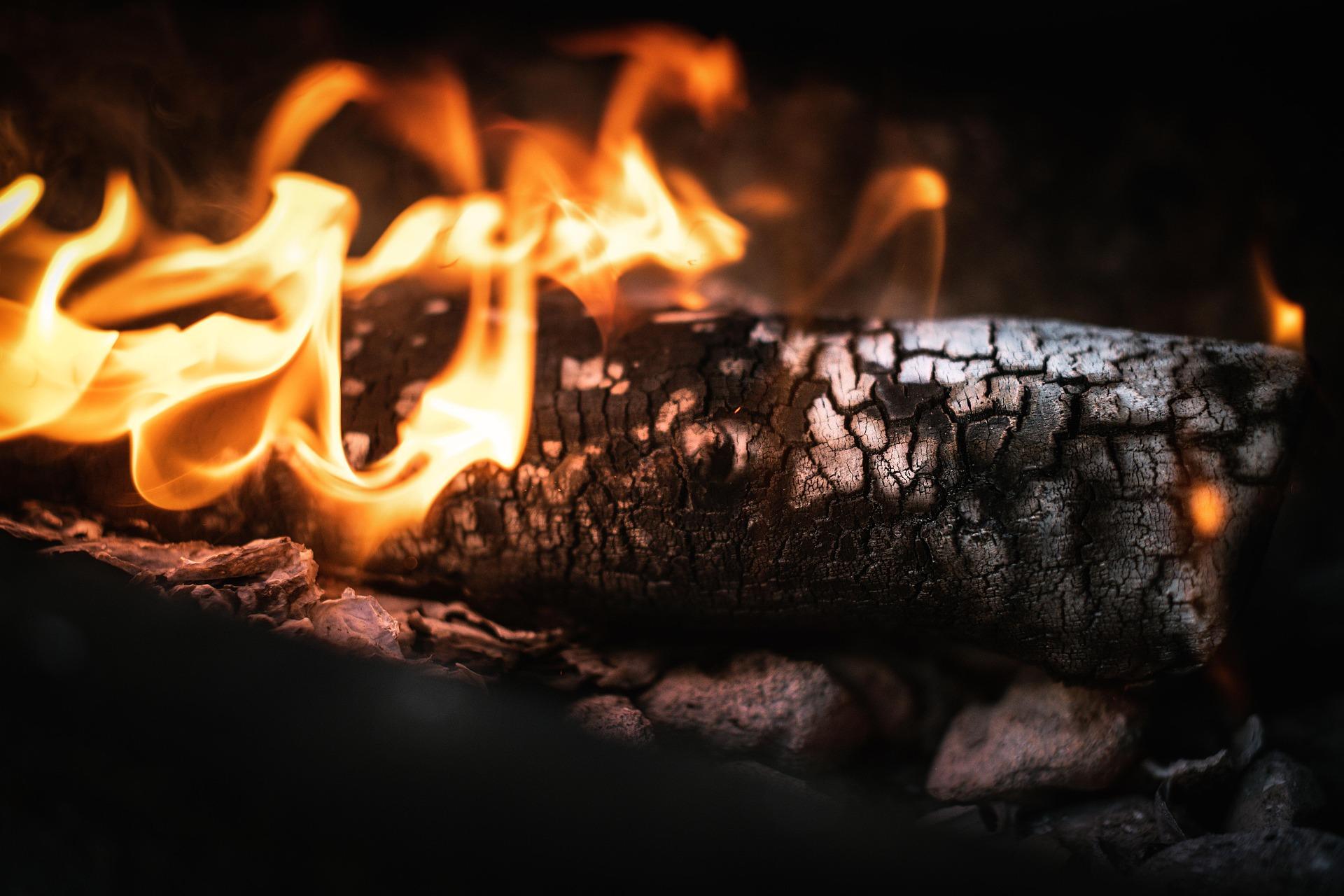
Cooking outdoors is an important Scout skill, but fires and stoves need to be used responsibly.
Only light a fire where fires are permitted and follow the rules of the campsite or landowner.
Use established fire areas where provided rather than creating new fire sites.
Keep fires under control, use suitable fuel and make sure they are completely extinguished when finished. Don’t burn rubbish, plastic or other materials that could release harmful substances or leave behind unsuitable waste.
Stoves can be a useful alternative to open fires, particularly where fires are restricted or inappropriate.
Environmental responsibility and fire safety often go together: a well-managed cooking area is safer and usually has less impact on the surrounding environment.
Choosing and Looking After Equipment
Buying outdoor equipment that lasts can reduce waste over time.
This doesn’t mean choosing the most expensive product. Look for equipment that is appropriate for the activity, durable enough for its intended use and repairable where possible.
Looking after equipment is just as important.
Clean muddy boots, dry tents properly, check waterproof clothing and maintain tools after use. Repairing a damaged item may be preferable to replacing it immediately, provided it remains safe to use.
However, never continue using equipment simply to avoid waste if it has become unsafe. Damaged equipment should be removed from use and replaced or repaired appropriately.
Think About Transport
Travel can form a significant part of the environmental impact of an outdoor activity.
Where practical, consider whether a group can share transport, use public transport or walk or cycle to a suitable local activity.
For Scout leaders, choosing a nearby location can sometimes be better than travelling a long distance for an activity that could be carried out locally.
Transport choices will depend on the age of the Scouts, equipment required, accessibility and the location of the activity. Environmental responsibility should be balanced with safety and practicality.
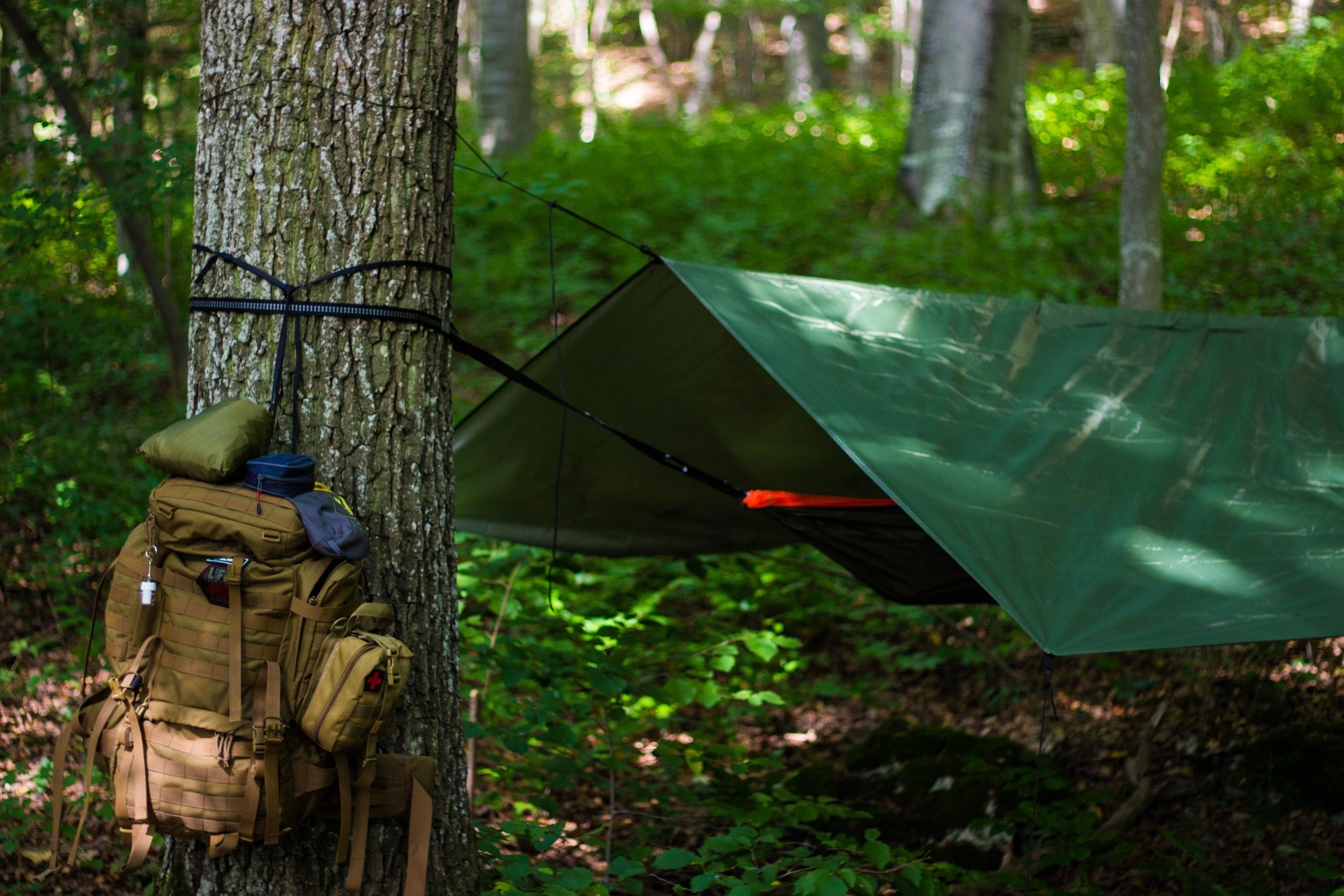
Camping Responsibly
Camping provides an excellent opportunity to practise environmental responsibility.
Use designated pitches and activity areas, keep equipment organised and avoid damaging vegetation.
Keep food and rubbish secure so that wildlife cannot get into it.
Follow the campsite’s instructions for toilets, washing, fires, wastewater and waste disposal.
At the end of camp, carry out a thorough check of the site. Look for small pieces of litter, tent pegs, cable ties, food scraps and other items that might have been missed during packing.
The goal should be to leave the campsite clean and ready for the next group.
Keep Noise Under Control
Environmental responsibility isn’t only about physical damage and rubbish.
Noise can also affect wildlife and other visitors.
A loud group can disturb animals, particularly in quieter habitats and during sensitive periods such as nesting seasons.
Scout groups should follow campsite quiet hours and be considerate of other people.
Outdoor activities can be fun and energetic without needing to be noisy all the time. Learning when to be quiet can also make wildlife observation much more successful.
Be Careful Around Water
Rivers, ponds, lakes and the sea can be attractive places for outdoor activities, but they also need particular care.
Avoid throwing objects into water or disturbing plants and wildlife around the edges.
Never release fish, insects, plants or other animals into a different waterway.
Don’t move wildlife from one pond or stream to another. Even apparently harmless actions can spread diseases or introduce species into places where they do not belong.
Always follow local rules and leader instructions around water.
Avoid Introducing Invasive Species
Moving soil, plants, seeds, animals or contaminated equipment between locations can sometimes spread invasive species or diseases.
This is one reason cleaning boots, bikes, camping equipment and other outdoor gear can be important after visiting certain environments.
If a site provides specific instructions about cleaning equipment or footwear, follow them.
Scouts should never introduce plants or animals into the wild simply because they think they would be beneficial.
Nature works as a connected system, and introducing a species into a new environment can have unexpected consequences.
Use Natural Resources Carefully
Outdoor activities often rely on natural resources.
Wood may be used for fires, water is needed for drinking and cleaning, and plants and soil can be affected by camping and walking.
Use only what is necessary and follow local rules.
Don’t collect firewood from woodland unless this is specifically permitted. Fallen wood can be part of the habitat and may be needed by insects, fungi and other organisms.
If a campsite provides firewood, use that rather than collecting your own.
Environmental Responsibility on Hikes
Hiking is one of the simplest outdoor activities, but it still creates an environmental impact.
Stay on appropriate paths, keep groups together, take rubbish home and avoid disturbing wildlife.
Don’t carve names into trees, build unnecessary structures or move natural features to create games.
If you stop for lunch, choose a suitable place rather than spreading the group across fragile vegetation.
For larger groups, consider how many people will be using the same area and whether the location is suitable for the activity.
Environmental Responsibility at Scout Camps
A Scout camp can provide a useful opportunity to practise sustainable habits throughout the weekend.
Set up clearly labelled waste and recycling arrangements where appropriate. Plan food carefully to reduce unnecessary waste and store food securely.
Encourage Scouts to turn taps off, use water sensibly and look after shared equipment.
At the end of camp, involve Scouts in checking the site rather than leaving all the responsibility to the leaders.
This can turn environmental responsibility into a practical Scout skill rather than simply a set of rules.
Making Environmental Responsibility a Scout Challenge
Environmental responsibility can be turned into a simple challenge for a Scout group.
Ask teams to identify ways they can reduce the impact of a hypothetical weekend camp.
They might consider transport, food, water, waste, cooking, equipment and activities.
Each team can then explain its ideas and discuss which changes would be easiest to introduce in real life.
Another option is a Leave No Trace Challenge, where Scouts complete a normal outdoor activity and then inspect their area before leaving.
Can they find any rubbish? Has vegetation been damaged? Have all pieces of equipment been collected? Is the area ready for the next visitors?
The activity encourages Scouts to think about their impact rather than simply being told to minimise it.
Don’t Expect Perfection
Environmental responsibility is about making sensible improvements, not achieving perfection.
There will be situations where the most environmentally friendly option isn’t practical. A group may need to drive because of equipment, accessibility or the location of an activity. Disposable items may sometimes be necessary for hygiene or safety.
The important thing is to think about the choices available and avoid unnecessary impact where reasonably possible.
Safety should always come first. Environmental considerations should never lead people to take unsafe shortcuts.
Teaching Environmental Responsibility Through Example
Scouts are more likely to develop good habits when environmental responsibility is part of normal group behaviour.
If leaders take their rubbish home, respect wildlife, use equipment carefully and follow campsite rules, Scouts see those behaviours in practice.
Simple habits repeated over time can become second nature.
Rather than presenting environmental responsibility as a long list of restrictions, explain the reason behind the choices.
“Stay on the path because we’re protecting fragile vegetation” is more meaningful than simply saying “Don’t go over there.”
A Simple Environmental Checklist
Before leaving an outdoor location, take a few minutes to check the area.
Have all rubbish and food waste been removed?
Has all equipment been collected?
Have fires and stoves been dealt with safely?
Have tents, shelters and activity areas left unnecessary damage?
Have Scouts avoided disturbing wildlife?
Have you followed the site’s instructions for waste and wastewater?
Is there anything that needs to be reported to the landowner or campsite manager?
This final check takes very little time but can prevent many avoidable problems.
Final Thoughts
Environmental responsibility is about enjoying the outdoors while recognising that we share it with wildlife, other people and future generations.
Scouts don’t need to become environmental experts to make a difference. Taking litter home, respecting wildlife, protecting vegetation, using resources carefully and looking after equipment are all practical ways to reduce unnecessary impact.
The most useful lesson is to think before acting.
Before you camp, ask how you can minimise your impact. Before you move something in nature, ask whether it needs moving. Before leaving, look back and make sure you haven’t left anything behind.
These simple habits help Scouts become more responsible outdoor users and ensure that the countryside remains somewhere people can explore and enjoy for years to come.
🔒Ready to test your survival skills?
Join Survival Guides UK for free, complete challenges, earn badges and increase your Survival Level.
JOIN FREE →
CRAIG BURR
FOUNDER · SURVIVAL GUIDES UK
I'm Craig, the person behind Survival Guides UK. I created SGUK because I wanted somewhere people could learn real outdoor skills in a practical, straightforward way — from lighting a fire and tying knots to navigation, campcraft and everything in between.
You can read more about the story behind SGUK here as well as our approach here.