Leave No Trace Principles UK: Responsible Outdoor Skills
Activity Overview
Difficulty: Easy
Time: 15–30 minutes to learn; ongoing practice
Location: Countryside, woodland, campsite, hills, beaches and other outdoor areas
Best for: Cubs, Scouts, Explorers, Patrol Leaders and outdoor enthusiasts
Skills: Environmental awareness, responsible camping, conservation, planning and outdoor ethics
The Leave No Trace principles are a simple way of reducing the impact you have when enjoying the outdoors.
The idea is straightforward: enjoy the outdoors while leaving the place as you found it, or as close to that as possible.
The seven principles are:
- Plan ahead and prepare.
- Travel and camp on durable surfaces.
- Dispose of waste properly.
- Leave what you find.
- Minimise campfire impacts.
- Respect wildlife.
- Be considerate of other people.
These principles were developed as a framework for responsible outdoor recreation. They are particularly useful when camping, hiking and exploring places where damage can accumulate quickly.
What You’ll Learn
You’ll learn how to reduce your impact when walking and camping outdoors, how to deal with rubbish and human waste, why you shouldn’t collect natural objects and how to behave around wildlife and other people.
You’ll also learn why planning ahead is an important part of protecting the environment rather than simply something that happens before a trip.
🟢 SAFETY – LOW RISK
Following Leave No Trace principles is generally low risk.
Some activities associated with low-impact camping can involve additional hazards, particularly cooking, fires, water, tools and waste disposal.
Environmental responsibility should never take priority over immediate personal safety. If following a particular practice would put someone at risk, use a safer alternative.
Always follow local restrictions, land-management requirements and campsite rules.
Equipment
You don’t need specialist equipment to follow Leave No Trace principles.
For hiking and camping, useful items include rubbish bags, reusable water bottles, food containers and suitable camping equipment.
A trowel may be appropriate for backcountry sanitation where this is permitted and suitable, but human-waste arrangements vary considerably between locations. Where toilets or other facilities are provided, use them.
Good planning is often more important than carrying additional equipment.
Prerequisites
No previous experience is required.
Before heading outdoors, find out about the place you’re visiting and any restrictions that apply.
Check whether you need to use designated paths or campsites, whether fires are permitted and how waste and toilets are managed.
The principles are a framework rather than a replacement for local rules.
Instructions
1. Plan Ahead and Prepare
Leave No Trace begins before you leave home.
Find out about the route, weather, terrain, access arrangements and facilities at your destination.
Consider how many people are going, what equipment you need and how you will deal with food, water and waste.
Planning also helps prevent unnecessary damage. For example, arriving at a popular campsite without knowing where you are allowed to camp can lead to poor decisions that damage vegetation.
2. Travel on Durable Surfaces
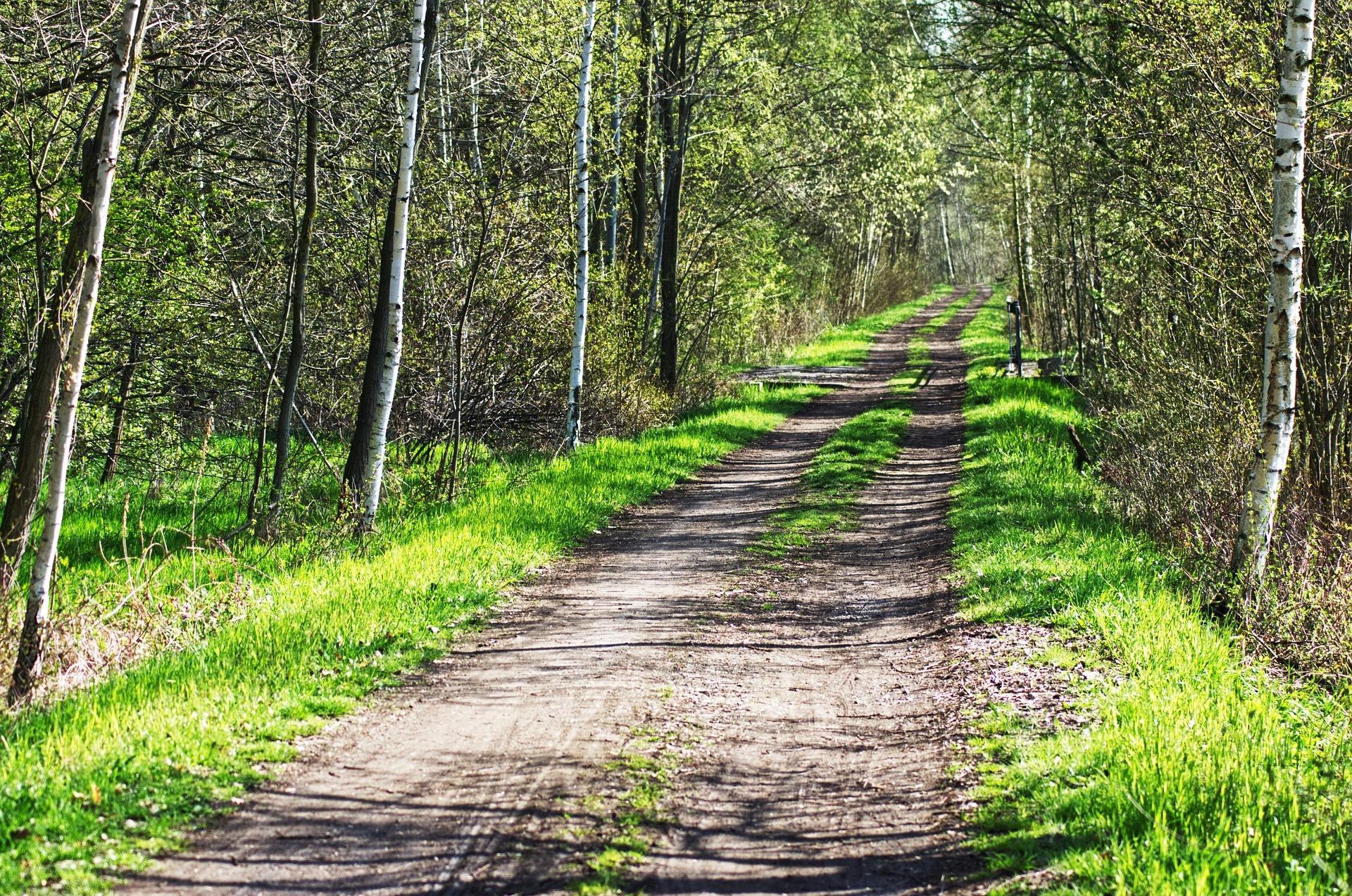
Stick to established paths and appropriate routes wherever possible.
Repeated walking can damage vegetation and create informal tracks. In sensitive areas, even a small amount of additional foot traffic can contribute to erosion.
When a designated path exists, use it rather than creating your own shortcut.
In muddy conditions, don’t automatically walk around every wet patch. Repeatedly going around obstacles can gradually widen the path and damage the surrounding ground.
The appropriate approach depends on the terrain and local guidance.
3. Camp on Suitable Ground
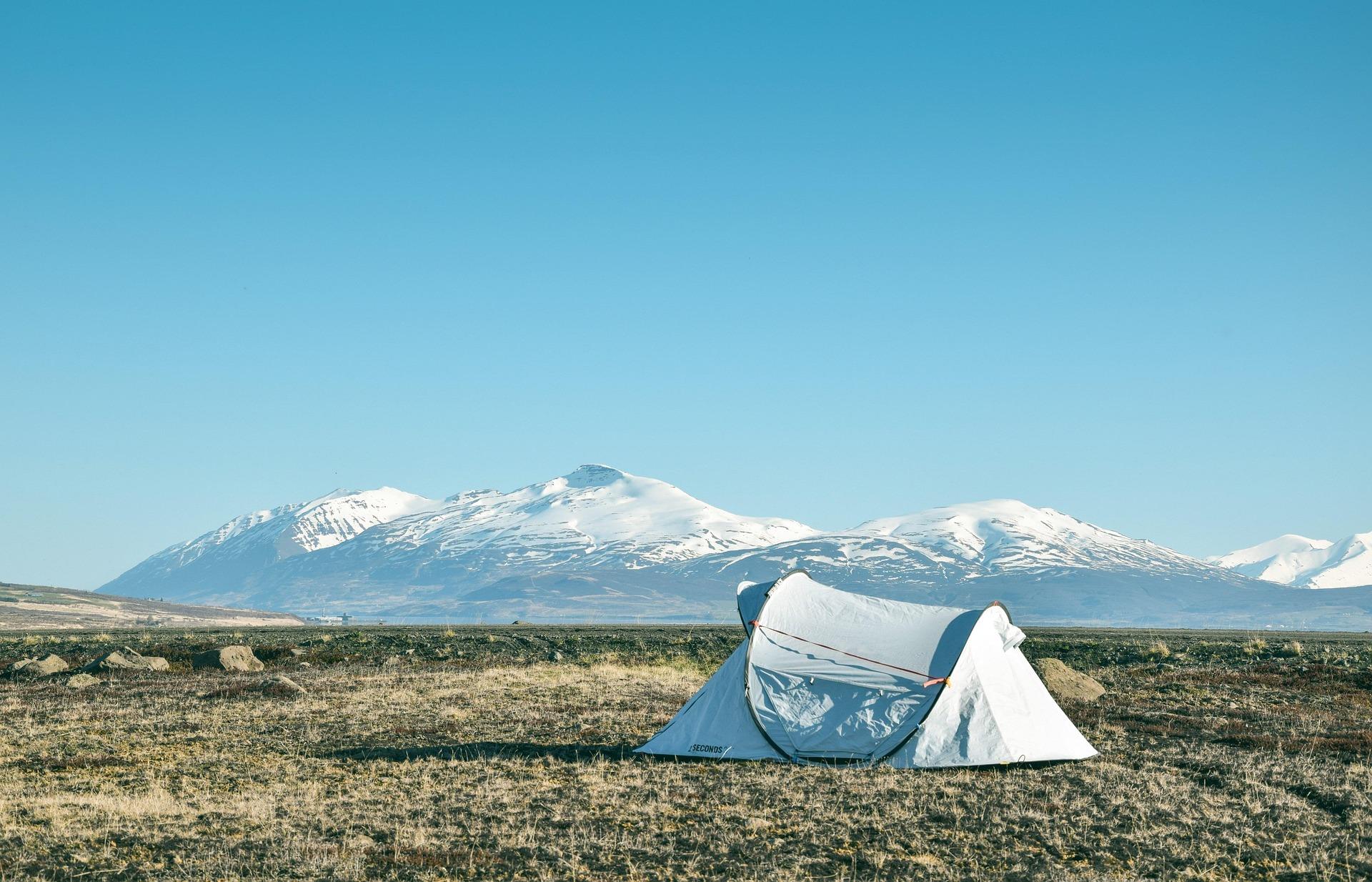
When camping, use established campsites where they are provided and appropriate.
In remote areas where wild camping is permitted, choose a location that can tolerate use without causing unnecessary damage.
Avoid fragile vegetation and sensitive areas.
A good campsite should not leave a lasting impression once you’ve packed up and moved on.
4. Dispose of Waste Properly
The simplest rule is:
If you brought it in, take it out.
Pack rubbish away securely and take it home or to an appropriate disposal point.
Don’t bury food packaging, tins, plastic or other rubbish.
Food scraps should also be dealt with properly. Leaving food behind can attract wildlife and encourage animals to associate people with food.
Think about waste before the trip as well. Choosing reusable containers and reducing unnecessary packaging means there is less to carry out afterwards.
5. Deal With Human Waste Responsibly
Human waste needs particular care.
Where toilets are available, use them.
In remote locations without facilities, follow the local guidance and accepted practices for that area. Requirements can vary depending on the environment, land management and sensitivity of the site.
Toilet paper and hygiene products should never simply be left on the ground.
If you’re unsure about the appropriate arrangements for a particular location, find out before setting off.
6. Leave What You Find
It can be tempting to take home an interesting stone, plant, feather, shell or piece of wood.
The Leave No Trace approach is to leave natural objects where you find them.
A single object might seem insignificant, but the cumulative effect of thousands of visitors removing things from the same environment can be considerable.
Take photographs instead.
The same principle applies to archaeological remains, historic features and other objects that may have cultural or historical importance.
7. Minimise Campfire Impacts
Campfires can be enjoyable, but they can also cause significant environmental damage.
Follow local rules and restrictions first. In many places, fires may not be appropriate or permitted.
Where fires are allowed, use established fire areas where possible and keep the fire appropriately sized.
Never leave a fire unattended and make sure it is completely extinguished before leaving.
A stove is often a lower-impact alternative to a campfire for cooking.
Don’t cut living trees or damage vegetation for firewood. If collecting dead wood is permitted, follow local guidance.
8. Respect Wildlife
Watch wildlife from a distance rather than approaching it.
Don’t feed wild animals, chase them or attempt to handle them.
Keep dogs under appropriate control where they are permitted and follow local restrictions, particularly around livestock and sensitive wildlife.
During nesting or breeding seasons, some areas may require additional care.
Remember that you are visiting the animals’ environment — they shouldn’t have to change their behaviour because you’ve arrived.
9. Protect Water Sources
Keep water sources clean.
Don’t wash dirty equipment, use soap or dispose of waste directly in streams, lakes or other natural water.
When camping, keep cooking and washing activities appropriately separated from water sources and follow local guidance.
Where water needs to be treated for drinking, use an appropriate purification method rather than assuming clear-looking water is safe.
10. Keep Noise Under Control
The outdoors isn’t necessarily silent, but excessive noise can affect wildlife and other visitors.
Keep voices and music at a reasonable level, particularly in remote areas and at campsites.
At night, be considerate of people nearby.
One of the simplest ways to enjoy the outdoors responsibly is to remember that other people are there to enjoy it too.
11. Respect Other People
Share paths and outdoor spaces considerately.
Give way appropriately, keep groups under control and avoid blocking narrow paths.
Follow the Countryside Code and any local access arrangements.
Responsible outdoor behaviour isn’t just about protecting plants and wildlife. It’s also about respecting landowners, local communities and other visitors.
12. Leave Your Campsite Better Than You Found It
Before leaving, carry out a final check.
Look around the area for:
Don’t assume something is biodegradable simply because it comes from a natural-looking material.
Pack everything away and leave the area clean.
If you find rubbish left by someone else and can safely carry it out, doing so can help leave the area better than you found it.
Applying Leave No Trace on a UK Hike
The principles are particularly easy to apply on a day hike.
Stay on appropriate paths, keep gates and access points as you find them, take rubbish home and avoid disturbing wildlife.
Don’t pick wildflowers or damage vegetation simply to create a better photograph.
If you’re hiking as a Patrol or group, make environmental responsibility part of the activity rather than leaving it entirely to the leader.
Applying Leave No Trace at Camp
Camping creates more opportunities to affect the environment because you’re staying in one place for longer.
Think carefully about where you pitch, where you cook, where you wash equipment and how rubbish is stored.
Use established facilities where provided and follow the campsite’s own rules.
Before packing up, carry out a deliberate sweep of the area. Small items such as cable ties, food packaging and tent pegs are surprisingly easy to miss.
Leave No Trace and Younger Scouts
The principles work particularly well as practical outdoor skills.
Rather than simply telling younger Scouts not to leave rubbish behind, explain why it matters.
Ask them what they think would happen if hundreds of people each left one piece of litter behind.
Likewise, when walking through woodland, encourage them to look at the plants and animals without disturbing them.
The aim is to develop a habit of observing rather than interfering.
The Seven Principles at a Glance
|
Principle |
Simple rule |
|---|---|
|
Plan ahead |
Know where you’re going and what you’ll need |
|
Durable surfaces |
Stick to appropriate paths and campsites |
|
Waste |
Take your rubbish with you |
|
Leave what you find |
Look, photograph and leave it there |
|
Campfires |
Follow local rules and minimise impact |
|
Wildlife |
Observe from a distance |
|
Other people |
Share the outdoors considerately |
Final Tip
Leave No Trace isn’t about making the outdoors completely untouched or preventing people from enjoying it.
It’s about recognising that every visitor has an impact and making that impact as small as reasonably possible.
Plan carefully, stay on suitable routes, take your rubbish home, respect wildlife and leave the countryside ready for the next person to enjoy.
🔒Ready to test your survival skills?
Join Survival Guides UK for free, complete challenges, earn badges and increase your Survival Level.
JOIN FREE →
CRAIG BURR
FOUNDER · SURVIVAL GUIDES UK
I'm Craig, the person behind Survival Guides UK. I created SGUK because I wanted somewhere people could learn real outdoor skills in a practical, straightforward way — from lighting a fire and tying knots to navigation, campcraft and everything in between.
You can read more about the story behind SGUK here as well as our approach here.