Responsible Camping UK: How to Camp Without Harming the Outdoors
Activity Overview
Difficulty: Easy
Time: 20–30 minutes to learn; ongoing practice
Location: Campsites, woodland, hills, countryside and other permitted camping areas
Best for: Cubs, Scouts, Explorers, Patrol Leaders, campers and outdoor enthusiasts
Skills: Camping, environmental awareness, campsite management, outdoor ethics and responsible access
Responsible camping means enjoying a camping trip while minimising your impact on the environment and respecting other people.
Choose a campsite or location where camping is permitted, follow local rules, avoid damaging vegetation, manage food and waste properly, respect wildlife, keep noise under control and leave the area clean when you go.
The best campsite is one that looks almost exactly as it did before you arrived.
What You’ll Learn
You’ll learn how to choose a suitable place to camp, how to set up and use a campsite responsibly, and how to minimise your impact while you’re there.
You’ll also learn how to deal with rubbish, toilets, fires, food, wildlife and other campers, as well as how to leave a campsite properly.
🟡 SAFETY – MODERATE RISK
Camping involves a number of potential hazards, including fire, cooking equipment, weather, water, uneven ground, wildlife and other people.
Always follow the rules of the campsite or landowner and use equipment appropriately.
Check the weather before camping and be prepared to change your plans if conditions become unsafe.
Never use camping equipment such as stoves, lanterns or heaters inside a tent unless the equipment is specifically designed and approved for that purpose and the manufacturer’s instructions explicitly permit it. Never use charcoal barbecues inside tents or enclosed spaces because of carbon monoxide risk.
Equipment
Responsible camping doesn’t require specialist environmental equipment.
A suitable tent, sleeping equipment, waterproof clothing and appropriate cooking equipment are the basics.
Reusable bottles, mugs and food containers can help reduce waste. Rubbish bags are essential for taking waste away.
If you’re camping somewhere without toilet facilities, find out the appropriate arrangements before you go rather than assuming you can simply bury waste.
Prerequisites
Before camping, check that you are allowed to camp at your chosen location.
In England and Wales, wild camping generally requires the landowner’s permission, with specific arrangements and exceptions in some areas. Scotland has broader responsible access rights, although these come with responsibilities and exclusions.
Always check the rules applying to the exact location.
For organised camps, make sure you understand the campsite’s rules before arrival.
Instructions
1. Choose the Right Place
The first part of responsible camping is choosing somewhere you’re actually allowed to camp.
Established campsites are usually the simplest option because they provide designated camping areas and facilities.
If you’re considering remote or wild camping, check the access rights and local restrictions first.
Never assume that an empty-looking field is available simply because nobody is using it.
2. Choose a Suitable Pitch
Where possible, use an established camping pitch.
Avoid fragile vegetation, boggy ground, riverbanks and other sensitive areas.
Think about how much impact your tent and group will have on the ground.
If you’re staying somewhere more remote where camping is permitted, aim to keep your stay and physical impact as unobtrusive as reasonably possible.
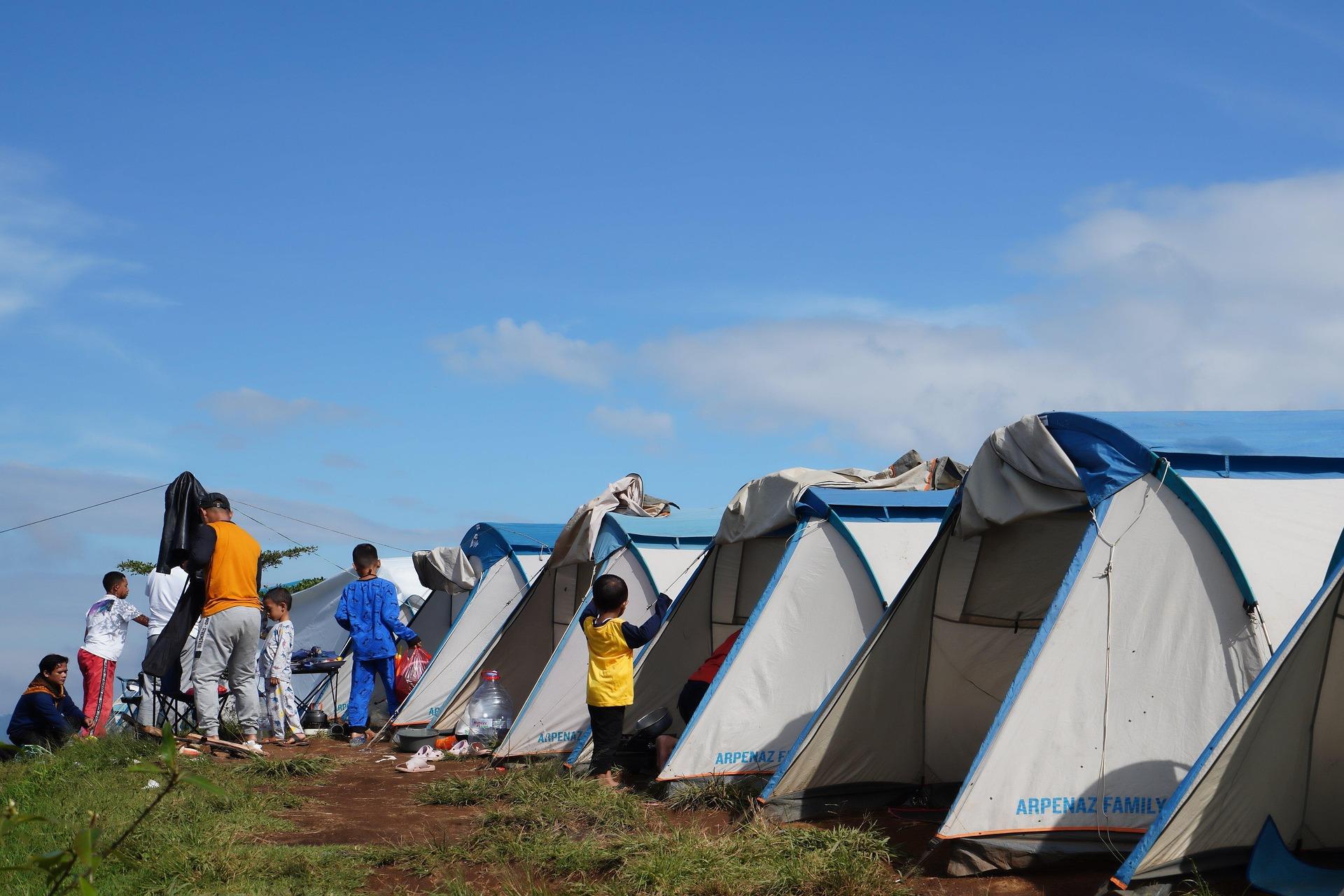
3. Keep the Campsite Compact
Set up only what you actually need.
Large groups should avoid spreading equipment over unnecessarily large areas.
Keeping tents, cooking areas and other equipment organised makes the campsite easier to manage and reduces the amount of ground being disturbed.
It also makes your final campsite check much easier.
4. Look After the Ground
Avoid digging trenches, cutting vegetation or moving rocks unless there is a genuine safety or site-management reason.
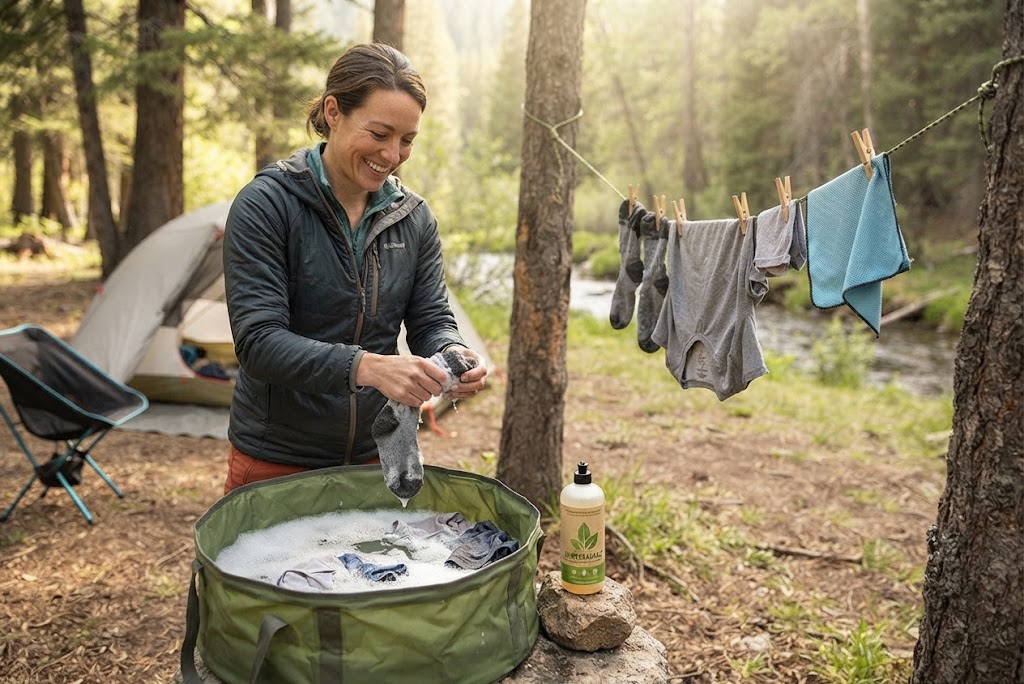
Don’t hammer objects into trees or damage living plants to create washing lines, shelters or other camp equipment.
Use existing facilities where provided.
5. Manage Food Carefully
Store food securely and keep cooking areas organised.
Don’t leave food scraps around the campsite.
Food waste can attract animals and encourage wildlife to associate campsites with food.
Plan meals carefully so that you don’t carry unnecessary packaging or create more waste than you need to.
6. Take Your Rubbish With You
Anything you bring into camp should be accounted for when you leave.
This includes obvious rubbish such as food packaging as well as small items such as cable ties, string, tent pegs and broken equipment.
Don’t burn plastic, cans, food packaging or other rubbish on a campfire.
Take it home or use the appropriate disposal facilities.
7. Use Toilets Properly
Use campsite toilets and other facilities where they are provided.
If you’re camping somewhere without facilities, establish the correct arrangements before the trip.
Human waste can cause environmental and health problems if handled incorrectly, particularly near water or in heavily used areas.
Toilet paper, wipes and hygiene products should never simply be left on the ground.
8. Use Water Responsibly
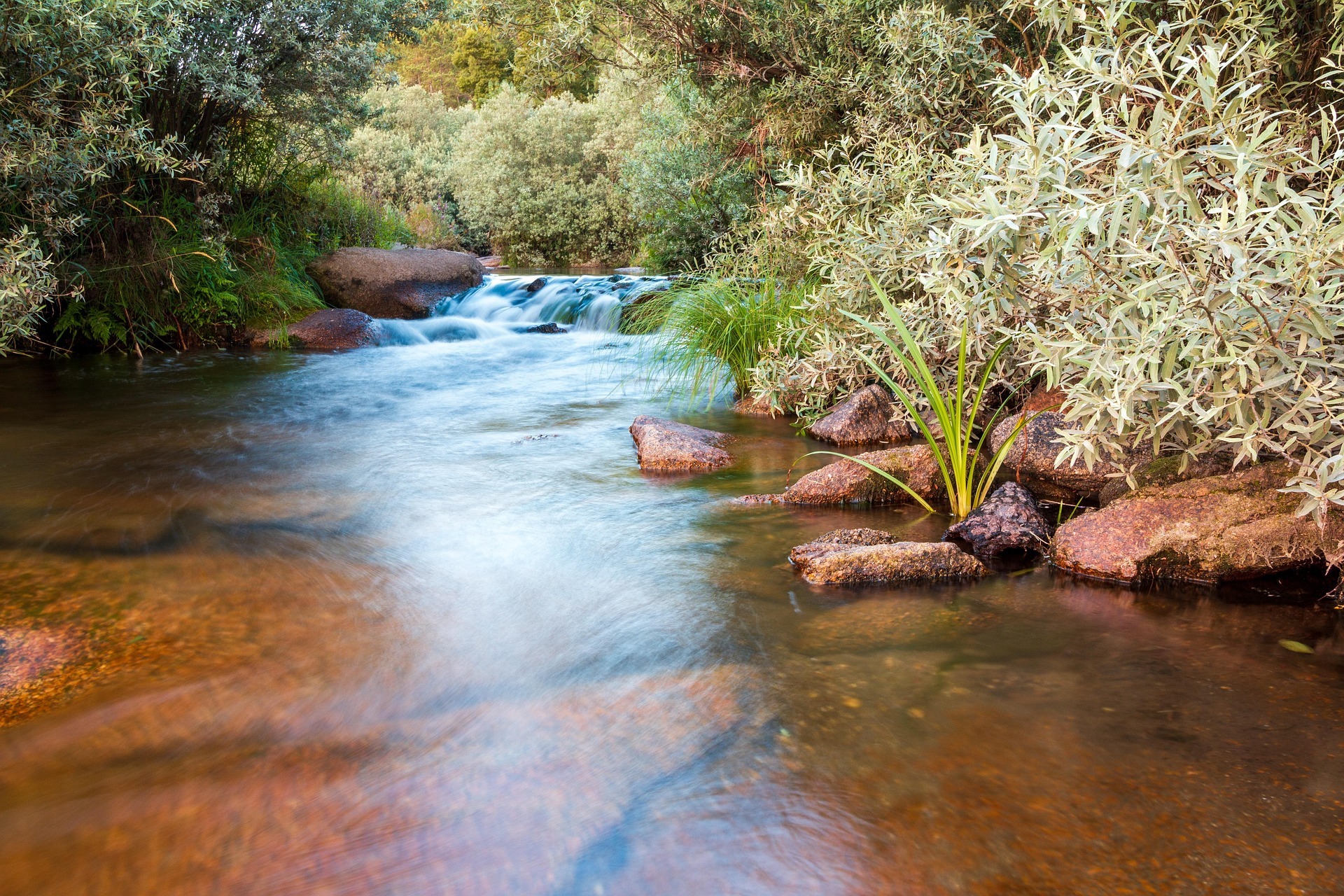
Don’t contaminate streams, lakes or other natural water sources.
Keep soaps, detergents, food waste and dirty water away from natural water.
If you’re collecting water for drinking, make sure it comes from a suitable source and treat it appropriately.
Don’t assume that clear mountain or stream water is automatically safe to drink.
9. Be Careful With Fires
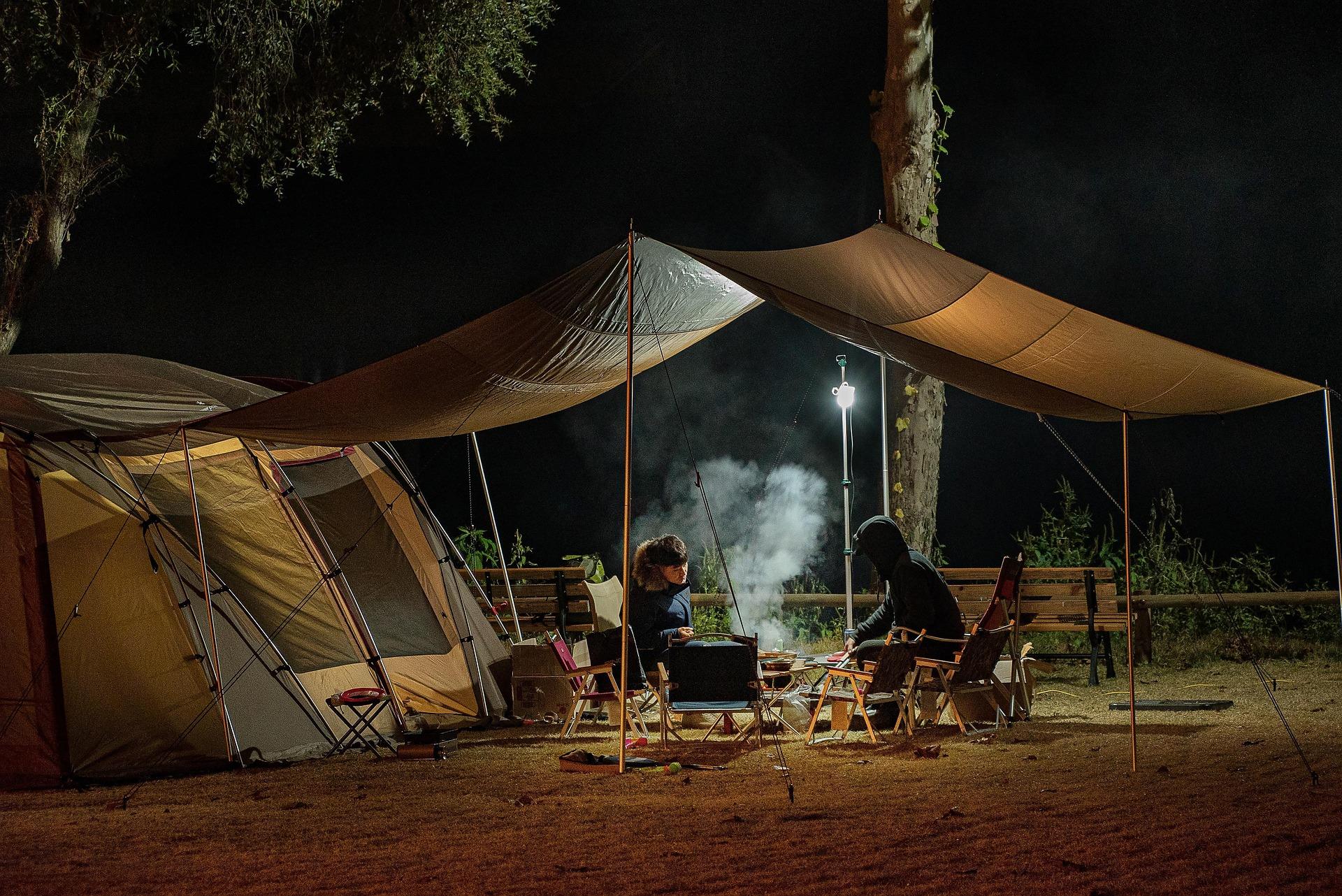
Only have a campfire where it is permitted and appropriate.
Use an established fire area where available and follow any campsite restrictions.
Keep the fire controlled and never leave it unattended.
Don’t cut living trees or damage vegetation for firewood.
Make sure the fire is completely extinguished before leaving and deal with the remains according to local guidance.
A camping stove is often a better option for cooking because it is easier to control and has less impact on the surrounding ground.
10. Respect Wildlife
Your campsite is also part of an animal’s habitat.
Don’t feed wildlife or deliberately attract animals to your tent.
Keep food and rubbish secured and avoid disturbing nests, dens and other sensitive areas.
Observe wildlife quietly from a distance.
If you’re camping with a dog, follow local restrictions and keep it under appropriate control around livestock and wildlife.
11. Keep Noise Down
Campsites are shared spaces.
Keep music and conversation at a reasonable volume and respect any designated quiet hours.
In remote areas, excessive noise can also disturb wildlife and other people enjoying the countryside.
There’s no need for a camping trip to be completely silent, but remember that sound travels surprisingly far outdoors.
12. Respect Other Campers
Give neighbouring campers reasonable space.
Don’t walk through someone else’s pitch unless necessary and don’t use their equipment or facilities without permission.
If you’re camping as a large group, be particularly aware of the effect your activity has on smaller groups and families nearby.
Good campsite etiquette is simply treating other campers as you’d expect to be treated.
13. Respect the People Who Manage the Land
Follow instructions from campsite staff and land managers.
They may impose restrictions on fires, vehicles, dogs, noise, access or particular areas because of local conditions.
These rules can change depending on weather, ground conditions, wildlife or farming activity.
Don’t assume that a rule is unnecessary simply because you don’t immediately understand the reason for it.
14. Prepare for Bad Weather
Responsible camping includes planning for conditions that could damage the environment or make the campsite unsafe.
Heavy rain can cause erosion and flooding.
Strong winds can damage tents and increase the risk from trees and branches.
Hot, dry weather can increase wildfire risk.
If conditions deteriorate, change your plans rather than trying to continue simply because the original itinerary said you would.
15. Keep Vehicles Where They Belong
Use designated parking and access areas.
Don’t drive onto grass, fields or informal tracks unless you have permission and it is appropriate to do so.
Vehicles can cause significant ground damage, particularly when the ground is wet.
For large camps, organise vehicle movements carefully so that unnecessary driving across the site is avoided.
16. Pack Up Properly
When you’re ready to leave, don’t just take down the tent and walk away.
Do a deliberate sweep of the entire pitch.
Look for rubbish, tent pegs, string, food scraps and other small items.
Check fire areas and cooking spaces carefully.
Leave gates, furniture and other campsite facilities as you found them.
17. Leave the Site Ready for the Next Person
The final test of responsible camping is what you leave behind.
Ideally, someone arriving after you should not have to clean up after your stay or repair damage you’ve caused.
If you’ve used an established campsite, follow its instructions for restoring your pitch.
If you’ve been camping somewhere more remote where this is permitted, minimise evidence that you were there.
Responsible Camping With a Patrol
A Patrol can share responsibility for looking after its campsite.
Give Scouts jobs such as checking the cooking area, managing rubbish or carrying out the final campsite inspection.
This makes environmental responsibility part of the camping process rather than something the leader does after everyone else has gone home.
A final “leave no trace” sweep can be particularly effective.
Responsible Camping in Bad Weather
Bad weather can increase both environmental impact and safety risks.
Heavy rain can turn a campsite into mud, while strong winds can damage vegetation and camping equipment.
Don’t move to a fragile area simply because your original pitch has become uncomfortable.
If conditions are becoming unsuitable, follow the campsite’s procedures or leave the area rather than causing additional damage trying to remain there.
Final Tip
Responsible camping is mostly about thinking before you act.
Ask yourself:
Am I allowed to camp here?
Am I damaging anything?
Am I disturbing anyone?
What am I leaving behind?
If the answer to the last question is “nothing that shouldn’t be there”, you’re on the right track.
A good campsite isn’t measured by how elaborate it looks while you’re there, but by how little impact remains when you’ve packed up.
🔒Ready to test your survival skills?
Join Survival Guides UK for free, complete challenges, earn badges and increase your Survival Level.
JOIN FREE →
CRAIG BURR
FOUNDER · SURVIVAL GUIDES UK
I'm Craig, the person behind Survival Guides UK. I created SGUK because I wanted somewhere people could learn real outdoor skills in a practical, straightforward way — from lighting a fire and tying knots to navigation, campcraft and everything in between.
You can read more about the story behind SGUK here as well as our approach here.