Camp Inspections: How to Inspect a Scout Camp
Activity Overview
Difficulty: Easy–Moderate
Time: 15–30 minutes
Location: Scout campsites and outdoor camps
Best for: Cubs, Scouts, Explorers, Patrol Leaders and adult leaders
Skills: Observation, campcraft, organisation, hazard awareness and teamwork
A camp inspection is a planned check of the campsite, tents, equipment and general organisation.
For a Scout camp, inspections help make sure that tents are properly pitched, equipment is looked after, cooking areas are safe, rubbish is dealt with and hazards are identified before they cause problems.
An inspection should be constructive rather than simply looking for faults. The aim is to help the patrol keep its camp safe, tidy, organised and ready for the next activity.
What You’ll Learn
You’ll learn how to inspect a patrol campsite systematically and what areas deserve particular attention.
You’ll also learn how to check tents and equipment, identify hazards, assess camp hygiene and make sure the site is being looked after responsibly.
🟢 SAFETY – LOW TO MODERATE RISK
An inspection itself is normally low risk, but it may involve checking cooking areas, tents, guy lines, fires, tools or other equipment.
Don’t touch potentially dangerous equipment simply to complete an inspection.
If you find an unsafe fire, damaged structure, hazardous substance or other serious danger, keep people away and report it to the responsible adult.
Don’t climb onto structures or enter unsafe areas to inspect them.
Equipment
A basic inspection needs very little equipment.
A checklist can be useful for larger camps, while a torch may help when checking darker areas.
For patrol camps, the most important inspection tool is careful observation.
Prerequisites
You should know the basic camp layout and understand the purpose of the equipment being inspected.
Before beginning, identify any particular requirements set by the campsite or the people responsible for the camp.
Instructions
1. Start With the Whole Campsite
Begin by looking at the campsite as a whole.
Is the area organised? Are tents and equipment positioned sensibly? Are paths clear? Is rubbish being dealt with properly?
This gives you an overall picture before you start checking individual areas.
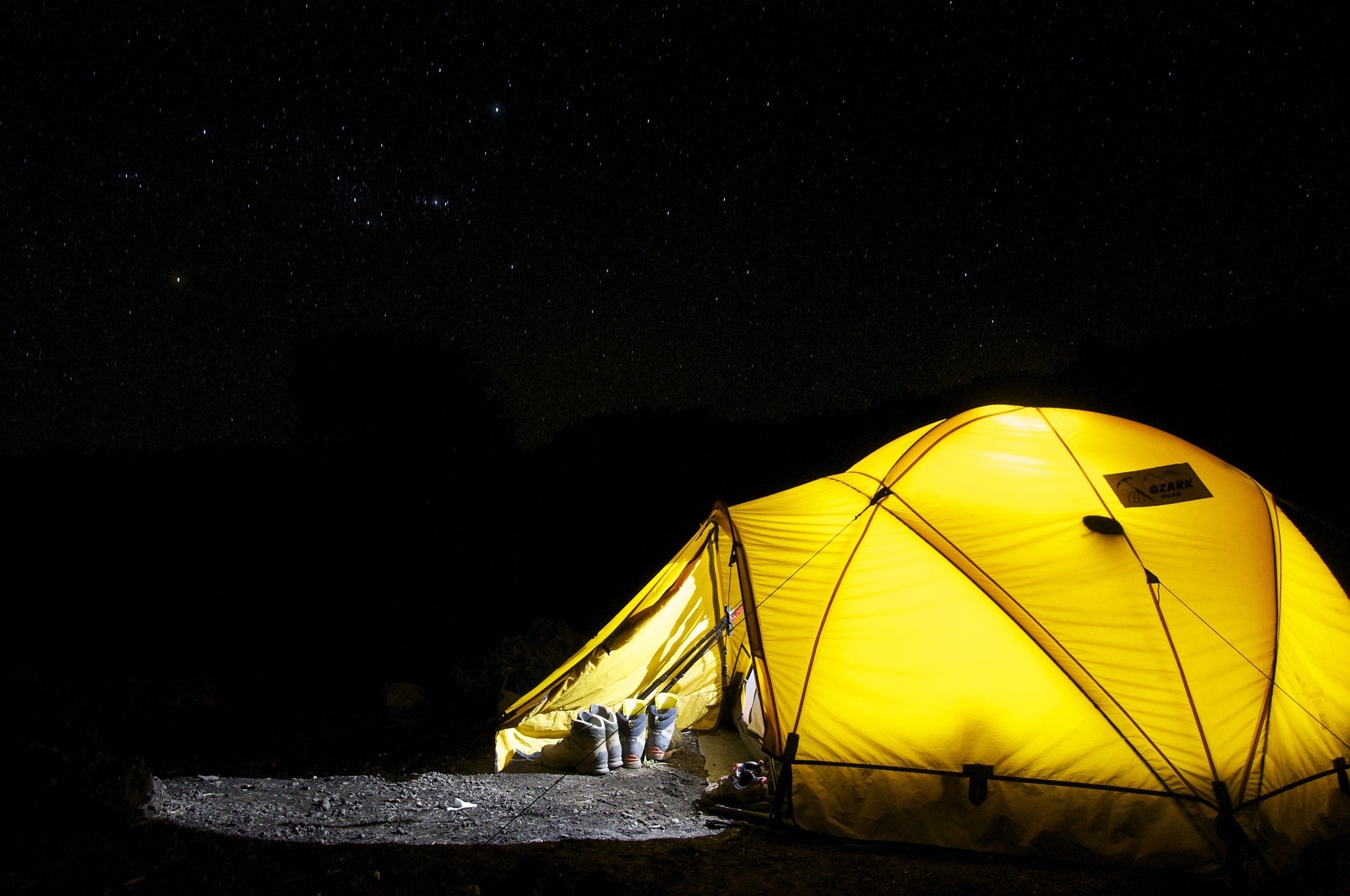
2. Check the Tents
Look at each tent from the outside.
Check that it is properly pitched and that poles, pegs and guy lines appear secure.
The flysheet should be correctly positioned and the tent should be suitably tensioned.
Don’t pull on poles or guy lines unnecessarily.
3. Check Guy Lines and Pegs
Guy lines and tent pegs can become trip hazards, particularly around busy areas.
Make sure they are visible and appropriately positioned.
Check that pegs haven’t worked loose and that lines haven’t become tangled or detached.
4. Check Sleeping Areas
Look inside the tent where appropriate and check that sleeping equipment is reasonably organised.
Sleeping bags and clothing should be kept dry and personal equipment stored sensibly.
Wet equipment should not simply be left packed away where it can develop mould or unpleasant smells.
5. Inspect Personal Equipment
Check that essential personal equipment is present and being looked after.
For a patrol camp, this might include waterproofs, footwear, water bottles, torches and other equipment required for the programme.
An inspection isn’t an opportunity to search through someone’s private belongings.
6. Check Patrol Equipment
Shared equipment should be clean, complete and stored properly.
Look at items such as cooking equipment, ropes, tools, lanterns and other campcraft equipment.
Damaged equipment should be reported rather than quietly put back into storage.
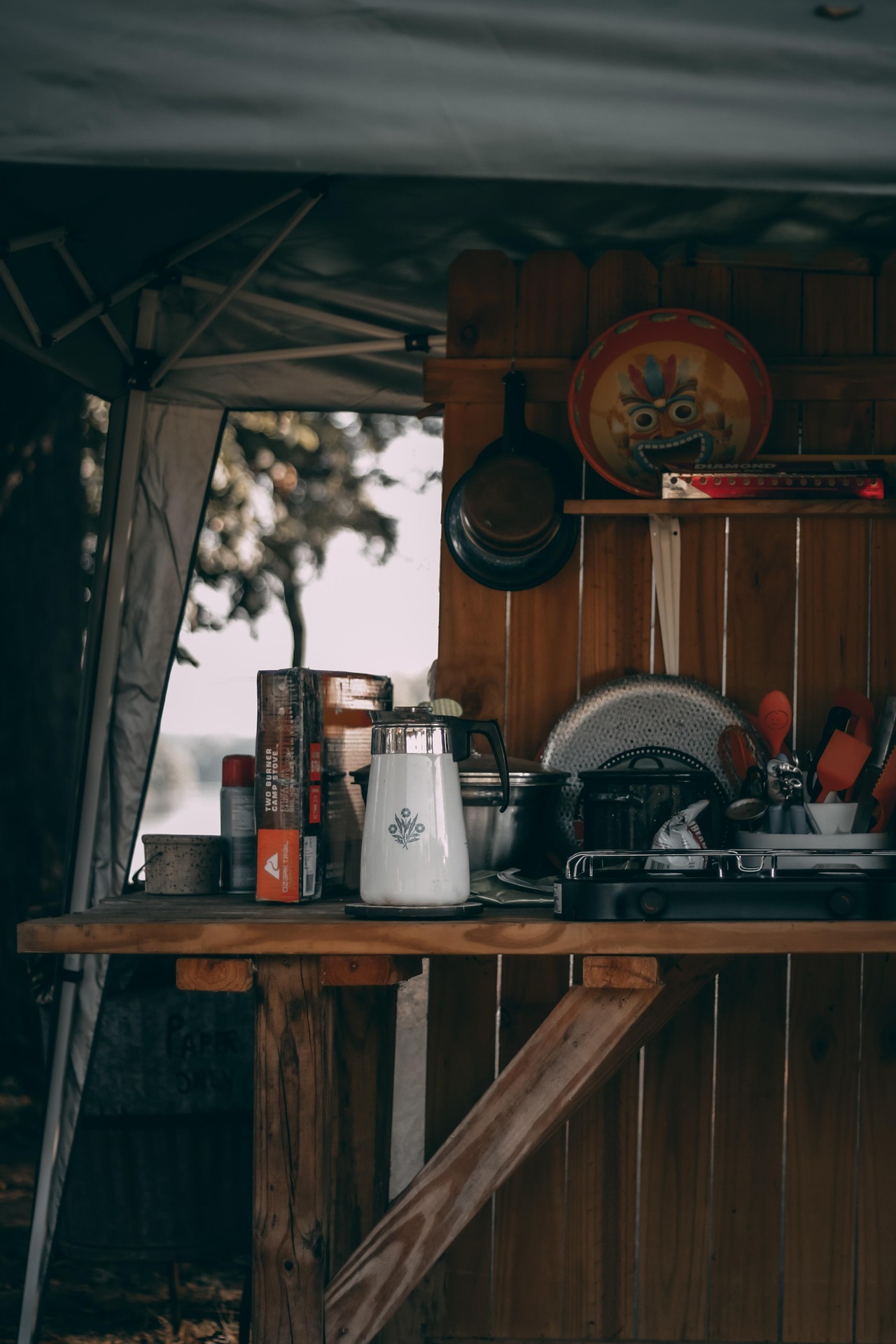
7. Inspect the Cooking Area
The cooking area deserves particular attention.
Check that cooking equipment is stable and that fuel is being stored appropriately.
Make sure the area is clean and that food isn’t being left exposed unnecessarily.
Any fire or stove should be dealt with according to the equipment instructions and campsite rules.
8. Check Food Storage
Food should be stored appropriately for the campsite and conditions.
Don’t leave food scraps or open food containers lying around.
Good food storage helps maintain hygiene and reduces the likelihood of attracting animals and pests.
9. Check Washing-Up Areas
Look at the washing-up arrangements.
There should be a sensible system for cleaning cooking equipment, plates, mugs and utensils.
Dirty water should be disposed of according to the campsite’s arrangements rather than simply poured wherever convenient.
10. Look for Hazards
Walk around the campsite looking specifically for hazards.
Look for trip hazards, unstable equipment, loose ropes, sharp objects, damaged tents and unsafe storage.
Think about hazards that may become more difficult to see or manage after dark.
11. Check Fire Arrangements
If the camp is using a fire, check that it is being managed according to the campsite’s rules.
The fire area should be appropriately controlled and combustible materials kept away from it.
If the fire appears unsafe, don’t attempt to deal with it beyond your training or responsibility. Alert the responsible adult.
12. Check Tools and Campcraft Equipment
Tools should be stored safely when not being used.
Check that axes, saws, knives and other equipment are being handled and stored according to the camp’s rules and the group’s procedures.
Don’t use an inspection as an excuse to test equipment.
13. Check Rubbish and Cleanliness
Look around the whole site for rubbish.
Check under tables, around tents and in communal areas.
Separate waste according to the campsite’s arrangements and make sure food waste isn’t being left where it could attract animals.
14. Check the Campsite Boundary
Make sure the patrol understands where it is allowed to go.
Check that equipment and activities aren’t spreading into prohibited areas or creating problems for other campers.
Respect the campsite and other users.
15. Check That Equipment Is Ready
If the camp has an activity coming up, check that the required equipment is accessible and ready.
This can prevent a last-minute search for missing items.
Don’t leave valuable or essential equipment lying around unnecessarily.
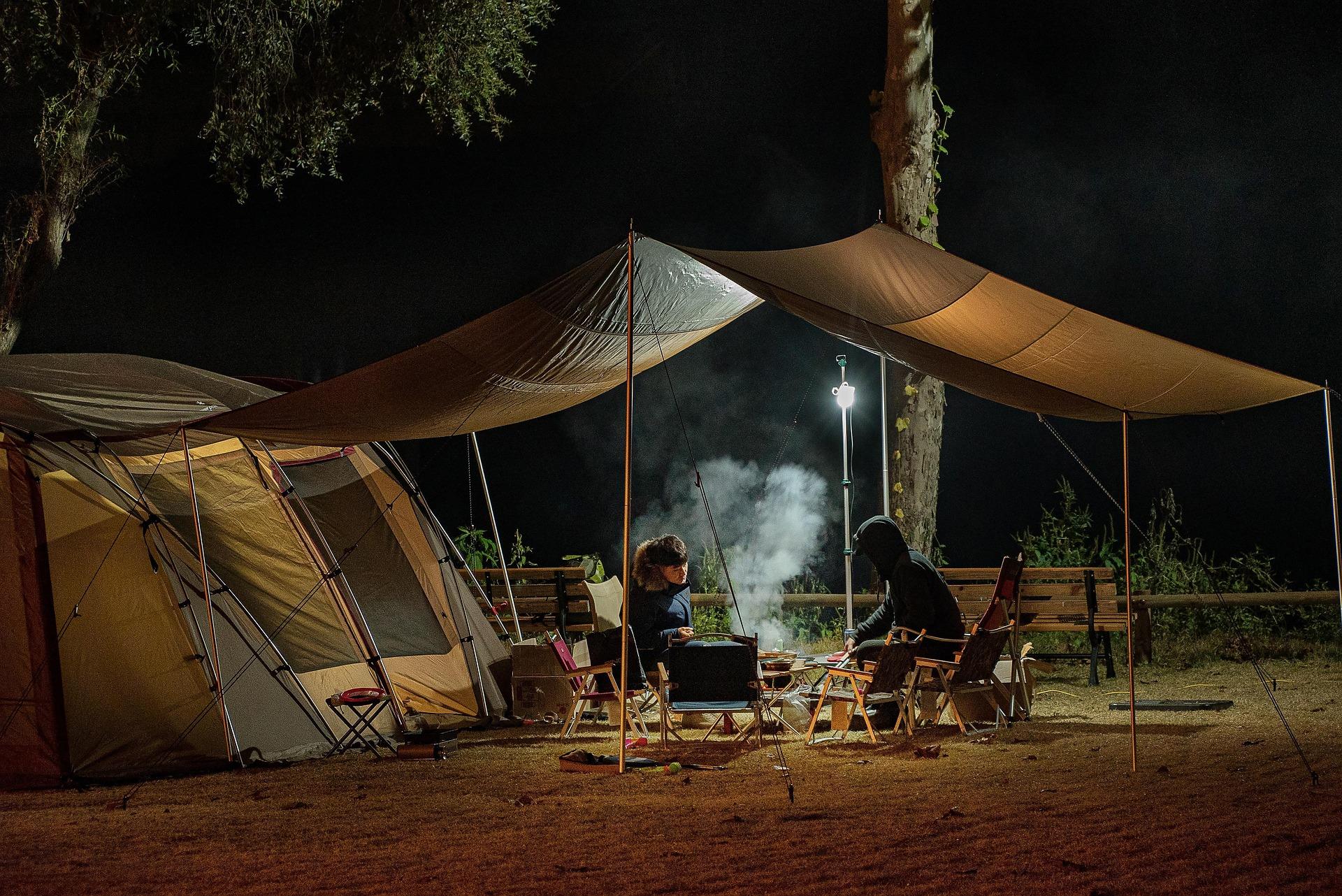
16. Check Night-Time Readiness
An evening inspection should consider what will happen after dark.
Torches should be accessible, pathways should be reasonably clear and essential equipment should be easy to find.
Make sure people know the arrangements for getting help during the night.
17. Check Before Leaving Camp
A final inspection before breaking camp is particularly important.
Walk around the entire site and look for forgotten equipment, rubbish, tent pegs, cable ties, food scraps and other small items.
The aim should be to leave the campsite as clean and tidy as it was found, or better.
18. Record and Report Problems
If the inspection identifies a problem, deal with it if it is safe and within your responsibility to do so.
Otherwise, report it.
For example, a loose item of personal equipment can normally be put away, while a damaged stove or unsafe structure should be brought to the attention of a responsible person.
Camp Inspection Checklist
A simple inspection can cover:
|
Area |
Check |
|---|---|
|
Tents |
Pitch, poles, pegs and guy lines |
|
Sleeping area |
Dry, organised and suitable |
|
Equipment |
Present, clean and undamaged |
|
Cooking |
Safe, clean and organised |
|
Food |
Stored appropriately |
|
Washing up |
Clean and managed properly |
|
Fires |
Managed according to site rules |
|
Tools |
Stored safely |
|
Rubbish |
Collected and disposed of correctly |
|
Hazards |
Identified and dealt with |
|
Night arrangements |
Lighting and access considered |
|
Final site |
No equipment or rubbish left behind |
Patrol Camp Inspections
On a patrol camp, inspections can be used as part of normal campcraft rather than treating them as a formal examination.
Patrol members can take responsibility for checking different areas, then discuss anything that needs attention.
This encourages everyone to take responsibility for the condition of the camp rather than expecting one person to notice everything.
How Often Should a Camp Be Inspected?
A quick check should happen regularly throughout a camp, particularly in the morning, before activities and before settling down for the night.
A more thorough inspection should also take place before leaving the campsite.
The frequency should reflect the size of the camp, the activities taking place and the campsite’s requirements.
Final Tip
A good camp inspection isn’t about finding someone to blame for a messy tent.
It’s about developing the habit of looking at your campsite critically and spotting problems before they become serious.
Take a systematic walk around the site, check the important areas and deal with anything that needs attention. Over time, good inspections become part of good campcraft rather than an extra chore.
🔒Ready to test your survival skills?
Join Survival Guides UK for free, complete challenges, earn badges and increase your Survival Level.
JOIN FREE →
CRAIG BURR
FOUNDER · SURVIVAL GUIDES UK
I'm Craig, the person behind Survival Guides UK. I created SGUK because I wanted somewhere people could learn real outdoor skills in a practical, straightforward way — from lighting a fire and tying knots to navigation, campcraft and everything in between.
You can read more about the story behind SGUK here as well as our approach here.