Running a Scout Debrief UK
Activity Overview
Difficulty: Easy
Time: 10–30 minutes
Location: Scout hut, campsite, meeting point or outdoors after an activity
Best for: Cubs, Scouts, Explorers, Patrol Leaders and adult volunteers
Skills: Reflection, communication, teamwork, leadership, problem-solving and evaluation
Quick Answer
A Scout debrief is a short discussion held after an activity to work out what happened, what went well, what could have gone better and what should be done differently next time.
A good debrief isn’t about finding someone to blame when something goes wrong. It is an opportunity for Scouts to think about their experience, recognise what they achieved and learn from it.
The best debriefs are relaxed, honest and relatively short. Let the Scouts do most of the talking rather than turning it into another briefing from the leader.
What You’ll Learn
A good debrief helps Scouts develop the ability to look back at an activity and identify what they have learned.
They can consider how well the Patrol worked together, whether their planning was effective, which skills they used successfully and what they would change next time.
It also gives leaders useful information about how an activity worked from the young people’s perspective.
🟢 SAFETY – LOW RISK
A normal debrief is a low-risk activity.
If the debrief follows an incident, accident or activity involving significant risk, deal with any immediate welfare and safety issues first. A debrief should not replace the appropriate reporting or safeguarding procedures.
Be particularly careful when discussing mistakes or incidents in front of a group. The purpose should be learning and improvement, not embarrassing an individual Scout.
Equipment
A basic debrief requires very little equipment.
A quiet space and somewhere for everyone to sit or stand comfortably are usually enough.
For a more structured debrief, you may want a notebook, whiteboard, map, activity plan or photographs from the activity. These can help the group remember what actually happened rather than relying entirely on memory.
Prerequisites
Before running the debrief, the leader or Patrol Leader should know what activity is being discussed and allow enough time for everyone to contribute.
It is useful to have a few questions prepared rather than attempting to improvise the entire conversation.
If the debrief is being led by a Patrol Leader, they should understand that their role is to facilitate the discussion, not provide all the answers.
Instructions
1. Get Everyone Together
Bring the group together soon after the activity while the experience is still fresh.
Find somewhere comfortable and away from unnecessary distractions. If everyone is tired after a long hike or camp, keep the session shorter.
Explain that the purpose isn’t to criticise anyone. You’re looking at the activity as a team and thinking about what can be learned from it.
2. Start With the Overall Experience
Begin with a broad question.
Ask:
“How did you think that went?”
Give Scouts a chance to answer without immediately correcting them.
You’ll often get very different responses. One Scout might think the activity went brilliantly while another remembers a difficult section that caused problems.
Both perspectives are useful.
3. Ask What Went Well
Start with the positives.
Ask the Patrol what they were pleased with.
Perhaps they navigated successfully, worked well together, cooked a good meal, solved a problem or completed something they initially thought was difficult.
Be specific when recognising achievements. Instead of simply saying “Well done”, explain what the Patrol did effectively.
This helps Scouts understand which behaviours and skills they should repeat.
4. Discuss What Didn’t Go to Plan
Once the group has discussed the positives, look at the problems.
Ask:
“Was there anything that didn’t go as planned?”
Keep the discussion focused on the activity rather than individuals.
For example, instead of saying:
“Jamie didn’t know where we were going.”
look at the process:
“We weren’t sure who was responsible for navigation at that point.”
That makes it much easier to identify a solution.
5. Work Out Why It Happened
Identifying a problem isn’t enough.
Ask the Patrol why it happened.
Perhaps the instructions weren’t clear, the equipment wasn’t checked, the route wasn’t understood or the group underestimated how long something would take.
This is where a debrief becomes more useful than simply saying whether an activity was good or bad.
6. Ask What They Would Change
Now ask:
“If we did this again tomorrow, what would we do differently?”
Encourage practical answers.
A Patrol might decide to leave earlier, divide equipment differently, check the weather before setting off, practise a skill beforehand or make one person responsible for a particular task.
The aim is to turn experience into an improvement for next time.
7. Ask What They Learned
Give Scouts time to identify the skills and knowledge they gained.
They may have learned something technical, such as navigation or camp cooking, but they may also have learned something about teamwork, leadership or planning.
Don’t assume that the obvious lesson is the most important one.
A Scout might realise that they are more confident leading a group than they expected, or that their Patrol works better when responsibilities are clearly divided.
8. Let Everyone Have a Voice
Try not to let the most confident Scouts dominate the discussion.
You can invite quieter members to contribute without putting them under unnecessary pressure.
Simple questions such as:
“Did anyone have a different experience?”
or
“Was there anything that was difficult for you?”
can open up the discussion.
For younger Scouts, a quick show of hands or asking each person for one thing they enjoyed can work better than a long conversation.
9. Record Useful Decisions
If the debrief identifies something that should change, write it down.
For example:
Next hike: Check route and timings the night before.
Camp: Create equipment groups.
Navigation: Practise grid references before the next expedition.
This turns the debrief into something practical rather than simply a conversation that disappears when everyone goes home.
10. Finish Positively
End by summarising what the Patrol has learned.
Recognise what they achieved and identify one or two things they will take forward.
A good ending might be:
“We worked well as a Patrol and managed the route successfully. Next time we’re going to divide the navigation between two people and check the route before we leave.”
Keep the ending positive and forward-looking.
Debrief Questions for Scouts
You don’t need to ask every question. Choose the ones that fit the activity.
What went well?
What was the best part?
What was difficult?
Did anything surprise you?
Did everyone know what they were responsible for?
How well did the Patrol work together?
What would you change next time?
What new skill did you use or learn?
What should we remember for our next activity?
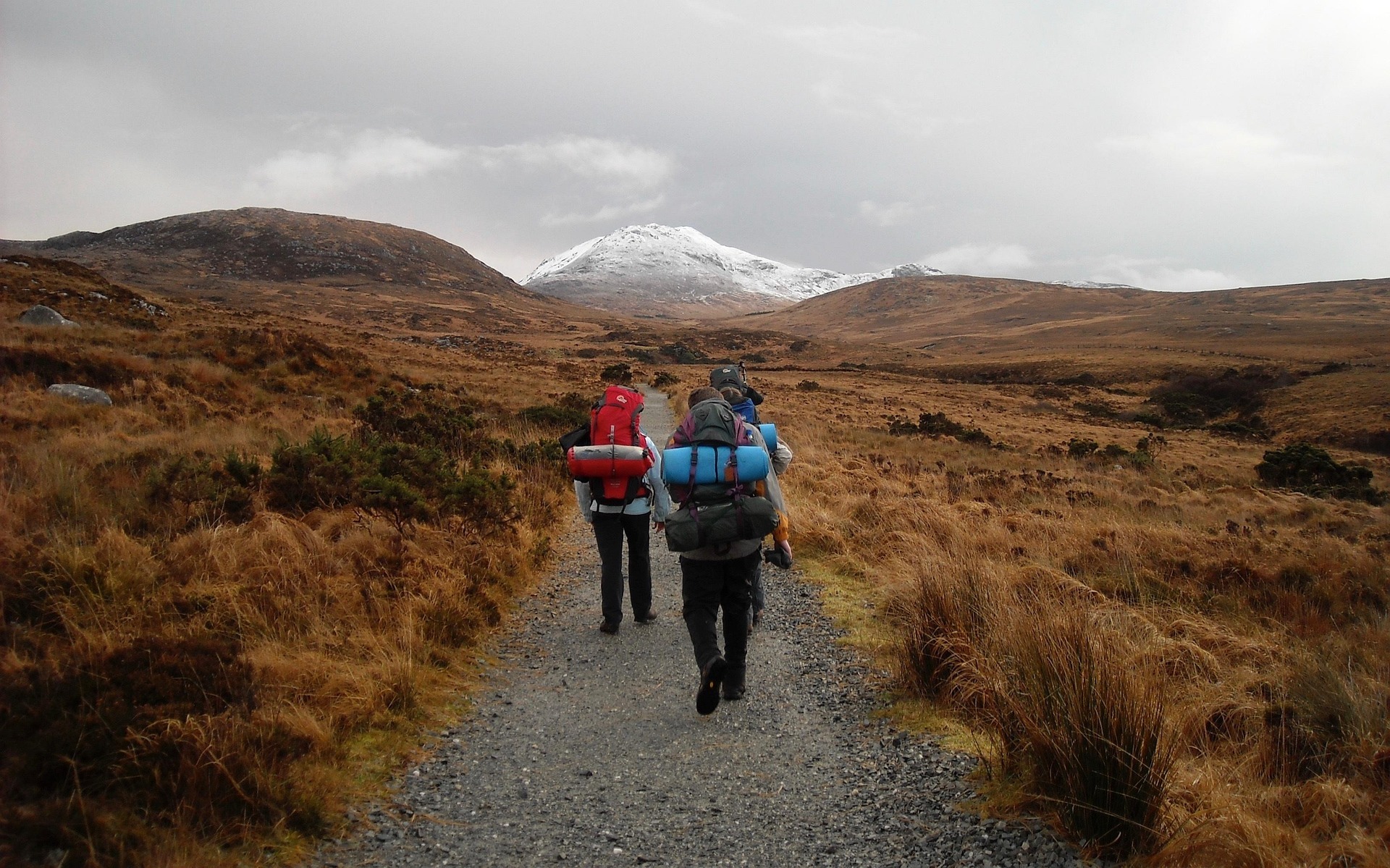
Debriefing After a Hike or Expedition
For a hike, concentrate on the route, navigation, timings, equipment, weather and how the Patrol worked together.
Look at the map again if necessary and identify where the group made good decisions or where the route could have been handled differently.
Don’t just ask whether they reached the destination. Consider the process they used to get there.
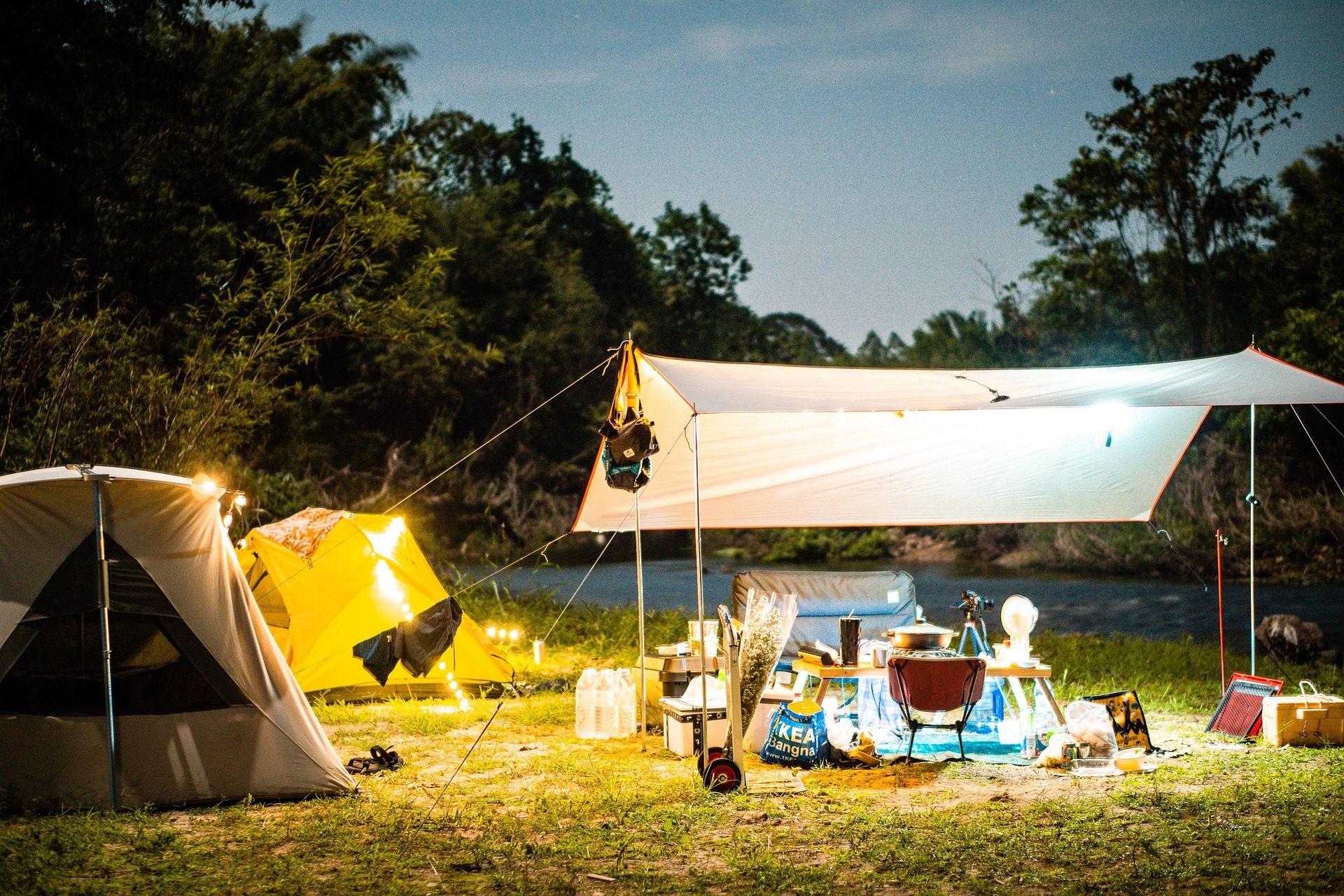
Debriefing After a Camp
A camp provides plenty to discuss, so avoid trying to review every single detail.
Talk about the things that mattered most: planning, pitching camp, cooking, equipment, sleeping arrangements, activities, teamwork and what the Patrol would change next time.
A useful approach is to ask Scouts to identify one thing to keep and one thing to change for the next camp.
Debriefing a Patrol
A Patrol debrief can be particularly useful because Scouts can speak more openly within their own team.
The Patrol Leader can facilitate the discussion, while the Assistant Patrol Leader can record important points or help keep the conversation moving.
The leader doesn’t need to sit in the middle of every discussion. Giving young people some ownership of the debrief is part of developing their leadership and decision-making skills.
Debriefing Younger Scouts
With Cubs, keep the process simple.
Ask them what they enjoyed, what they found difficult and what they would like to do differently next time.
You can use simple prompts such as:
👍 What went well?
🤔 What was tricky?
💡 What did we learn?
➡️ What should we do next time?
A short, engaging conversation is more effective than expecting younger children to sit through a formal review.
Final Tip
The best Scout debriefs don’t feel like a test or an interrogation.
Use the simple pattern:
What happened? → What went well? → What was difficult? → What did we learn? → What will we change?
Let the Scouts do the thinking and talking wherever possible. The goal isn’t to prove that the activity was successful — it’s to make the next activity better.
🔒Ready to test your survival skills?
Join Survival Guides UK for free, complete challenges, earn badges and increase your Survival Level.
JOIN FREE →
CRAIG BURR
FOUNDER · SURVIVAL GUIDES UK
I'm Craig, the person behind Survival Guides UK. I created SGUK because I wanted somewhere people could learn real outdoor skills in a practical, straightforward way — from lighting a fire and tying knots to navigation, campcraft and everything in between.
You can read more about the story behind SGUK here as well as our approach here.