Camp Security
Activity Overview
Difficulty: Moderate
Time: 20–30 minutes to set up; maintained throughout camp
Location: Scout campsites and outdoor camps
Best for: Scouts, Explorers, Patrol Leaders and adult leaders
Skills: Campcraft, awareness, organisation, communication and responsibility
Camp security is about protecting people, equipment and the campsite from avoidable risks.
A secure camp doesn’t need to feel like a fortress. Good organisation, sensible storage, clear boundaries, appropriate supervision and awareness of what is happening around the campsite will prevent most problems.
The priority should always be people first, equipment second.
What You’ll Learn
You’ll learn how to make a campsite more secure without creating unnecessary restrictions.
You’ll cover equipment storage, valuables, campsite boundaries, access, night-time arrangements, personal responsibility and what to do when something doesn’t look right.
🟡 SAFETY – MODERATE RISK
Camp security should never involve confrontation or putting yourself in danger.
Don’t investigate suspicious people, animals or situations if doing so could put you or anyone else at risk.
Young people should not be expected to act as security guards or deal with potentially dangerous situations. Report concerns to the responsible adult.
If there is an immediate threat to people, move to a safe location and contact the appropriate emergency service.
Equipment
Most camp security relies on good organisation rather than specialist equipment.
Useful items can include suitable storage containers, labels, torches or headtorches, a whistle or agreed alarm method and a phone for contacting responsible adults or emergency services where appropriate.
The campsite itself may also have gates, locks or other security arrangements that should be used as instructed.
Prerequisites
Before camp, find out the campsite’s rules about access, vehicles, gates, valuables, fires and overnight arrangements.
Make sure everyone knows the boundaries of the camping area and who is responsible for dealing with security concerns.
Instructions
1. Choose a Sensible Campsite Layout
Think about security when arranging the camp.
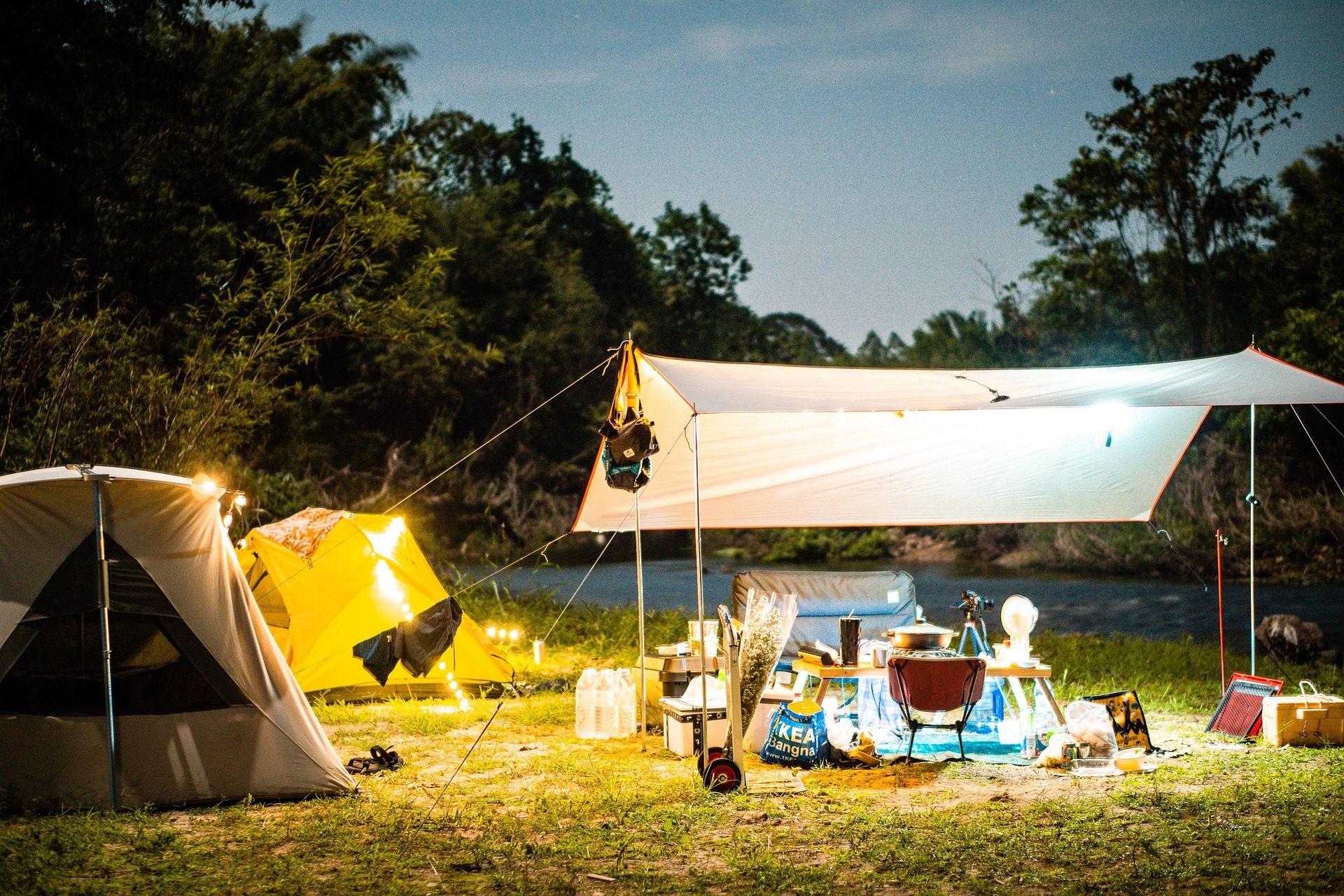
Keep tents, communal areas, cooking areas and equipment stores organised so that people know where everything belongs.
Avoid leaving valuable equipment scattered around the site.
A well-organised campsite makes unusual activity and missing equipment much easier to notice.
2. Establish Clear Boundaries
Everyone should know where the group is allowed to go.
Explain any areas that are out of bounds and make sure campers understand the campsite’s rules.
This is particularly important at larger camps where there may be roads, water, steep ground or other hazards nearby.
3. Use the Campsite’s Security Arrangements
If the campsite has gates, barriers, reception arrangements or designated access points, use them properly.
Don’t bypass security measures for convenience.
Follow the campsite’s instructions regarding vehicles and visitors.
4. Keep Equipment Organised
Store shared equipment in a known location.
Don’t leave expensive or important equipment unattended around the campsite.
At the end of an activity, return equipment to its designated storage area.
This isn’t just about theft. Good storage also prevents equipment from becoming damaged or creating hazards.
5. Look After Personal Valuables
Campers should avoid bringing unnecessary valuables to camp.
Personal items that are brought along should be kept secure and not left lying around communal areas.
For larger camps, follow the arrangements made by the organisers for storing valuables.
6. Secure Tents and Shelters
Make sure tents are properly pitched and equipment isn’t unnecessarily exposed to weather or other damage.
Close tents when they aren’t occupied where practical.
Don’t leave important equipment outside simply because it is inconvenient to put away.
7. Protect Food and Rubbish
Food and food waste can attract animals.
Store food appropriately for the campsite and keep rubbish contained.
Don’t leave food scraps scattered around tents or communal areas.
This is both a hygiene issue and an important part of responsible campsite management.
8. Know Who Is On Site
For an organised Scout camp, responsible adults should have appropriate information about who is attending.
Visitors should follow the campsite and group’s arrangements rather than simply appearing within the camping area without anyone knowing.
If someone unfamiliar is seen in an area where they shouldn’t be, report it rather than confronting them.
9. Keep Access Routes Clear
Paths and vehicle access points should remain clear.
Don’t leave tents, guy lines, equipment boxes or vehicles blocking routes that may be needed by campsite staff or emergency services.
10. Check the Camp Before Dark
An evening security check is useful.
Make sure equipment is stored, tents are secure, rubbish is dealt with and important items aren’t left outside.
It is much easier to spot problems while there is still daylight.
11. Make Night-Time Arrangements Clear
Everyone should know what the arrangements are after dark.
Explain where people should and shouldn’t go and who they should speak to if they have a problem.
Keep suitable lighting available for anyone who needs to move around safely.
12. Don’t Create Unnecessary Night Patrols
A Scout camp doesn’t automatically need people walking around the site all night.
If an overnight watch is required, it should be properly planned and supervised.
Young people should not be given responsibility for responding to security incidents.
A watch should focus on sensible observation and communication rather than acting as a security service.
13. Keep an Eye on Changing Conditions
Camp security also includes protecting the site from weather and environmental problems.
Strong winds can loosen equipment, heavy rain can cause flooding and falling temperatures can create additional risks.
Check the campsite regularly when conditions are changing.
14. Deal With Missing Equipment Promptly
If something appears to be missing, establish what happened before assuming it has been stolen.
Check the equipment store, tents and activity areas.
If equipment is genuinely missing or there is a security concern, report it to the responsible adult or campsite management.
15. Report Suspicious Activity
If something doesn’t look right, don’t put yourself at risk trying to investigate.
Tell a responsible adult and provide useful information such as where you saw something, when it happened and what you observed.
Avoid making accusations based solely on assumptions.
16. Know the Emergency Procedure
Security problems can become emergencies.
Everyone should know how to raise an alarm and where to assemble if the campsite needs to be evacuated.
Responsible adults should know how to contact emergency services and the campsite management.
17. Carry Out a Final Check
Before everyone settles down for the night, check the campsite.
Make sure:
The exact checks will depend on the campsite and activities.
Camp Security and Young Scouts
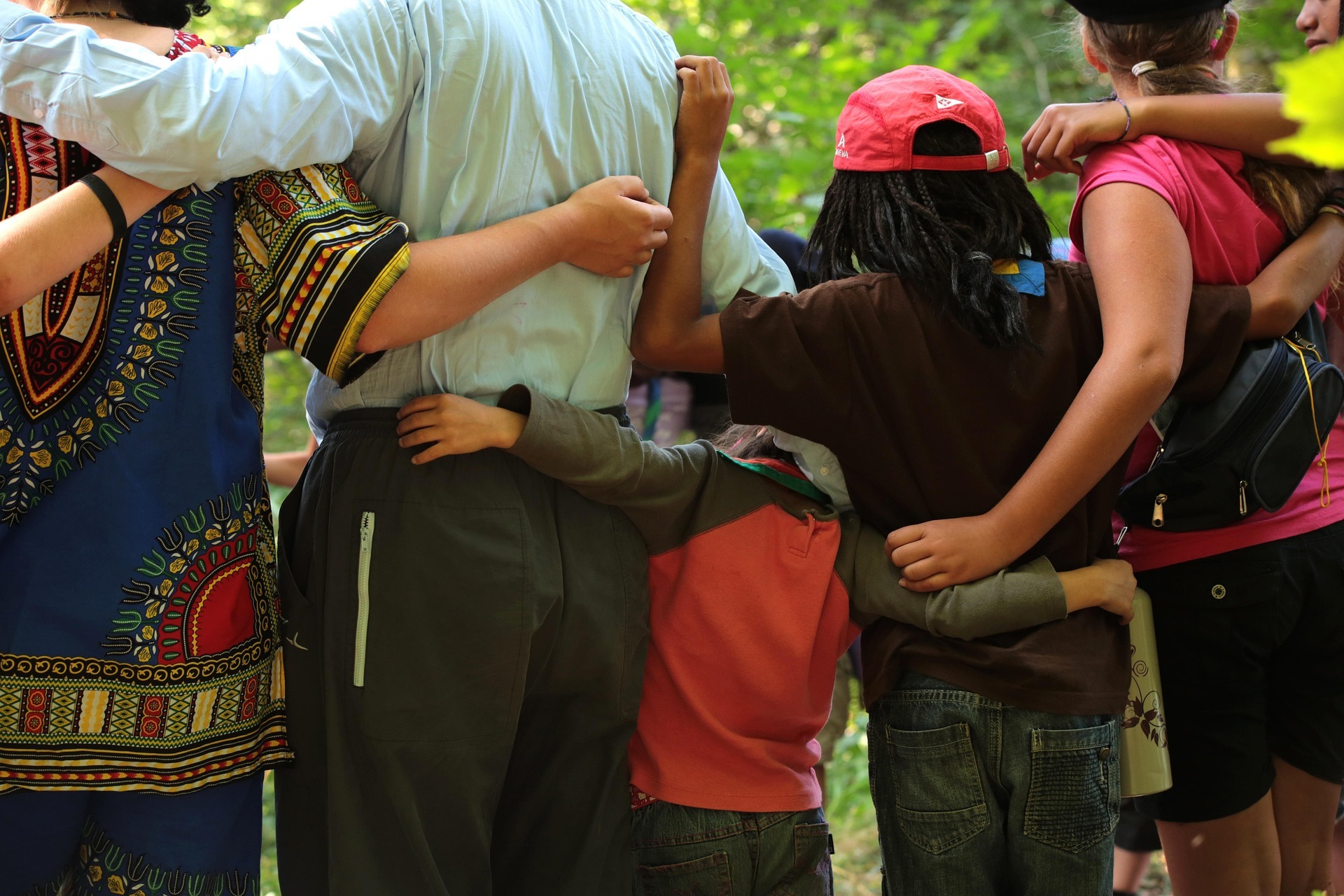
Camp security should be treated as a shared responsibility for looking after the camp, not as an invitation for young people to confront strangers.
Scouts can learn valuable skills by keeping equipment organised, securing their own kit, understanding campsite boundaries and reporting anything concerning.
Serious security issues should always be passed to the responsible adults.
Camp Security at Night
Night-time security is mainly about good preparation.
Secure equipment before dark, keep food and rubbish under control, make sure people know the boundaries and have a clear procedure for raising concerns.
Avoid unnecessary movement around the campsite, particularly where guy lines, tent pegs and other hazards are difficult to see.
Final Tip
Good camp security is mostly about being organised and paying attention.
Know who is on the site, keep equipment secure, use sensible boundaries and make sure everyone knows what to do if something seems wrong.
Don’t try to be a security guard. If there is a genuine concern, get a responsible adult involved and keep yourself safe.
🔒Ready to test your survival skills?
Join Survival Guides UK for free, complete challenges, earn badges and increase your Survival Level.
JOIN FREE →
CRAIG BURR
FOUNDER · SURVIVAL GUIDES UK
I'm Craig, the person behind Survival Guides UK. I created SGUK because I wanted somewhere people could learn real outdoor skills in a practical, straightforward way — from lighting a fire and tying knots to navigation, campcraft and everything in between.
You can read more about the story behind SGUK here as well as our approach here.