Scout Flag Etiquette: How to Handle and Respect the Scout Flag
Activity Overview
Difficulty: Easy
Time: 10–20 minutes to learn; 5–10 minutes for a typical ceremony
Location: Scout hut, meeting place, camp or suitable outdoor area
Best for: Cubs, Scouts, Explorers and adult volunteers
Skills: Flag handling, ceremonial skills, teamwork, knots, leadership, respect and confidence
Scout flag etiquette is about treating the flag with respect and following the appropriate Scout ceremony.
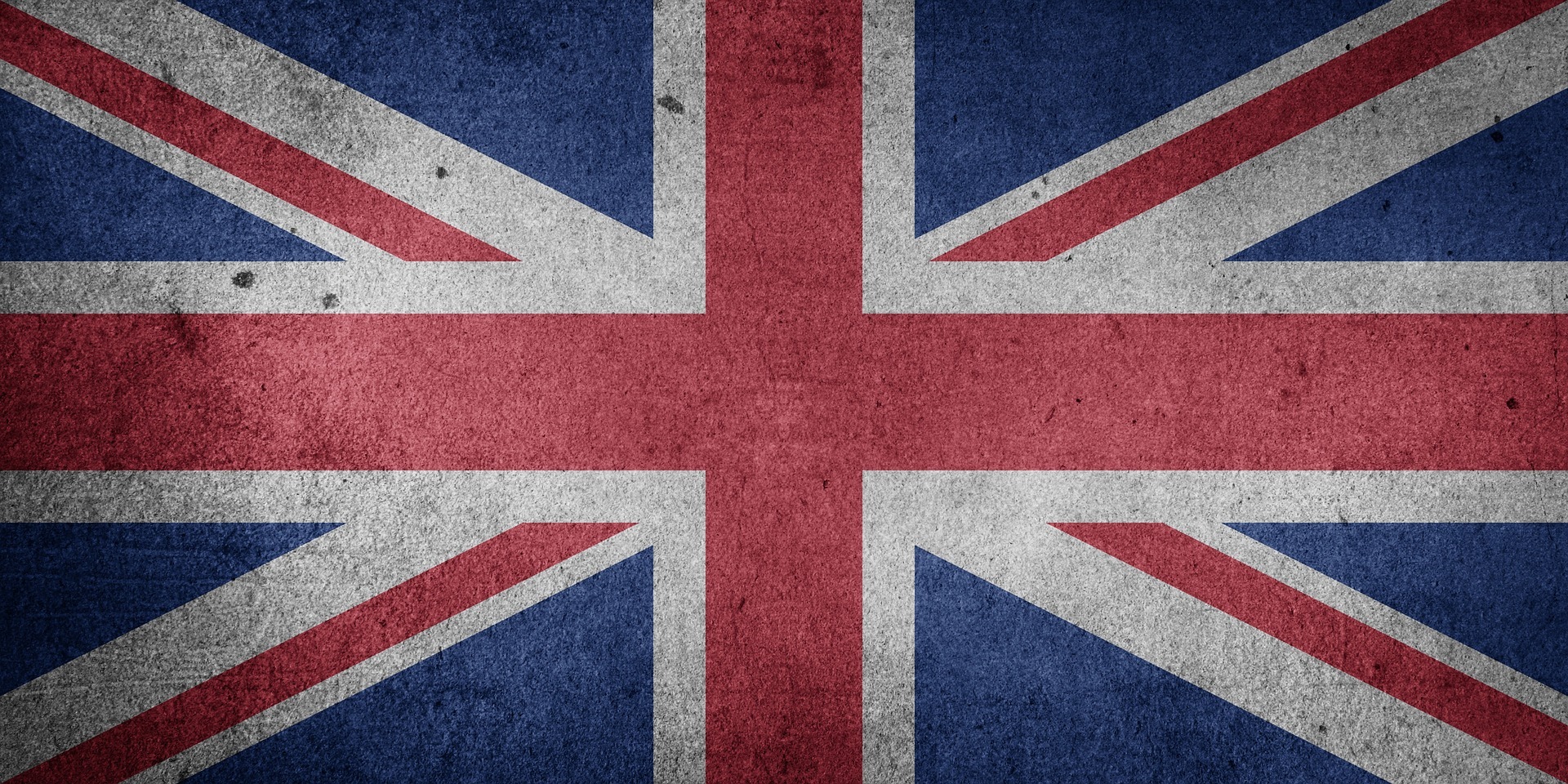
For UK Scouts, the current rules permit several flags, including the Union Flag on land, Red Ensign at sea, World Scout Flag, and Group, District and County flags.
During formal Scout occasions, uniformed members may use the Scout Salute when national flags are hoisted, when national anthems are played, and when saluting uncased Scout flags or Colours.
However, there isn’t a requirement for every Scout meeting to include a flag ceremony. Scouts UK specifically says there is no single right way to open or close a meeting, and groups can choose a ceremony that works for their young people.
What You’ll Learn
By the end of this activity, you should understand:
🟢 SAFETY – LOW RISK
Flag ceremonies are generally low-risk, but raising and lowering a flag can introduce physical hazards.
Main Hazards
- Flagpoles falling or becoming unstable.
- Ropes or halyards becoming tangled.
- Fingers becoming trapped in cleats or fittings.
- Young people being struck by a pole or flag.
- Trips caused by ropes on the ground.
- Working near overhead obstructions or electrical cables.
- Attempting to climb a flagpole.
Safety Rules
Never climb a flagpole to attach or retrieve a flag.
Make sure the flagpole is secure before anyone operates it. Check ropes, clips, cleats and fittings before use.
Keep the area around the pole clear while the flag is being raised or lowered.
Young people should only undertake flag duties when the activity is appropriate for their age and ability and suitable supervision is available.
Scouts UK requires activities to be properly risk assessed, approved and appropriately supervised.
Equipment
Essential
Optional
The exact equipment will depend on the type of ceremony and the flag being used.
Prerequisites
Before taking part, you should:
The current Scouts UK rules state that the Scout Sign is made when making or reaffirming the Squirrel, Beaver, Cub or Scout Promise, and at no other time. The Scout Salute has different uses during formal Scout occasions.
Instructions
1. Check the Flag
Before the ceremony, check that the flag is clean, in good condition and correctly attached to its halyard or pole.
If the flag has been left folded or stored after a previous meeting, make sure it is correctly prepared before beginning.
Scouts UK’s own meeting-opening guidance recommends checking that the flag has been correctly folded and preparing it before the ceremony starts.
2. Check the Flagpole
Make sure the flagpole is secure and that the rope runs freely.
Check that nothing is obstructing the flag’s movement.
Do not begin if the pole, fittings or rope appear damaged.
3. Gather the Group
The group can form an appropriate formation, such as a horseshoe, where everyone can see the flag.
There is no requirement for every Scout group to use exactly the same opening ceremony. Scouts UK encourages groups to involve young people in deciding what their ceremonies should look like.
4. Call the Group to Attention
The person leading the ceremony can call the group to the appropriate alert position.
For example, Scouts UK’s Flag Break guidance uses “Troop alert”, after which everyone stands upright with feet together and hands by their sides.
5. Raise or Unfurl the Flag
The nominated person moves to the flag and carefully raises or unfurls it.
Operate the rope smoothly rather than pulling sharply.
Once the flag reaches the correct position, secure the halyard properly.
Scouts UK’s guidance specifically describes securing the cord to a cleat hook using a cleat hitch.
6. Show the Appropriate Respect
During formal Scout occasions, the Scout Salute may be appropriate.
Under the current Scouts UK rules, the Scout Salute is used by uniformed members on formal Scout occasions when national flags are hoisted, national anthems are played, and when saluting uncased Colours or Scout flags.
Do not automatically use the Scout Sign simply because a flag is being raised.
7. Complete the Ceremony
Once the flag is secure, the ceremony can continue with whatever additional elements the group has chosen.
Keep the ceremony purposeful and respectful rather than making it unnecessarily complicated.
8. Lower the Flag
At the end of the meeting or ceremony, the nominated person carefully releases the halyard and lowers the flag.
Scouts UK’s current closing-meeting guidance describes the person lowering the flag, taking a step backwards and then returning to the group.
9. Fold and Store the Flag
Once lowered, handle the flag carefully and fold it appropriately before storing it somewhere clean and dry.
Avoid leaving the flag on the ground.
Which Flags Can Scouts Use?
Under the current Scouts UK Policy, Organisation and Rules, the standard permitted flags include:
- Union Flag – on land
- Red Ensign – at sea
- World Scout Flag
- Group, District and County flags
There are also specific provisions for Royal Navy Recognised Groups, Royal Air Force Recognised Groups and international travel.
Groups travelling internationally may display the Union Flag and the host nation’s flag equally. Scouts can also use the flags of the UK’s constituent nations in appropriate circumstances when in another UK country.
Scout Sign vs Scout Salute
This is one of the easiest things for a new Scout to get confused about.
Scout Sign
The Scout Sign is connected specifically with making or reaffirming the Promise.
It isn’t a general-purpose way of saluting a flag.
Scout Salute
The Scout Salute is used by uniformed members on formal Scout occasions, including when national flags are hoisted, national anthems are played, and when saluting uncased Scout flags or Colours.
Learning the difference is an important part of understanding Scout ceremonial etiquette.
Common Mistakes
Using the Scout Sign When You Should Salute
The two gestures have different purposes.
Avoid it: Learn when the Scout Sign and Scout Salute are used before taking part in a formal ceremony.
Thinking Every Scout Meeting Needs a Flag Ceremony
It doesn’t.
Scouts UK states that there is no single right way to open or close a Scout meeting, and flag ceremonies are optional.
Pulling the Halyard Too Quickly
This can cause the flag to jerk, become tangled or put unnecessary strain on the equipment.
Avoid it: Raise and lower the flag smoothly.
Letting the Flag Touch the Ground
Treat the flag respectfully and keep it clean.
Avoid it: Have a clear plan for where the flag will be placed when it is lowered.
Climbing the Flagpole
Never climb a flagpole to carry out a routine flag duty.
Avoid it: Prepare the flag and check the equipment before the ceremony.
Making the Ceremony Too Complicated
A ceremony should help the group come together, not become a performance that makes people uncomfortable.
Scouts UK encourages groups to involve young people in shaping their ceremonies and to make them inclusive and accessible.
Assuming every Scout group does it exactly the same way
Different sections and groups may use different ceremonies.
For example, Scouts UK provides separate guidance for Cub Flag Break and Flag Down, Scout meeting openings and closings, and Sea Scout colours ceremonies. (Scouts)
The important thing is to follow the current Scouts UK rules and the appropriate ceremony for your group.
🔒Ready to test your survival skills?
Join Survival Guides UK for free, complete challenges, earn badges and increase your Survival Level.
JOIN FREE →
CRAIG BURR
FOUNDER · SURVIVAL GUIDES UK
I'm Craig, the person behind Survival Guides UK. I created SGUK because I wanted somewhere people could learn real outdoor skills in a practical, straightforward way — from lighting a fire and tying knots to navigation, campcraft and everything in between.
You can read more about the story behind SGUK here as well as our approach here.