
Morning Camp Routine: How to Start the Day at Camp
Activity Overview
Difficulty: Easy
Time: 30–60 minutes
Location: Campsites and outdoor camps
Best for: Cubs, Scouts, Explorers, Patrol Leaders, campers and outdoor enthusiasts
Skills: Camp organisation, personal hygiene, teamwork, equipment care and time management
A good morning camp routine gets everyone awake, washed, fed, organised and ready for the day’s activities without unnecessary rushing.
A typical routine starts with waking up, getting dressed and washing, followed by breakfast, clearing up, airing or packing sleeping equipment, checking the campsite and preparing for the day’s activities.
The exact order and timings can be adapted to the age of the group, weather and day’s programme.
What You’ll Learn
You’ll learn how to structure a practical morning at camp and make sure important jobs aren’t forgotten.
You’ll also learn how to organise personal hygiene, breakfast, tent checks, equipment and the morning briefing without turning the start of the day into a race.
Safety
🟢 SAFETY – LOW RISK
Allow enough time for people to wake up and complete morning tasks safely.
Don’t encourage people to rush around a campsite, particularly when the ground is wet or equipment and guy lines are still in place.
Make sure younger campers have appropriate supervision and know where they should be during the morning routine.
Check the campsite for overnight hazards before starting activities.
Equipment
No specialist equipment is required.
You may find a watch or clock, camp timetable, personal wash kit, suitable lighting and a checklist useful.
The exact equipment will depend on the campsite and activities planned for the day.
Prerequisites
No previous experience is required.
Before camp, establish the day’s timetable and decide when breakfast, activities and any departures need to happen.
Make sure everyone knows the basic morning arrangements.
Instructions
1. Wake Everyone at an Agreed Time
Start the day at a sensible time for the group.
Younger campers generally need an appropriate amount of sleep, so avoid unnecessarily early starts.
Give everyone enough warning before breakfast rather than expecting them to get up and immediately appear at the dining area.
2. Get Dressed for the Day
Once awake, get dressed in clothing appropriate for the day’s weather and activities.
Check the forecast and conditions before choosing what to wear.
Don’t assume that yesterday’s clothing will be suitable for today.
3. Wash and Brush Teeth
Personal hygiene should happen before breakfast where practical.
Wash your face and hands, brush your teeth and use the toilet.
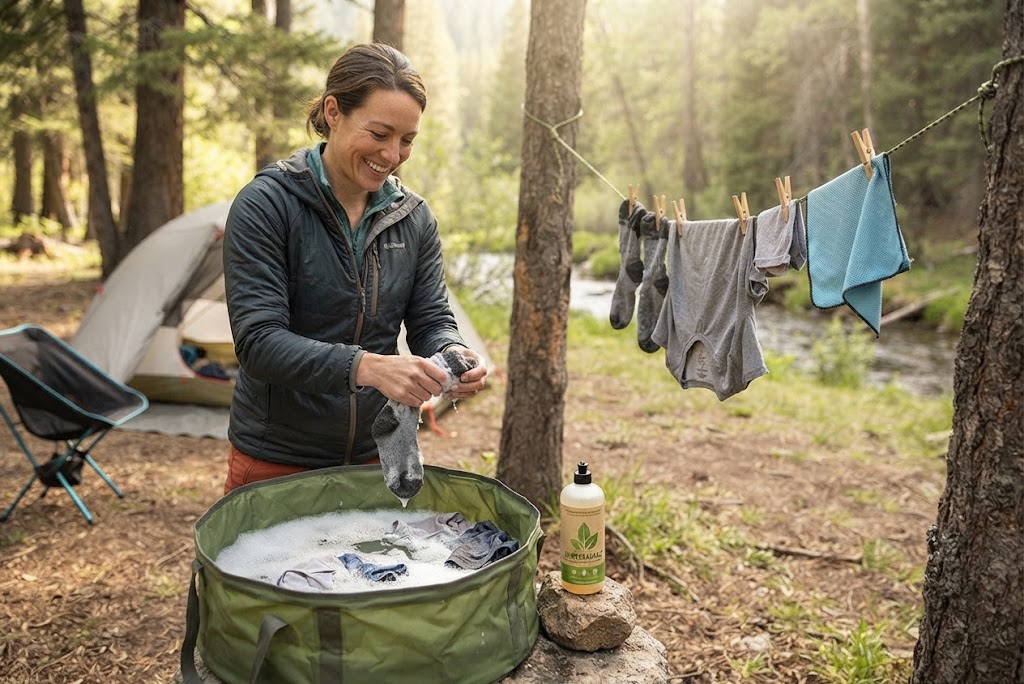
On camps without permanent washing facilities, follow the site’s arrangements for water use and washing.
4. Air Your Sleeping Bag
If conditions allow, open up your sleeping bag and allow it to air.
Overnight, moisture from your body can build up inside the bag.
Don’t immediately compress it and leave it packed away while it is still damp.
If the sleeping bag needs to be stored rather than used again that night, follow its normal storage and packing instructions.
5. Organise Your Sleeping Area
Put personal equipment away and make sure the sleeping area is tidy.
Keep footwear, clothing and other equipment in appropriate places rather than leaving them loose around the tent.
This makes it easier to find things later and reduces trip hazards.
6. Check the Tent
Before leaving the tent, look for obvious problems.
Check that the tent remains properly pitched and that there are no signs of damage or water ingress.
Look at guy lines, poles and the flysheet.
If something needs attention, report it before the day’s activities begin.
7. Get Breakfast Organised
Move to the appropriate cooking or dining area.
Those responsible for food preparation should begin their tasks while others carry out their assigned morning jobs.
Keep raw and cooked food appropriately separated and maintain good hand hygiene.
8. Eat and Drink Properly
Don’t rush breakfast simply because the day’s first activity is approaching.
Eat enough food and drink plenty of water.
If you’re going on a demanding activity, make sure you have any food or drink you are expected to carry with you.
9. Clear Up After Breakfast
Once everyone has eaten, clean and put away cooking and eating equipment.
Deal with food waste appropriately and leave the cooking area clean.
Don’t leave food lying around the campsite, as it can attract animals and pests.
10. Complete Morning Camp Duties
Carry out any jobs that need to happen each morning.
This could include checking communal areas, organising equipment, dealing with rubbish or preparing activity equipment.
Keep responsibilities clear so that everyone knows what they are doing.
11. Check the Weather
Before leaving camp for activities, check the current conditions and forecast.
Look for changes in temperature, rain, wind or other conditions that could affect the day’s plans.
Adjust clothing and equipment accordingly.
12. Prepare Activity Equipment
Collect the equipment needed for the first activity.
Check that everything is present and in usable condition.
Don’t leave equipment checks until you’re already at the activity location.
13. Pack Personal Essentials
Depending on the day’s activities, campers may need water, waterproof clothing, sun protection, spare clothing, navigation equipment or other personal items.
Use a checklist for longer or more demanding activities.
14. Carry Out a Campsite Check
Before the group leaves an area, look around the campsite.
Check for rubbish, forgotten equipment, unsecured items and obvious hazards.
If severe weather is expected, make sure tents and loose equipment are appropriately secured.
15. Hold a Morning Briefing
Bring everyone together before the day’s main activities begin.
Explain what is happening, where people need to be and what equipment they need.
Mention important changes to the plan and any relevant safety information.
Keep it concise.
16. Set Off on Time
Once everyone is ready, begin the day’s activities.
If you’re consistently running late, don’t simply make the morning routine faster.
Look at which stages are taking too long and adjust the timetable or responsibilities.
Example Morning Camp Routine
|
Time |
Activity |
|---|---|
|
07:30 |
Wake up |
|
07:35 |
Dress, toilet and personal hygiene |
|
07:50 |
Air and organise sleeping equipment |
|
08:00 |
Breakfast |
|
08:30 |
Wash up and camp duties |
|
08:45 |
Weather and equipment check |
|
09:00 |
Morning briefing |
|
09:15 |
Ready for first activity |
These timings are only an example and should be adapted to the group and day’s programme.
Morning Routine in Wet Weather
Wet mornings need a little more planning.
Allow extra time for getting dressed, dealing with wet equipment and preparing waterproof clothing.
Don’t pack wet tents or sleeping equipment away unless necessary. If you have to leave camp with wet equipment, arrange to dry it properly as soon as practical.
Morning Routine Before Leaving Camp
If the morning is also the start of a journey or activity away from the campsite, allow additional time.
Everyone should know what they need to carry and where they need to meet.
Do a final check for personal belongings, equipment and rubbish before leaving.
Final Tip
A successful morning routine isn’t about getting everyone out of their tents as quickly as possible.
It’s about starting the day organised and ready.
Give people enough time to wash, eat, sort their equipment and prepare for the weather, then finish with a short briefing so everyone knows what comes next.
🔒Ready to test your survival skills?
Join Survival Guides UK for free, complete challenges, earn badges and increase your Survival Level.
JOIN FREE →
CRAIG BURR
FOUNDER · SURVIVAL GUIDES UK
I'm Craig, the person behind Survival Guides UK. I created SGUK because I wanted somewhere people could learn real outdoor skills in a practical, straightforward way — from lighting a fire and tying knots to navigation, campcraft and everything in between.
You can read more about the story behind SGUK here as well as our approach here.