Evening Camp Routine: How to Finish the Day at Camp
Activity Overview
Difficulty: Easy
Time: 45–90 minutes
Location: Campsites and outdoor camps
Best for: Cubs, Scouts, Explorers, Patrol Leaders, campers and outdoor enthusiasts
Skills: Camp organisation, teamwork, personal hygiene, equipment care, time management and campcraft
An evening camp routine gives everyone time to eat, clean up, organise equipment, wash, prepare for bed and settle down safely.
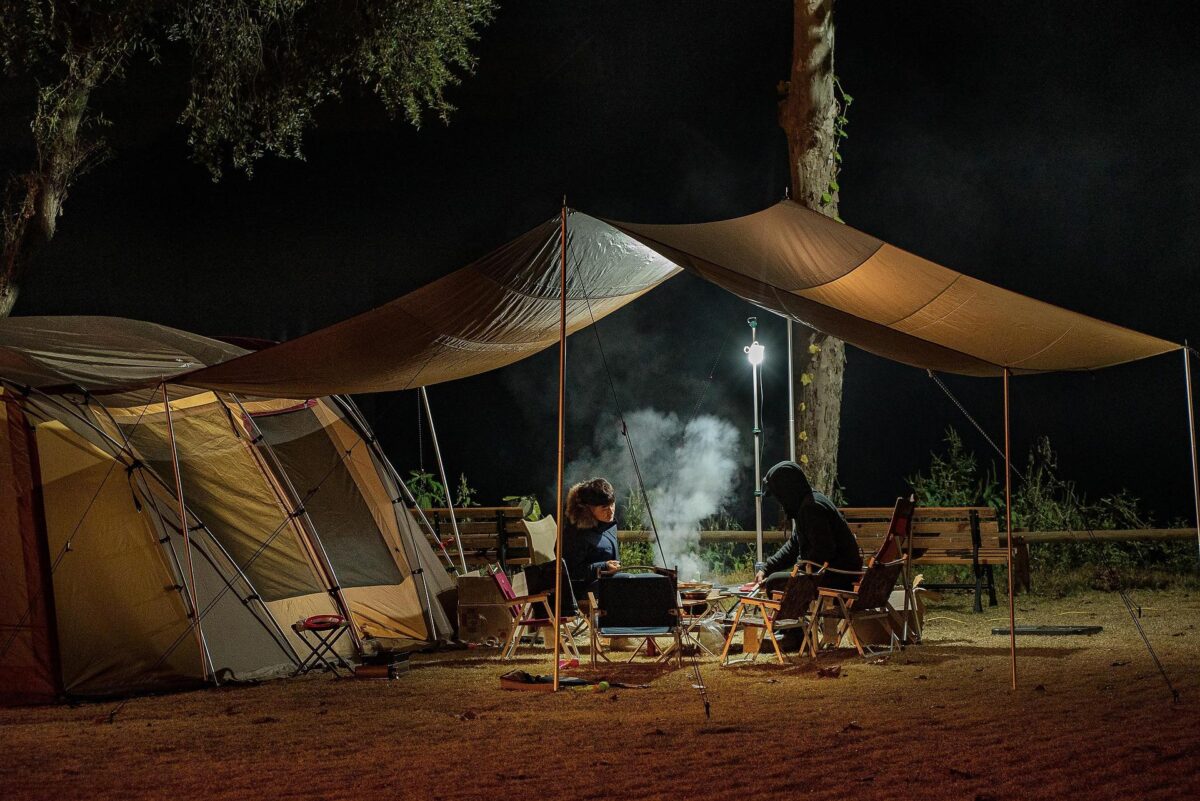
A good routine starts before it gets dark. After the evening meal, deal with cooking equipment and rubbish, check the campsite, prepare clothing and sleeping equipment, complete personal hygiene and make sure everyone knows when quiet time and bedtime begin.
The routine should be relaxed but structured, with enough flexibility to account for weather, activities and tired campers.
What You’ll Learn
You’ll learn how to organise the end of a camping day so that important jobs are completed before bedtime.
You’ll also learn how to manage the evening meal, washing up, camp duties, equipment checks, personal hygiene and quiet time.
🟢 SAFETY – LOW RISK
Evenings bring reduced visibility and can make hazards such as guy lines, tent pegs and uneven ground harder to see.
Use appropriate lighting and keep pathways clear.
Don’t leave cooking equipment, fires or other hazards unattended.
Younger campers should have appropriate supervision during evening activities and when moving around the campsite after dark.
Make sure everyone knows the campsite’s night-time arrangements and what to do if they need help.
Equipment
Useful equipment may include headtorches or other suitable lighting, wash kits, warm clothing, sleeping bags, sleeping mats and any equipment required for the evening activity.
A checklist can help with larger camps, particularly when checking shared equipment.
Prerequisites
No previous experience is required.
Before camp, decide the approximate timings for dinner, evening activities, camp duties, personal hygiene, quiet time and bedtime.
Make sure everyone understands the routine rather than assuming they will automatically know what happens next.
Instructions
1. Start the Evening Routine Before Dark
Where possible, begin getting organised while there is still daylight.
Check tents, equipment and the campsite before visibility becomes poor.
This is also a good time to collect anything that will be needed during the evening.
2. Prepare for the Evening Meal
Organise the cooking and dining area.
Those responsible for cooking should have the necessary ingredients and equipment ready.
Everyone else can complete suitable camp duties rather than gathering around the cooking area unnecessarily.
3. Eat Together
Allow enough time for everyone to eat properly.
Encourage campers to drink water, particularly after an active day.
Keep food and cooking areas organised and follow appropriate food hygiene practices.
4. Wash Up
Don’t leave washing up until the morning.
Clean cooking equipment, plates, mugs and utensils and put them away appropriately.
Deal with food waste and rubbish according to the campsite’s arrangements.
A simple rotation of washing-up jobs can make this much quicker.
5. Check the Cooking Area
Once cooking is finished, make sure the area is left safe.
If using a stove, ensure it is turned off and stored according to the manufacturer’s instructions.
If a campfire has been used, follow the site’s fire arrangements and make sure it is properly dealt with before people leave the area.
Never leave a fire or other ignition source unattended.
6. Tidy the Campsite
Put equipment back in its designated place.
Remove rubbish and make sure food is stored appropriately.
Check that nothing is being left where it could become a trip hazard or be damaged overnight.
7. Check the Weather
Look at the expected conditions for the night.
Strong winds, heavy rain or falling temperatures may require changes to how equipment is secured or what people wear to bed.
Don’t wait until everyone is in their sleeping bags to discover that the weather is deteriorating.
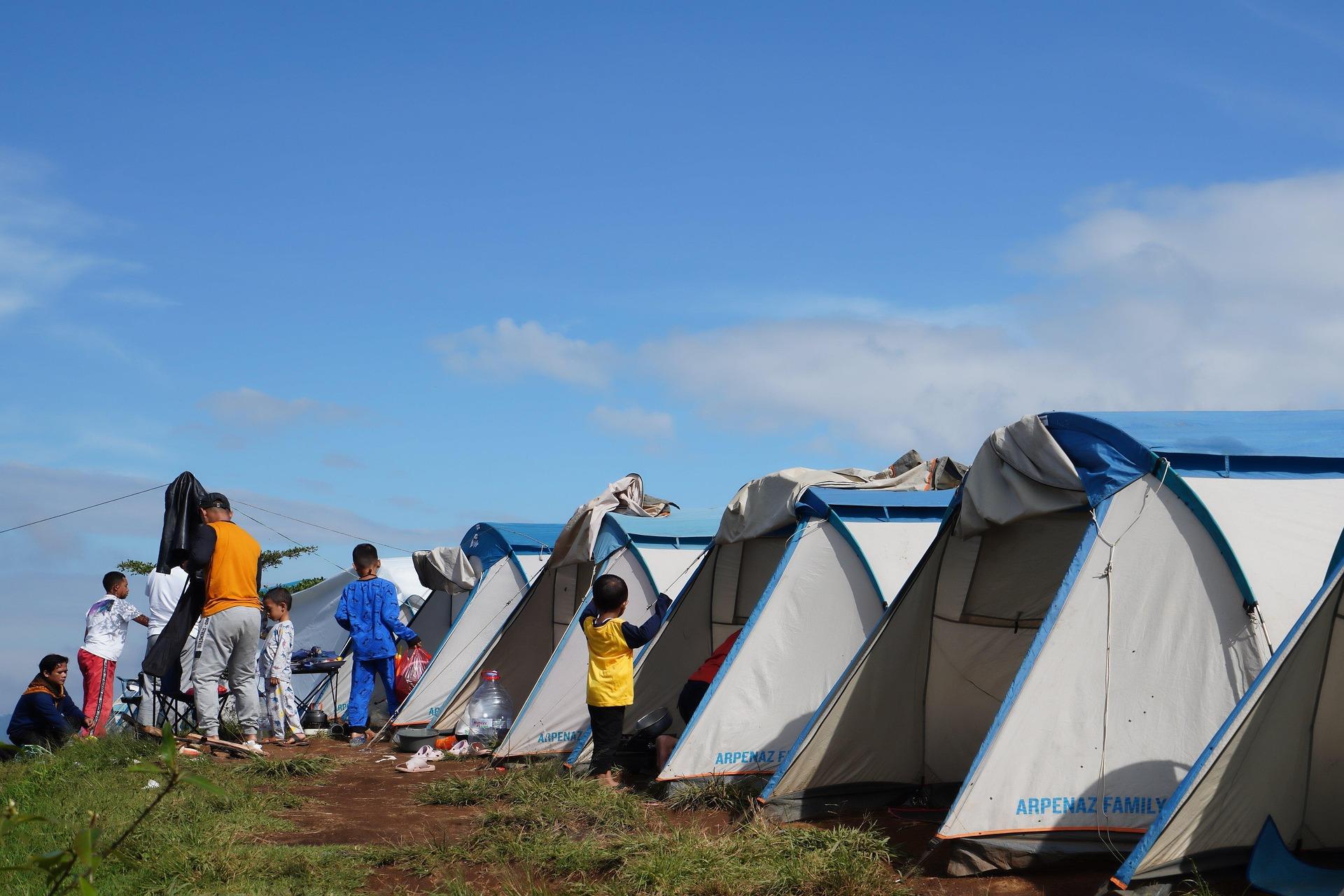
8. Check Tents and Guy Lines
Before it gets properly dark, check that tents remain secure.
Look at the guy lines, pegs and flysheet.
Make any necessary adjustments while you can still see clearly.
In windy weather, continue monitoring the tent throughout the evening.
9. Prepare Sleeping Equipment
Get sleeping bags, mats and night-time clothing ready.
Make sure anything needed during the night is easily accessible.
Don’t leave essential items outside where they could become wet.
If sleeping equipment has become damp during the day, deal with it before bedtime where possible.
10. Organise Personal Equipment
Put away items that aren’t needed overnight.
Keep footwear, clothing and personal equipment in sensible places.
Avoid leaving valuables or loose equipment outside the tent.
A tidy sleeping area makes the morning routine considerably easier.
11. Complete Personal Hygiene
Give everyone time to wash, brush their teeth and use the toilet before settling down.
On camps without permanent facilities, follow the site’s arrangements for washing and toileting.
Personal hygiene is particularly important on longer camps.
12. Change Into Suitable Night Clothing
Choose clothing appropriate for the overnight conditions.
Avoid going to bed in damp clothing.
If temperatures are expected to fall significantly, make sure campers have appropriate sleeping equipment and clothing rather than relying on uncomfortable layers that may restrict the sleeping bag’s insulation.
13. Check That Everyone Is Ready for the Night
Before quiet time, make sure everyone has what they need.
Water, essential medication where applicable, warm clothing and appropriate personal items should be accessible.
This reduces unnecessary movement around camp after dark.
14. Give a Short Evening Briefing
Bring the group together before everyone settles down.
Explain the plan for the remainder of the evening and the arrangements for the morning.
Remind everyone about quiet hours, campsite boundaries and who to speak to if there is a problem during the night.
For younger campers, make sure they know how to get help if they need it.
15. Reduce Noise
Once the agreed quiet time begins, reduce unnecessary noise around the campsite.
Remember that other campers may already be sleeping.
Avoid shouting between tents or using bright lights unnecessarily.
16. Complete a Final Campsite Check
Before responsible adults settle down for the night, carry out a final check.
Look for:
The exact checks will depend on the campsite and activities.
17. Keep Emergency Arrangements Clear
Everyone should know what to do if there is an emergency during the night.
Make sure responsible people know where essential emergency equipment is and how to raise the alarm.
Keep suitable lighting available.
For organised camps, follow the group’s established emergency procedures.
18. Settle Down for Bed
Once the evening routine is complete, campers can settle into their tents.
Try to keep the transition from evening activity to bedtime calm rather than suddenly announcing that everyone must go to bed immediately.
A predictable routine helps people wind down after a busy day.
Example Evening Camp Routine
|
Time |
Activity |
|---|---|
|
17:30 |
Prepare evening meal |
|
18:00 |
Dinner |
|
18:45 |
Wash up and camp duties |
|
19:15 |
Evening activity |
|
20:15 |
Return to camp and check equipment |
|
20:30 |
Personal hygiene |
|
20:45 |
Prepare sleeping areas |
|
21:00 |
Evening briefing |
|
21:15 |
Quiet time |
|
21:30 |
Bedtime |
These timings are examples only. Younger campers may have an earlier bedtime, while older groups may have a later evening programme.
Evening Routine in Wet Weather
Wet weather can make the evening routine more difficult.
Keep wet clothing and equipment organised so that it doesn’t make sleeping areas damp.
Allow additional time for changing clothes and dealing with wet equipment.
If tents or shelters are becoming unsafe, don’t allow the routine to continue as normal simply because it is on the timetable. Follow the camp’s contingency arrangements.
Evening Routine on a Long Camp
On longer camps, don’t let small jobs accumulate.
A short daily check of equipment, clothing, sleeping areas and communal spaces can prevent problems later in the week.
Rotate camp duties so everyone gets experience of different responsibilities.
Final Tip
A good evening routine should leave the campsite clean, secure and quiet before everyone goes to bed.
Get the important jobs done while there is still enough light, check the weather, organise sleeping equipment and finish with a short briefing.
The aim isn’t simply to get everyone into their sleeping bags. It’s to make sure tomorrow morning starts smoothly because tonight was properly organised.
🔒Ready to test your survival skills?
Join Survival Guides UK for free, complete challenges, earn badges and increase your Survival Level.
JOIN FREE →
CRAIG BURR
FOUNDER · SURVIVAL GUIDES UK
I'm Craig, the person behind Survival Guides UK. I created SGUK because I wanted somewhere people could learn real outdoor skills in a practical, straightforward way — from lighting a fire and tying knots to navigation, campcraft and everything in between.
You can read more about the story behind SGUK here as well as our approach here.