Scout Patrol Roles UK: Patrol Leader, Assistant & Team Responsibilities
Activity Overview
Difficulty: Easy
Time: 20–30 minutes to learn; roles develop through regular activities
Location: Scout hut, campsite or outdoor activity area
Best for: Scouts, Patrol Leaders, Assistant Patrol Leaders and adult volunteers
Skills: Leadership, teamwork, communication, organisation, decision-making and responsibility
A Scout Patrol is a small team within a Scout Troop. Each member has a part to play, with the Patrol Leader (PL) taking responsibility for leading the Patrol and the Assistant Patrol Leader (APL) supporting them.
The important thing to remember is that being a Patrol Leader isn’t about being the boss. A good Patrol Leader helps the whole team work together, listens to other Scouts and sets a good example.
Depending on the Troop, Patrols may also give Scouts additional responsibilities such as equipment, navigation, cooking, first aid or activity planning.
The exact jobs can vary between Patrols, but everyone should have an opportunity to contribute.
What You’ll Learn
By the end of this guide, you’ll understand:
🟢 SAFETY – LOW RISK
Patrol roles themselves are low risk, but some Patrol members may be given responsibilities involving equipment or activities that have their own risks.
For example:
- Cooking
- Fire lighting
- Knifework
- First aid
- Navigation
- Water activities
- Camp equipment
- Tool use
A Scout should only take responsibility for an activity that is appropriate for their age, ability and training.
Being a Patrol Leader does not automatically make someone competent to supervise a hazardous activity.
Adults remain responsible for appropriate supervision and safety.
Equipment
No specialist equipment is needed to learn Patrol roles.
Useful items for putting the system into practice include:
The equipment will depend on what the Patrol is doing.
Prerequisites
There are no formal prerequisites for becoming a useful member of a Patrol.
A Scout should be able to:
A Patrol Leader should have enough experience and maturity to take on the responsibilities given to them by their Troop.
Patrol Roles
1. Patrol Leader
The Patrol Leader (PL) is the main youth leader within the Patrol.
Their job is to help the Patrol work effectively as a team.
A good Patrol Leader should:
The PL should lead the Patrol, not boss it.
A good Patrol Leader doesn’t need to have all the answers. Knowing when to ask another Scout or an adult for help is an important leadership skill.
2. Assistant Patrol Leader
The Assistant Patrol Leader (APL) supports the Patrol Leader.
They may:
The APL should work with the PL rather than competing with them.
A strong PL and APL should operate as a team.
3. Patrol Members
A Patrol doesn’t work if all the responsibility sits with the PL.
Every Patrol member has responsibilities.
These include:
Being a Patrol member is not a passive role.
4. Patrol Quartermaster
Some Patrols may give someone responsibility for equipment or stores.
A Patrol Quartermaster might help:
The Quartermaster isn’t solely responsible for every item belonging to the Patrol.
Everyone should look after equipment.
5. Patrol Navigator
For hiking, expeditions and outdoor activities, a Scout with good navigation skills can take responsibility for helping the Patrol navigate.
They might:
This role should never encourage a Scout to ignore an adult leader’s safety instructions.
Navigation is a skill that should be shared rather than kept by one person.
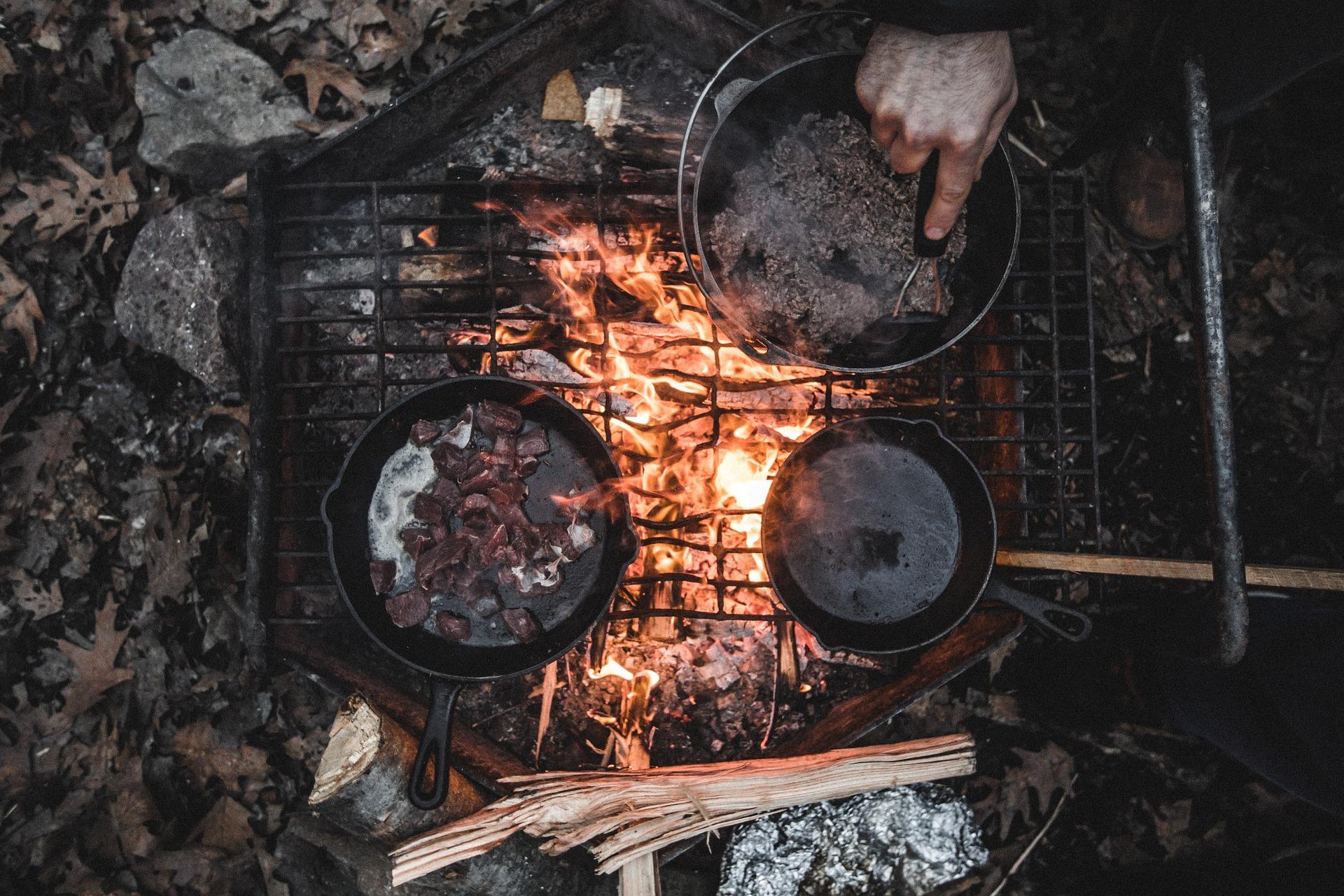
6. Patrol Cook
On suitable camps and activities, one or more Scouts can take responsibility for cooking.
Their jobs might include:
Cooking involving stoves, fires, hot pans or sharp equipment must be carried out with appropriate supervision and training.
7. Patrol First Aider
A Scout with appropriate first-aid training can help the Patrol respond to minor injuries.
Their role might include:
A Patrol First Aider should never be expected to deal with an emergency alone.
Adult leaders and emergency services remain responsible for serious incidents.
8. Patrol Scribe
A Patrol Scribe can help keep the Patrol organised.
They might record:
This can be particularly useful when the Patrol is planning a camp or expedition.
9. Patrol Timekeeper
A timekeeper can help the Patrol stay organised during activities.
They might:
A simple watch or phone may be sufficient, subject to the group’s rules regarding phones.
10. Every Scout Can Have a Job
You don’t need a complicated hierarchy.
For many Patrols, the most effective approach is simply to share jobs between everyone.
For example:
|
Job |
Responsibility |
|---|---|
|
Patrol Leader |
Organises and leads |
|
Assistant Patrol Leader |
Supports the PL |
|
Equipment |
Checks and organises gear |
|
Navigation |
Helps with maps and routes |
|
Cooking |
Helps plan and prepare food |
|
First Aid |
Supports minor first-aid needs |
|
Scribe |
Records plans and decisions |
|
Timekeeper |
Keeps the Patrol and schedule |
These roles don’t have to be permanent.
Rotating jobs gives more Scouts the opportunity to develop different skills.
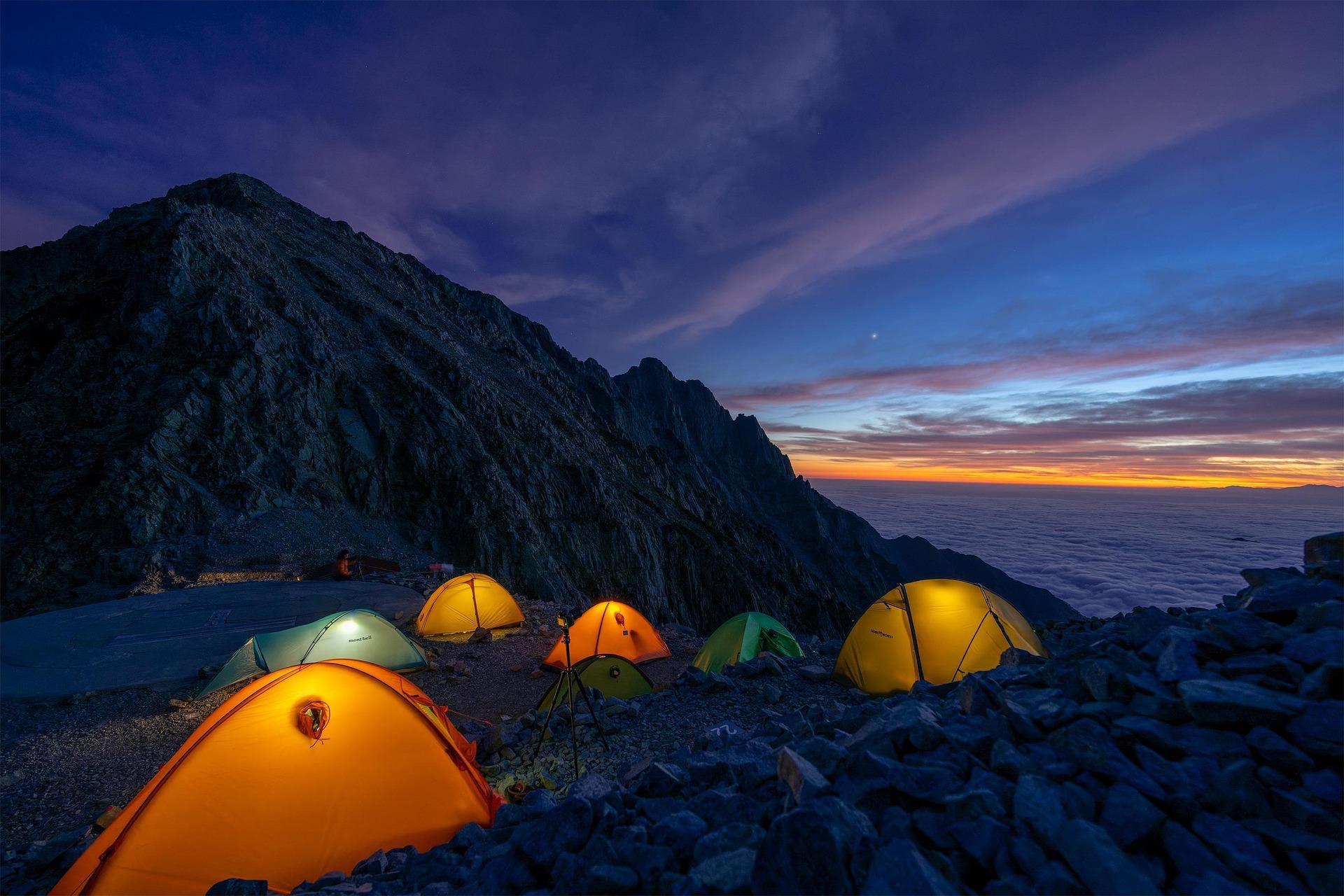
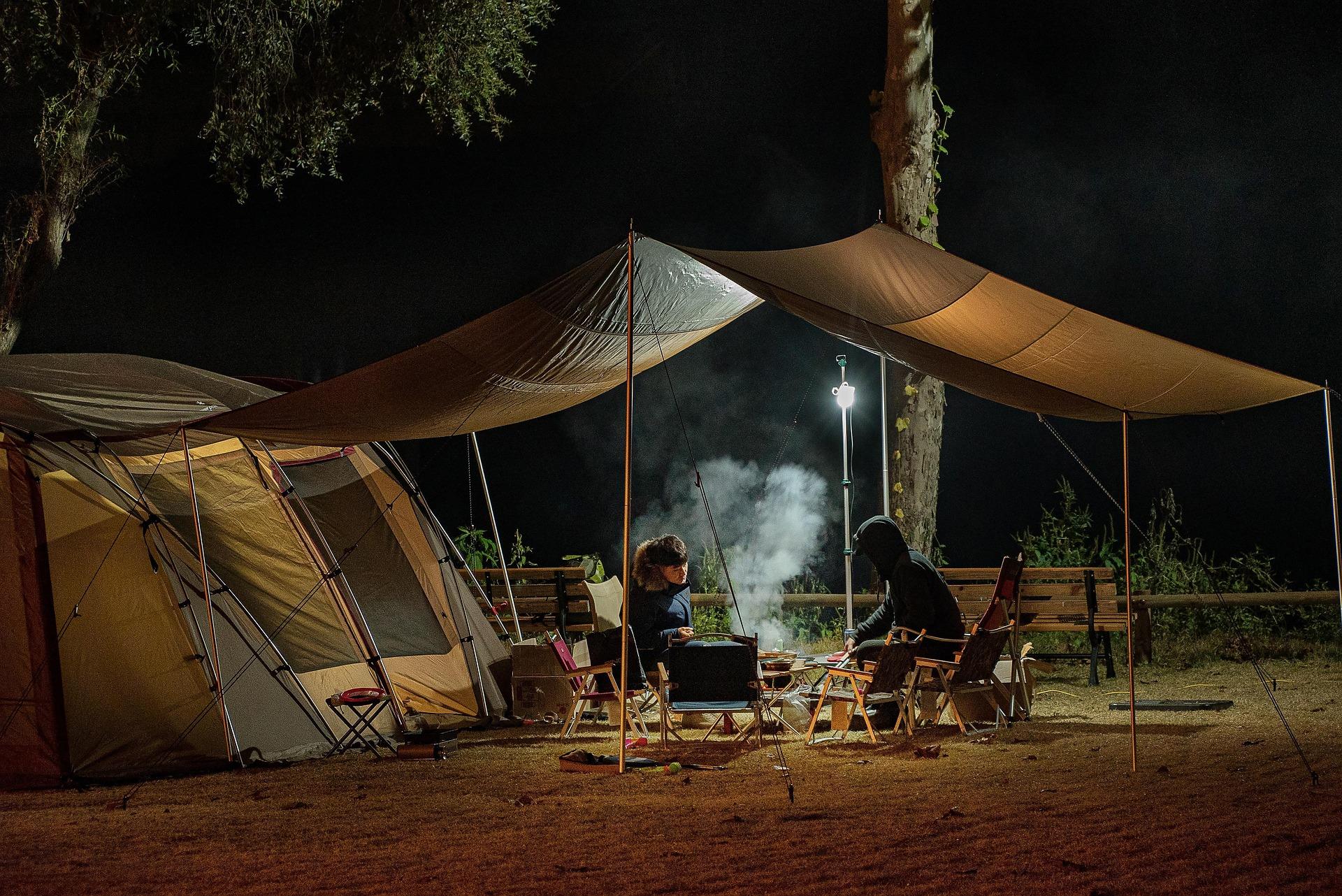
Patrol Roles on Camp
A Patrol becomes particularly useful when everyone has a job on camp.
For example:
Before camp
PL: Organises the Patrol.
APL: Checks everyone knows what they need.
Equipment Scout: Checks shared equipment.
Cook: Helps plan food.
Navigator: Checks maps and route information.
During camp
Jobs might include:
Rotate these jobs where practical.
One Scout shouldn’t end up cooking every meal while another does all the washing up.
How Patrol Leaders Should Lead
Good Patrol leadership is about getting the best out of the team.
Don’t:
Do:
The best Patrol Leaders are often the ones who make everyone else better.
Developing New Patrol Leaders
Patrol leadership should be something Scouts can learn gradually.
An experienced Scout might start by:
- Helping organise a small activity.
- Taking responsibility for equipment.
- Leading a short navigation exercise.
- Helping younger Scouts.
- Running a Patrol game.
- Planning part of a meeting.
- Supporting the existing PL.
- Eventually taking on the Patrol Leader role.
This gives Scouts practical leadership experience without expecting them to suddenly become experts.
Final Tip
A successful Patrol doesn’t need ten different job titles.
The most important roles are:
Patrol Leader → Assistant Patrol Leader → Everyone else contributing.
The real purpose of the Patrol system is to give Scouts the opportunity to lead, follow, cooperate, solve problems and take responsibility.
If every member finishes an activity feeling that they contributed something useful, the Patrol is doing its job.
🔒Ready to test your survival skills?
Join Survival Guides UK for free, complete challenges, earn badges and increase your Survival Level.
JOIN FREE →
CRAIG BURR
FOUNDER · SURVIVAL GUIDES UK
I'm Craig, the person behind Survival Guides UK. I created SGUK because I wanted somewhere people could learn real outdoor skills in a practical, straightforward way — from lighting a fire and tying knots to navigation, campcraft and everything in between.
You can read more about the story behind SGUK here as well as our approach here.