Camp Kitchen Hygiene
Activity Overview
Difficulty: Moderate
Time: 15–30 minutes to set up; maintained throughout camp
Location: Scout campsites and outdoor camps
Best for: Cubs, Scouts, Explorers, Patrol Leaders and adult leaders
Skills: Food hygiene, campcraft, outdoor cooking, organisation and teamwork
Good camp kitchen hygiene means keeping hands, food, equipment and preparation areas clean and preventing food from becoming contaminated.
Outdoor cooking can make hygiene more challenging because you may have limited water, workspace and refrigeration. A simple system for hand washing, food preparation, cooking, storage, washing up and waste makes it much easier to keep the kitchen clean and safe.
What You’ll Learn
You’ll learn how to maintain a hygienic camp kitchen before, during and after cooking.
You’ll also learn how to handle food safely, prevent cross-contamination, keep equipment clean, deal with waste and manage food storage when camping.
🟡 SAFETY – MODERATE RISK
Poor food hygiene can cause food poisoning, while outdoor cooking also introduces risks from hot equipment and sharp tools.
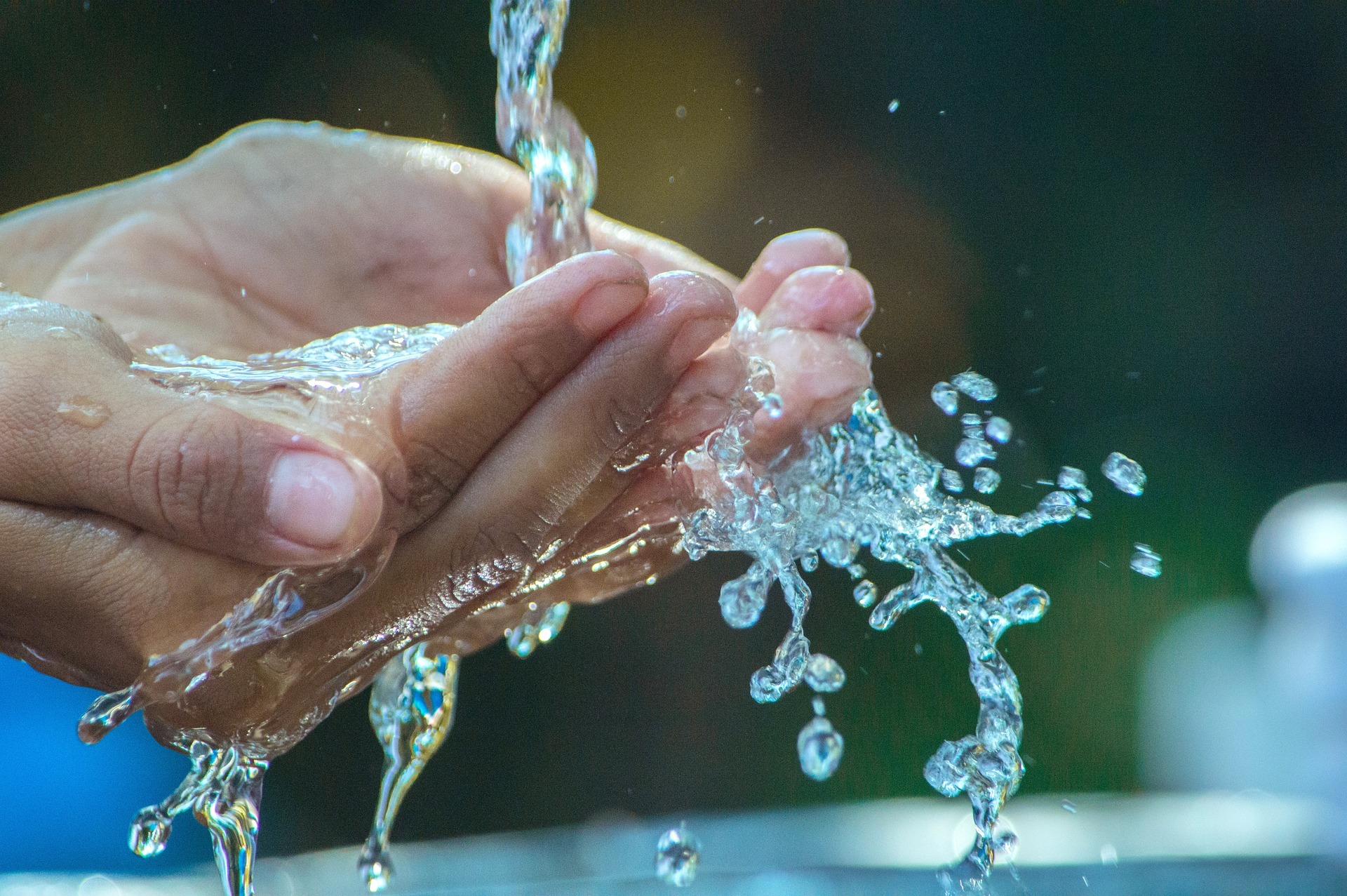
Wash hands before preparing food and after using the toilet, handling rubbish or handling raw food.
Keep raw and ready-to-eat foods separate and follow appropriate food-storage temperatures.
Don’t use food or water if you have a reasonable concern that it has become contaminated.
Anyone who is unwell, particularly with vomiting or diarrhoea, should not prepare food for other people.
Equipment
A camp kitchen hygiene setup may include clean water, hand-washing facilities, soap, kitchen towels or suitable drying arrangements, chopping boards, cooking utensils, washing-up equipment and rubbish containers.
Food should be stored in suitable sealed containers where appropriate.
A clean table or other suitable preparation surface is also important.
Prerequisites
Before camp, check what water, washing and waste-disposal facilities are available.
Plan meals with the campsite’s facilities and expected weather in mind.
Make sure everyone involved in cooking understands the basic hygiene rules before food preparation begins.
Instructions
1. Set Up Hand-Washing Facilities
Hand washing should be easy to access and happen before food preparation.
Provide clean water and suitable soap.
Make sure people can wash their hands after using the toilet and after handling rubbish or raw food.
If the campsite has specific requirements for water use, follow them.
2. Keep the Preparation Area Clean
Start with a clean preparation surface.
Remove unnecessary equipment and rubbish before preparing food.
Clean up spills promptly rather than allowing them to spread around the kitchen.
A tidy workspace makes it easier to prevent contamination.
3. Wash Hands Before Cooking
Wash hands thoroughly before handling food.
This is particularly important after using the toilet, touching animals, handling waste or carrying out other activities around camp.
Don’t assume that hands are clean simply because they look clean.
4. Keep Raw and Ready-to-Eat Food Separate
Raw meat, poultry and other foods that can carry harmful bacteria should be kept away from foods that will be eaten without further cooking.
Use suitable separate chopping boards and utensils where possible.
Don’t place cooked food back onto a plate or surface that has held raw food unless it has been properly cleaned first.
5. Keep Food at Safe Temperatures
Perishable food needs particular attention at camp.
Use appropriate cool storage and follow the food manufacturer’s storage instructions.
Don’t leave chilled food sitting in warm conditions for long periods.
Plan meals so that ingredients requiring refrigeration aren’t unnecessarily exposed to warm weather.
6. Check Food Before Using It
Check packaging, dates, appearance and storage conditions.
Don’t rely solely on smell to decide whether food is safe.
If food has been stored incorrectly or there is reasonable doubt about its safety, don’t serve it.
7. Protect Food From the Environment
Keep food covered or sealed when it isn’t being prepared.
Outdoor kitchens can expose food to insects, dirt, dust and weather.
Keep food containers off the ground and away from areas where they could become contaminated.
8. Use Clean Cooking Equipment
Cooking pots, pans and utensils should be clean before use.
Don’t use equipment that still has food residue from a previous meal.
Inspect equipment as you get it out rather than discovering problems halfway through cooking.
9. Cook Food Thoroughly
Follow appropriate cooking instructions for the food being prepared.
Particular care is needed with foods such as poultry, minced meat and other foods where harmful bacteria may be present.
Don’t assume that food is safe simply because the outside appears cooked.
10. Don’t Touch Ready-to-Eat Food Unnecessarily
Once food is ready to eat, avoid unnecessary handling.
Use clean utensils for serving.
Don’t allow used utensils to move between raw ingredients and cooked or ready-to-eat food.
11. Keep Personal Items Away From Food
Phones, bags, muddy clothing and other personal equipment shouldn’t be placed on food preparation surfaces.
Keep the kitchen as a dedicated clean working area.
12. Deal With Washing Up Properly
Wash cooking equipment, plates, mugs and utensils after meals.
Use the campsite’s approved washing-up arrangements and dispose of wastewater where instructed.
Don’t simply pour dirty water anywhere on the campsite.
Allow equipment to dry properly before storing it.
13. Keep Cleaning Equipment Clean
Sponges, cloths and other cleaning equipment can themselves become contaminated.
Replace or clean them regularly according to their intended use.
Don’t use a visibly dirty cloth to clean an otherwise clean preparation surface.
14. Manage Food Waste
Collect food scraps and other waste in suitable containers.
Don’t leave food waste scattered around the kitchen.
Secure rubbish appropriately, particularly overnight, and follow the campsite’s waste-disposal arrangements.
15. Clean Up Spills
Deal with food and drink spills as soon as practical.
Spills can attract insects and animals and can also create slippery surfaces.
Clean the affected area before continuing food preparation.
16. Keep the Kitchen Organised
Good organisation makes hygiene much easier.
Keep clean equipment separate from dirty equipment.
Store ingredients together in an orderly way and return items to their proper place after use.
Avoid having food, rubbish and dirty washing-up equipment all occupying the same area.
17. Check the Kitchen Between Meals
Before preparing the next meal, take a quick look around.
Clear away rubbish, clean preparation surfaces and check that food has been stored correctly.
This prevents small hygiene problems from building up throughout the day.
18. Clean the Kitchen at the End of the Day
The final kitchen check is particularly important.
Wash and store equipment, dispose of waste, secure food and leave preparation surfaces clean.
Don’t leave dirty cooking equipment overnight expecting it to be dealt with in the morning.
Camp Kitchen Hygiene Checklist
|
Area |
Check |
|---|---|
|
Hands |
Washed before food preparation |
|
Water |
Suitable and protected from contamination |
|
Surfaces |
Clean before use |
|
Raw food |
Kept separate |
|
Ready-to-eat food |
Protected from contamination |
|
Chilled food |
Stored appropriately |
|
Cooking equipment |
Clean and suitable |
|
Washing up |
Completed after meals |
|
Waste |
Contained and disposed of correctly |
|
Food storage |
Protected and secure |
|
Kitchen |
Clean and organised |
Hygiene on Patrol Camps
On a patrol camp, everyone should understand that kitchen hygiene is a shared responsibility.
The person cooking isn’t automatically responsible for every aspect of cleanliness. One person can prepare food while another manages washing up and another deals with food storage and waste.
Rotating these jobs gives everyone useful experience and prevents hygiene from being overlooked when the kitchen gets busy.
Hygiene in Hot Weather
Warm weather requires additional care with perishable food.
Keep chilled food cold for as long as possible and minimise the amount of time it spends outside suitable refrigeration.
Plan meals around the facilities available rather than taking highly perishable food on a trip where adequate cold storage isn’t available.
Hygiene in Poor Weather
Rain shouldn’t mean abandoning good hygiene.
Keep food preparation areas protected from rain without creating unsafe conditions around cooking equipment.
Wet equipment should be cleaned and dried properly rather than simply packed away while still damp.
Final Tip
Camp kitchen hygiene doesn’t need to be complicated.
Clean hands, clean equipment, safe food storage, separation of raw and ready-to-eat food, and proper washing up cover the basics.
Set the kitchen up properly at the beginning of camp and make hygiene part of every meal routine. That way, keeping the kitchen safe becomes normal campcraft rather than another job to remember.
🔒Ready to test your survival skills?
Join Survival Guides UK for free, complete challenges, earn badges and increase your Survival Level.
JOIN FREE →
CRAIG BURR
FOUNDER · SURVIVAL GUIDES UK
I'm Craig, the person behind Survival Guides UK. I created SGUK because I wanted somewhere people could learn real outdoor skills in a practical, straightforward way — from lighting a fire and tying knots to navigation, campcraft and everything in between.
You can read more about the story behind SGUK here as well as our approach here.