How to Store Food While Camping
⚠️ SAFETY FIRST
Food can become unsafe surprisingly quickly when you’re camping, particularly during warm weather.
Keep perishable food cold, prevent raw and cooked foods from contaminating each other, wash your hands before handling food and follow the storage instructions on packaged products.
If food has been left at an unsafe temperature for too long or you’re unsure whether it is safe, throw it away rather than taking the risk.
Food is one of the most important parts of any camping trip.
After a long walk or a busy day of activities, there’s nothing better than sitting down to a decent meal.
But camping changes the way you normally store food.
At home, you have a refrigerator, freezer and kitchen cupboards.
At camp, you may have nothing more than a cool box, a dry bag and the inside of your tent.
That means you need to think ahead.
Good food storage isn’t just about keeping your dinner edible. It’s also about preventing food poisoning, protecting food from animals and insects, keeping the campsite clean and reducing waste.
Keep Perishable Food Cold
The biggest consideration with foods such as meat, dairy products and some prepared meals is temperature.
These foods can become unsafe if they’re kept too warm for too long.
A good cool box or camping fridge can make a major difference.
If you’re using a cool box, start with it properly chilled and use plenty of ice packs or frozen blocks.
Try not to open it unnecessarily.
Every time you open the lid, cold air escapes and warm air gets in.
🧊 COOL BOX TIP
Your cool box works best when you treat it like a fridge, not a cupboard.
Keep the lid closed as much as possible and organise it so you can quickly find what you need.
For longer trips, a powered camping fridge may be more suitable, particularly if you’re travelling by vehicle.
Don’t Rely on the Weather to Keep Food Cold
A common camping mistake is assuming that because the night feels cold, food can simply be left outside.
That’s unreliable.
Temperatures can change considerably overnight, and food may spend long periods in conditions that aren’t cold enough to keep it safely chilled.
The same applies to using a stream.
Putting food or drinks into a stream isn’t a reliable substitute for proper refrigeration.
Keep perishable food in a suitable insulated container.
Pack Food Before You Leave
Good food storage starts at home.
Think about what actually needs refrigeration.
Shelf-stable foods are particularly useful for camping because they don’t need to be kept cold until they’re opened.
Things such as:
can be easier to manage than highly perishable ingredients.
That doesn’t mean you need to eat nothing but dried food.
It simply means that choosing some foods that are naturally easier to store can make camping much simpler.
Plan Your Meals
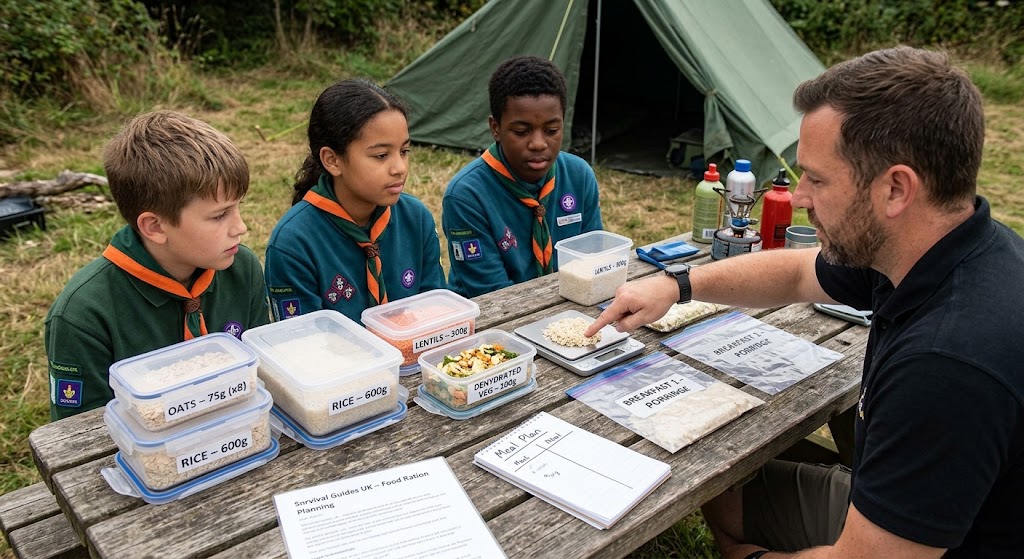
Meal planning can reduce both food waste and the amount of equipment you need.
If you’re camping for two nights, there’s little point bringing enough fresh food for a week.
Think about what meals you’ll actually eat and how much food you need.
Pre-portioning ingredients at home can also save space and reduce the amount of packaging you have to carry.
🎒 PACKING TIP
The best camping food is food you’ll actually eat.
Plan your meals before packing rather than filling your bag with random ingredients.
Keep Raw and Ready-to-Eat Food Separate
Cross-contamination is an important food-safety issue when camping.
Raw meat should not come into contact with foods that are going to be eaten without cooking.
For example, you don’t want raw chicken leaking onto bread, fruit or cooked food.
Keep raw meat sealed properly and store it separately from ready-to-eat food.
If you’re using a cool box, think about where everything is placed.
Raw foods should be contained so that they can’t leak onto other items.
Use Leak-Proof Containers
Camping can be rough on food packaging.
A bag gets tipped over.
A rucksack gets thrown down.
A cool box gets carried across uneven ground.
Liquid can escape surprisingly easily.
Use suitable sealed containers for foods that could leak.
This is particularly important for raw meat, sauces and other liquids.
A leak in your food bag isn’t just annoying.
It can create a hygiene problem.
Don’t Put Cooked Food Back With Raw Food
Once food has been cooked, treat it as ready-to-eat.
Don’t put cooked meat back onto the plate or container that held the raw meat unless it has been thoroughly cleaned first.
The same applies to utensils.
If a knife has been used on raw meat, don’t immediately use it to prepare salad or bread.
Wash it properly first.
Wash Your Hands
Camping doesn’t remove the need for good hygiene.
Before preparing food, wash your hands properly.
This becomes particularly important if you’ve been:
If running water isn’t available, carry an appropriate hand-cleaning solution and use it correctly.
Hand hygiene is one of the simplest ways to reduce the risk of spreading illness.
Protect Food From Insects
Flies, wasps and other insects can quickly become interested in food.
Don’t leave meals sitting uncovered.
Keep food in sealed containers when you’re not eating.
Clean spills quickly.
And don’t leave sweet drinks or food scraps lying around the campsite.
This isn’t just about annoyance.
Insects can contaminate food.
What About Animals?
You might not have bears visiting your UK campsite, but that doesn’t mean animals won’t be interested in your food.
Foxes, rodents, birds and other animals can investigate food left unattended.
The best approach is simple:
Don’t make your campsite an easy food source.
Keep food sealed and clean up after meals.
Never deliberately feed wild animals.
🦊 CAMPSITE TIP
If you wouldn’t leave your food uncovered in your garden, don’t leave it uncovered in the woods.
Wild animals quickly learn where easy food can be found.
Don’t Store Food in Your Sleeping Bag
Your sleeping bag should be for keeping you warm.
It shouldn’t become a food cupboard.
Keeping food inside your sleeping area can attract insects and animals, create smells and lead to spills.
Store food separately from where you sleep.
At an organised campsite, follow its specific food-storage rules.
What About Food in Your Tent?
This depends on the circumstances and campsite rules.
A tent isn’t a refrigerator and isn’t a secure food store.
Food can also attract insects and wildlife.
Where possible, store food in appropriate sealed containers rather than leaving it loose inside your sleeping area.
If you’re camping in an area with specific wildlife concerns, follow the local guidance.
Keep Food Away From Your Cooking Area
It can be useful to have your food near your cooking area, but don’t create unnecessary clutter.
Keep packaging, ingredients and cooking equipment organised.
This makes it easier to prepare food safely and reduces the chance of knocking something over.
It also means you can clean up properly when you’ve finished.
Don’t Leave Leftovers Sitting Around
You’ve cooked your meal.
You’re full.
The saucepan is still sitting there.
It’s tempting to think:
“I’ll deal with it later.”
That’s how food waste and campsite mess begin.
Deal with leftovers promptly.
If they’re suitable for keeping, store them appropriately and keep them chilled.
If not, dispose of them safely.
Don’t leave food sitting around overnight.
Be Careful With Leftovers
Camping doesn’t change the basic principles of food safety.
If cooked food needs refrigeration, keep it properly chilled.
Don’t assume that reheating food will automatically make unsafe food safe.
If food has been stored incorrectly or left out for too long, it’s better to throw it away.
🍲 WHEN IN DOUBT
If you’re unsure whether food has been stored safely, don’t eat it.
A missed meal is inconvenient.
Food poisoning can ruin the rest of your trip.
Don’t Leave Food in Direct Sunlight
Even packaged food can be affected by heat.
Direct sunlight can quickly raise the temperature inside bags and containers.
Keep food in a cool, shaded location where appropriate.
For food that requires refrigeration, shade isn’t enough — use proper cold storage.
Keep Your Cool Box Clean
Your cool box is effectively part of your kitchen.
If raw meat leaks inside it, clean it properly.
Don’t simply wipe it quickly and assume it’s fine.
At the end of a trip, clean and dry the cool box before storing it.
A dirty cool box can become a source of contamination on your next trip.
Frozen Food Can Help
Frozen food can be useful on camping trips.
If transported correctly, frozen items can help keep a cool box cold while also providing ingredients for later meals.
However, don’t assume something is safe simply because it started frozen.
Make sure it remains appropriately chilled during transport and storage.
If food has thawed and been kept at an unsafe temperature, follow the relevant food-safety guidance rather than taking a chance.
What About Milk?
Milk is particularly useful to think about when camping.
Fresh milk needs refrigeration.
For short trips with a good cool box, that may be perfectly manageable.
For longer trips, alternatives such as UHT milk or powdered milk can be easier because they can be stored unopened without refrigeration.
Once opened, follow the product’s storage instructions.
Don’t Forget Drinking Water
Food storage and water storage go together.
Keep drinking water in clean, suitable containers.
Don’t use containers that have previously held chemicals or other substances.
Label containers if there could be confusion between drinking water and other liquids.
And don’t assume that a water bottle that has been sitting in the sun all day is automatically suitable simply because it still looks clean.
Food and Scout Camps
Food storage becomes particularly important when you’re running a Scout camp.
There may be dozens of people preparing and eating food in the same area.
That means hygiene and organisation matter.
Have clear arrangements for:
Young people should understand that food hygiene is part of camping safety, not just a kitchen rule.
A Simple Scout Food-Storage Activity
Food storage can be taught through a simple scenario.
Give Scouts a selection of fictional camping foods and ask:
“Where would you store this?”
For example:
Raw chicken
Chocolate
Bread
Fresh milk
Tinned beans
Cooked pasta
Apples
Cheese
Then introduce different conditions.
It’s 25°C.
The cool box is almost empty.
The tent is in direct sunlight.
Someone has left the lid open.
A packet of raw meat has leaked.
Ask the Scouts what they would change.
This encourages them to think about why food needs to be stored in a particular way.
The Leave No Trace Principle
Good food storage isn’t only about protecting yourself.
It’s also about protecting the place you’re camping.
Food scraps can attract animals.
Packaging creates litter.
Dirty cooking equipment can pollute water.
Leftover food can encourage wildlife to become dependent on humans.
Take responsibility for your campsite.
Pack it in, pack it out.
Leave the area clean when you leave.
Before You Go to Bed
One of the best camping habits is doing a quick food check before settling down for the night.
Make sure food is properly stored.
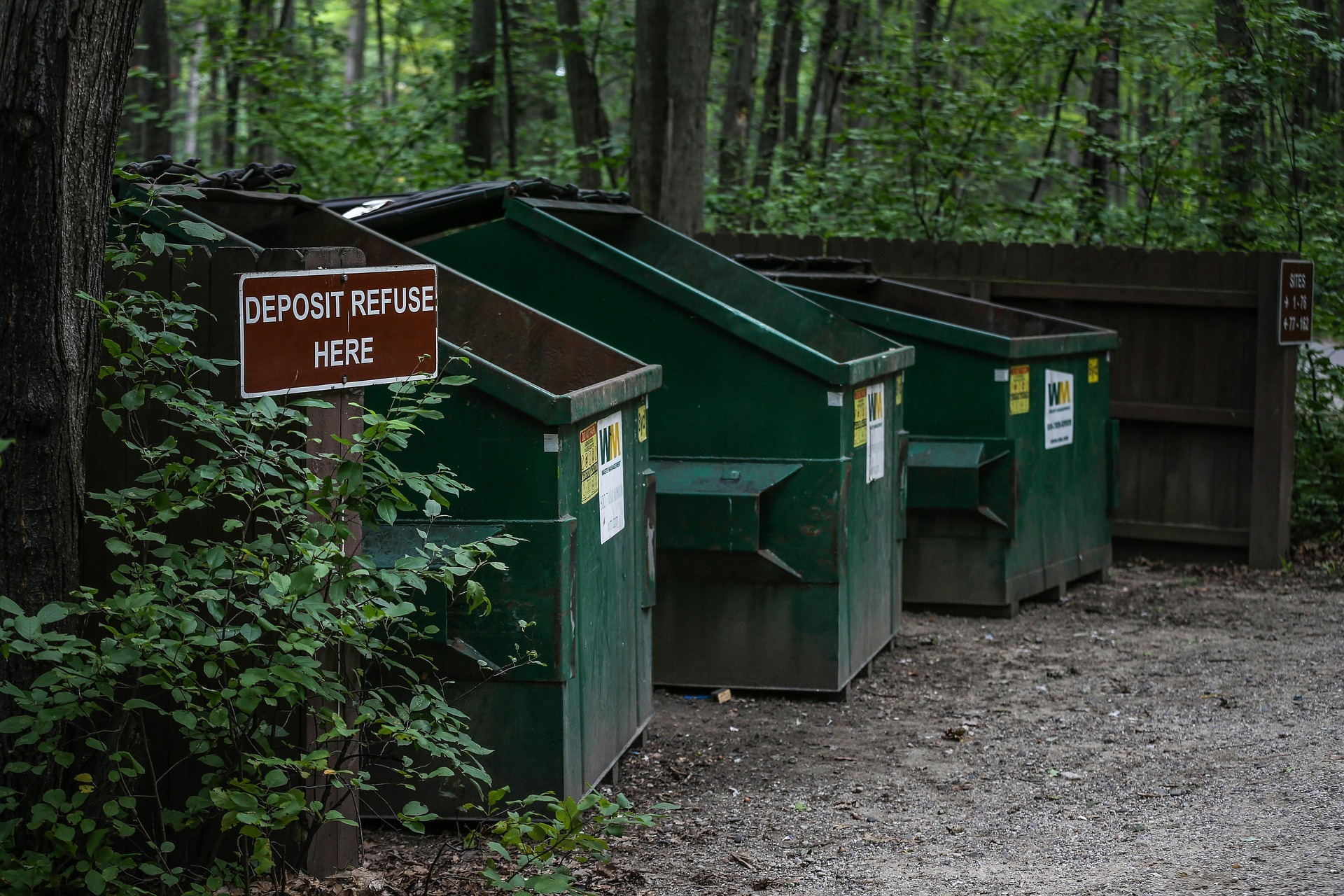
Put away rubbish.
Clean cooking equipment.
Secure anything that could attract animals.
Check that your cool box or camping fridge is closed properly.
It takes a couple of minutes and gives you a much better start the next morning.
🌙 NIGHT-TIME CHECK
Food away. Rubbish away. Cooking area clean. Cool box closed.
Make it part of your normal bedtime routine at camp.
Final Thoughts
Good food storage is one of those camping skills that seems unimportant until something goes wrong.
A leaking packet of raw meat can contaminate an entire cool box.
A forgotten meal can attract animals.
Warm food can become unsafe.
Poor hygiene can turn a great weekend into a miserable one.
The solution isn’t complicated.
Plan your meals.
Keep perishable food cold.
Keep raw and cooked foods separate.
Use sealed containers.
Keep your hands and cooking area clean.
Store food away properly.
And clean up when you’re finished.
🏕️ THE BIG IDEA
Treat your campsite like a temporary kitchen.
Keep food clean, cold and contained where necessary, keep wildlife away from it, and leave your cooking area cleaner than you found it.
Good food storage keeps you healthier, your campsite cleaner and your camping trip much more enjoyable.
🔒Ready to test your survival skills?
Join Survival Guides UK for free, complete challenges, earn badges and increase your Survival Level.
JOIN FREE →
CRAIG BURR
FOUNDER · SURVIVAL GUIDES UK
I'm Craig, the person behind Survival Guides UK. I created SGUK because I wanted somewhere people could learn real outdoor skills in a practical, straightforward way — from lighting a fire and tying knots to navigation, campcraft and everything in between.
You can read more about the story behind SGUK here as well as our approach here.