Managing Food Waste at Camp
Managing food waste is an important part of outdoor cooking.
Food scraps, packaging and leftovers can create unpleasant smells, attract wildlife and leave the campsite untidy. Good waste management helps protect the environment and makes packing up much easier.
Plan Your Food
One of the best ways to reduce waste is to avoid creating it in the first place.
Before an activity, think about how much food the group actually needs.
Consider:
Simple meal planning can significantly reduce unnecessary waste.
Keep Waste Contained
Have suitable rubbish bags or containers available before cooking begins.
Don’t wait until the end of the meal to work out where rubbish will go.
Keep food packaging, scraps and other waste contained as you work.
Separate Different Types of Waste
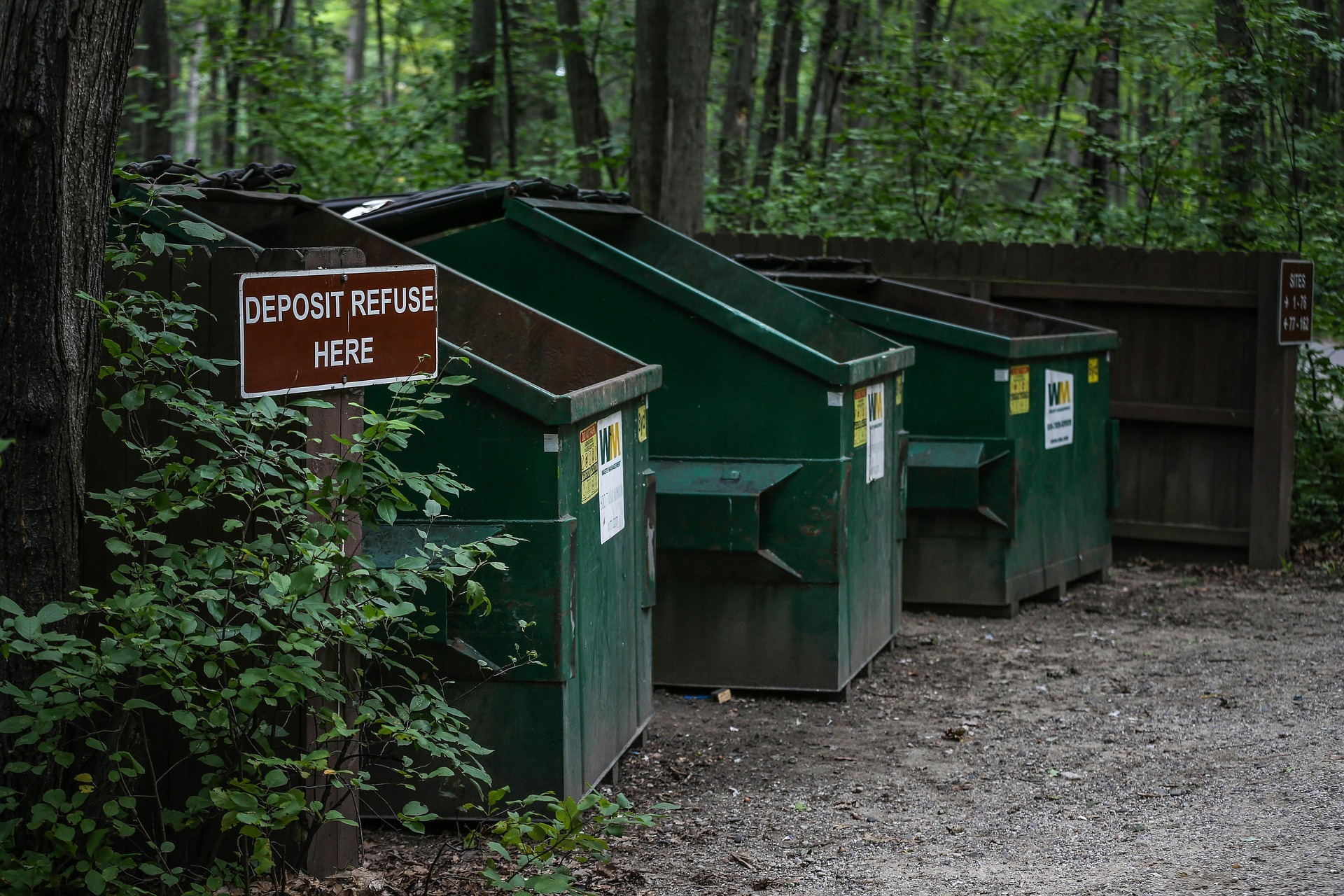
Where facilities allow, separate waste into the appropriate categories.
This might include:
Follow the rules and facilities provided by the campsite or activity location.
Don’t Leave Food Scraps Behind
Small amounts of food can still attract animals.
Don’t leave scraps on the ground or throw them into bushes.
Food waste should be collected and disposed of appropriately.
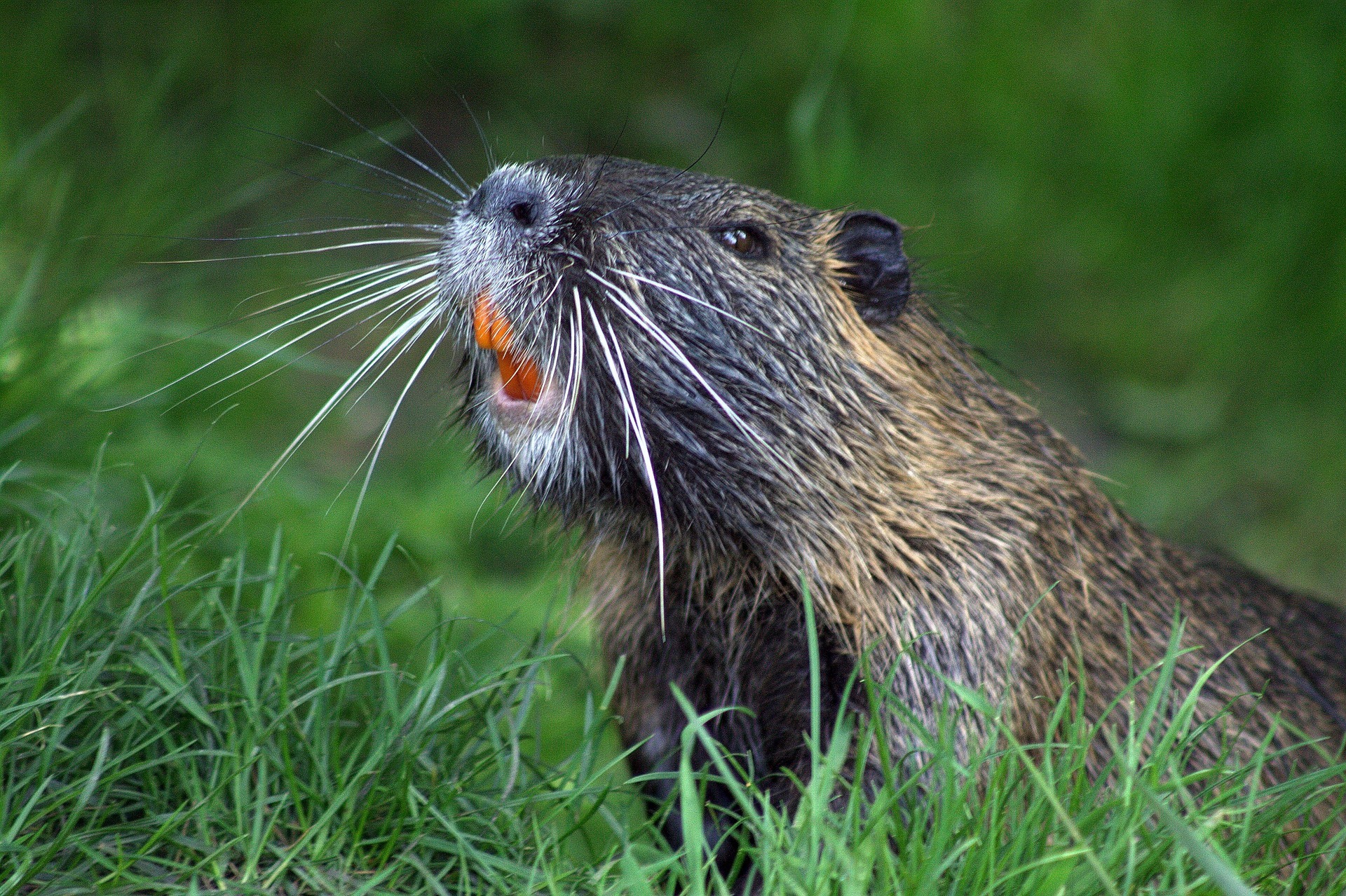
Don’t Feed Wildlife
Never deliberately leave food for wild animals.
Although it might seem harmless, feeding wildlife can encourage animals to associate people and campsites with food.
This can create problems for both wildlife and future visitors.
Store Food Waste Securely
If waste can’t be removed immediately, keep it contained.
Use suitable bags or containers and follow the campsite’s arrangements for temporary storage.
Don’t leave open rubbish bags beside tents.
Think About Packaging
When planning meals, consider how much packaging you’ll need to take with you.
Removing unnecessary packaging before an activity can reduce the amount of rubbish you have to manage at camp.
Keep any important preparation or cooking instructions with the food.
Don’t Burn Rubbish
Don’t put food packaging, plastic, cans or other rubbish into a fire or cooking equipment unless the site specifically provides a suitable waste-burning system.
Burning unsuitable materials can create smoke, residue and other hazards.
Use the correct waste-disposal arrangements instead.
Deal With Leftovers Carefully
Leftover food should be assessed rather than automatically kept.
Consider how it has been stored and whether it has remained at an appropriate temperature.
Perishable food that has been kept in unsuitable conditions should not be eaten simply because there is food left over.
Clean Up Food Preparation Areas
After cooking, check the entire cooking area.
Look for:
Cleaning as you go makes this much easier.
Manage Dirty Water
Food preparation and cleaning can create wastewater.
Don’t simply pour dirty water onto the ground wherever you happen to be.
Follow the site’s arrangements for wastewater disposal and avoid contaminating natural water sources.
Keep Waste Away From Water
Never deliberately dispose of food scraps, rubbish or dirty wastewater in rivers, streams, ponds or lakes.
This can pollute the environment and harm wildlife.
Leave No Trace
Before leaving your cooking area, look around carefully.
Remove all rubbish and food waste.
Check under tables, around equipment and on the surrounding ground.
The goal is to leave the area clean and ready for the next group.
Younger Scouts
Younger Scouts can take part in simple clean-up tasks.
They can help:
Make the final campsite check part of the cooking routine.
Older Scouts
Older Scouts can take responsibility for organising waste during a group cooking activity.
They can plan how waste will be collected, separated, stored and removed.
This is a useful opportunity to develop responsibility and environmental awareness.
Leader Notes
Waste management should be considered when planning the meal.
Check what disposal facilities are available at the campsite before the activity begins.
Make sure Scouts understand that “biodegradable” does not mean “safe to leave behind.”
Food scraps and packaging should be removed or disposed of according to the site’s requirements.
Safety
Keep rubbish contained and away from food preparation areas.
Don’t leave food waste where it can attract wildlife.
Don’t feed wild animals.
Don’t burn unsuitable packaging or rubbish.
Keep wastewater away from natural water sources.
Follow the campsite’s waste-disposal arrangements.
Check the cooking area carefully before leaving.
Learning Outcomes
Scouts can learn to:
Final Thought for Scouts
A good outdoor cook doesn’t stop when the food is eaten.
Clean up, pack out your waste and leave the campsite looking as though you were never there.
Looking after the place you use is part of being a responsible Scout.
🔒Ready to test your survival skills?
Join Survival Guides UK for free, complete challenges, earn badges and increase your Survival Level.
JOIN FREE →
CRAIG BURR
FOUNDER · SURVIVAL GUIDES UK
I'm Craig, the person behind Survival Guides UK. I created SGUK because I wanted somewhere people could learn real outdoor skills in a practical, straightforward way — from lighting a fire and tying knots to navigation, campcraft and everything in between.
You can read more about the story behind SGUK here as well as our approach here.