Beavers Cooking Activities: Fun Outdoor Food Ideas
Cooking is a great way for Beavers to learn practical skills while having fun.
They can measure ingredients, mix, prepare food and work together to create something they can enjoy afterwards.
You don’t need complicated recipes or specialist equipment. Simple food activities are often the most successful, especially when young people can get involved rather than simply watching an adult do everything.
Cooking also provides opportunities to talk about food hygiene, teamwork, planning and safety.
⚠️ SAFETY FIRST
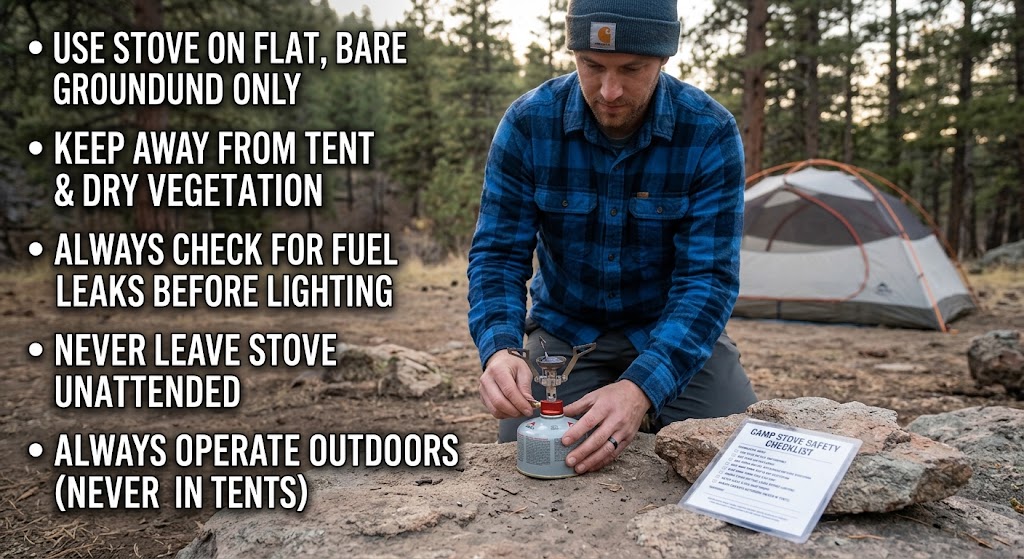
Cooking activities for Beavers should always be properly planned, risk assessed and closely supervised by suitable adults. Take particular care with hot surfaces, boiling water, sharp utensils, open flames and cooking equipment.
Check food allergies, intolerances and dietary requirements before the activity. Practise good food hygiene and keep raw and cooked foods separate where appropriate.
Beavers should only use equipment and cooking methods suitable for their age and ability. Adults should control high-risk equipment, hot pans, boiling liquids and open flames as appropriate.
Follow your Scout organisation’s current safety guidance and any rules set by the venue or campsite.
1. Make Your Own Wraps
Give Beavers a selection of suitable fillings and let them create their own wraps.
You could include vegetables, cheese, cooked meat or other suitable ingredients.
It’s simple, colourful and requires very little cooking.
2. Fruit Kebabs
Give Beavers a selection of fruit and let them create their own combinations.
They can experiment with colours and patterns while learning about different fruits.
Take care with anything sharp and use age-appropriate equipment under suitable supervision.
3. No-Cook Picnic
Challenge Beavers to prepare a simple picnic.
They could make sandwiches, prepare fruit and organise snacks and drinks.
It’s a useful activity for introducing food preparation without needing hot equipment.
4. Campfire Toasting
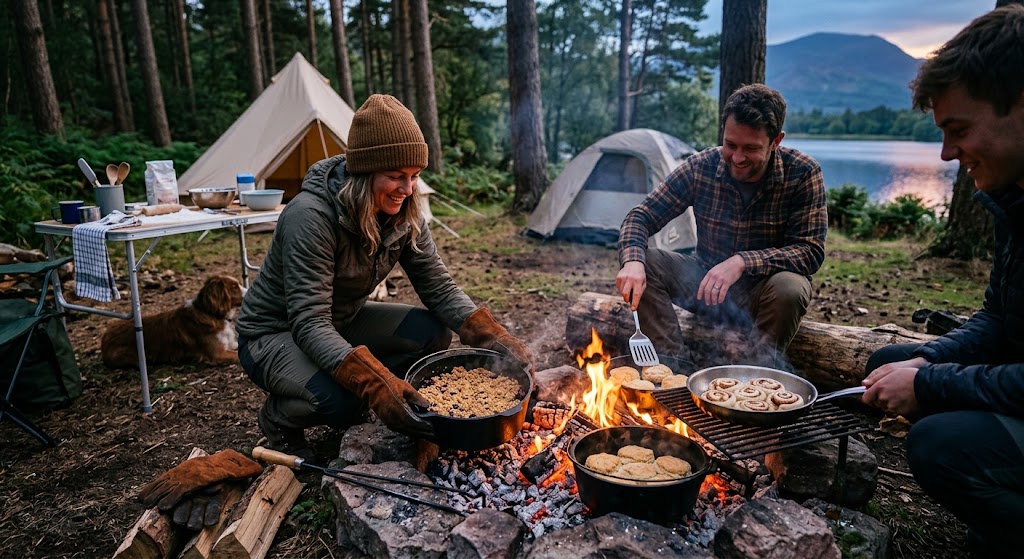
If you have a suitable, permitted campfire, simple food cooked over it can make a memorable camp activity.
The fire itself should remain under appropriate adult control.
Beavers should have clearly defined safe areas for standing and moving around.
5. Pizza Pittas
Give each Beaver a pitta bread and let them add suitable toppings.
Depending on your facilities, adults can handle the cooking while Beavers prepare their pizzas.
It’s simple, customisable and usually popular.
6. Decorate Biscuits
Provide plain biscuits and suitable toppings.
Beavers can create their own designs.
You can give awards for the funniest, most colourful or most imaginative creations.
7. Build a Balanced Meal
Give Beavers pictures or examples of different foods.
Ask them to create a meal containing a variety of foods.
This can lead into a simple conversation about eating a varied diet without turning the activity into a lesson about judging food choices.
8. Blind Taste Test
Use familiar, suitable foods and ask Beavers to identify them without seeing them.
You could use different fruits, vegetables or other appropriate ingredients.
Always check allergies and dietary requirements beforehand, and never pressure anyone to taste something they don’t want to try.
9. Sandwich Challenge
Give teams the same selection of ingredients.
Their challenge is to create an interesting sandwich.
You can judge them on creativity, teamwork or presentation.
Keep the competition light-hearted so everyone can enjoy taking part.
10. Make Trail Mix
Give Beavers a selection of suitable ingredients and let them create their own trail mix.
They can choose combinations and measure portions.
Be especially careful with nuts and other allergens. If your meeting place or campsite has a nut-free policy, use suitable alternatives.
11. Breakfast Challenge
Ask Beavers what they think makes a good camping breakfast.
They can help prepare a simple breakfast appropriate to your facilities.
This can also introduce the importance of having food and water ready for an active day outdoors.
12. Simple Soup
For a supervised cooking activity, Beavers can help prepare ingredients for a simple soup.
Adults should manage sharp knives and hot equipment according to the activity’s risk assessment.
Once it’s ready, everyone can sit down and enjoy what they’ve helped make.
13. Recipe Relay
Give each team a simple recipe.
Instead of immediately cooking it, ask them to work out the correct order of the instructions.
For younger Beavers, use pictures instead of lots of written instructions.
14. Measuring Challenge
Give Beavers some simple ingredients and measurements.
Can they measure the right amount?
This introduces basic maths while showing why following a recipe matters.
15. Cooking Equipment Hunt
Lay out safe cooking equipment and ask Beavers what each item is used for.
A bowl.
A spoon.
A measuring jug.
A whisk.
A saucepan.
A chopping board.
It can become a matching game or team challenge.
16. Food Hygiene Game
Turn food hygiene into a quick quiz.
Ask:
“Should you wash your hands before cooking?”
“Should food be left uncovered?”
“Should raw and cooked food be kept separate?”
Use simple questions to reinforce good habits before starting a practical activity.
17. Design a Camp Menu
Ask teams to design a menu for a fictional camping trip.
They need to think about:
Breakfast.
Lunch.
Dinner.
Snacks.
Drinks.
Ask them why they chose each food.
It’s a good introduction to planning for an outdoor activity.
18. Recipe From Pictures
For younger Beavers, create a picture-based recipe.
For example:
Ingredients → Mix → Prepare → Cook → Eat
Ask them to put the pictures into the correct order.
It makes following instructions much more accessible.
19. Cooking Without a Kitchen
Ask Beavers to imagine that they’re camping somewhere without a modern kitchen.
How could they prepare food?
What equipment might they need?
How would they keep food safe?
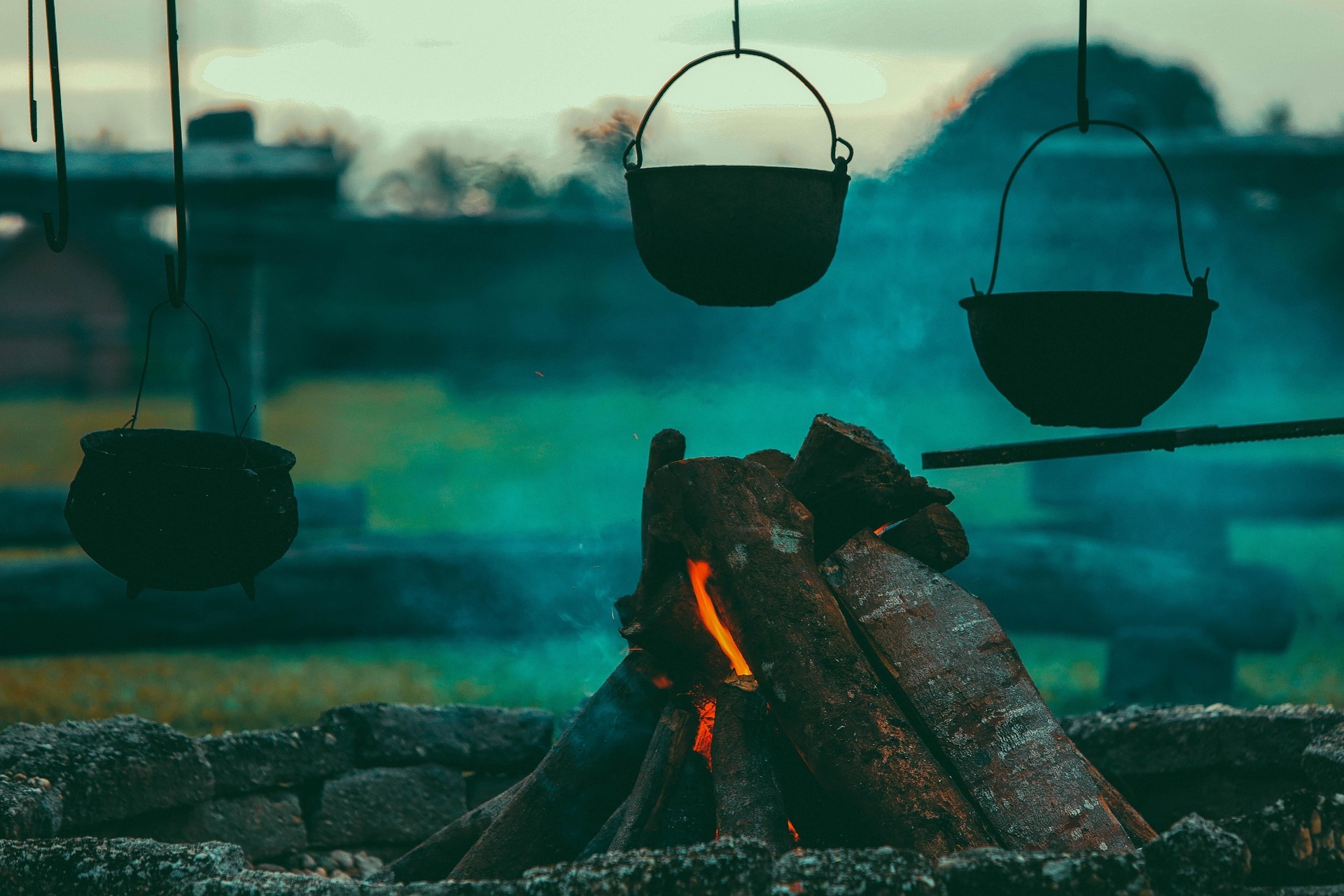
This can lead into a discussion about traditional outdoor cooking.
20. The Big Beaver Cook-Off
Finish with a simple team cooking challenge.
Give everyone the same basic ingredients and a straightforward objective.
Teams could create a sandwich, snack or picnic item.
Give out fun awards such as:
Best teamwork
Most creative
Best presentation
Funniest creation
The goal is to make everyone feel successful rather than creating a serious competition.
Give Beavers Real Jobs
Try not to let cooking become an activity where adults do everything.
Give Beavers safe, manageable jobs.
They can measure.
They can mix.
They can arrange ingredients.
They can follow instructions.
They can help tidy the workspace.
Adults can take responsibility for the higher-risk parts.
This gives Beavers a much greater sense of achievement.
Cooking Teaches More Than Recipes
Cooking activities can help Beavers develop all sorts of skills.
They practise maths when measuring ingredients.
They practise teamwork when sharing jobs.
They develop independence by following instructions.
They learn about hygiene and responsibility.
They also learn that mistakes are part of learning.
If something doesn’t work perfectly, talk about what happened and what could be changed next time.
Make Cleaning Part of the Activity
Cleaning up shouldn’t automatically become the leaders’ job.
Where appropriate, Beavers can help clear their workspace, put away safe equipment and dispose of rubbish.
Adults should handle anything sharp, hot or otherwise hazardous.
Learning to leave a cooking area clean is part of learning to cook responsibly.
Final Thoughts
Cooking gives Beavers the opportunity to make something themselves and enjoy the result.
Keep recipes simple, give young people meaningful jobs and make safety part of the activity from the beginning.
Whether you’re preparing sandwiches at a meeting or cooking outdoors at camp, there are plenty of ways to turn food into an enjoyable learning experience.
🍳 THE BIG IDEA
Let Beavers do as much as they safely can.
Let them measure.
Let them mix.
Let them make choices.
Let them get involved.With good supervision and sensible food safety, cooking can be one of the most rewarding practical activities in the Beaver programme.
🔒Ready to test your survival skills?
Join Survival Guides UK for free, complete challenges, earn badges and increase your Survival Level.
JOIN FREE →
CRAIG BURR
FOUNDER · SURVIVAL GUIDES UK
I'm Craig, the person behind Survival Guides UK. I created SGUK because I wanted somewhere people could learn real outdoor skills in a practical, straightforward way — from lighting a fire and tying knots to navigation, campcraft and everything in between.
You can read more about the story behind SGUK here as well as our approach here.