SGUK Outdoor Skills Challenge 32: Make a Wild Soup from Nettle, Wild Garlic or Sorrel
A handful of fresh greens can turn a basic pot of soup into something worth making again. Nettles have a mild, earthy flavour once cooked, wild garlic brings a gentle savoury sharpness, and sorrel adds a fresh, lemony taste. Each works well in a simple soup, whether you’re cooking at home or preparing a meal at camp.
The interesting part isn’t just the cooking. It’s learning to recognise a useful wild ingredient, harvesting it responsibly and understanding how to prepare it properly. These are practical skills that reward patience and attention to detail, especially when you’re working with plants you’ve gathered yourself.
For this challenge, choose one of the three plants and make a soup from it. You can use a kitchen hob or a suitable camping stove, and there’s no need to gather every ingredient from the wild. Potatoes, onions and stock are perfectly good companions for your foraged greens.
Your Challenge
Make a soup using freshly gathered stinging nettle, wild garlic or sorrel that you’ve identified with complete confidence.
Your finished soup should have a good flavour, a pleasant texture and enough of the chosen plant to make its contribution noticeable. You’ll also need to demonstrate that you understand where to forage, how to harvest without damaging the plants and how to prepare your ingredients safely.
Choose the plant that suits your experience and the season. Young nettle leaves are useful in spring and early summer, wild garlic is generally at its best during spring, and sorrel can often be found over a longer growing season.
If you cannot positively identify any of these plants, don’t guess. Buy an edible equivalent from a reputable supplier and use it to practise the recipe, then complete the foraging element when you can learn identification properly.
What You’ll Need
For a simple wild soup serving two to three people, gather the following:
- Around 100–150 g of fresh, correctly identified nettles, wild garlic or sorrel.
- One medium potato, peeled and diced.
- One small onion, finely chopped.
- 600–750 ml vegetable stock.
- One tablespoon of cooking oil or a little butter.
- Black pepper and salt to taste.
- A saucepan with a lid, a chopping board, a knife and a wooden spoon.
- A colander or sieve for washing the leaves.
- A pair of gardening gloves and scissors or secateurs for harvesting nettles.
- A suitable hob or camping stove, plus a stable cooking surface.
A stick blender is useful if you want a smooth soup, but it isn’t essential. You can leave the vegetables whole or mash the cooked potato into the stock for a thicker, more rustic result.
If you’re cooking outdoors, carry your ingredients and water in clean, food-safe containers. A small quantity of fresh greens is usually enough; there is no need to collect a large bagful.
Take the Challenge
Step 1: Choose your wild ingredient
Start by deciding which plant you want to use. The three options produce noticeably different soups, so your choice will affect the flavour and how you prepare the greens.
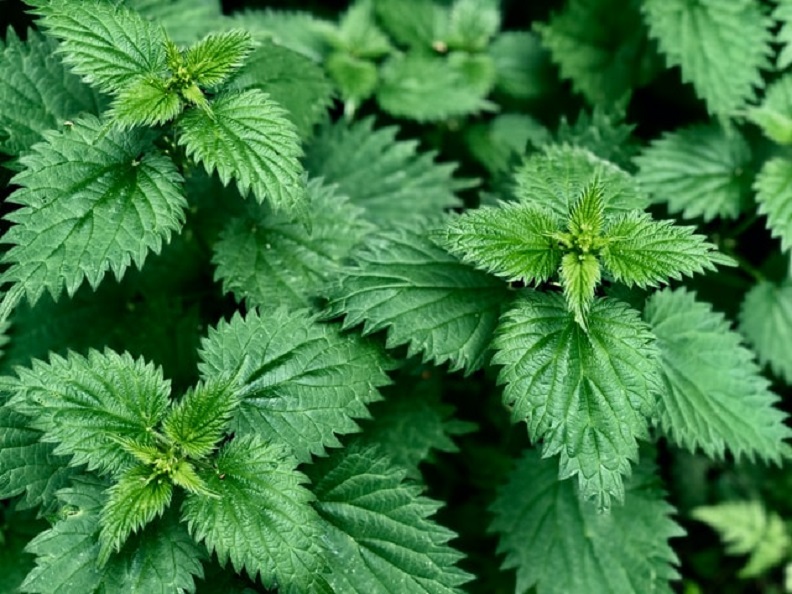
Stinging nettle
Young nettle tops have a mild, green flavour similar to spinach. Choose healthy, tender growth from plants you can identify confidently. Wear gloves when handling them, and avoid older, coarse leaves that may produce a less pleasant texture.
Nettles need thorough cooking before eating. Never taste a raw leaf to check whether it is a nettle, and don’t handle the plants with bare hands just because you intend to cook them.
Wild garlic
Wild garlic leaves have a distinctive garlic smell when crushed and are particularly good in a light, savoury soup. They grow in damp, shady woodland and can form extensive carpets in spring.
Take extra care with identification. Wild garlic can be confused with poisonous plants, including lily-of-the-valley. Check the individual plant carefully against a reliable field guide, rather than assuming that everything growing in a patch is edible. The garlic smell is a useful feature, but it should not replace a proper identification. If you have any doubt, leave the plant where it is.
The Woodland Trust’s wild garlic guide explains its appearance, habitat and important lookalikes.
Sorrel
Common sorrel has a pleasantly sharp, lemon-like flavour. Its leaves are often arrow-shaped, with two backward-pointing lobes near the base, although leaf shape alone is not enough to confirm identification.
Sorrel gives soup a livelier flavour than nettles and can become quite dominant if you use too much. Start with a modest amount and taste the cooked soup before adding more. Use it as an ingredient rather than making it the entire meal.
If you’re new to foraging, learn each plant individually before attempting to gather several species together. Mixing unidentified greens makes mistakes harder to spot.
Step 2: Find a suitable harvesting spot
A correctly identified plant isn’t automatically suitable for eating. Where it grows matters too.
Avoid gathering leaves beside busy roads, car parks, industrial areas, heavily used dog-walking routes or ground that may have been treated with pesticides. Don’t collect from land where you lack permission, and check any site restrictions before harvesting. Protected areas and nature reserves may have specific rules.
Look for healthy, abundant growth. Take only what you need, choose individual leaves or tender shoots rather than uprooting plants, and leave plenty behind for wildlife and regrowth.
The Woodland Trust’s responsible foraging guidelines provide useful advice on sustainable harvesting and protecting wild habitats.
Step 3: Harvest and prepare the leaves
Pick your ingredients carefully and keep them separate from any plants you’re uncertain about. Remove damaged, discoloured or dirty leaves, along with insects and other unwanted material.
Wash the greens thoroughly under clean running water before cooking. If you’ve collected nettles, keep your gloves on while sorting and washing them, and avoid touching your face. Use separate clean equipment if your harvesting tools or containers are dirty.
With nettles, select the tender tops and discard coarse stems. Cooking will remove their sting, but don’t rely on washing or wilting alone to make them safe to eat.
Wild garlic leaves can be used whole or roughly chopped. Sorrel leaves may have tough stalks, particularly when more mature, so remove any that you don’t want in the finished soup.
If you notice that a plant doesn’t match your identification reference, stop and discard it. Never put an uncertain plant into the cooking pot and hope that boiling will make it safe.
Step 4: Build the flavour
Place the saucepan over a moderate heat and add the oil or butter. Add the chopped onion and cook for around five minutes, stirring occasionally, until it softens. Avoid browning it heavily, as this can overwhelm the fresh flavour of the greens.
Add the diced potato and pour in the stock. Bring the mixture to a gentle boil, then reduce the heat and simmer for around 12–15 minutes, or until the potato is tender when pierced with a knife.
The potato gives the soup body without requiring cream or flour. If you prefer a lighter soup, use a smaller potato and retain a little more stock.
Step 5: Add your chosen greens
The timing depends on which plant you’re using.
For nettle soup: Add the prepared nettle leaves to the simmering pot and cook for at least five minutes, ensuring the leaves are thoroughly cooked. If the leaves are particularly mature or coarse, they may be better left out in favour of tender growth.
For wild garlic soup: Stir the chopped leaves into the hot soup towards the end of cooking. Simmer gently for around two to three minutes, until the leaves have wilted. A longer boil can dull the fresh garlic flavour.
For sorrel soup: Add the leaves during the final few minutes and allow them to soften. They will lose their bright green colour and become more subdued as they cook. This is normal, and their sharp flavour should remain noticeable.
These timings are practical starting points rather than a substitute for proper preparation. If you’re using a different recipe or larger quantities, follow suitable cooking guidance for the ingredients involved.
Step 6: Finish the soup
Remove the pan from the heat. For a smooth soup, blend carefully until the mixture reaches the consistency you prefer. If you’re using a stick blender, keep the blade submerged to avoid splashes of hot liquid.
For a more rustic texture, mash some of the potato against the side of the pan and stir it back into the stock. This thickens the soup while leaving the greens visible.
Season with black pepper and a little salt, then taste it.
If the nettle soup tastes too mild, try a little more seasoning or a squeeze of lemon. If the wild garlic flavour is strong enough, avoid adding too many competing herbs. If the sorrel makes the soup particularly sharp, a little extra potato or stock can help balance it.
Serve the soup hot. If you’re cooking outdoors, keep it at a safe temperature until you’re ready to eat, and don’t leave the finished dish sitting around for long periods.
Step 7: Review your results
Before you finish, take a moment to assess what you’ve made. Was the flavour balanced? Did the greens retain enough character? Was the soup too thin, too thick or just right?
Think about the ingredients as well as the cooking method. A small quantity of young leaves may produce a more delicate soup, while older greens can be tougher or stronger in flavour. Next time, you might adjust the amount of stock, change when you add the leaves or use a different balance of potato and greens.
Also consider the foraging itself. Did you identify the plant confidently? Was the collection site suitable? Did you take only what you needed and leave the rest undamaged?
Those decisions are part of the skill. Making a tasty meal matters, but being able to gather and prepare wild ingredients responsibly is what makes this a worthwhile outdoor challenge.
Safety
Never eat a wild plant unless you are completely certain of its identity. Some poisonous plants resemble edible species, and cooking does not reliably remove plant toxins.
Use clean water and equipment, avoid contaminated harvesting sites, and follow good food hygiene. If you’re cooking on a camping stove, place it on a stable surface in a well-ventilated outdoor area, away from dry vegetation and combustible materials. Never use a stove inside a tent.
If you have a medical condition or dietary concern that could be affected by wild foods, seek appropriate professional advice before eating them. In particular, sorrel contains oxalic acid, so it is sensible to avoid eating large quantities.
Check Your Results
A successful wild soup should be pleasant to eat, properly cooked and made using ingredients you’ve identified confidently.
Use these questions to review your effort:
- Identification: Could you explain which plant you used and the features that helped you identify it?
- Harvesting: Did you choose a suitable location, take only what you needed and leave the plants growing?
- Preparation: Were the leaves cleaned, sorted and prepared appropriately?
- Cooking: Were the greens cooked properly, and was the potato tender before you finished the soup?
- Flavour: Could you taste the main ingredient without it overwhelming the dish?
- Texture: Was the soup the consistency you wanted, and could you explain how you achieved it?
- Reflection: Can you identify one thing you would change next time?
You don’t need a restaurant-quality finish. The aim is to make a decent, edible soup while demonstrating sound foraging and cooking practice. If the flavour needs work, that’s useful information for your next attempt.
Complete the Challenge
To complete Challenge 32, make a wild soup using one of the three ingredients: nettle, wild garlic or sorrel.
You must be able to identify the plant confidently, explain where you collected it and show that you prepared and cooked it appropriately. If you use a purchased ingredient because you cannot safely identify a wild specimen, you can practise the recipe, but you’ll still need to complete the identification and responsible-foraging element to demonstrate the full challenge.
Photograph your finished soup and, if possible, your prepared ingredients before cooking. You could also photograph your cooking setup or make a few notes about the plant you used and how you identified it.
Your evidence should show that you completed the task rather than simply found a recipe online.
How to Submit Your Challenge
Share Your Evidence
- Go to your SGUK member profile.
- Open Social Activity.
- Upload a photograph of your finished soup, along with any useful evidence of your preparation, to the activity wall.
- Add the hashtag #SGUKChallenge32.
- Share the post for verification.
Include a short description of which plant you used, how you prepared the soup and one thing you learned. Never include a photograph of an unidentified plant as though it were confirmed edible.
Once you’ve shared your evidence and it has been verified, the SGUK Outdoor Skills Challenge 32 is complete and the completed challenges figure will be updated on your profile.
Challenge 32 Checklist
Have You Completed Every Part?
Want to Push Yourself?
Once you’ve mastered a basic soup, there are several ways to develop the skill.
Compare the flavours. Make two small batches on separate occasions, one with nettles and one with wild garlic or sorrel. Keep the stock and other ingredients similar so you can judge how much the wild ingredient changes the result.
Cook outdoors. Prepare the same recipe on a camping stove and compare it with your usual kitchen method. Think about how you control the heat, manage water and keep your ingredients clean when you have less space and equipment.
Develop your own recipe. Try changing the amount of potato, stock or seasoning to achieve the texture and flavour you prefer. Keep a record of the quantities so you can repeat a successful result.
Improve your plant knowledge. Learn to identify your chosen plant at different stages of growth, not just when it is at its most recognisable. Use a reliable field guide and, if possible, learn alongside an experienced forager who can check your identification in person.
Make it part of a camp meal. Serve your soup with bread or another simple accompaniment and plan the quantities, storage and cooking equipment needed for a small group. Think about how you would transport the ingredients and handle leftovers safely.
The best progression is to become more confident at the whole process, from recognising the plant to serving the meal, rather than simply collecting more ingredients.
What’s Next?
If you haven’t already completed the previous challenge, try SGUK Outdoor Skills Challenge 31: Run a “What If” Scenario for a Hike.
That challenge develops the judgement and contingency planning that help you respond when a walk doesn’t go as expected. It’s a useful skill to practise alongside learning how to find and prepare food outdoors.
Remember, SGUK Outdoor Skills Challenges can be completed in any order. Choose whichever challenge fits your interests and the skills you want to develop next.
Learn. Practise. Master.
That’s what the SGUK Outdoor Skills Challenge is all about.
🔒Ready to test your survival skills?
Join Survival Guides UK for free, complete challenges, earn badges and increase your Survival Level.
JOIN FREE →
CRAIG BURR
FOUNDER · SURVIVAL GUIDES UK
I'm Craig, the person behind Survival Guides UK. I created SGUK because I wanted somewhere people could learn real outdoor skills in a practical, straightforward way — from lighting a fire and tying knots to navigation, campcraft and everything in between.
You can read more about the story behind SGUK here as well as our approach here.