SGUK Outdoor Skills Challenge 11: Identify Three Common British Trees
How many trees can you recognise when you’re out walking? You might know an oak by its distinctive leaves or recognise a horse chestnut from the familiar conkers that fall in autumn, but identifying trees becomes much easier when you start looking at the small details rather than relying on a quick glance.
In the previous challenge, you learned how to read a map. For this challenge, you’re going to identify three common British trees by observing their leaves, bark, seeds, buds or overall shape. You don’t need to be an expert or carry a specialist guidebook. Take your time, compare what you can see and see how much you can learn from the trees growing in your local park, woodland or along a suitable footpath.
Your Challenge
Your task is to identify three different tree species commonly found in Britain and explain which features helped you recognise each one.
You could look for oak, silver birch, beech, horse chestnut, ash or sycamore, depending on what grows in your area. You don’t have to find these particular species; choose three trees that are accessible and that you can identify with reasonable confidence. The aim is to learn how to recognise trees from their features, rather than simply memorising three names.
What You’ll Need
- A suitable outdoor location with several trees
- A notebook and pencil, if you want to record your observations
- A tree identification guide or a reliable identification resource
- A mobile phone or camera to photograph identifying features
Take the Challenge
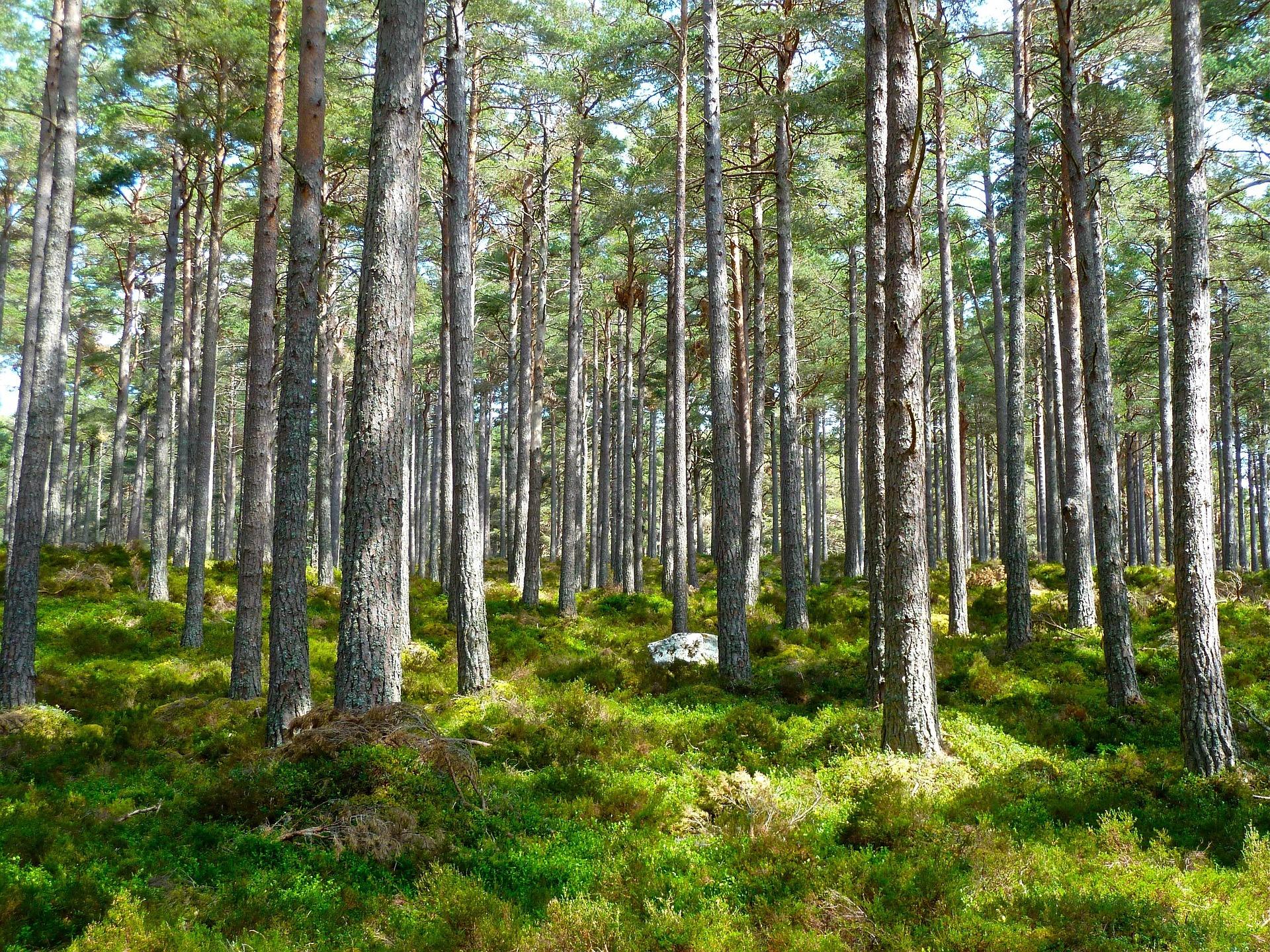
Start by choosing a safe place where you can observe trees without leaving permitted paths or entering private land. Look around for different leaf shapes, bark patterns and tree forms. If you’re visiting a woodland, park or country path, you may find several species growing close together, making it easier to compare their features.
Choose your first tree and look carefully at its leaves, if they are present. Oak leaves have distinctive rounded or lobed edges, while silver birch has small, roughly triangular leaves with toothed edges. Beech leaves are oval with slightly wavy edges, and horse chestnut has large, hand-shaped leaves made up of several leaflets. These are useful starting points, but remember that individual trees can vary and some species have leaves that look similar at first glance.
Next, examine the bark and the overall shape of the tree. Silver birch often has pale bark with dark markings, while mature beech commonly has smooth, grey bark. Oak bark often becomes deeply ridged as the tree ages. Look at the branches too: the arrangement of branches, the shape of the crown and the way the tree grows can all provide additional clues. Try to use more than one feature before deciding on an identification, especially if you are unsure.
Now look for seeds, nuts, fruits or other seasonal clues. Acorns are associated with oak, while horse chestnut produces the familiar conkers inside spiky green cases. Sycamore seeds have paired wings that spin as they fall, and silver birch produces small seeds in catkin-like structures. Not every clue will be available throughout the year, so don’t worry if you cannot find seeds or leaves on every tree.
Repeat the process with two other trees. For each one, record its name and at least one feature that helped you identify it. If you are uncertain, compare your observations with a reliable tree identification guide before settling on an answer. Never eat seeds, berries, leaves or other plant material as part of this challenge, and avoid picking living leaves or damaging branches just to make identification easier.
Check Your Results
You have completed the main part of the challenge when you have identified three different tree species and can describe a feature that helped you recognise each one.
Test yourself by looking away from your notes and trying to name each tree again using the features you observed. Could you recognise the same species on another walk? Would you know what to look for if the leaves had fallen in winter? If you relied entirely on leaf shape, try to remember the bark, seeds or overall form as well.
It’s perfectly acceptable to use a guide to confirm your answers. The important part is learning to notice identifying features and understanding why they point towards a particular species, rather than guessing based on appearance alone.
Complete the Challenge
Take a photograph showing the three trees you identified, or photograph a useful identifying feature from each one, such as a leaf, bark pattern or fallen seed. If you can, include a photograph of yourself carrying out the activity. Make sure the pictures show your own observations and avoid damaging the trees to get a better view.
How to Submit Your Challenge
- Go to your SGUK member profile.
- Open the Social Activity area.
- Upload your photograph or photographs to your activity wall.
- Add the hashtag #SGUKChallenge11.
- Share your post so your evidence can be checked.
Once you’ve shared your evidence and it has been verified, the SGUK Outdoor Skills Challenge 11 is complete and the completed challenges figure will be updated on your profile.
Challenge 11 Checklist
Want to Push Yourself?
Try identifying the same three species at a different time of year. Trees can look very different between summer and winter, and learning to recognise bark, buds, seeds and the shape of bare branches will help you become a more confident observer.
You could also challenge yourself to identify five different species on your next walk, keeping a simple record of where you found them. Remember that some trees can be difficult to distinguish from one another, particularly when young, so use more than one feature and check your identification if you are unsure.
What’s Next?
Learning to recognise trees is a great way to pay closer attention to the natural world around you. Once you start noticing the differences between species, you may find yourself spotting other signs of wildlife and seasonal changes that you previously walked straight past.
If you’d like to keep developing your outdoor knowledge, explore the other SGUK Outdoor Skills Challenges and choose another skill to practise. You can work through the challenges in any order, so pick something that interests you and keep building your experience one activity at a time.
Learn. Practise. Master. That’s what the SGUK Outdoor Skills Challenge is all about.
🔒Ready to test your survival skills?
Join Survival Guides UK for free, complete challenges, earn badges and increase your Survival Level.
JOIN FREE →
CRAIG BURR
FOUNDER · SURVIVAL GUIDES UK
I'm Craig, the person behind Survival Guides UK. I created SGUK because I wanted somewhere people could learn real outdoor skills in a practical, straightforward way — from lighting a fire and tying knots to navigation, campcraft and everything in between.
You can read more about the story behind SGUK here as well as our approach here.