SGUK Outdoor Skills Challenge 03: Light a Fire with Natural Tinder
In the previous challenge, you learned how to build a natural shelter. For Challenge 03, we’re getting into one of the most satisfying outdoor skills to practise: fire lighting.
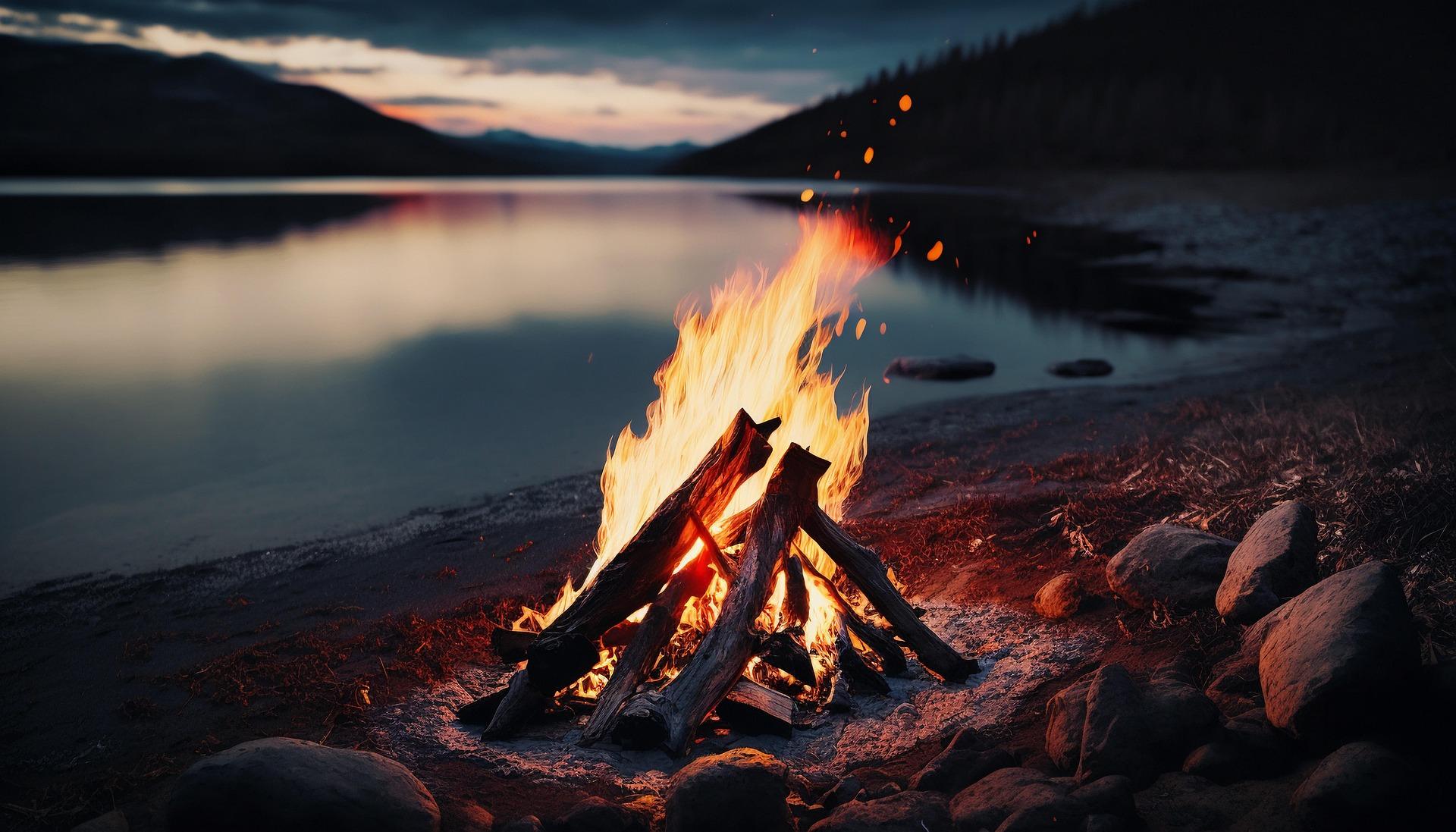
This isn’t about building the biggest fire you can. Your challenge is much simpler. Can you prepare natural tinder properly and use it to get a small fire established?
The key word here is preparation. A good fire-lighting attempt usually starts long before the spark or flame appears.
Your Challenge
Can you light a small fire using natural tinder?
Find a suitable, safe place where fires are permitted and see if you can get a small fire established using natural tinder that you have collected responsibly.
You can use a lighter, matches or a ferrocerium rod to provide the initial ignition, but the tinder itself should be natural material.
Your aim is to take the fire from your first flame to a small, sustainable fire that can continue burning without you constantly relighting it.
Before You Start
If you’re new to fire lighting, learn the basics before attempting the challenge.
Think about the three things a fire needs:
Heat, fuel and oxygen.
You’ll also need to understand how to prepare tinder and gradually introduce larger fuel. Starting with a tiny flame and immediately adding large pieces of wood is one of the easiest ways to put a fire out.
Good natural tinder might include dry grass, birch bark, seed heads, dry leaves where appropriate, or fine dry fibres. What works best will depend on the season and the environment you’re in.
What You’ll Need
For this challenge you’ll need:
- A safe location where fires are permitted (or a fire pit in your back garden)
- Natural tinder
- Small dry kindling
- A few slightly larger pieces of dry fuel
- A lighter, matches or ferrocerium rod
- Water or another suitable means of extinguishing the fire
- A camera or phone for your challenge photograph
Only collect natural materials where you have permission to do so, and avoid damaging living trees or plants.
Fire Safety
Fire must always be treated seriously. Only attempt this challenge where fires are permitted and where you can safely control and extinguish the fire.
Before lighting anything:
- Check that fires are permitted at your chosen location.
- Check local restrictions, especially during dry or very hot weather.
- Avoid areas with dry grass, peat, dense vegetation or other materials that could allow fire to spread.
- Keep your fire small and under control.
- Keep flammable materials, equipment and other people a safe distance from the fire.
- Never leave a fire unattended.
- Keep a reliable supply of water available so you can extinguish the fire quickly if necessary.
- Be particularly careful in windy conditions, as sparks and embers can travel and start fires away from your fire site.
- Never use petrol, paraffin or other accelerants to start or increase a fire.
- If conditions become unsafe, do not light the fire or extinguish it immediately if it is already burning.
When You’ve Finished
Your challenge isn’t complete until the fire is completely extinguished.
Pour water onto the fire and carefully stir the remains. Continue adding water and stirring until everything is thoroughly wet and there is no heat, smoke or glowing material remaining.
Do not simply leave the fire to burn out.
Before leaving, check the area carefully and make sure there is no remaining risk of the fire spreading.
If you cannot safely control or extinguish the fire, do not attempt the challenge.
Take the Challenge
Start by preparing your fire area.
Choose a clear, stable location away from anything that could easily catch fire. Check the conditions before you begin, particularly if it is dry, windy or unusually hot.
Now prepare your tinder.
Don’t rush this part. Break down your material into fine, dry fibres that can catch a small flame or spark easily. Prepare more tinder than you think you’ll need and keep your finest material protected from damp ground.
Next, prepare your kindling.
You’ll want a mixture of increasingly larger pieces so that you can gradually build the fire rather than trying to make one big jump from tinder to larger wood.
When everything is ready, ignite your tinder.
Once you have a flame, protect it from the wind while still allowing enough oxygen to reach it. Gradually introduce your smallest kindling and increase the size of the fuel as the fire grows.
Your goal is to establish a small fire that can continue burning without you having to keep relighting it.
The Fire Test
Once your fire is established, take a moment to look at what you’ve achieved.
Can it continue burning without constant intervention?
Did your tinder work well?
Did you have enough kindling ready?
What would you change next time?
These questions are just as important as getting the fire lit.
If you struggled, don’t simply try again with more fuel. Think about why the first attempt didn’t work. Your tinder may have been damp, your kindling may have been too large, or your fire structure may not have allowed enough airflow.
Understanding the problem is part of learning the skill.
Complete the Challenge
Now it’s time to show us your fire-lighting attempt.
Take a clear photograph or a couple at different stages of your established fire. Make sure the photograph shows enough of the surrounding setup to demonstrate what you’ve achieved, while keeping yourself and anyone else at a safe distance.
Then share your evidence through your SGUK member profile.
How to Submit Your Challenge
- Go to your SGUK member profile.
- Open your Social Activity area.
- Upload your photograph to your activity wall.
- Add #SGUKChallenge03 to your post.
- Share your activity.
Your photograph should show your completed challenge.
Challenge 03 Checklist
Before you submit your evidence, make sure you have:
Once you’ve shared your evidence and it has been verified, the SGUK Outdoor Skills Challenge 03 is complete and the completed challenges figure will be updated on your profile.
Want to Push Yourself?
Try the challenge again using a different type of natural tinder.
Pay attention to how quickly it catches, how long it burns and how easily it transfers the flame to your kindling.
You could also try the challenge after a period of damp weather and see whether you can identify suitable dry material without damaging living vegetation.
Remember that the aim isn’t to make a large fire. The real skill is being able to prepare properly, create a reliable ignition and build the fire gradually under control.
What’s Next?
You’ve now put another practical outdoor skill to the test.
You don’t have to complete the challenges in numerical order. Look through the SGUK Outdoor Skills Challenge collection and choose another challenge that interests you.
Learn the skill. Get outside. Have a go. Then show us what you’ve done.
Learn. Practise. Master.
That’s what the SGUK Outdoor Skills Challenge is all about.
🔒Ready to test your survival skills?
Join Survival Guides UK for free, complete challenges, earn badges and increase your Survival Level.
JOIN FREE →
CRAIG BURR
FOUNDER · SURVIVAL GUIDES UK
I'm Craig, the person behind Survival Guides UK. I created SGUK because I wanted somewhere people could learn real outdoor skills in a practical, straightforward way — from lighting a fire and tying knots to navigation, campcraft and everything in between.
You can read more about the story behind SGUK here as well as our approach here.