Explorers Cooking Activities: Fun Outdoor Food Ideas
Outdoor cooking is one of those skills that becomes much more interesting when Explorers are given responsibility.
Instead of simply following a recipe, they can plan a meal, choose ingredients, organise equipment and work out how to cook everything safely.
Camping also introduces challenges that don’t normally exist in a kitchen.
You might have limited equipment, changing weather, a small cooking area or hungry people waiting for dinner.
That makes outdoor cooking an excellent way to develop planning, teamwork, problem-solving and practical skills.
⚠️ SAFETY FIRST
Outdoor cooking must be properly planned and supervised. Follow current Scouts safety guidance and any rules set by the campsite or landowner.
Take particular care with fires, stoves, hot pans, boiling water, sharp equipment and food hygiene. Explorers should only use equipment they have been properly taught to use.
Keep cooking areas organised and separate from sleeping areas. Never use a fuel-burning stove or cooking appliance inside a tent or other enclosed sleeping space.
Check allergies and dietary requirements before preparing food and make sure ingredients are stored and handled safely.
1. Patrol Meal Challenge
Give each Patrol responsibility for preparing a simple outdoor meal.
They need to decide what they’re making, work out what ingredients they need and organise their equipment.
Don’t make the recipe unnecessarily complicated.
The challenge is about planning and cooking as a team.
2. Camp Menu Planning
Ask Explorers to design a menu for a weekend camp.
They should consider breakfast, lunch, dinner and snacks.
Then introduce some restrictions.
“You have limited cooking equipment.”
“You need to carry the food on a hike.”
“The weather forecast is poor.”
How does their menu change?
This encourages practical decision-making.
3. One-Pot Cooking Challenge
Give Patrols a suitable one-pot meal to prepare.
The idea is to minimise equipment and washing up while still producing a nutritious meal.
Explorers need to think about the order in which ingredients are added and how long different ingredients need to cook.
4. Outdoor Breakfast Challenge
Breakfast can be a great introduction to camp cooking.
Try simple options such as:
Porridge.
Eggs.
Beans.
Toast.
Breakfast wraps.
Fruit and yoghurt.
Ask Explorers to organise the meal from start to finish.
Who is preparing ingredients?
Who is cooking?
Who is washing up?
Who is making sure food is stored safely?
5. Campfire Cooking
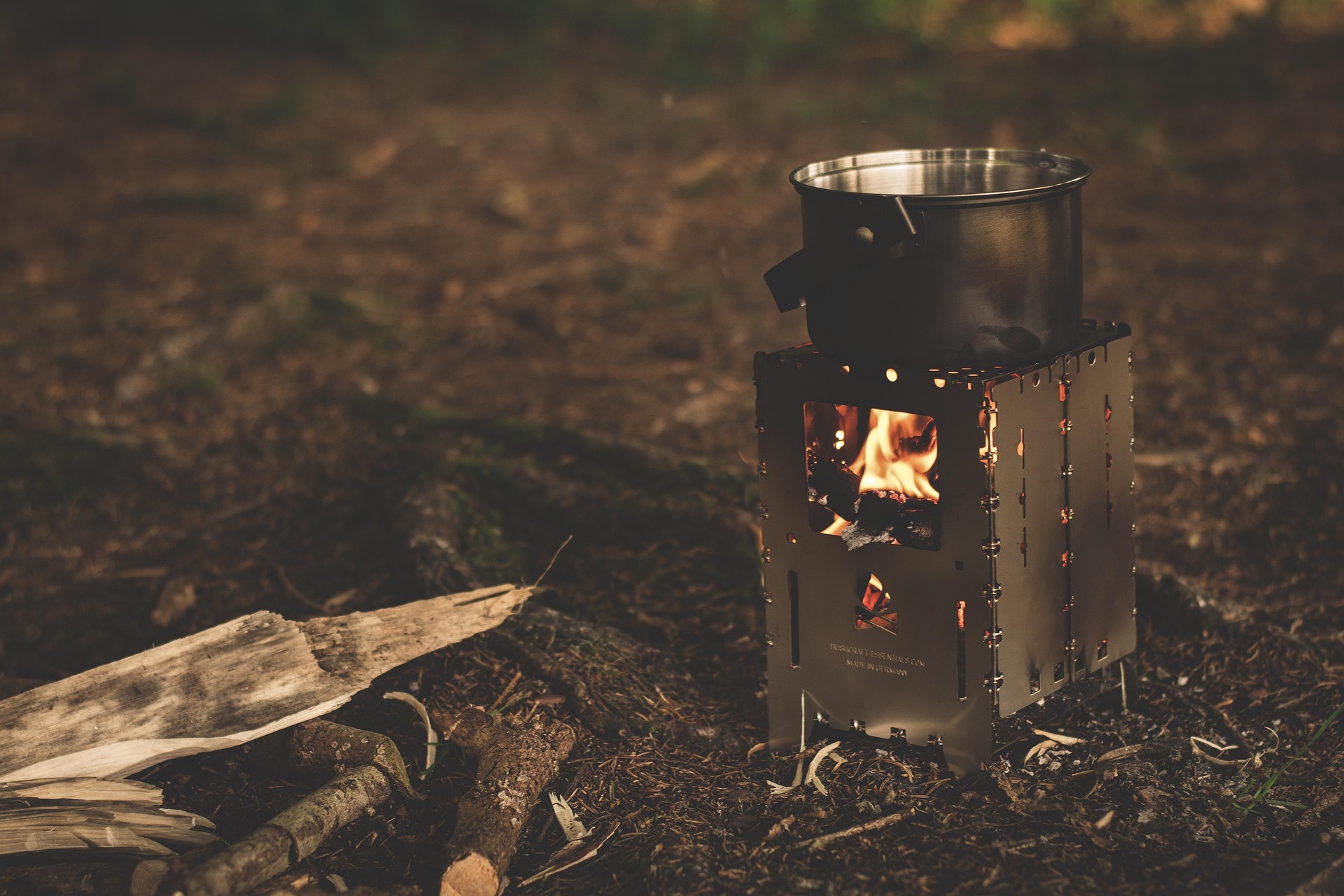
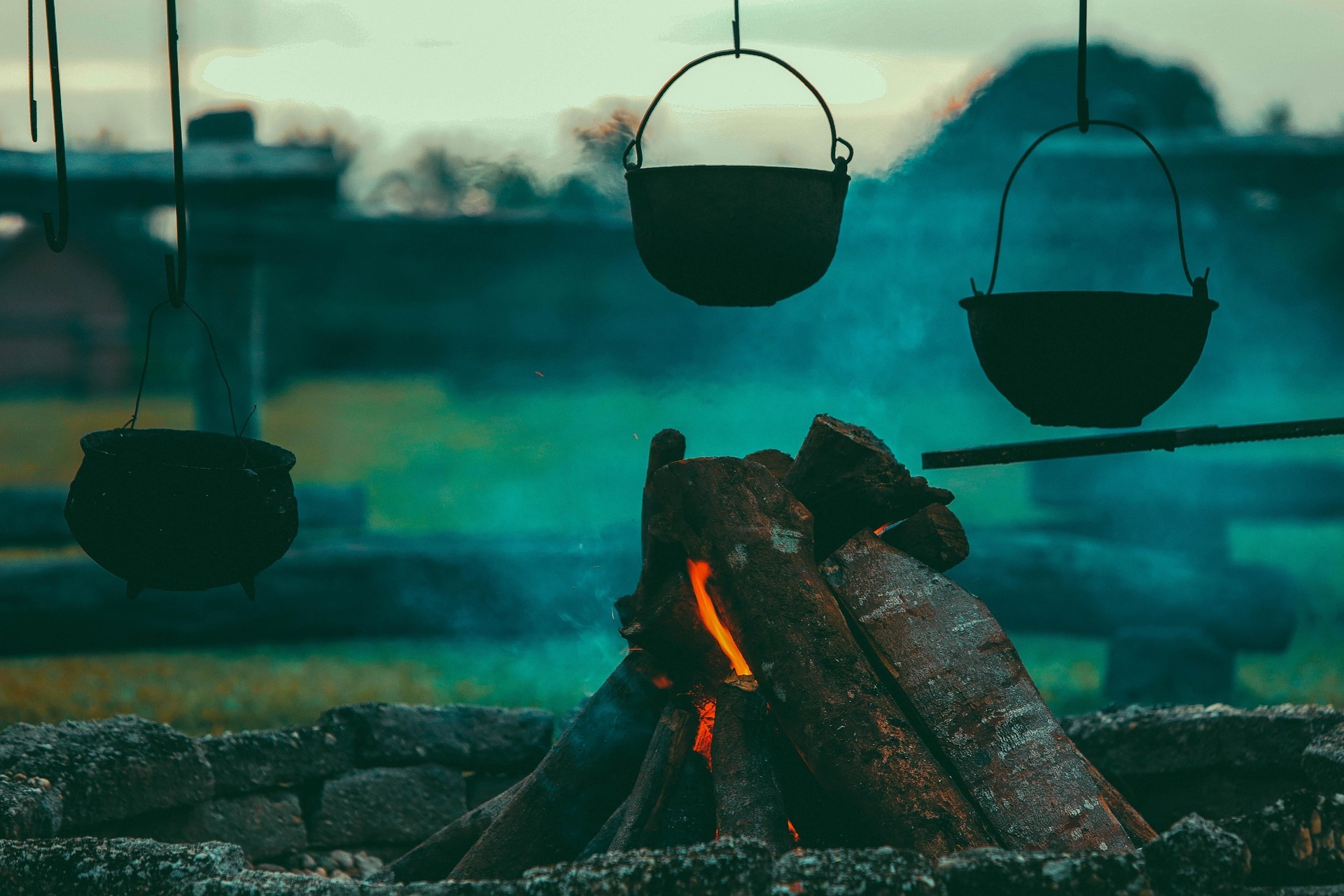
A properly managed campfire can provide an opportunity to explore traditional outdoor cooking.
Depending on the equipment and site, Explorers could cook suitable food using approved cookware.
The emphasis should be on fire management and safe cooking, not creating enormous flames.
FIRE SAFETY
Never cook over an uncontrolled fire. Keep people away from hot cookware and flames, and make sure the fire is properly extinguished when it is no longer required.
6. Stove Cooking Challenge
Stoves are often more practical than open fires for camping.
Teach Explorers how to use the particular stove safely before giving them responsibility for cooking.
A simple challenge could be:
“Prepare a hot meal using one stove and a limited amount of equipment.”
This encourages efficient cooking and organisation.
7. No-Recipe Cooking
Give each Patrol a selection of suitable ingredients and ask them to create a meal.
There is no recipe to follow.
They have to decide what they can make.
This can produce some interesting results — and plenty of discussion afterwards.
Ask:
What worked?
What didn’t?
What would you change next time?
8. Camp Cooking Competition
Turn cooking into a friendly competition.
Judging categories could include:
Taste.
Presentation.
Teamwork.
Planning.
Food hygiene.
Efficient use of equipment.
Avoid making speed the main objective.
A meal that is rushed or poorly cooked isn’t a successful outdoor meal.
9. Cooking for a Group
Give Explorers a larger cooking challenge.
Instead of preparing food for themselves, they need to prepare a meal for the whole Patrol or group.
They must calculate how much food is needed and organise the cooking process.
This introduces basic quantities, timing and delegation.
10. Budget Camping Meal
Give each Patrol a fictional budget.
Ask them to plan a complete camping meal within that amount.
They need to think about:
Cost.
Nutrition.
Portion sizes.
Storage.
Cooking equipment.
Food waste.
This shows that good camp cooking doesn’t have to be expensive.
11. Lightweight Meal Challenge
Give Explorers a scenario where they need to carry their own food during a hiking expedition.
Ask them to design a suitable meal.
They should consider weight, packaging, preparation time, nutritional value and how the food will be cooked.
This connects cooking directly with expedition planning.
12. Food Hygiene Challenge
Set up a fictional cooking area containing several mistakes.
For example:
Raw food stored incorrectly.
Dirty equipment.
Food left uncovered.
Poor hand hygiene.
Rubbish accumulating around the cooking area.
Ask Explorers to identify what needs changing.
This teaches that food safety is just as important outdoors as it is at home.
13. Food Storage Challenge
Give Explorers a selection of camping foods.
Ask them to decide how each should be stored.
Discuss:
Temperature.
Packaging.
Cross-contamination.
Animals.
Moisture.
Food labelling.
The aim is to develop good habits before they are responsible for managing food on longer camps.
14. Camp Baking
If suitable equipment is available, try some simple outdoor baking.
Explorers could make:
Flatbreads.
Damper-style bread.
Simple bannock.
Small cakes.
The activity can introduce heat management and patience.
Make sure recipes and equipment are appropriate for the cooking method being used.
15. Pizza Challenge
Pizza is an easy way to make outdoor cooking engaging.
Give each Patrol a basic dough and a selection of toppings.
They can design their own pizzas and cook them using suitable equipment.
The challenge could include creating a pizza based around a theme.
“Design a pizza inspired by your favourite country.”
16. Campfire Dessert Challenge
Finish a meal with a simple outdoor dessert.
Depending on the equipment and site, suitable options might include baked fruit, simple foil-wrapped desserts or other recipes designed for outdoor cooking.
Keep the cooking method controlled and avoid activities involving unsafe flames or hot sugar.
17. Cooking Time Challenge
Give Explorers a meal with several components.
Their challenge is to work out the order in which everything needs to be prepared and cooked.
For example:
“How can you have the whole meal ready at approximately the same time?”
This develops timing and teamwork.
18. The Limited Equipment Challenge
Give each Patrol a deliberately restricted equipment list.
Perhaps they have:
One cooking pot.
One pan.
One stove.
A chopping board.
A small number of utensils.
Can they still prepare a complete meal?
This encourages Explorers to think carefully about what equipment they actually need.
19. Leftover Challenge
Give Explorers a fictional selection of leftover ingredients.
Ask them to create another meal rather than throwing everything away.
This can introduce food waste, meal planning and creativity.
Always ensure that any real food used is safe and has been stored appropriately.
20. Blind Menu Planning
Give each Patrol a scenario without telling them exactly what food they will have.
For example:
“You’re planning a two-day hike. Design a menu that is lightweight, nutritious and easy to prepare.”
They need to make decisions based on the requirements rather than a specific recipe.
21. Cooking and Navigation
Combine two Explorer skills.
Give each Patrol a route with a cooking objective at the destination.
They navigate to the location, establish their cooking area and prepare a simple meal.
The activity should take place in an appropriate, pre-planned location with suitable permissions.
22. Cooking and Campcraft
Challenge Explorers to organise the entire cooking area.
They need to consider where to store food, where to prepare it, where to cook and where to wash equipment.
The emphasis is on creating a safe and efficient camp kitchen.
23. Weather-Proof Cooking
Give Explorers a fictional change in weather.
“Rain has started and the wind is increasing.”
Ask what they would change about their cooking plan.
Would they move the cooking area?
Change the menu?
Use different equipment?
Delay the meal?
This teaches an important outdoor lesson:
A good plan can change when conditions change.
24. Cook Without Waste
Give each Patrol a fixed quantity of ingredients.
Their challenge is to prepare the meal while minimising waste.
They can consider portion sizes, packaging and how ingredients can be used efficiently.
This connects cooking with environmental responsibility.
25. Explorer Chef Challenge
Give each Patrol a theme.
For example:
Breakfast for a hiking expedition
A vegetarian camp dinner
A meal inspired by another country
A lightweight expedition meal
A meal for a cold-weather camp
They design and prepare the meal within the agreed safety limits.
26. Teach a Younger Section
Once Explorers are confident outdoor cooks, they can help demonstrate simple cooking skills to a younger section.
They might explain food hygiene, demonstrate safe preparation or help supervise a simple recipe.
An adult leader should remain responsible for the activity.
Teaching someone else is often one of the best ways to discover whether you really understand a skill yourself.
27. Camp Kitchen Leader
Give an Explorer responsibility for coordinating a meal.
They can organise the equipment, allocate jobs and keep track of timing.
The leader remains responsible for overall safety, but the Explorer gets an opportunity to practise leadership.
This is particularly useful when preparing Explorers for expeditions.
28. Emergency Food Challenge
Give Explorers a fictional scenario:
“Your planned cooking equipment isn’t available. What can you safely prepare instead?”
Ask them to adapt their menu.
The answer shouldn’t involve unsafe improvisation.
The lesson is about having a backup plan and knowing when a particular cooking method is no longer suitable.
29. Cooking Skills Quiz
Finish a cooking session with a short quiz.
Ask questions such as:
Why is food hygiene important?
Why should raw and cooked foods be kept separate?
Why does cooking temperature matter?
Why shouldn’t a stove be used inside a tent?
What should you do if cooking conditions become unsafe?
This reinforces the lessons from the practical activity.
30. The Ultimate Explorer Cooking Challenge
Bring everything together.
Give Patrols responsibility for planning and preparing a complete camp meal.
They need to:
Choose the menu.
Plan ingredients.
Organise equipment.
Prepare the cooking area.
Cook safely.
Manage timing.
Work as a team.
Clean up.
Store food appropriately.
Review the meal afterwards.
Ask them:
“What would you do differently next time?”
That final question can be more valuable than the cooking itself.
Teach Cooking as a Skill
Outdoor cooking isn’t just about producing food.
It’s about planning.
It’s about working with limited resources.
It’s about managing time.
It’s about staying organised.
It’s about making sensible decisions when things don’t go according to plan.
And, of course, it’s about producing something everyone can enjoy.
Let Explorers Take Responsibility
As Explorers become more experienced, give them more ownership.
Let them plan the menu.
Let them calculate quantities.
Let them organise the equipment.
Let them divide the jobs.
Let them solve ordinary cooking problems.
But keep the appropriate safety boundaries in place.
The goal is supported independence, not unnecessary risk.
Don’t Forget the Washing Up
Cooking isn’t finished when everyone has eaten.
The cooking team should also deal with:
Dirty equipment.
Food waste.
Rubbish.
Unused ingredients.
The cooking area.
Any fire or stove that was used.
A good outdoor cook leaves the kitchen clean and ready for the next meal.
Make Outdoor Cooking Fun
Not every meal needs to be a competition.
Sometimes the best cooking activity is simply giving Explorers the freedom to make something together.
Let them experiment with flavours.
Let them make mistakes safely.
Let them discover that cooking for a group requires organisation.
And give them the satisfaction of sitting down together and eating something they prepared themselves.
🍳 THE BIG IDEA
Outdoor cooking is about much more than food.
Plan the meal.
Prepare carefully.
Cook safely.
Work as a team.
Adapt when things change.
Clean up afterwards.Give Explorers the responsibility to make decisions, while making sure they have the knowledge and supervision to do so safely.
That’s how a simple camp meal can become a genuine outdoor skills activity.
🔒Ready to test your survival skills?
Join Survival Guides UK for free, complete challenges, earn badges and increase your Survival Level.
JOIN FREE →
CRAIG BURR
FOUNDER · SURVIVAL GUIDES UK
I'm Craig, the person behind Survival Guides UK. I created SGUK because I wanted somewhere people could learn real outdoor skills in a practical, straightforward way — from lighting a fire and tying knots to navigation, campcraft and everything in between.
You can read more about the story behind SGUK here as well as our approach here.