Explorers Nature Activities: Fun Ways to Explore the Outdoors
Nature provides an endless supply of things for Explorers to discover.
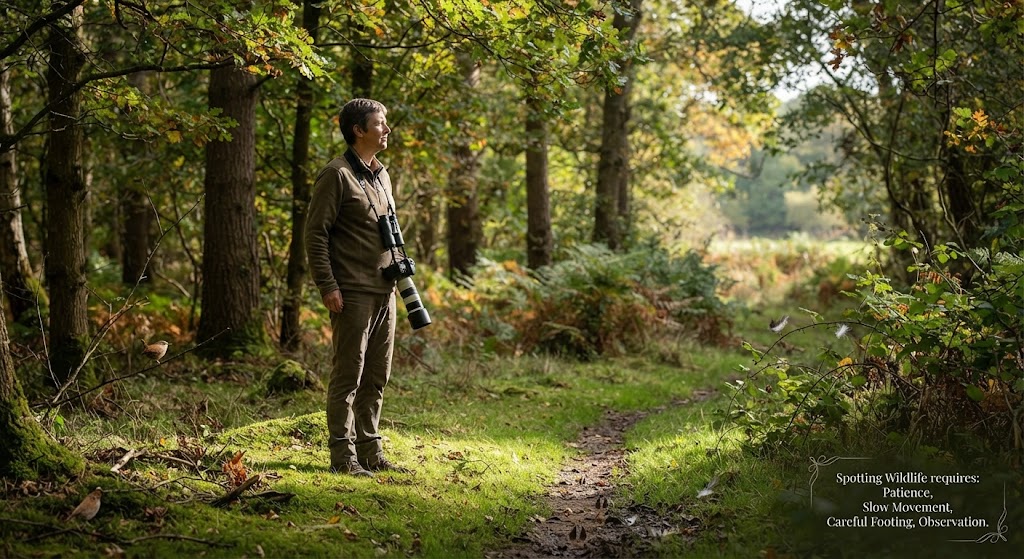
A woodland isn’t just somewhere to walk through.
It’s a place to investigate wildlife, identify plants, understand habitats, observe changing seasons and learn how human activity affects the natural world.
At Explorer level, nature activities can become more investigative.
Instead of simply asking young people to identify a tree or spot an animal, challenge them to observe, question, research and draw conclusions.
The best activities don’t require lots of equipment.
They require curiosity.
⚠️ SAFETY FIRST
Nature activities should always be planned for the location and conditions. Follow current Scouts safety and safeguarding guidance and complete appropriate risk assessments.
Take particular care around roads, water, steep ground, cliffs, unstable trees, poisonous plants, fungi, ticks, stinging insects and livestock.
Don’t encourage Explorers to eat wild plants or fungi, handle wildlife or approach potentially dangerous animals. Leave wildlife and habitats undisturbed.
1. Wildlife Spotting Challenge
Give each Patrol a list of wildlife they might reasonably encounter.
Rather than simply counting how many they see, ask Explorers to record evidence.
What did they see?
Where did they find it?
What was it doing?
What habitat was it using?
This encourages observation rather than simply rushing around looking for animals.
2. Nature Scavenger Hunt
Create a list of things Explorers might find outdoors.
For example:
Something with a rough texture.
A leaf with an unusual shape.
Evidence of an animal.
A natural object that has been weathered.
A plant growing in an unusual location.
Don’t require Explorers to collect everything they find.
Photographs or written observations are often better ways of recording discoveries while leaving the environment undisturbed.
3. Tree Identification Challenge
Choose an area containing several tree species.
Ask Explorers to identify them using leaves, bark, shape and other characteristics.
Then introduce a harder challenge:
“Can you identify the tree without looking at its leaves?”
This encourages them to notice bark, branching patterns and overall shape.
4. Woodland Detective
Give Explorers a simple investigation.
“What can you discover about this woodland in 30 minutes?”
They could investigate:
Tree species.
Ground plants.
Animal signs.
Deadwood.
Light levels.
Different habitats.
Human impact.
Ask each Patrol to present its findings afterwards.
5. Animal Tracks and Signs
Animals aren’t always easy to see.
Teach Explorers to look for evidence instead.
They might discover:
Footprints.
Feathers.
Nibbled plants.
Burrows.
Droppings.
Scratches.
Nests.
Trails through vegetation.
The important lesson is to observe without disturbing what they find.
6. Nature Photography Challenge
Give Explorers a photography challenge.
They might need to photograph:
A texture.
A pattern.
An interesting tree.
Evidence of wildlife.
A seasonal change.
A tiny detail.
A large landscape.
Afterwards, ask them to explain why they chose each photograph.
This combines nature observation with creativity.
7. Seasonal Nature Walk
Repeat the same short walk at different times of year.
Ask Explorers to record what changes.
In spring they might notice new growth.
Summer brings different flowers and insects.
Autumn changes leaves and fruit.
Winter reveals structures that are hidden by foliage.
This creates a long-term nature project rather than a one-off activity.
8. Habitat Hunt
Choose several habitats within the same area.
For example:
Woodland.
Grassland.
Hedgerow.
Pond edge.
Stream.
Ask Explorers to compare them.
Which plants grow there?
What animals might use them?
How wet or dry is the ground?
How much sunlight reaches the area?
Why might one habitat support different wildlife from another?
9. Mini Nature Survey
Give each Patrol a small area to investigate.
They can record what they observe and compare their findings with another Patrol.
The objective isn’t necessarily to identify every species.
It’s to practise careful observation and recording.
10. Birdwatching Challenge
Choose a suitable location and spend some time quietly observing birds.
Explorers can record what they see and hear.
Ask them to consider:
Which birds are common?
Which habitats are they using?
What are they feeding on?
Are they alone or in groups?
Encourage quiet observation and avoid approaching nests or disturbing birds.
11. Bird Call Challenge
Play or describe common bird calls and ask Explorers to identify them.
You can then take the activity outdoors and see whether they can recognise the same calls in the environment.
Avoid deliberately disturbing wildlife to get a better view.
12. Insect Investigation
Look for insects in different habitats.
Rather than catching them, encourage Explorers to observe them where they are.
Ask:
Where did you find it?
What was it doing?
What plants were nearby?
What might it be feeding on?
This can lead into a discussion about pollination and food chains.
13. Pond Life Observation
A pond can provide an excellent nature study.
Explorers can observe the habitat from the edge and identify visible wildlife.
If pond dipping is appropriate for the site, use suitable equipment and supervision and return animals carefully according to local guidance.
Never allow Explorers to enter the water as part of a nature activity unless the activity has been specifically planned and appropriately supervised.
14. Nature Sound Map
Find a quiet location.
Ask Explorers to sit safely and listen.
Instead of drawing what they see, create a map showing where different sounds come from.
A bird might be behind them.
A stream might be to the left.
Wind might be moving through trees in another direction.
Afterwards, compare everyone’s sound maps.
15. Sit Spot Challenge
Give Explorers ten or fifteen minutes to remain quietly in one place.
No phones.
No talking.
Just observation.
Ask them to record what changes during that time.
They might notice birds becoming less cautious, insects moving through vegetation or sounds they hadn’t initially noticed.
This teaches patience.
16. Nature Colour Hunt
Ask Explorers to find examples of different colours in nature.
They can photograph or record what they find rather than collecting it.
Try:
Green.
Brown.
Yellow.
Red.
Purple.
White.
Then discuss why different colours appear in plants, animals and landscapes.
17. Tree Age Investigation
Choose suitable trees and ask Explorers to estimate their age.
They can look at size, bark, growth patterns and surrounding conditions.
Don’t encourage cutting or damaging trees to determine their age.
The activity is about making observations and explaining an estimate.
18. Weather and Nature
Connect nature observation with weather.
Ask Explorers how wildlife and plants respond to changing conditions.
What happens to insects during cold weather?
Where do birds shelter during strong winds?
How does rain change a woodland?
Why might animals behave differently during hot weather?
This helps Explorers understand nature as a constantly changing system.
19. Nature and Navigation
Combine two important outdoor skills.
Give Explorers a map and ask them to navigate between natural features.
They might use:
A distinctive tree.
A stream junction.
A woodland edge.
A hill.
A large field.
Then ask them to identify those features on the ground.
This develops both navigation and observation.
20. Conservation Challenge
Give Explorers a genuine conservation task where appropriate.
This might involve:
Removing litter.
Maintaining a suitable habitat project.
Helping with woodland management under expert supervision.
Supporting a local conservation organisation.
The activity should be organised with the landowner or relevant conservation group.
Explorers should understand why the work is being done rather than simply completing a task.
21. Invasive Species Investigation
Introduce the idea of invasive non-native species.
Choose a suitable example relevant to the local area.
Ask Explorers:
Where does it occur?
How might it affect native species?
How was it introduced?
How is it managed?
Avoid allowing young people to remove plants unless the activity has been specifically organised and supervised by an appropriate organisation.
22. Food Chain Challenge
Choose a local habitat.
Ask Explorers to construct a simple food chain based on species that could actually occur there.
Then make it more challenging.
“What happens if one part of the food chain changes?”
This can introduce ideas about ecosystems and interconnected habitats.
23. Nature Bingo
Create bingo cards containing things Explorers might observe.
For example:
A bird.
A feather.
A flowering plant.
A tree with distinctive bark.
An insect.
Animal tracks.
A natural pattern.
A sign of human activity.
The first Patrol to complete its card wins.
But remember: observation is the goal, not collecting specimens.
24. Build a Wildlife-Friendly Space
If you have access to a suitable site, ask Explorers to design a small wildlife-friendly area.
They might consider:
Native plants.
Shelter.
Food sources.
Water.
Seasonal changes.
Human disturbance.
Have them explain why each feature could benefit wildlife.
Any physical work should be agreed with the landowner and appropriately supervised.
25. Nature Debate
Give Explorers an environmental question.
For example:
“Should people be allowed to use all woodland areas for recreation?”
Or:
“Should a local habitat be managed by people or left completely alone?”
Divide Explorers into groups and ask them to research different perspectives.
This encourages critical thinking and shows that environmental management can involve difficult decisions.
26. Night Nature Walk
A supervised evening nature walk can reveal a completely different environment.
Explorers might listen for nocturnal animals, observe changing sounds or notice how familiar surroundings look after dark.
Keep the route within a safe, assessed area and use appropriate lighting.
Never disturb wildlife simply to obtain a better sighting.
27. Nature Journal
Encourage Explorers to keep a nature journal.
They can record observations from different activities.
Over time, they may notice:
Seasonal changes.
Recurring wildlife.
Changes in habitats.
Weather patterns.
New species.
Human impacts.
The journal can become a record of their developing understanding of the outdoors.
28. Wildlife Mystery
Give Explorers a piece of evidence.
For example:
“You find these footprints beside a stream.”
Or:
“Something has been eating these leaves.”
Ask them to investigate possible explanations.
They can compare field guides, maps and observations.
The aim isn’t always to find the exact answer.
It’s to learn how to form a hypothesis and look for evidence.
29. Human Impact Challenge
Ask Explorers to identify ways people affect the area they’re visiting.
They might find:
Litter.
Footpath erosion.
Noise.
Trampled vegetation.
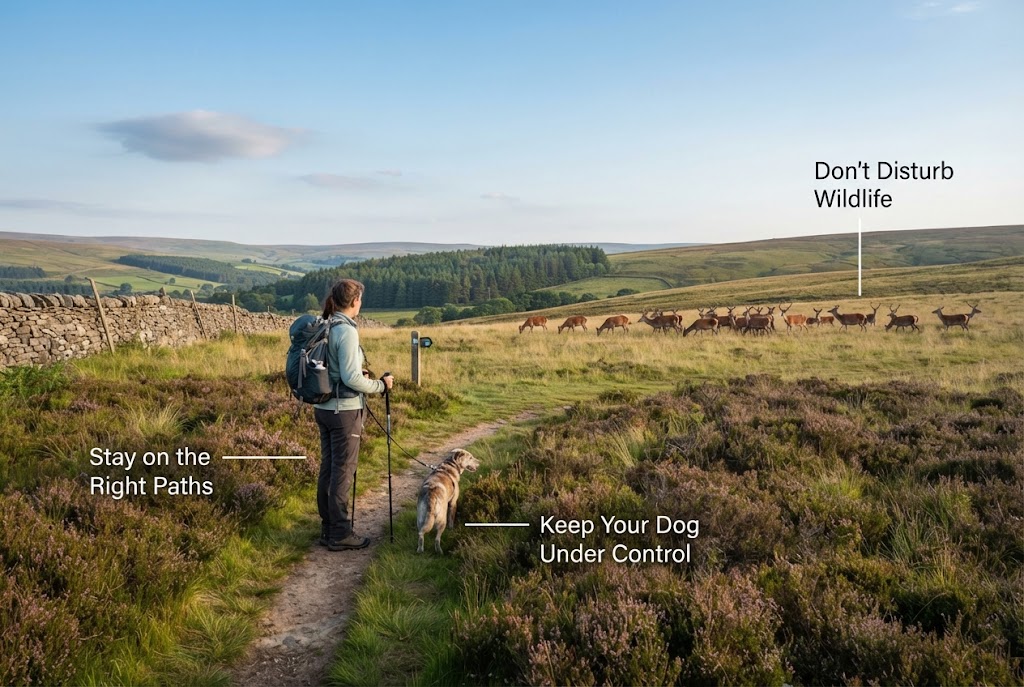
Dog disturbance.
Pollution.
Habitat management.
Then ask:
“What could we do differently?”
This connects nature study with responsible outdoor behaviour.
30. Create a Nature Activity for Others
Once Explorers have developed confidence, give them the opportunity to design their own nature activity.
They could create a wildlife hunt, tree identification walk, nature investigation or conservation challenge for a younger section.
They need to think about:
The objective.
The location.
Safety.
Equipment.
Instructions.
How participants will learn.
This develops leadership as well as environmental awareness.
Leave Nature as You Found It
One of the most important lessons Explorers can learn is that enjoying nature doesn’t mean taking it home.
Avoid unnecessary collecting.
Don’t damage plants.
Don’t disturb nests or dens.
Don’t handle wildlife unnecessarily.
Take photographs instead of specimens where possible.
Keep to appropriate paths and follow local countryside guidance.
🌿 LEAVE NO TRACE
Look closely. Learn something. Leave it where you found it.
Nature Is an Outdoor Classroom
The best nature activities don’t always look like lessons.
A walk can become a wildlife investigation.
A tree can become an identification challenge.
A stream can become a habitat study.
A muddy footprint can become a detective mystery.
A changing season can become a long-term project.
The outdoors provides the classroom.
Your job is to encourage Explorers to notice what’s already there.
Let Explorers Ask Questions
Don’t feel that every nature activity needs a correct answer.
Encourage questions such as:
Why does this tree grow here?
What made these tracks?
Why are there fewer plants under this tree?
Where do these insects go when it rains?
How has this habitat changed?
Questions encourage curiosity, and curiosity is one of the best tools for learning about nature.
Combine Nature With Other Skills
Nature activities can easily connect with other Explorer skills.
Navigation helps Explorers find and record locations.
Camping teaches them to minimise their environmental impact.
First aid helps them recognise outdoor hazards.
Photography provides a way to record observations.
Leadership gives them opportunities to teach others.
Conservation turns understanding into action.
This makes nature part of the wider outdoor programme rather than an isolated activity.
Final Thoughts
Nature is already full of activities.
You don’t need complicated equipment or expensive resources.
You need somewhere suitable to explore and a reason to look more closely.
Give Explorers time to observe.
Ask them questions.
Let them investigate.
Encourage them to protect what they discover.
🌳 THE BIG IDEA
The more you understand the outdoors, the more you appreciate it.
Look closely.
Ask questions.
Record what you discover.
Respect wildlife.
Protect the places you explore.The goal isn’t simply to know the names of plants and animals.
It’s to develop a lasting curiosity about the natural world and a desire to look after it.
🔒Ready to test your survival skills?
Join Survival Guides UK for free, complete challenges, earn badges and increase your Survival Level.
JOIN FREE →
CRAIG BURR
FOUNDER · SURVIVAL GUIDES UK
I'm Craig, the person behind Survival Guides UK. I created SGUK because I wanted somewhere people could learn real outdoor skills in a practical, straightforward way — from lighting a fire and tying knots to navigation, campcraft and everything in between.
You can read more about the story behind SGUK here as well as our approach here.