How to Explore Nature Responsibly
Getting outside is a great way to explore, learn new skills and see places you might never have visited before.
You might go hiking through a forest, walk across open moorland, camp in the countryside or explore a local nature reserve. Wherever you go, you are sharing that environment with plants, animals and other people.
That means it’s important to explore nature responsibly.
Being a responsible explorer doesn’t mean you can’t have fun or get muddy. It simply means enjoying the outdoors while causing as little damage as possible.
Small actions can make a big difference, especially when lots of people visit the same places.
Stay on the Right Paths
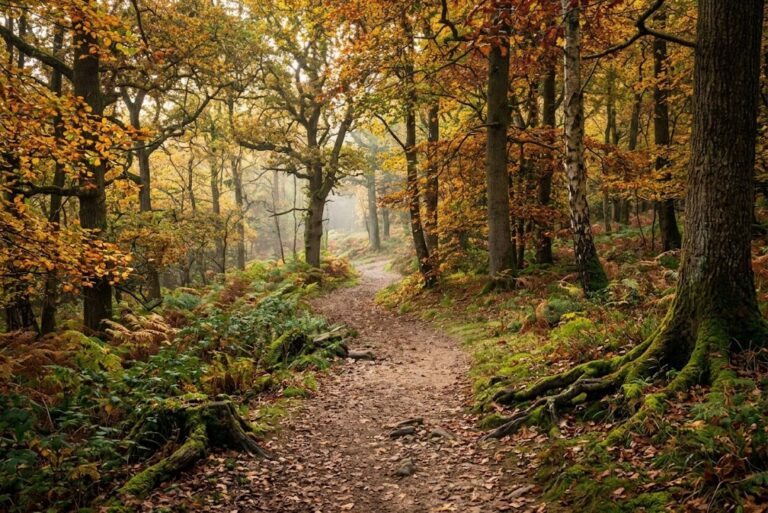
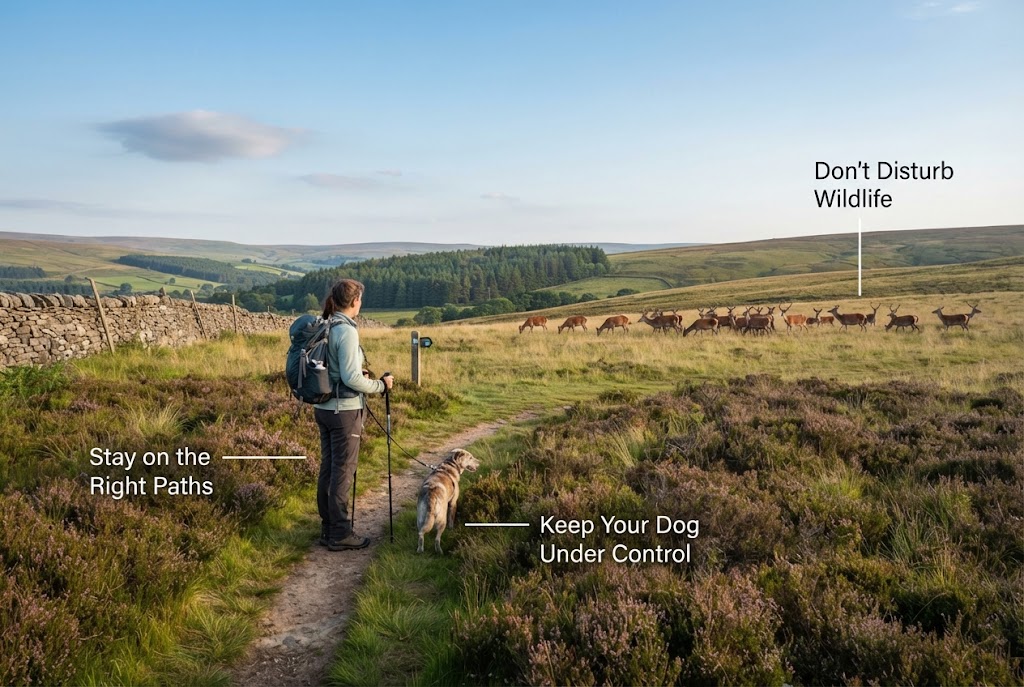
One of the easiest ways to protect the countryside is to stick to the paths and routes you are allowed to use.
Walking off the path can damage plants and wear away the soil. If lots of people take the same shortcut, a small track can quickly become a much larger area of damaged ground.
In the UK, you may come across different types of routes, including footpaths, bridleways and other public rights of way.
Pay attention to signs and follow any local instructions.
There are times when you may be allowed to walk away from a marked path, but always check the access rules for the area first.
Don’t Disturb Wildlife
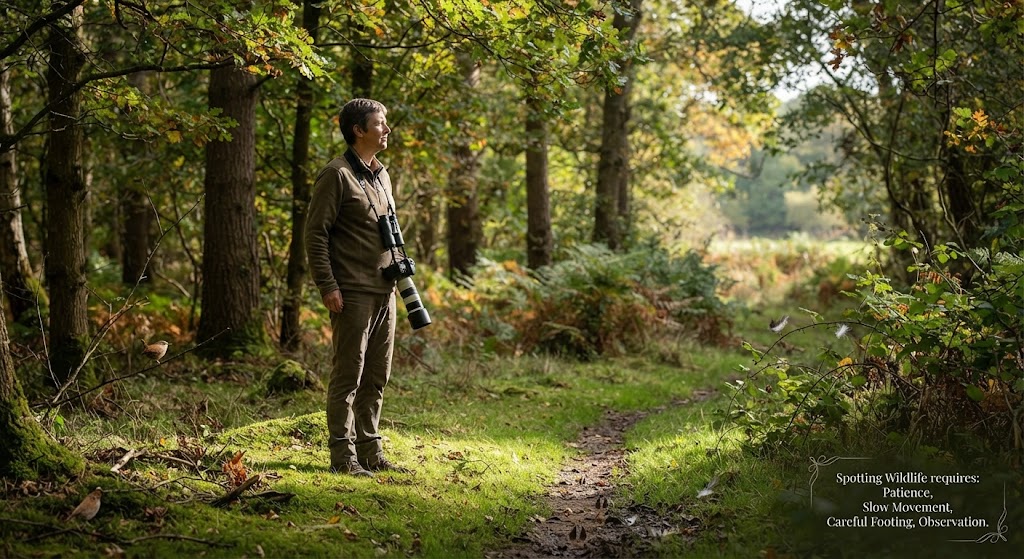
Seeing wildlife in its natural environment can be one of the best parts of exploring outdoors.
If you spot a deer, fox, bird, rabbit or other animal, give it plenty of space.
Don’t chase animals to get a better photograph.
Don’t try to touch wild animals.
And never deliberately scare an animal just to see what it does.
Wild animals need to use their energy to find food, avoid danger and care for their young. Being chased or disturbed can cause unnecessary stress.
The best wildlife encounter is often one where the animal barely knows you are there.
Keep Your Dog Under Control
If you’re exploring with a dog, remember that wildlife can be affected by dogs even when the dog is only being friendly or curious.
Keep your dog under control and follow local rules about where dogs can be off the lead.
This is especially important around livestock and during times when birds and other animals are nesting or raising their young.
A dog running through an area of ground-nesting birds, for example, can disturb animals that you might not even notice.
Leave Plants Where They Are
It can be tempting to pick an interesting flower, collect a pretty plant or take home a strange-looking leaf.
It’s better to leave wild plants where they are.
Plants are part of the habitat and provide food and shelter for insects, birds and other animals.
Some plants are also rare or protected.
Instead of taking something home, take a photograph and leave it for other people to enjoy.
The same applies to rocks, fossils, feathers and other natural objects. Before collecting anything, check whether it is allowed in the area.
Don’t Feed Wild Animals
Feeding wildlife might seem like a kind thing to do, but it can cause problems.
Wild animals have evolved to find their own natural food.
Food from humans can sometimes be unhealthy for them. It can also cause animals to become dependent on people or start approaching visitors.
Animals that become too comfortable around humans can also become a problem for other visitors.
Watching wildlife is usually better than feeding it.
Take Your Rubbish Home
This sounds obvious, but litter is still a major problem in outdoor areas.
Food wrappers, bottles, tissues and other rubbish can spoil the landscape and harm wildlife.
Animals may eat rubbish by mistake or become trapped in it.
A simple rule is:
If you bring it with you, take it home with you.
Don’t leave food scraps behind either. Even if something is biodegradable, that doesn’t mean it belongs on the ground.
A banana skin might eventually break down, but it can still take a long time and may not belong in that environment.
Be Careful With Food
When eating outdoors, try to keep your food contained and clean up properly afterwards.
Don’t throw leftovers into bushes or leave crumbs around a campsite.
Food can attract animals to places where people regularly visit.
This can change their behaviour and create problems for both wildlife and people.
Pack your food carefully and take your leftovers and packaging with you.
Be Careful With Fires
A campfire can be a memorable part of an outdoor adventure, but fires can also cause serious damage.
A fire can spread quickly through dry grass, leaves or woodland.
It can also damage the ground underneath it.
Before lighting any fire, check whether fires or stoves are permitted where you are staying. Some areas have strict rules or temporary fire restrictions.
If fires are allowed, follow local guidance and make sure the fire is completely out before leaving.
Never leave a fire unattended.
In many situations, a camping stove is a safer and more practical choice than an open fire.
Don’t Damage Trees
Trees might seem tough, but they can be damaged surprisingly easily.
Avoid:
- Cutting branches
- Carving names into tree trunks
- Pulling off bark
- Hammering nails into trees
- Climbing fragile or protected trees
A small cut in a tree can create an opening where disease or insects can enter.
If you want to make a shelter for a bushcraft activity, use suitable materials and follow the rules of the area rather than damaging living trees.
Keep Noise Under Control
The outdoors isn’t just there for people.
Animals use natural areas to feed, sleep, hunt and raise their young.
Very loud music, shouting and other unnecessary noise can disturb wildlife and other visitors.
You don’t have to walk around in complete silence, but think about how much noise you are making.
If you’re in a quiet woodland or nature reserve, keeping your voices down can make the experience better for everyone.
You may also hear more wildlife when you’re quiet.
Close Gates Behind You
If you open a gate while walking, check whether it needs to be closed again.
Gates are often used to keep livestock in the correct fields.
Leaving one open could allow animals to escape or enter an area where they shouldn’t be.
Don’t climb over gates or fences when there is a suitable gate or stile nearby.
If you come across a gate that is already open, follow any signs or local instructions rather than automatically changing it.
Respect Farm Animals
The countryside isn’t just a place for wildlife. It’s also a working environment.
You may encounter:
- Sheep
- Cows
- Horses
- Goats
- Deer
- Other livestock
Give animals plenty of space.
Never deliberately chase them, shout at them or try to touch them.
Be especially careful around cattle with calves. Even animals that normally seem calm can react if they feel that their young are threatened.
If you’re walking with a dog, take extra care around livestock and follow local guidance.
Don’t Leave Signs That You’ve Been There
Responsible outdoor exploration is sometimes about leaving as little evidence as possible.
Try to leave the area looking much like it did when you arrived.
That means avoiding things like:
- Carving names into trees
- Building unnecessary structures
- Moving large rocks
- Damaging plants
- Leaving litter
- Creating unofficial paths
- Painting or marking rocks and trees
You want the next person to be able to enjoy the same place without seeing all the changes you made.
Take Care Around Nesting Animals
Spring and early summer can be especially important for wildlife because many animals are raising their young.
You may not even realise that a nest or young animal is nearby.
Birds can build nests on the ground, in bushes or in trees. Other animals may hide their young in long grass or under vegetation.
If an animal suddenly becomes very alert or seems to be trying to lead you away from an area, don’t follow it.
Give the animal space and move away.
Don’t Pick Up Baby Animals
Finding a young animal on its own can make you think it has been abandoned.
Often, that isn’t the case.
Many young animals spend time away from their parents while the adults search for food.
If you see a baby animal, don’t pick it up unless you have been told by a suitable wildlife professional that it needs help.
Keep your distance and let nature take its course.
Explore Without Spreading Damage
Popular outdoor areas can receive thousands of visitors.
A single person walking across a patch of grass might cause very little damage.
Thousands of people doing the same thing can create a bare track.
This is why responsible exploration matters.
Think about the effect of your actions multiplied by everyone else who visits the same place.
If everyone took shortcuts, left litter or disturbed wildlife, many beautiful places would quickly become damaged.
Follow Local Rules
Different outdoor areas can have different rules.
A national park, nature reserve, woodland, beach or campsite may have its own guidance about:
- Dogs
- Camping
- Fires
- Cycling
- Swimming
- Fishing
- Wild camping
- Drones
- Wildlife
- Collecting natural materials
Don’t assume that something is allowed just because you’ve seen somebody else doing it.
Look for signs and check the rules before you start exploring.
Leave No Trace
You may hear the phrase Leave No Trace when learning about responsible outdoor activities.
The basic idea is simple:
Enjoy the outdoors without leaving unnecessary evidence that you were there.
This includes taking your rubbish home, avoiding damage to plants and wildlife, using existing paths and campsites where appropriate, and respecting other people.
You don’t need to be perfect.
The goal is to make sensible choices that reduce the impact you have on the environment.
Help Make Places Better
Responsible exploration isn’t only about avoiding damage.
You can also help look after the places you visit.
For example, you could:
- Pick up litter if it is safe to do so
- Take part in a local conservation project
- Learn about the wildlife in your area
- Support local countryside organisations
- Encourage friends to follow good outdoor behaviour
- Report serious problems to the people responsible for the area
Even small actions can help.
Take Photos Instead of Souvenirs
Photos are a great way to remember an adventure without taking part of the environment home with you.
Take pictures of interesting:
- Plants
- Trees
- Rocks
- Landscapes
- Insects
- Birds
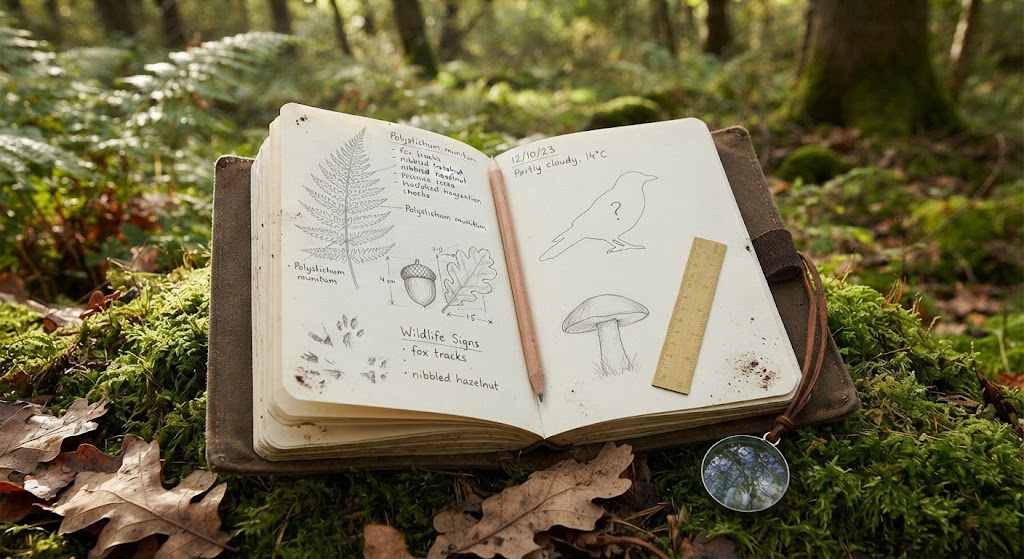
- Animal tracks
You can then look back at them later or use them to learn more about what you saw.
Just remember to keep your distance from wildlife and avoid damaging plants or habitats to get the perfect photograph.
Respect Other People
Being responsible outdoors also means thinking about other people.
You may meet walkers, runners, cyclists, horse riders, families, campers and local residents.
Give people space and be aware of what is happening around you.
If you’re in a quiet area, avoid unnecessary noise.
If you’re sharing a narrow path, communicate politely and allow others to pass safely.
Everyone should be able to enjoy the countryside.
Learn About the Place You Are Visiting
One of the best ways to become a responsible explorer is to learn about the environment around you.
Before visiting somewhere, find out:
- What wildlife lives there?
- Are there any rare plants?
- Are dogs allowed?
- Are there nesting areas?
- Is camping permitted?
- Are fires allowed?
- Are there any local restrictions?
- Are there dangerous areas to avoid?
Knowing more about a place makes you more likely to look after it.
You might even discover something interesting that you would have otherwise walked straight past.
A Simple Checklist for Responsible Exploring
Before heading outdoors, remember these simple rules:
Respect Wildlife
Watch animals from a distance and don’t chase, feed or touch them.
Stick to Suitable Routes
Use paths and routes where required and avoid creating new shortcuts.
Take Your Rubbish Home
Don’t leave litter or food behind.
Leave Nature Where It Is
Don’t damage plants, trees or habitats, and check the rules before collecting anything.
Control Fires
Only have fires where they are permitted and make sure they are completely out before leaving.
Keep Dogs Under Control
Follow local rules and take extra care around livestock and wildlife.
Respect Other People
Share the outdoors and avoid unnecessary noise or disruption.
Follow Local Rules
Different places have different rules, so check before you explore.
Why Responsible Exploring Matters
Nature is there for everyone, but it can be damaged surprisingly easily.
A single person leaving a piece of litter or taking a shortcut might not seem like a big deal.
The problem comes when thousands of people do the same thing.
By exploring responsibly, you help protect the countryside for wildlife, local communities and other people who want to enjoy it.
You also become a better outdoor explorer.
The more you understand about the places you visit, the better you can appreciate them.
Final Thoughts
Exploring nature responsibly doesn’t mean having less fun.
It means learning how to enjoy the outdoors without unnecessarily damaging the things that make it special.
Stay on suitable paths, respect wildlife, take your rubbish home, follow local rules and leave places as you found them.
Most importantly, remember that when you are outdoors, you’re a visitor in someone else’s habitat.
Explore it. Learn from it. Enjoy it. Then leave it ready for the next person.
🔒Ready to test your survival skills?
Join Survival Guides UK for free, complete challenges, earn badges and increase your Survival Level.
JOIN FREE →
CRAIG BURR
FOUNDER · SURVIVAL GUIDES UK
I'm Craig, the person behind Survival Guides UK. I created SGUK because I wanted somewhere people could learn real outdoor skills in a practical, straightforward way — from lighting a fire and tying knots to navigation, campcraft and everything in between.
You can read more about the story behind SGUK here as well as our approach here.