How to Use Handrails and Catching Features
When you’re navigating outdoors, you don’t always need to follow an exact bearing from one point to another. Sometimes it is easier and safer to use features that are already in the landscape to guide you. Two particularly useful navigation techniques are handrails and catching features.
They are simple ideas, but they can make navigation much easier, especially when you’re learning to use a map. Instead of constantly trying to judge exactly where you are in open ground, you can use obvious features such as paths, streams, walls, tracks or ridgelines to help keep you on course.
What Is a Handrail?
A handrail is a clear linear feature that you can follow while travelling towards your destination.
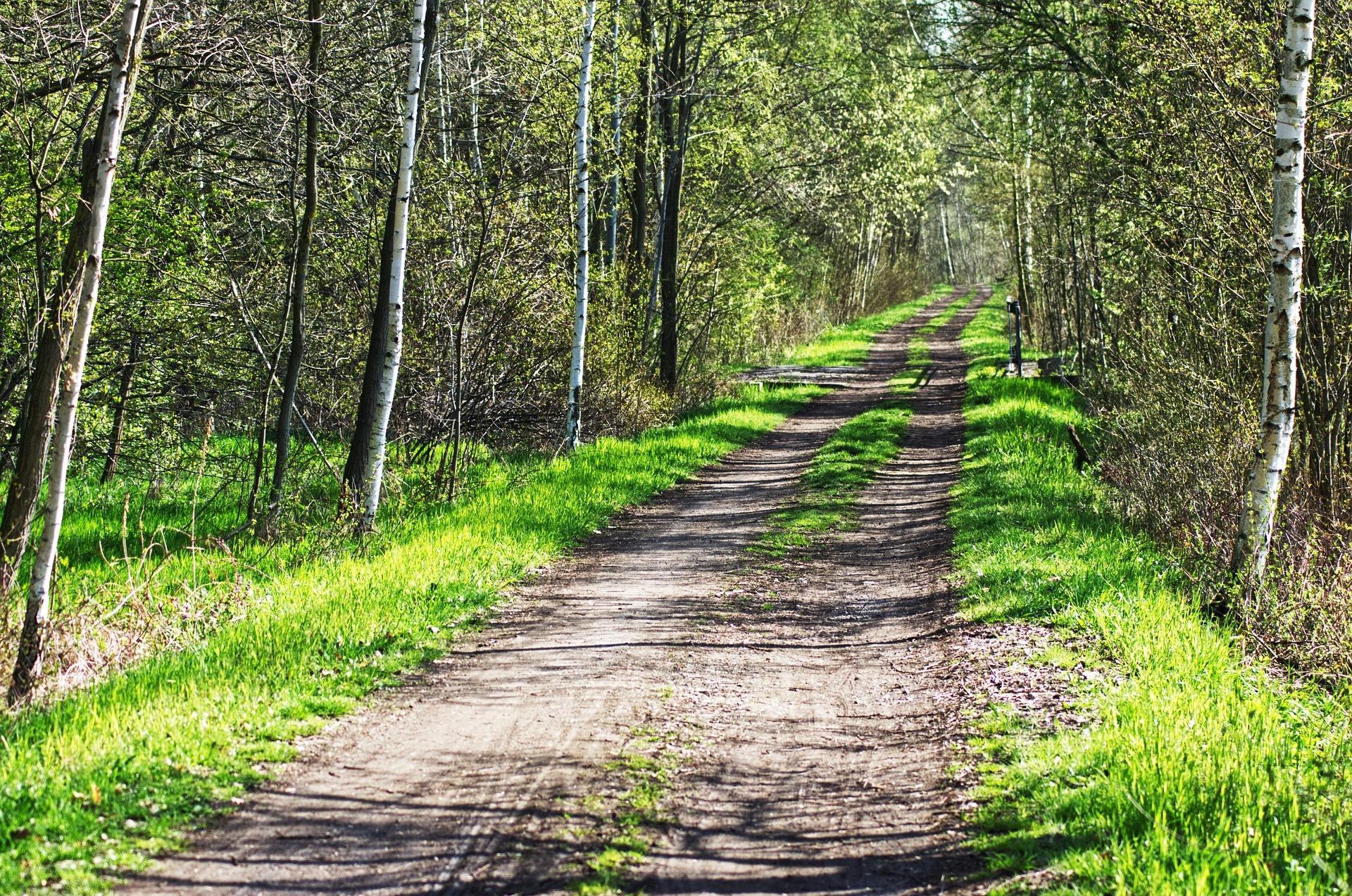
Imagine that your destination is difficult to reach directly, but there is a path running in roughly the right direction. Instead of crossing open ground and trying to maintain a precise bearing the whole way, you can navigate to the path and then follow it.
The path becomes your handrail. Other examples include streams, rivers, walls, fences, tracks, roads, field boundaries and sometimes ridgelines.
The important thing is that the feature should be clear enough for you to recognise it both on the map and on the ground.
Choose an Obvious Handrail
The best handrails are features that are easy to follow and difficult to confuse with something else.
A well-defined path is often easier to use than a faint track. A substantial stream may be easier to recognise than a tiny drainage channel. A prominent wall or fence can be useful because it gives you a clear line to follow.
Before choosing one, look at the map and consider whether the feature is likely to be visible on the ground. A feature that looks obvious on a map isn’t necessarily obvious in poor weather or dense vegetation.
Navigate to the Handrail First
You don’t necessarily need to start by following the handrail.
If you’re standing at one point and need to reach a path that will take you towards your destination, first work out how to get safely to that path. You can use a bearing, a landmark or another navigation technique to reach it.
Once you have confirmed that you’ve reached the correct feature, you can use it as your guide.
This can make the next part of the journey much simpler because you no longer need to maintain the same level of precision across open ground.
Check Which Direction to Follow
Finding a handrail is only useful if you know which way to follow it.
Before setting off, look at your map and identify the direction in which the feature runs. Check nearby junctions, bends, buildings, streams or other features so that you can confirm you’re travelling in the right direction.
This is especially important when two paths or tracks look similar. Don’t simply assume that reaching a path means you’ve reached the right one.
Use More Than One Feature
A handrail becomes much more reliable when you combine it with other features.
For example, you might follow a path until it reaches a stream, then use the stream as another handrail. A junction, bridge or distinctive bend might then confirm exactly where you are.
These smaller features act as checkpoints along your route and help prevent a small navigation error from becoming a much larger one.
What Is a Catching Feature?
A catching feature is a prominent feature beyond your destination that tells you when you have gone too far.
The idea is simple. Before you start travelling, identify something that you would encounter if you continued beyond your intended point. When you reach that feature, you know that you should have already reached your destination.
For example, if you are following a path towards a turning and a large stream crosses the path further ahead, the stream can act as your catching feature. If you reach the stream without finding the turning, you know you have gone past where you intended to be.
Choose a Clear Catching Feature
A good catching feature should be obvious and easy to recognise.
A large river, major road, railway, prominent ridge or substantial change in terrain can work well. A small feature that could easily be missed is less useful.
The further your catching feature is beyond the destination, the more useful it can be as a safety net, but you don’t want it so far away that you have travelled a long distance before realising you’ve gone wrong.
Set Your Catching Feature Before You Start
Don’t wait until you’re lost to think about what should tell you that you’ve gone too far.
Look at the map before setting off and identify the feature beyond your destination. Make a mental note of it or mark it on your map.
This gives you a simple rule to follow: reach the target before the catching feature.
If you reach the catching feature without finding your target, stop rather than continuing onwards and hoping you’ll eventually find it.
Use Handrails and Catching Features Together
These two techniques work particularly well together.
Imagine you’re trying to reach a footpath junction. You first navigate across open ground to reach a larger path, then follow that path as your handrail. Further along, a stream crosses the path. You know the stream is beyond the junction you’re looking for, so it acts as your catching feature.
You now have both a route to follow and a clear warning that you have gone too far.
This is much easier to manage than simply walking in the general direction of the destination and hoping you find it.
Don’t Follow a Handrail Blindly
A handrail is an aid to navigation, not a guarantee that you’re going in the right direction.
Paths can branch, tracks can disappear and streams can change direction. A wall or fence might take you somewhere completely different from where you intended to go.
Keep checking your map and confirm your position using other features as you travel.
Use the Landscape as Well as the Map
One of the advantages of handrails and catching features is that they encourage you to pay attention to what is actually around you.
If the map shows a path leading towards a stream but you encounter a fence first, stop and investigate rather than ignoring what you’re seeing. The landscape is giving you information about your position.
Good navigation is about constantly comparing the map with the ground.
Handrails Can Make Difficult Terrain Easier
Handrails can be particularly useful when navigating through areas where maintaining a precise bearing is awkward.
Dense woodland, rough ground, steep slopes and poor visibility can all make straight-line navigation more difficult. If there is a suitable linear feature that takes you close to where you need to go, using it can reduce the amount of complex navigation required.
You still need to check your position, but you have a clear feature helping to guide you.
Catching Features Give You a Safety Net
A catching feature is especially useful because it gives you a clear point at which to stop and reassess.
Without one, you might walk beyond your destination and continue travelling because you assume you haven’t reached it yet. With one, you already know what should happen if you miss the target.
That simple bit of planning can prevent a small mistake from turning into a much bigger navigation problem.
Safety When Using Handrails and Catching Features
Never assume that a feature is safe to follow simply because it appears on a map. Roads, rivers, steep slopes, cliffs, railway lines and other features can present serious hazards.
A stream might become difficult or dangerous to cross, while a wall or fence may lead towards terrain you shouldn’t enter. Choose your route with the actual conditions in mind and never use a catching feature as a reason to deliberately continue towards a dangerous area.
If visibility deteriorates or you become unsure of your position, stop, check the map and reassess rather than continuing blindly.
Practise on Familiar Routes
You can practise these techniques without going somewhere remote.
Take a familiar local walk and look at the map before you leave. Identify a path, stream, wall or other feature that you could use as a handrail. Then find a feature beyond your intended point that could act as a catching feature.
Once you start looking for them, you’ll find that many ordinary landscapes contain useful navigation features.
Build Them Into Your Navigation
Handrails and catching features are simple because they turn the landscape into part of your navigation plan.
Instead of thinking only about the exact line between where you are and where you want to go, look for useful features along the way. Find something you can follow, identify something that will tell you if you’ve gone too far, and use smaller features to confirm your position as you travel.
The more you practise doing this before you set off, the more naturally you’ll start seeing routes as a series of features rather than simply a line on a map.
🔒Ready to test your survival skills?
Join Survival Guides UK for free, complete challenges, earn badges and increase your Survival Level.
JOIN FREE →
CRAIG BURR
FOUNDER · SURVIVAL GUIDES UK
I'm Craig, the person behind Survival Guides UK. I created SGUK because I wanted somewhere people could learn real outdoor skills in a practical, straightforward way — from lighting a fire and tying knots to navigation, campcraft and everything in between.
You can read more about the story behind SGUK here as well as our approach here.