Preventing Yourself Becoming Lost: Essential Navigation Skills
Activity Overview
Difficulty: Beginner
Time: 45–60 minutes
Location: Suitable outdoor training area
Best for: Scouts and Explorers
Skills: Navigation, route planning, situational awareness, map reading, decision-making, group management
The best way to deal with becoming lost is to avoid becoming lost in the first place.
Good navigation is not simply knowing how to use a compass. It means continually knowing where you are, where you are going and what you should expect to see along the way.
Before setting off, understand the route and identify important features. During the journey, regularly compare the map with the landscape, use recognisable landmarks and avoid continuing when you are no longer confident about your position.
A simple habit is:
Know where you are → Know where you’re going → Check regularly → Stop when uncertain.
If you realise that your location no longer makes sense, don’t keep walking and hope that things will become clearer. Stop, use your navigation skills and reassess.
What You’ll Learn
You will learn how to reduce the chances of becoming lost by combining preparation, observation and regular navigation checks.
You will also learn why experienced navigators do not simply wait until they are completely lost before checking their position. Small uncertainties are much easier to correct than a major navigation error.
The aim is to develop continuous awareness of your location, rather than treating navigation as something you only do when you need directions.
🟢 SAFETY – LOW RISK
Navigation training is generally a low-risk activity when conducted in a suitable, known area with appropriate supervision.
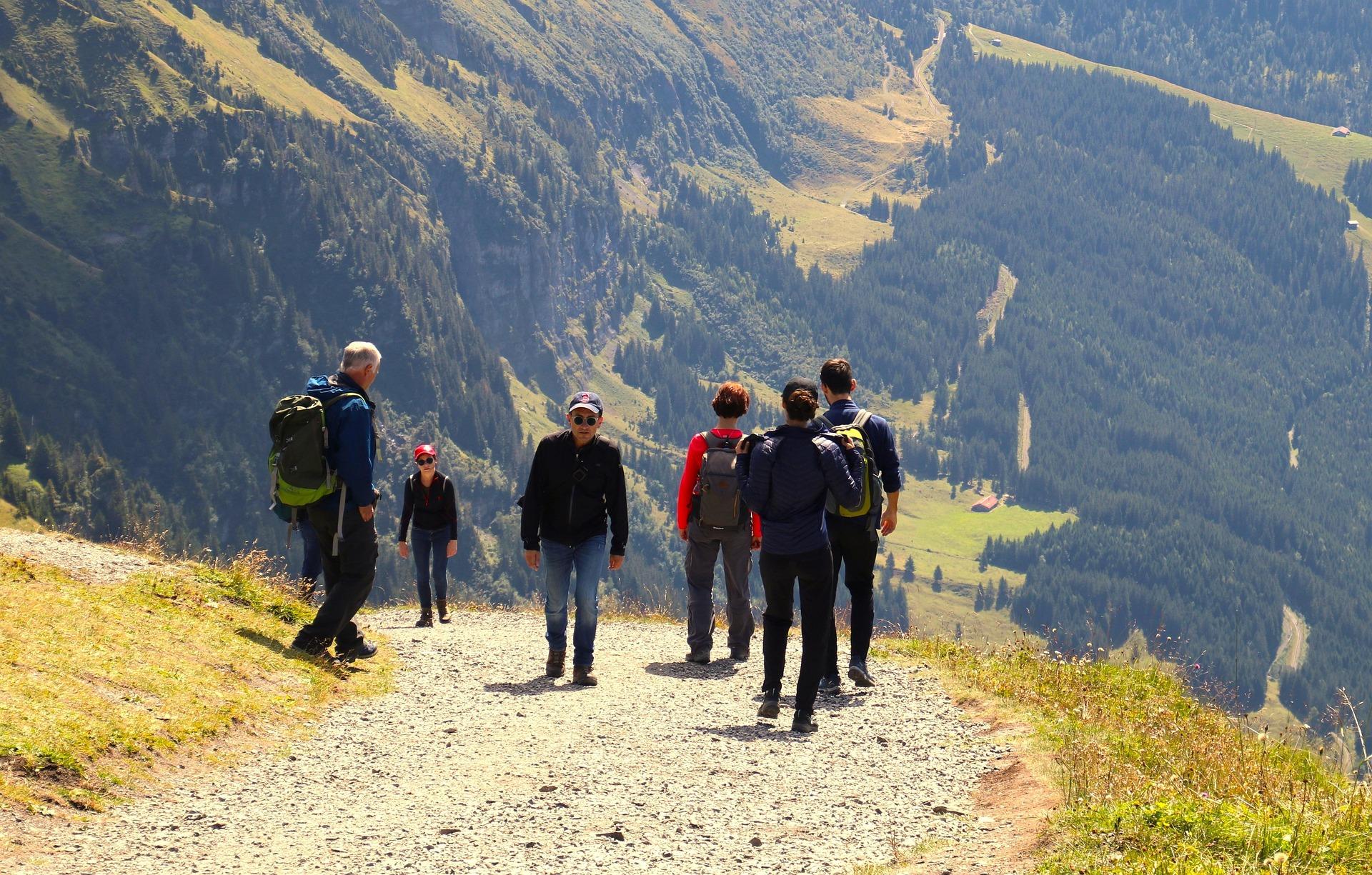
The risk can become significantly greater if practical navigation exercises take place in remote, steep, exposed, wooded or poor-weather environments. Training areas should therefore be appropriate for the group’s experience, weather and equipment.
Scouts should never deliberately be left alone or genuinely lost as part of an exercise.
Equipment
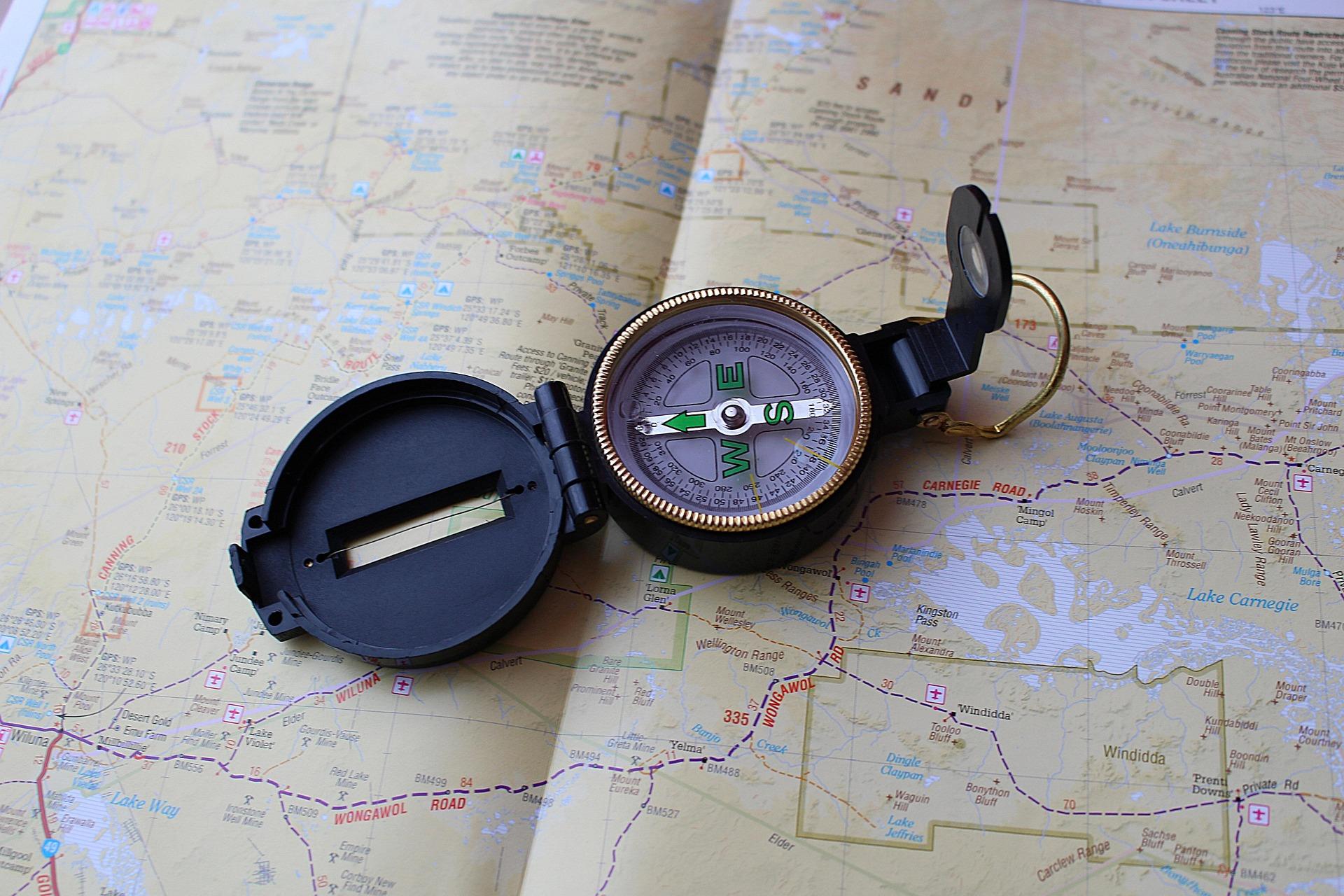
A map and compass are the most useful core navigation tools. A suitable outdoor map allows you to understand the terrain and plan your route, while a compass helps you establish and maintain direction.
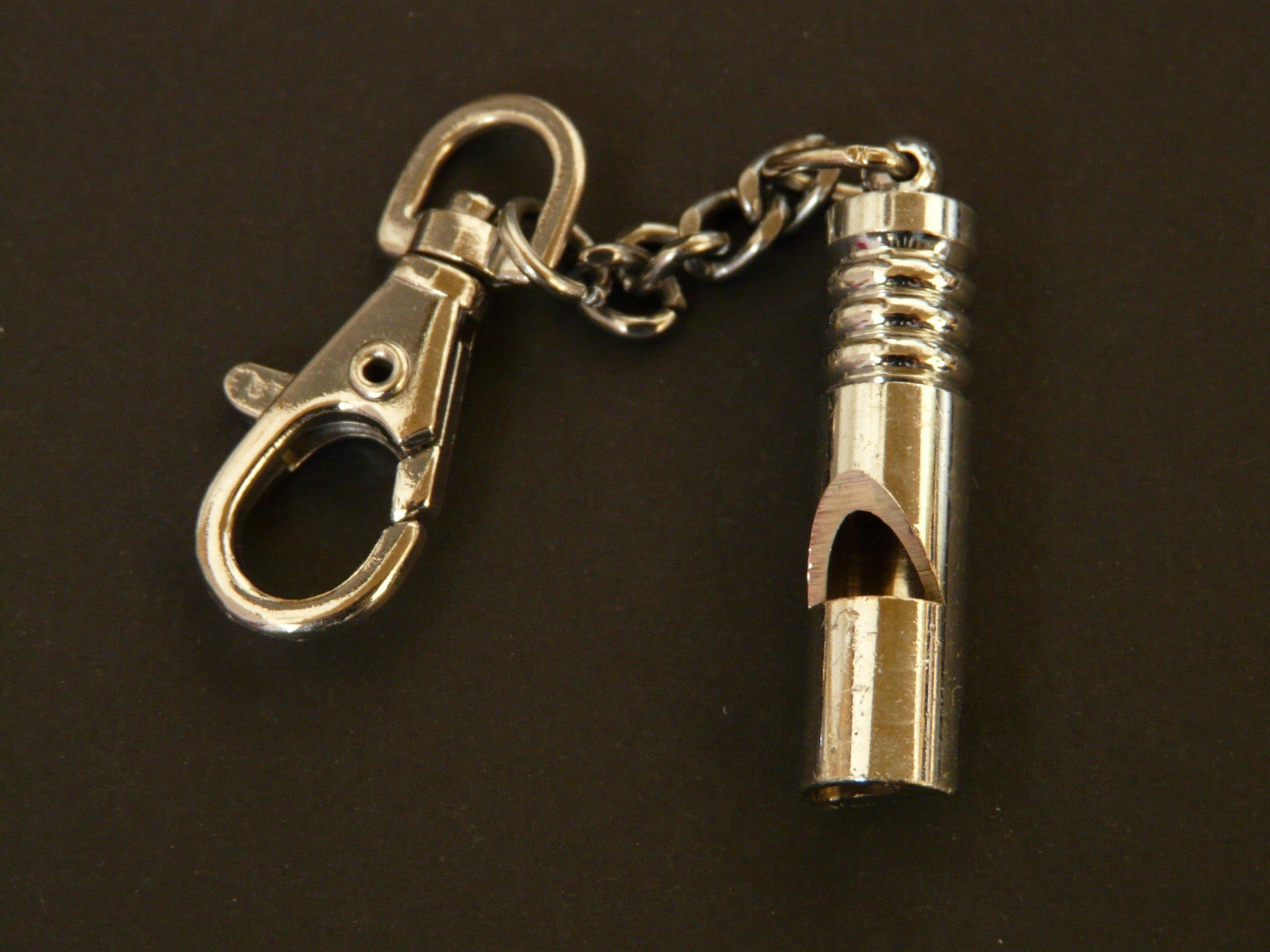
A watch can help with timing and estimating progress. A whistle, phone and suitable outdoor clothing are also sensible safety equipment.
For training, use a map covering an area that the Scouts can safely explore and that contains identifiable features such as paths, streams, buildings, woodland and contours.
Prerequisites
Scouts should understand basic outdoor behaviour, including staying with their group and telling a leader if they are unsure where they are.
Basic map-reading and compass skills are useful, but this activity can also be used to introduce the idea that navigation is a continuous process rather than a single skill.
Instructions
1. Plan the Route Before Leaving
Start navigation before you take the first step.
Study the route and understand where you are going. Identify the starting point, destination, major junctions, significant landmarks and any sections where navigation may become more difficult.
Look at the terrain as well as the route line.
A map can show that a path exists, but contours can tell you whether you should expect to climb or descend. Rivers, woodland, buildings and other features can provide additional confirmation.
The better you understand the route beforehand, the easier it becomes to recognise when something doesn’t look right.
2. Know Your Starting Point
Before moving, establish exactly where you are.
Don’t simply assume that you are at the location shown on the map.
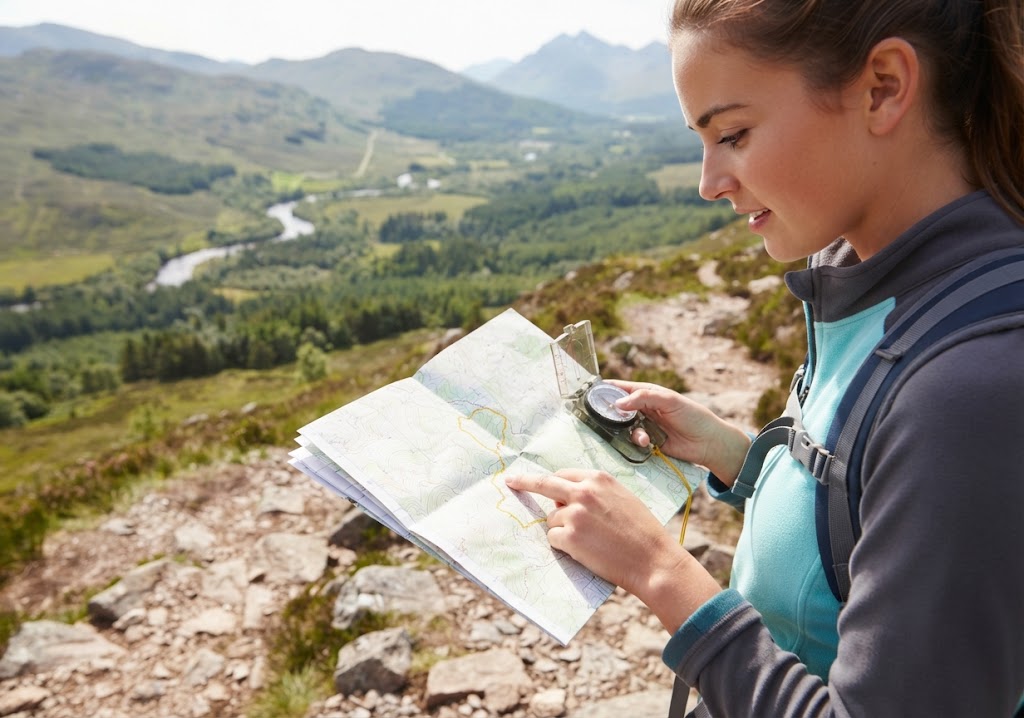
Identify features around you and match them to the map. If appropriate, use a compass to establish direction.
Your starting point becomes the reference from which your subsequent navigation decisions are made.
3. Know Your Destination and Direction
You should have a clear idea of where you are trying to go.
Rather than thinking only in terms of “follow this path”, understand the general direction and the important features you expect to encounter.
This provides another way of detecting mistakes.
If you expect to travel generally east and suddenly find yourself travelling south for a considerable distance, that should prompt you to check the map.
4. Break the Route Into Sections
Long routes are easier to navigate when divided into smaller sections.
Instead of thinking about an entire day’s journey, identify the next significant point.
For example, your route might involve:
Start → woodland edge → footbridge → junction → hill → destination
At each stage, confirm that you have reached the feature you expected.
This makes navigation manageable and gives you frequent opportunities to detect errors.
5. Use Features as Checkpoints
Look for features that can confirm your position.
These might include a road junction, bridge, stream crossing, building, distinctive hill, woodland boundary or change in terrain.
When you reach one, compare what you can see with the map.
If the map says you should be crossing a stream but there is no stream where expected, don’t simply assume the map or your observation is wrong.
Stop and investigate the discrepancy.
6. Learn to Read the Landscape
Don’t spend the entire journey looking down at the map.
Look around you.
Notice the shape of the land, direction of slopes, buildings, vegetation, paths, waterways and other prominent features.
Then compare what you see with the map.
Good navigation involves moving between map and landscape, continually checking that the two agree.
7. Check Your Position Regularly
Do not wait until you feel lost.
Make regular navigation checks, particularly after turning, crossing a junction or travelling through an area where there are few obvious landmarks.
The frequency will depend on the terrain.
In a complicated area with many paths, you may need to check frequently. On a straightforward route with obvious features, checks may be less frequent.
The important principle is to check before uncertainty becomes confusion.
8. Pay Attention at Junctions
Junctions are common places to make navigation mistakes.
Before reaching one, know which route you intend to take.
At the junction, stop if necessary and confirm that the path, road or track you are choosing matches your plan.
Don’t automatically follow the person in front.
If you are navigating as part of a group, everyone should understand the route sufficiently to notice if something appears wrong.
9. Avoid Following the Wrong Assumption
One of the easiest ways to become lost is to make an incorrect assumption and then continue building decisions on top of it.
For example, you might see a path and assume it is the one marked on your map.
Once you have made that assumption, every subsequent feature may be interpreted to support it.
Instead, occasionally ask:
What evidence tells me that I am where I think I am?
If the evidence isn’t convincing, stop and check.
10. Know Your Pace and Timing
Time can provide useful navigation information.
If you know roughly how long a section should take, an unexpected delay or rapid arrival can provide a reason to check your position.
Timing is not precise enough to determine your location by itself. Terrain, weather, stops, fitness and other factors affect walking speed.
However, it can act as another piece of information.
If a section that normally takes a reasonable amount of time seems to be taking much longer than expected, don’t ignore it.
11. Stay Together
Groups should have clear expectations about staying together.
The person at the front should not move so quickly that others become separated, and people at the back should not be left behind without the group noticing.
At junctions or other important points, make sure the group is together and knows which direction to take.
A group that maintains good communication is much less likely to turn one person’s navigation mistake into a missing-person incident.
12. Stop When You Become Uncertain
This is one of the most important rules.
If you reach a point where you cannot confidently explain where you are on the map, stop.
Do not continue simply because you think the route will eventually become obvious.
Use the STOP principle:
Stop. Think. Observe. Plan.
Return to the last point where you were certain of your location if that can be done safely and confidently. Recheck your map, compass and surroundings.
The sooner you recognise uncertainty, the easier it is to correct.
13. Don’t Rely on Technology Alone
A phone or GPS device can be extremely useful, but it should not be your only navigation method.
Batteries can run out, devices can become damaged, signals can be unreliable and digital information can be misunderstood.
Knowing how to use a map and compass gives you a valuable independent backup.
Technology should support your navigation rather than replace your understanding of where you are.
14. Know What to Do If You Actually Become Lost
Despite careful preparation, mistakes can still happen.
If you realise that you are genuinely lost, don’t panic and don’t start wandering randomly.
Stop somewhere safe and assess the situation.
Think about your last confirmed location, the route you have travelled and the information you still have available.
Stay with your group where possible and follow your established emergency procedure. If you cannot safely re-establish your location, seek appropriate help rather than making the situation worse by continuing without a reliable plan.
15. Practise Navigation Without Getting Lost
The best way to develop these habits is through controlled practice.
Choose a familiar outdoor area and give Scouts a short route with several identifiable checkpoints.
Ask them to predict what they should see before reaching each point.
At every checkpoint, have them compare the map with the landscape and explain why they believe they are in the correct location.
This develops the habit of confirming position before uncertainty develops.
Final Tip
Don’t wait until you’re lost to start navigating.
Good navigation means continually asking:
Where am I? Where am I going? What should I see next? Does what I see match the map?
If the answer stops making sense, stop early. Correcting a small navigation mistake is far easier than trying to recover from a large one.
🔒Ready to test your survival skills?
Join Survival Guides UK for free, complete challenges, earn badges and increase your Survival Level.
JOIN FREE →
CRAIG BURR
FOUNDER · SURVIVAL GUIDES UK
I'm Craig, the person behind Survival Guides UK. I created SGUK because I wanted somewhere people could learn real outdoor skills in a practical, straightforward way — from lighting a fire and tying knots to navigation, campcraft and everything in between.
You can read more about the story behind SGUK here as well as our approach here.