Campsite Emergency Procedures UK: What to Do When Something Goes Wrong
Activity Overview
Difficulty: Moderate
Time: 30–60 minutes to learn and practise
Location: Campsites, activity centres and outdoor camps
Best for: Cubs, Scouts, Explorers, Patrol Leaders, adult volunteers, campers and outdoor enthusiasts
Skills: Emergency response, communication, first aid awareness, evacuation, hazard management and decision-making
Campsite emergency procedures are the agreed actions taken when something happens that could threaten people, equipment or the campsite.
The exact response depends on the emergency, but the basic approach is:
Raise the alarm, protect people from immediate danger, call for appropriate help, account for everyone, follow the campsite or group’s emergency plan and communicate clearly.
Before camping, make sure everyone knows where the emergency meeting point is, how to raise the alarm and how to contact the emergency services.
What You’ll Learn
You’ll learn how to prepare for emergencies before arriving at camp and what to do when an incident occurs.
You’ll cover fires, serious injuries, severe weather, missing people, flooding and other common campsite emergencies.
You’ll also learn why having a clear emergency plan is more effective than trying to make decisions from scratch during a crisis.
🔴 SAFETY – HIGH RISK
Emergency situations can involve fire, serious injury, severe weather, flooding, water hazards and other potentially life-threatening situations.
The information here is general guidance. Always follow the campsite’s own emergency arrangements and the instructions of emergency services.
In the UK, call 999 or 112 when you need an emergency response from the police, fire and rescue service, ambulance service or other appropriate emergency service.
Do not put yourself at risk attempting a rescue.
If someone is in immediate danger, prioritise getting people to a place of safety and summon professional help.
Equipment
A campsite should have access to appropriate emergency equipment for the activity and location.
This may include a first-aid kit, charged mobile phone, emergency contact information, torches, suitable lighting and a whistle or other method of raising an alarm.
For organised camps, keep important information such as participant details, medical information held appropriately, emergency contacts, campsite details and access information available to the responsible adults.
The equipment required will depend on the type and remoteness of the camp.
Prerequisites
Before camping, identify the campsite’s emergency arrangements.
Find out where the site office, emergency exits, fire points, first-aid facilities and emergency meeting points are located.
Make sure responsible people know the site’s address and how emergency vehicles can access it.
For remote camps, identify the most appropriate route to emergency assistance and consider what communication methods will work if mobile phone coverage is poor.
Instructions
1. Make an Emergency Plan Before Camp
Don’t wait for an emergency to decide what everyone should do.
Before the camp begins, establish who is responsible for raising the alarm, contacting emergency services, accounting for people and coordinating the response.
For larger groups, make sure responsibilities are clearly understood.
2. Identify the Emergency Meeting Point
Choose or confirm a safe assembly point.
Everyone should know where to go if tents or another area of the campsite need to be evacuated.
The meeting point should be away from the immediate hazard and accessible to the group.
Don’t choose somewhere that could itself become dangerous during a fire, flood or severe weather event.
3. Make Sure Everyone Knows How to Raise the Alarm
People need to know how an emergency will be communicated.
This might involve a verbal warning, whistle, bell or another agreed signal.
For larger camps, have a clear system so that an alarm isn’t mistaken for an ordinary camp activity.
4. Know the Campsite’s Location
Make sure the exact campsite location and address are readily available.
If calling emergency services, you may need to provide the site name, address, postcode, access arrangements and information about where the incident is happening within the site.
In remote locations, useful additional information can include a grid reference or other reliable location information.
5. Calling Emergency Services
When calling 999 or 112, remain calm and provide the information requested.
Explain:
What has happened.
Where it has happened.
How many people are involved.
What injuries or dangers are present.
What actions have already been taken.
Follow the operator’s instructions and don’t end the call until told that it is appropriate to do so.
6. Deal With Immediate Danger
If there is an immediate threat, move yourself and others away from it where possible.
Don’t enter a burning tent, unstable structure, flooded area or other dangerous location simply to retrieve equipment.
People are more important than tents, cooking equipment and personal possessions.
7. Campsite Fire
If a fire occurs, raise the alarm immediately.
Move people away from the fire and towards the designated assembly point.
Call the fire and rescue service if required.
Only attempt to tackle a fire if it is small, you have the appropriate equipment and doing so does not put you at risk.
Never allow people to remain in a tent or other shelter while attempting to deal with a significant fire.
8. If a Tent Catches Fire
A tent can become dangerous extremely quickly.
Raise the alarm and get everyone away from the tent.
Do not enter the tent to retrieve belongings.
Once people are safely away, keep others at a safe distance and wait for the fire and rescue service where necessary.
9. Serious Injury
For a serious injury, make the area safe and obtain appropriate medical assistance.
Give first aid within your level of training while waiting for professional help.
Don’t move an injured person unnecessarily if you suspect a serious spinal or other major injury, unless leaving them where they are presents a greater immediate danger.
Keep monitoring them and follow instructions from emergency services.
10. Minor Injury
Deal with minor injuries using the available first-aid arrangements.
Record the incident where appropriate and monitor the person for any worsening symptoms.
An apparently minor injury may require further attention if the person’s condition changes.
11. Missing Person
If someone is discovered to be missing, raise the issue immediately rather than assuming they will return shortly.
Establish when and where they were last seen.
Check the obvious safe locations while maintaining appropriate supervision of the rest of the group.
For a child or vulnerable person, follow the group’s safeguarding and missing-person procedures.
Contact the emergency services when appropriate, particularly if there is reason to believe the person may be in danger.
Don’t send an uncoordinated group searching into potentially hazardous terrain.
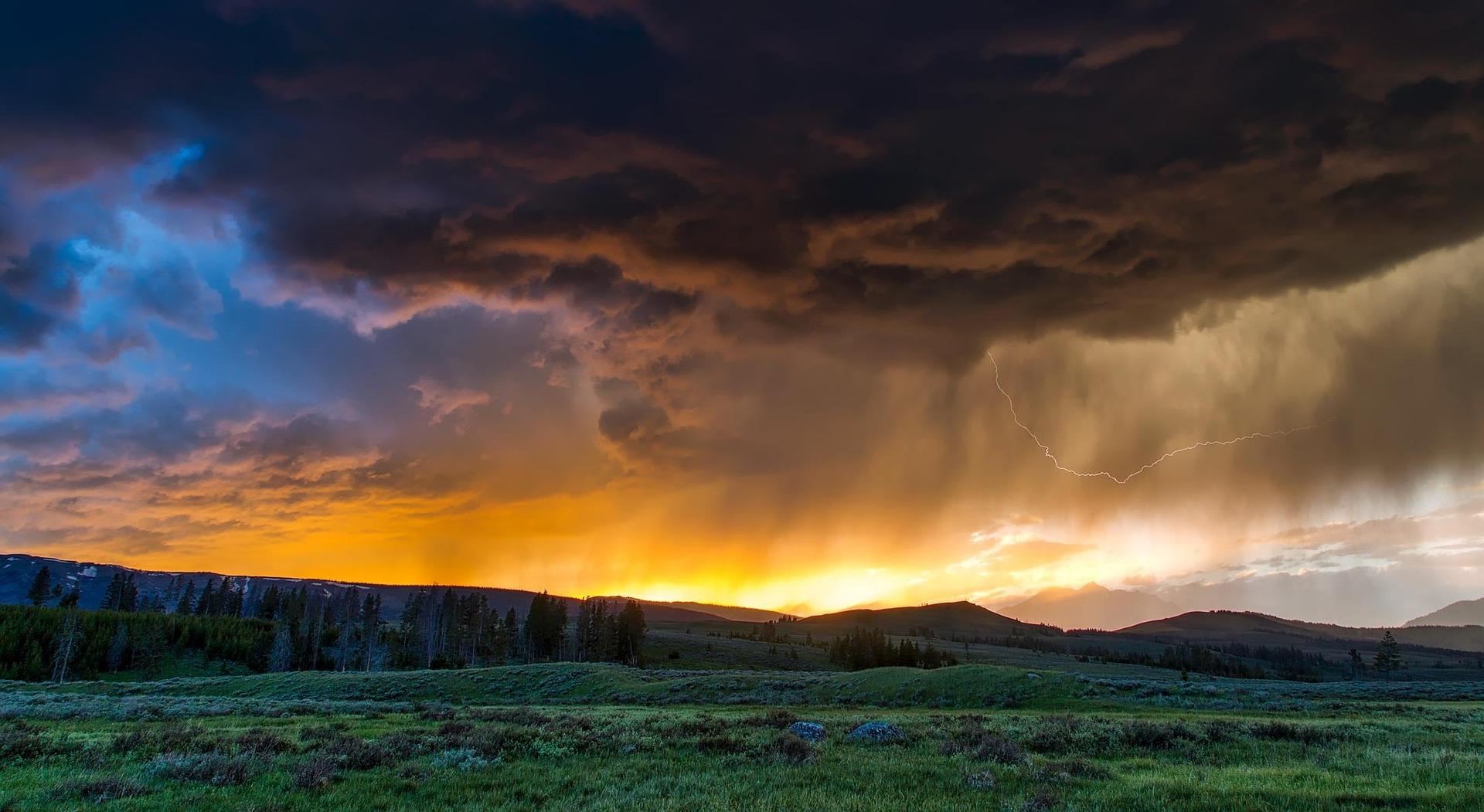
12. Severe Weather
Severe weather can include high winds, thunderstorms, heavy rain, flooding, extreme cold and other hazardous conditions.
Monitor weather information and act before conditions become dangerous.
Depending on the hazard, this may mean moving to a substantial building, changing activities, evacuating an exposed area or postponing the camp.
Don’t wait until tents are failing before deciding what to do.
13. High Winds
Strong winds can turn loose equipment into hazards and can damage tents or shelters.
Secure equipment and move people away from trees, unstable structures and other hazards.
If the tent or campsite becomes unsafe, move to the designated alternative shelter or evacuation point.
Don’t remain in a dangerous tent simply because it was expensive or difficult to pitch.
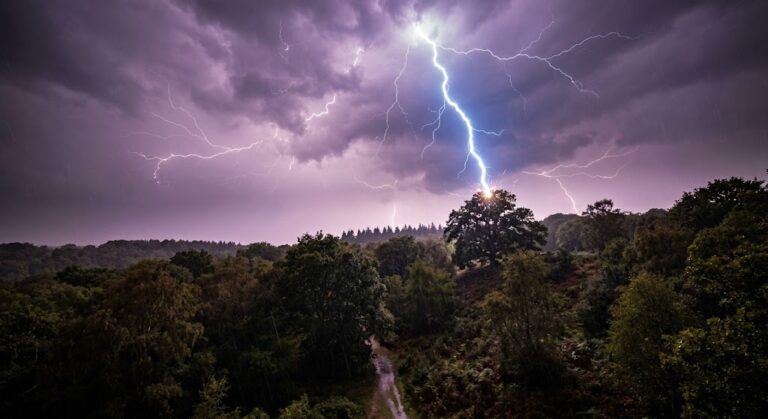
14. Thunderstorms
During thunderstorms, follow appropriate weather-safety guidance.
Move away from exposed locations and avoid unnecessary proximity to isolated tall objects or other potential lightning hazards.
For an organised camp, follow the established severe-weather plan and instructions from the responsible adults or site management.
15. Flooding
Never camp in an area that is becoming flooded.
If water levels are rising, move to higher ground or another safe location before access routes become impassable.
Never attempt to walk or drive through moving floodwater.
Water can be deeper, faster and more dangerous than it appears.
16. Loss of Communication
Mobile phone coverage cannot be assumed everywhere.
For remote camps, identify alternative communication arrangements before leaving.
Tell someone responsible where you’re going, your expected route and when you expect to return.
If you lose communication during an emergency, use the safest available method of raising the alarm rather than taking unnecessary risks to find a signal.
17. Evacuation
If the campsite needs to be evacuated, take people to the designated safe location.
Don’t delay evacuation to collect personal belongings.
For group camps, account for everyone using the group’s attendance or accommodation information.
Report anyone missing immediately to the person coordinating the emergency response or emergency services.
18. Account for Everyone
After an evacuation or major incident, establish who is present.
Use a register, group list or other appropriate method.
Avoid relying solely on memory, particularly with large groups.
If someone is unaccounted for, report it immediately.
19. Keep Access Routes Clear
Emergency vehicles need to reach the incident.
Don’t allow vehicles, tents, equipment or groups of people to block access routes.
If emergency services are attending, follow their instructions about access and movement around the campsite.
20. After the Emergency
Once the immediate danger has passed, don’t simply return to normal activities.
Check that people are safe and that the campsite remains suitable for occupation.
Report and record the incident as required.
For organised activities, review what happened and identify whether the emergency plan, equipment or procedures need to be changed.
Common Campsite Emergencies
|
Emergency |
Immediate Priority |
|---|---|
|
Fire |
Raise alarm, evacuate and call the fire service |
|
Serious injury |
Make safe, provide appropriate first aid and call for help |
|
Missing person |
Raise concern, establish last known location and follow missing-person procedures |
|
Severe weather |
Move away from hazards and follow the weather plan |
|
Flooding |
Move to higher, safe ground |
|
Dangerous campsite condition |
Keep people away and notify site management or emergency services |
|
Lost communication |
Use alternative communication arrangements |
|
Gas or fuel incident |
Move away from the hazard and seek professional assistance |
Emergency Procedure Briefing
Before a camp begins, give everyone a simple emergency briefing.
Explain the alarm signal, assembly point and what people should do if they hear the alarm.
You don’t need to overwhelm people with every possible scenario.
The important thing is that everyone understands how to raise an alarm, where to go and who is responsible for coordinating the response.
Practising Emergency Procedures
Emergency procedures are much easier to follow when people have practised them.
A simple exercise can involve sounding the agreed alarm and having everyone move calmly to the assembly point.
For larger or more experienced groups, scenarios can be used to practise communication and accountability.
Exercises should be controlled and must not create unnecessary fear or real hazards.
Final Tip
A good campsite emergency procedure is simple enough to remember when people are stressed.
Know where you are, know how to summon help, know where everyone should assemble and know how you’ll account for the group.
Most importantly, don’t create another casualty while trying to deal with the first one. If an emergency is beyond your training or equipment, get professional help and keep people away from the danger.
🔒Ready to test your survival skills?
Join Survival Guides UK for free, complete challenges, earn badges and increase your Survival Level.
JOIN FREE →
CRAIG BURR
FOUNDER · SURVIVAL GUIDES UK
I'm Craig, the person behind Survival Guides UK. I created SGUK because I wanted somewhere people could learn real outdoor skills in a practical, straightforward way — from lighting a fire and tying knots to navigation, campcraft and everything in between.
You can read more about the story behind SGUK here as well as our approach here.