Scout Contingency Planning UK: How to Prepare a Plan B
Activity Overview
Difficulty: Easy
Time: 20–40 minutes
Location: Scout hut, campsite, outdoors or before an activity
Best for: Cubs, Scouts, Explorers, Patrol Leaders and adult volunteers
Skills: Planning, adaptability, decision-making, problem-solving, teamwork and leadership
Contingency planning means deciding what you will do if your original plan can’t happen as expected.
A contingency plan isn’t the same as an emergency plan. An emergency plan deals with serious situations such as injury, fire or someone becoming lost. Contingency planning is more about handling unexpected changes before they become emergencies.
For example, if you’ve planned a hike and heavy rain makes the route unsuitable, your contingency plan might be a shorter alternative route or an indoor activity.
The basic principle is:
Plan A → What could disrupt it? → Plan B → What would make us switch?
Good contingency planning makes activities more flexible and helps leaders make decisions before a small problem becomes a major one.
What You’ll Learn
You’ll learn how to identify the things most likely to disrupt an activity and prepare realistic alternatives.
You’ll also learn how to decide when to abandon the original plan, how to communicate changes to the group and how contingency planning can make camps, hikes and other outdoor activities run more smoothly.
🟢 SAFETY – LOW RISK
Contingency planning is a low-risk activity, but a poor Plan B can create unnecessary risks if it hasn’t been properly considered.
An alternative activity or route should be assessed for its own hazards rather than being treated as automatically safe.
Never continue with the original plan simply because it was the plan you started with. If conditions make it unsuitable, change the plan.
For serious emergencies, follow the appropriate emergency procedures rather than relying on a normal contingency plan.
Equipment
The equipment required depends on the activity.
Useful planning resources include a map, weather forecast, activity timetable, contact details and information about alternative locations.
For outdoor activities, carrying a little additional equipment can make a contingency plan much easier to put into practice. Waterproof clothing, spare food, extra lighting or navigation equipment may become particularly useful if the activity takes longer than expected.
Prerequisites
Before creating a contingency plan, understand the original activity.
Know where you’re going, what you’re doing, how long it should take and what could prevent it from working.
Think about the conditions that are most likely to cause a change rather than attempting to prepare for every conceivable possibility.
Instructions
1. Start With Plan A
Write down the original plan clearly.
For example:
“Walk from the campsite to the viewpoint, have lunch there and return by 3pm.”
Once the original plan is clear, it’s much easier to work out what could interfere with it.
2. Identify What Could Disrupt the Plan
Think about realistic problems.
Weather is an obvious one for outdoor activities, but there are plenty of others.
A route might become inaccessible, transport could be delayed, equipment could fail, an activity centre could become unavailable or the group could take much longer than expected.
You don’t need a huge list. Concentrate on things that are reasonably likely or would have a significant effect on the activity.
3. Decide Which Problems Need a Plan B
Not every minor problem requires a contingency plan.
If you’re five minutes late, you might simply adjust the timetable.
If a planned outdoor activity depends on dry weather and heavy rain is forecast, you need a more substantial alternative.
Think about which problems could prevent the original activity from being completed safely or sensibly.
4. Create a Realistic Alternative
Your Plan B should actually be achievable.
If Plan A is a six-hour hike, don’t make Plan B another six-hour hike along a route you haven’t checked.
A good alternative might be a shorter route, a different location or an activity that can be run indoors.
The simpler the alternative, the more useful it is when you’re already dealing with an unexpected problem.
5. Decide What Triggers the Change
This is an important part of contingency planning.
Don’t wait until everyone is arguing about whether the activity should continue.
Decide beforehand what would make you change the plan.
For example:
“If the weather warning becomes severe, we’ll cancel the exposed section and use the indoor programme.”
The exact trigger will depend on the activity and circumstances.
6. Check the Alternative Is Safe
Plan B needs its own safety considerations.
A wet-weather alternative might introduce different hazards from the original activity.
If you’re moving indoors, consider capacity, access and the suitability of the space.
If you’re changing the route, check the new terrain and navigation requirements.
Never assume that an alternative is safe simply because it is different.
7. Consider Time and Resources
Make sure the alternative can be completed with the time and equipment available.
If the original activity finishes at 3pm, a Plan B that takes until 6pm may create new problems.
Likewise, don’t rely on equipment that isn’t available.
A useful contingency plan works with what you realistically have.
8. Have a Backup for Important Equipment
Some activities depend heavily on particular equipment.
Navigation equipment, cooking equipment, tents, lighting or transport can all affect an activity.
Where practical, consider what happens if something important fails.
You may not need a complete replacement for everything, but knowing which equipment is essential and what you would do without it can prevent unnecessary disruption.
9. Think About Delays
Not every contingency involves cancelling something.
A group might simply be running late.
Think about what happens if an activity takes longer than expected.
You may need to shorten the final section, change the return route or remove a less important part of the programme.
Build some flexibility into the timetable rather than planning every minute with no margin.
10. Prepare for Changing Weather
Weather is one of the most common reasons outdoor plans need to change.
Check conditions before the activity and consider how they might affect the route or activity.
A useful Plan B might involve moving indoors, shortening the activity or choosing more sheltered terrain.
The important thing is to make the decision early enough that the group isn’t already committed to an unsuitable activity.
11. Communicate the Change Clearly
Once a decision has been made, tell everyone what is changing and why.
You don’t need to give a long explanation.
For example:
“We’re changing the route because the exposed section isn’t suitable in these conditions. We’re taking the lower route instead and will still finish at the original meeting point.”
Make sure Patrol Leaders and other people with responsibilities understand the change too.
12. Don’t Be Afraid to Abandon Plan B
A contingency plan is not a promise that the activity must continue.
If Plan A becomes unsuitable and Plan B also becomes unsuitable, stop and reassess.
Sometimes the correct decision is simply to cancel the activity.
Good planning includes knowing when not to continue.
Contingency Planning for a Hike
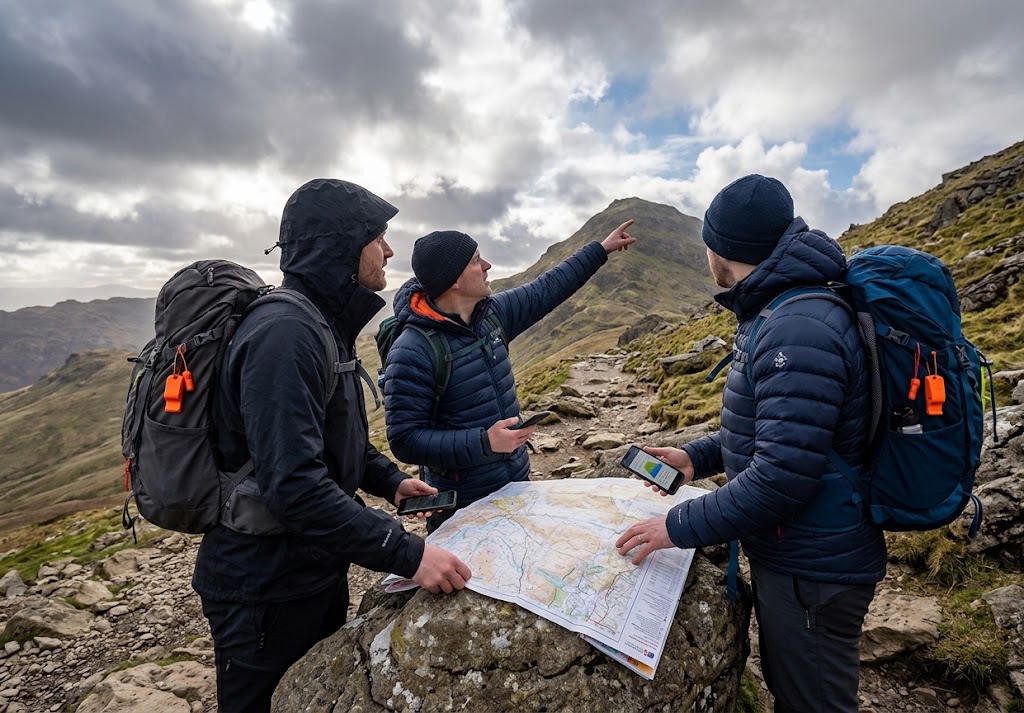
For a hike, think about alternative routes, poor weather, delays, inaccessible paths, tired participants and navigation problems.
An alternative route should be understood before setting out rather than being invented when the group reaches an unexpected obstacle.
If the weather or terrain makes the planned route unsuitable, switch early rather than waiting until conditions become difficult.
Contingency Planning for a Camp
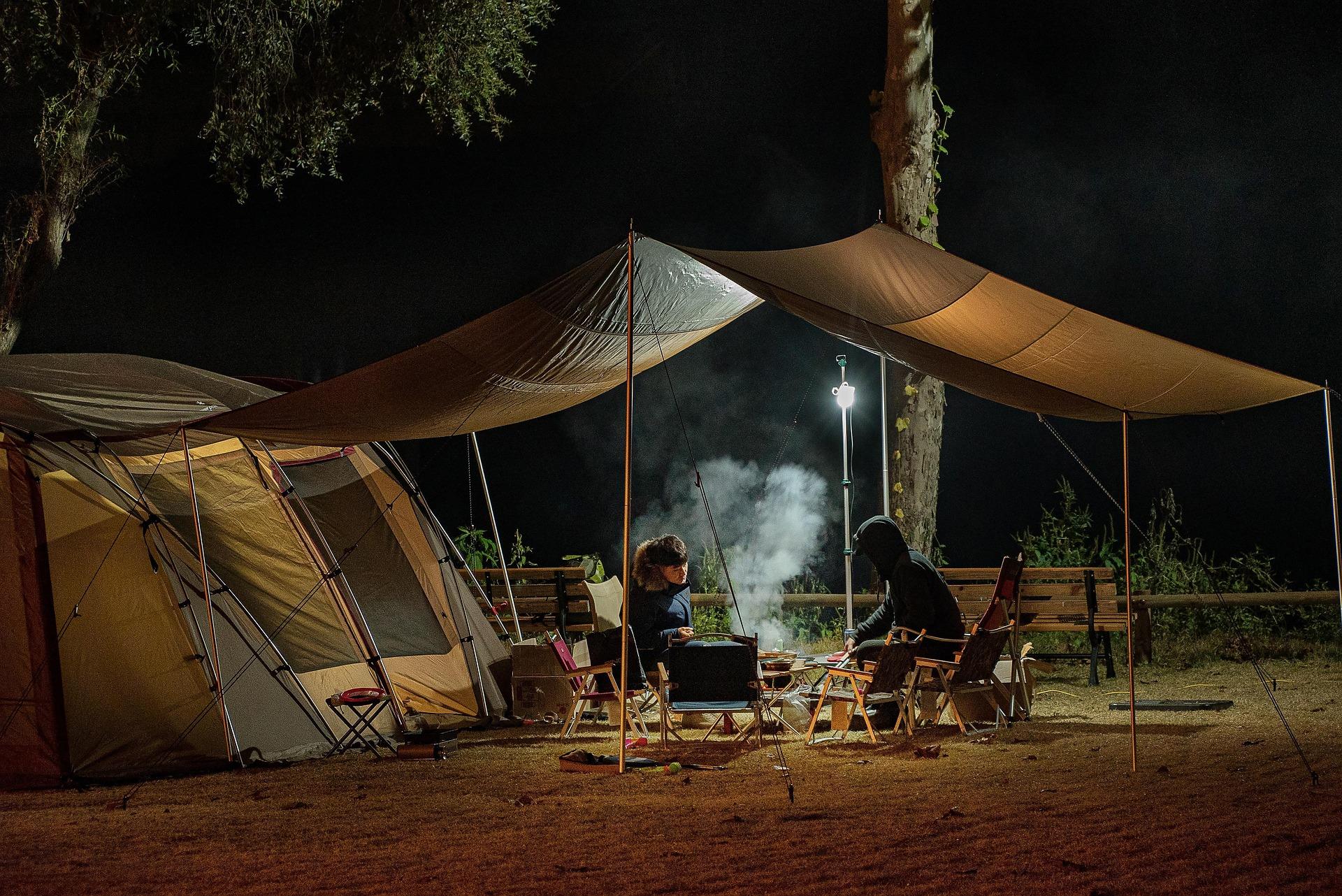
Camps often benefit from having alternatives for wet weather and changes to the programme.
Have somewhere suitable for activities if the original outdoor plan can’t go ahead.
Consider what happens if equipment is damaged, an activity is cancelled or the weather affects sleeping arrangements.
The best camp contingency plans are simple enough that leaders can put them into action without creating confusion.
Contingency Planning for a Patrol
Patrols can learn to think about Plan B themselves.
When planning an activity, ask:
“What could stop this working?”
Then ask:
“What could we do instead?”
This develops useful decision-making skills and encourages Scouts to think beyond the original plan.
The Patrol Leader can help the team make decisions, while adults should provide appropriate oversight for activities and situations beyond the Scouts’ responsibility.
Contingency Planning vs Emergency Planning
These terms are closely related but aren’t quite the same.
Contingency planning prepares for unexpected changes such as bad weather, delays, equipment failure or an unavailable location.
Emergency planning prepares for serious situations requiring an urgent response, such as a major injury, fire or someone becoming lost.
A good outdoor activity can require both.
Final Tip
A contingency plan doesn’t have to be complicated.
For every important part of an activity, ask:
What could stop this working?
What would we do instead?
When would we make that decision?
Having those answers before you start means that when conditions change, you can adapt calmly rather than trying to invent a solution under pressure.
Plan A is what you hope will happen. Plan B is what makes you ready when it doesn’t.
🔒Ready to test your survival skills?
Join Survival Guides UK for free, complete challenges, earn badges and increase your Survival Level.
JOIN FREE →
CRAIG BURR
FOUNDER · SURVIVAL GUIDES UK
I'm Craig, the person behind Survival Guides UK. I created SGUK because I wanted somewhere people could learn real outdoor skills in a practical, straightforward way — from lighting a fire and tying knots to navigation, campcraft and everything in between.
You can read more about the story behind SGUK here as well as our approach here.