Scout Emergency Planning UK: How to Prepare for Emergencies
Activity Overview
Difficulty: Intermediate
Time: 30–60 minutes to prepare; review regularly
Location: Scout hut, campsite, outdoor activity area or before an expedition
Best for: Cubs, Scouts, Explorers, Patrol Leaders and adult volunteers
Skills: Planning, communication, navigation, leadership, decision-making and emergency response
Emergency planning means deciding what you will do if something goes wrong before the activity starts.
A useful emergency plan should cover the most realistic problems for the activity, how you will raise the alarm, who will take charge, where help can be obtained and how the rest of the group will be kept safe.
The plan doesn’t need to predict every possible emergency. It needs to provide a clear response to situations such as serious injury, someone becoming separated, severe weather, fire, getting lost or an unsafe change in conditions.
The most important principle is simple: don’t wait until an emergency happens to decide what to do.
What You’ll Learn
You will learn how to prepare an emergency plan for a Scout activity and what information should be available to the people responsible for the group.
You’ll also learn how to plan for communication problems, identify suitable meeting points and make sure Scouts understand what they should do if something unexpected happens.
🔴 SAFETY – HIGH RISK
Emergency planning itself is a planning activity, but it concerns situations that may involve serious injury, illness, fire, severe weather or other significant hazards.
The level of planning required should match the activity. A short indoor meeting does not require the same emergency arrangements as a remote expedition.
Adults responsible for an activity should ensure that emergency arrangements are appropriate and that relevant procedures, contacts and reporting requirements are understood before the activity begins.
If an emergency occurs, call 999 or 112 when emergency services are required and follow the instructions given by the emergency operator.
Equipment
The exact equipment depends on the activity and location.
Useful items include a charged mobile phone, first-aid equipment, map and compass, emergency contact information, torches and any activity-specific emergency equipment.
For remote activities, make sure relevant people know the planned route, expected timings and arrangements for raising the alarm.
Emergency information should be accessible rather than buried at the bottom of a rucksack.
Prerequisites
Before creating an emergency plan, understand the activity and location.
Know where you are going, who is taking part, how long the activity is expected to last and what hazards are likely to be encountered.
For outdoor activities, obtain appropriate route and location information and consider how emergency services could reach the group.
The people responsible for the activity should also understand their own responsibilities and the group’s established emergency procedures.
Instructions
1. Start With the Activity
Write down what you are actually planning to do.
A day hike, campsite weekend and remote expedition will all create different emergency scenarios.
Think about the route, terrain, transport, weather, equipment and activities involved. This gives you the starting point for deciding what could realistically go wrong.
2. Identify the Most Likely Emergencies
Don’t try to produce a huge list.
Think about the serious problems that are reasonably foreseeable.
For a hike, this might include a serious injury, a lost person, severe weather or a problem with the route.
At camp, you may also need to consider fire, illness, evacuation or problems with the campsite.
The emergency plan should concentrate on situations where having a clear response could make a significant difference.
3. Decide Who Takes Charge
During an emergency, people need to know who is coordinating the response.
The person leading the activity will normally have a central role, but other responsibilities can be allocated in advance.
For example, someone may be responsible for supervising the rest of the group while another person contacts emergency services.
Young people can have useful responsibilities appropriate to their age and ability, but they should not be expected to take on responsibilities beyond their training or experience.
4. Plan How to Raise the Alarm
Make sure you know how help will be summoned.
In the UK, 999 and 112 can be used to contact emergency services.
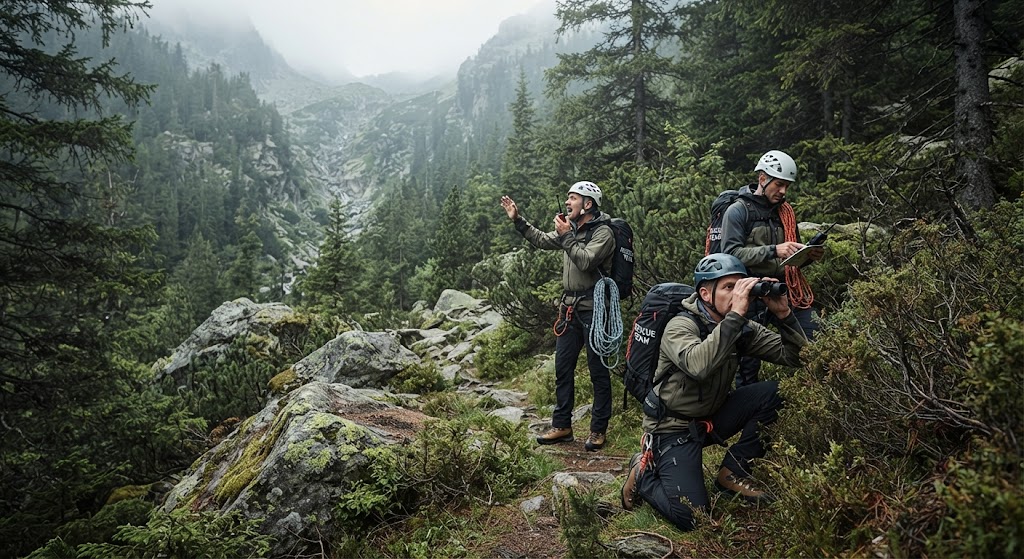
If you’re in an area with poor mobile coverage, think about the alternatives available for the particular activity and location.
Everyone responsible for the activity should know where the phones and other communication equipment are and how to use them.
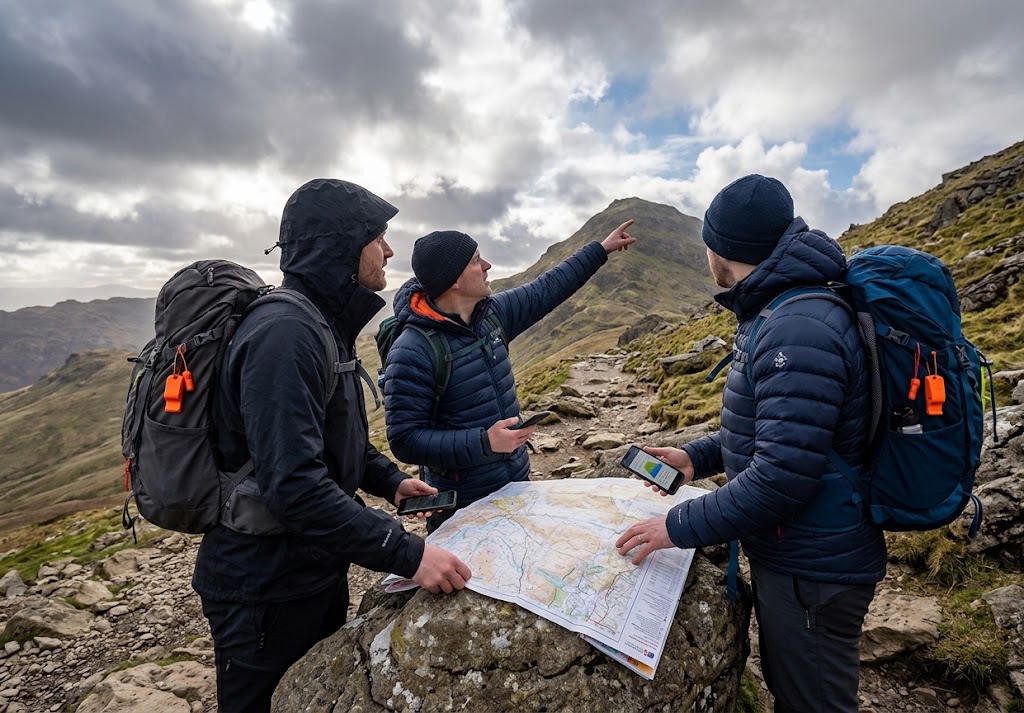
5. Know Your Location
Being able to tell emergency services exactly where you are can be critical.
Before an outdoor activity, make sure the group knows its route and has suitable navigation information.
Depending on the location, useful information may include a postcode, road name, grid reference, landmark, access point or named campsite.
Don’t rely entirely on a phone’s signal or battery. A map and compass remain valuable when travelling outdoors.
6. Establish an Emergency Meeting Point
For camps and larger sites, identify a suitable assembly or meeting point.
It should be somewhere the group can reach safely and where people can be accounted for.
Make sure everyone knows where it is and when they should go there.
For some activities, you may also need an alternative meeting point in case the original location becomes unsafe.
7. Plan for a Lost or Separated Person
Decide in advance what happens if someone becomes separated from the group.
The response will depend on the activity, location, age of the person and circumstances.
Don’t rely on everyone simply knowing what to do.
The group should understand the basic procedure relevant to the activity, including who they should tell and where they should remain if they become separated.
8. Plan for Severe Weather
Check weather conditions before setting out and consider what would cause you to change or stop the activity.
For example, heavy rain, high winds, thunderstorms, flooding or extreme temperatures may require a change of route or activity.
Have somewhere appropriate to shelter where possible and know what your alternative plan is.
A good emergency plan includes the possibility of not starting an activity at all if conditions are unsuitable.
9. Plan for Fire and Evacuation
For camps and buildings, establish how the group will respond to fire.
Everyone should know where they should go if an evacuation is required.
At a campsite, identify the appropriate assembly area and make sure the group can be accounted for.
Never put yourself or a Scout at unnecessary risk by attempting to fight a fire that is beyond your ability to control. Raise the alarm, evacuate and contact the emergency services as appropriate.
10. Make Sure First Aid Is Covered
The emergency plan should include how first aid will be provided.
Make sure suitable first-aid equipment is available and that someone with appropriate first-aid training is present for the activity where required.
Think about how an injured person could be reached and how they could be moved or evacuated if necessary.
For remote activities, consider how difficult it would be for emergency services to reach the location.
11. Keep Emergency Contacts Accessible
Important contact information should be available to the people who need it.
Depending on the activity, this may include emergency contacts, venue or campsite details and relevant organisational contacts.
Don’t rely on one person’s phone containing all the information.
For longer activities, make sure important information is available in a form that remains usable if a phone is lost, damaged or has no battery.
12. Brief the Group
Scouts don’t need to hear a long list of frightening scenarios.
Give them the information they need to respond appropriately.
Explain things such as where to assemble, who to listen to and what to do if they become separated from their group.
For younger Scouts, keep the instructions simple and reinforce them through questions or practical demonstrations where appropriate.
13. Check the Plan Before Starting
Before the activity begins, run through the emergency plan.
Ask yourself:
Do we know where we are?
Can we contact help?
Do we have the necessary equipment?
Does everyone know who is responsible?
What happens if the activity has to stop?
If the answer to an important question is “no”, fix the problem before setting off.
14. Review the Plan During the Activity
An emergency plan shouldn’t be treated as something that is completed once and forgotten.
Conditions can change.
If the weather deteriorates, the route changes, equipment fails or someone becomes unwell, reassess the situation.
The safest response may be to modify or abandon the original plan before an emergency actually develops.
Emergency Planning for a Hike
Before a hike, make sure the responsible adults know the planned route, expected timings and arrangements for dealing with delays or emergencies.
Carry appropriate navigation and communication equipment and know where the group can safely leave the route if necessary.
For remote or challenging walks, emergency planning should be considerably more detailed than for a short walk close to the Scout hut.
Emergency Planning for a Camp
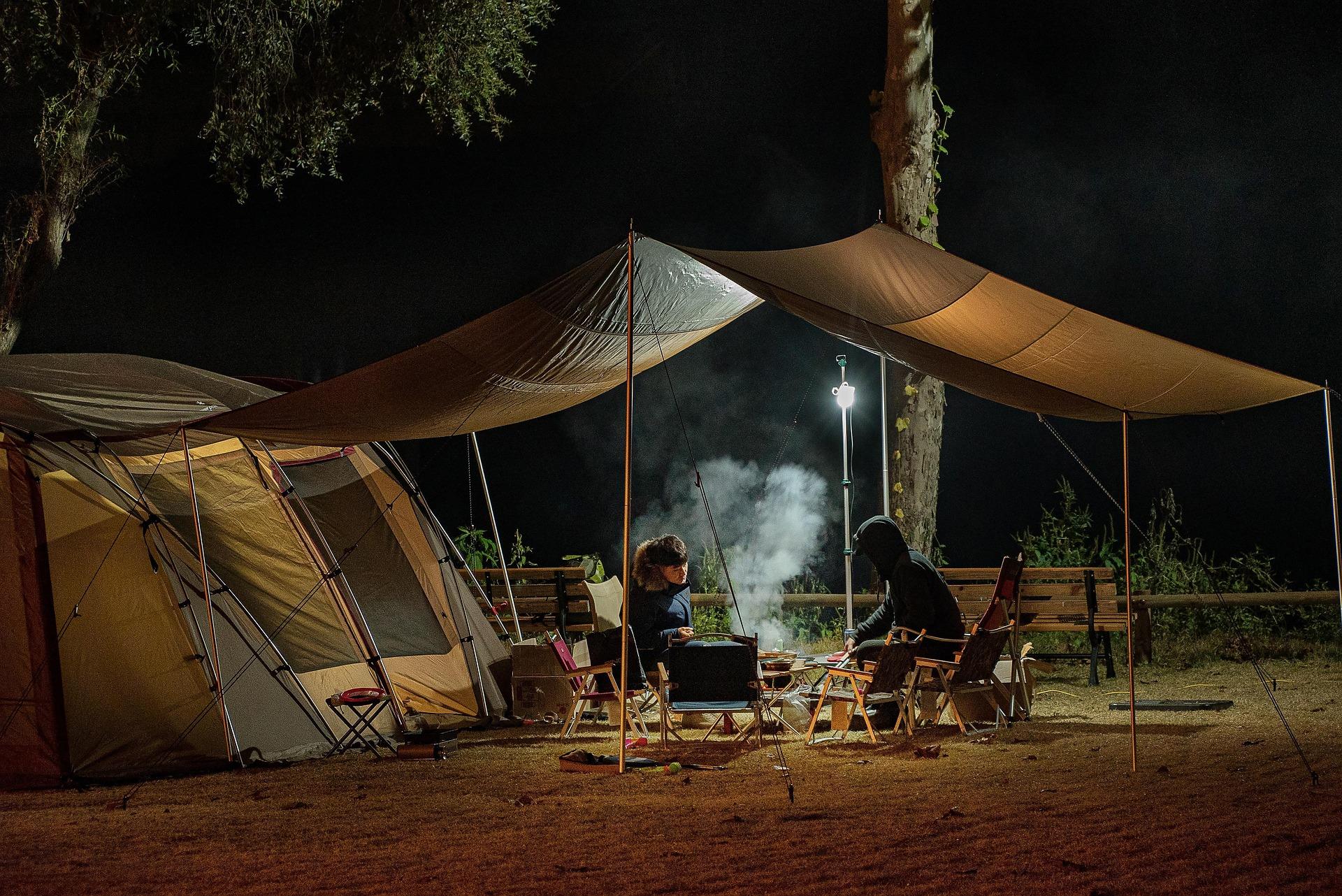
A camp requires additional consideration because people may be sleeping on site and activities can continue over several days.
Think about fire, severe weather, illness, evacuation, lost people, damaged tents and problems with the site itself.
Make sure Scouts know the basic emergency arrangements without turning the camp into a constant safety briefing.
Emergency Planning for a Patrol
A Patrol Leader can help by making sure the Patrol understands its basic responsibilities.
Scouts should know who is leading, where they should stay, how to raise an alarm and who to tell if something goes wrong.
However, a Patrol Leader should never be expected to deal with a serious emergency alone. Get adult help and emergency services when required.
Final Tip
Good emergency planning isn’t about expecting something terrible to happen.
It’s about being prepared enough that, if something does happen, you don’t have to work out your entire response from scratch.
Think through the activity, identify the realistic emergencies, decide who will do what, make sure you can communicate and ensure everyone knows the basic procedure.
Plan before the activity, brief before you start and reassess when circumstances change.
🔒Ready to test your survival skills?
Join Survival Guides UK for free, complete challenges, earn badges and increase your Survival Level.
JOIN FREE →
CRAIG BURR
FOUNDER · SURVIVAL GUIDES UK
I'm Craig, the person behind Survival Guides UK. I created SGUK because I wanted somewhere people could learn real outdoor skills in a practical, straightforward way — from lighting a fire and tying knots to navigation, campcraft and everything in between.
You can read more about the story behind SGUK here as well as our approach here.