Wild Plant Safety: Scout Outdoor Skills Guide
Activity Overview
Difficulty: Easy–Moderate
Time: 30–60 minutes
Location: Woodlands, fields, hedgerows and other suitable outdoor areas
Best for: Cubs, Scouts, Explorers, Patrol Leaders and adult leaders
Skills: Observation, plant identification, outdoor awareness, responsible countryside access and risk management
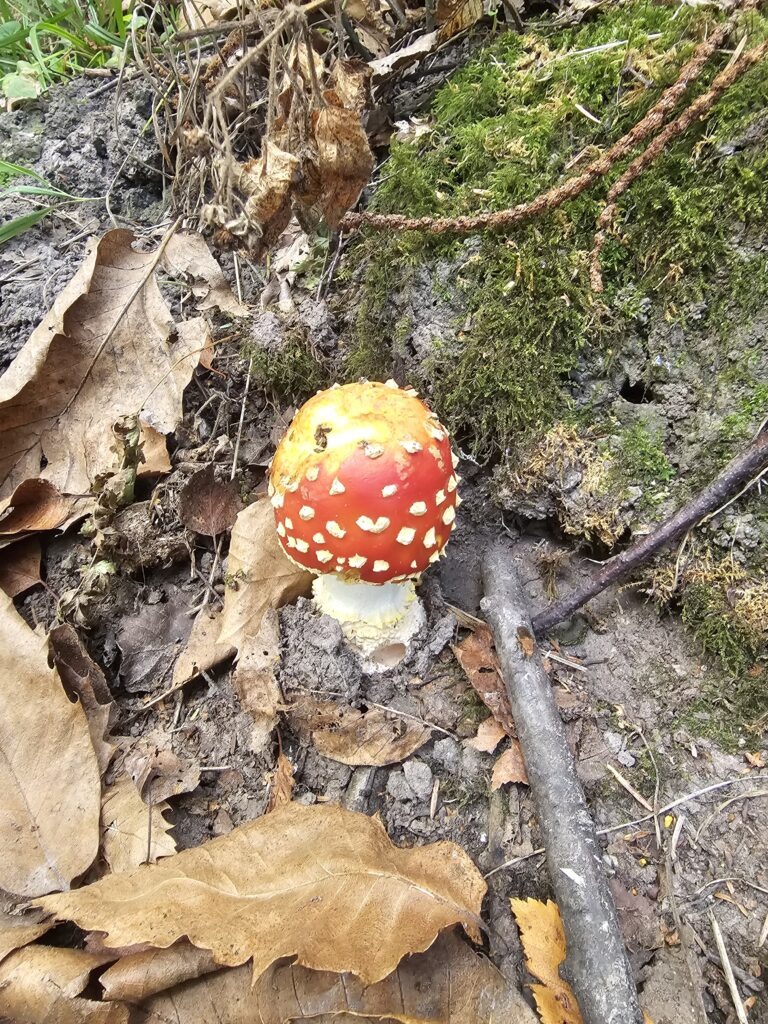
Wild plants can be useful and interesting to learn about, but never eat, touch or use an unfamiliar plant simply because it looks harmless.
Some plants are poisonous, while others can cause skin irritation, allergic reactions, cuts or other injuries.
The safest approach is to learn identification from reliable sources, avoid unknown plants and never encourage Scouts to taste-test plants as an identification exercise.
What You’ll Learn
You’ll learn how to recognise some of the common hazards associated with wild plants.
You’ll also learn how to approach plant identification safely, what to do around poisonous or irritating species and why berries, leaves and fungi should never be eaten based on appearance alone.
🟡 SAFETY – MODERATE RISK
Some wild plants can cause serious poisoning or injury.
Avoid touching unfamiliar plants, particularly if you cannot confidently identify them.
Do not eat wild plants, berries, seeds or leaves unless their identity and suitability have been established by someone appropriately knowledgeable.
Keep hands away from the mouth after handling vegetation and wash them afterwards.
Take particular care around plants with sap that can irritate the skin.
If a potentially poisonous plant has been eaten, don’t wait for symptoms to develop. Seek appropriate medical or poisons advice and identify the plant if possible.
Equipment
A plant identification guide or reputable identification app can be useful.
A notebook and pencil can help with recording observations.
A camera or phone can be used to photograph plants without touching them.
Gloves may be appropriate for particular tasks, but they shouldn’t be treated as protection against every hazardous plant.
Prerequisites
Scouts should understand that not every plant is safe to touch or eat.
Before an outdoor activity, leaders should be aware of any particularly hazardous plants known to occur in the area.
Teach identification as an observation skill rather than encouraging Scouts to handle specimens.
Instructions
1. Observe Before Touching
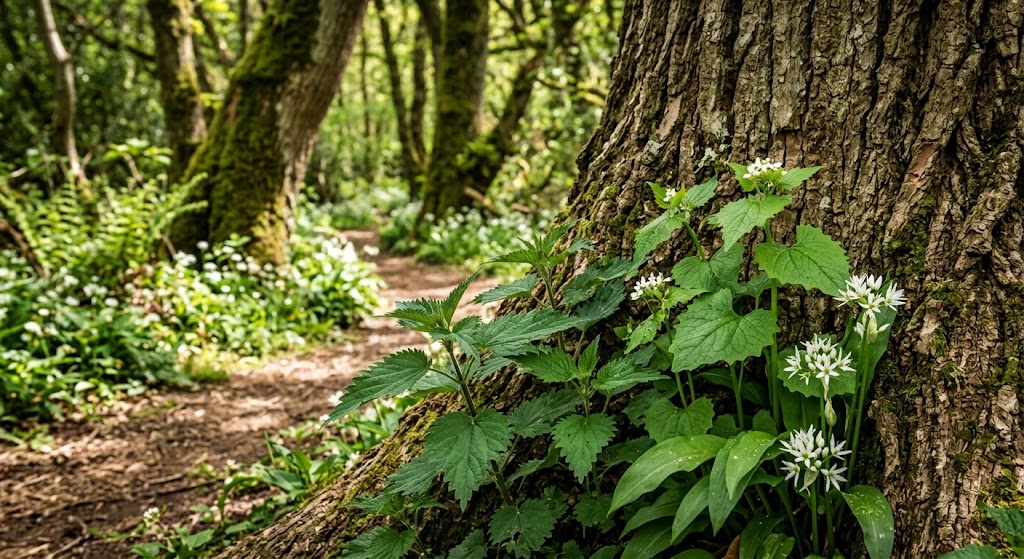
When you find an unfamiliar plant, look at it before reaching for it.
Consider its leaves, flowers, stem, growth pattern and surrounding habitat.
A photograph can often provide enough information for identification without handling the plant.
2. Don’t Taste-Test
Never use tasting as a way of identifying a wild plant.
Many poisonous plants resemble edible species, and a small amount can sometimes cause serious poisoning.
The same rule applies to berries, seeds, roots and flowers.
3. Learn the Whole Plant
Identification should not rely on one feature.
Two plants can have similar-looking flowers while differing significantly in their leaves, stems or growth habit.
Use several characteristics and a reliable identification source.
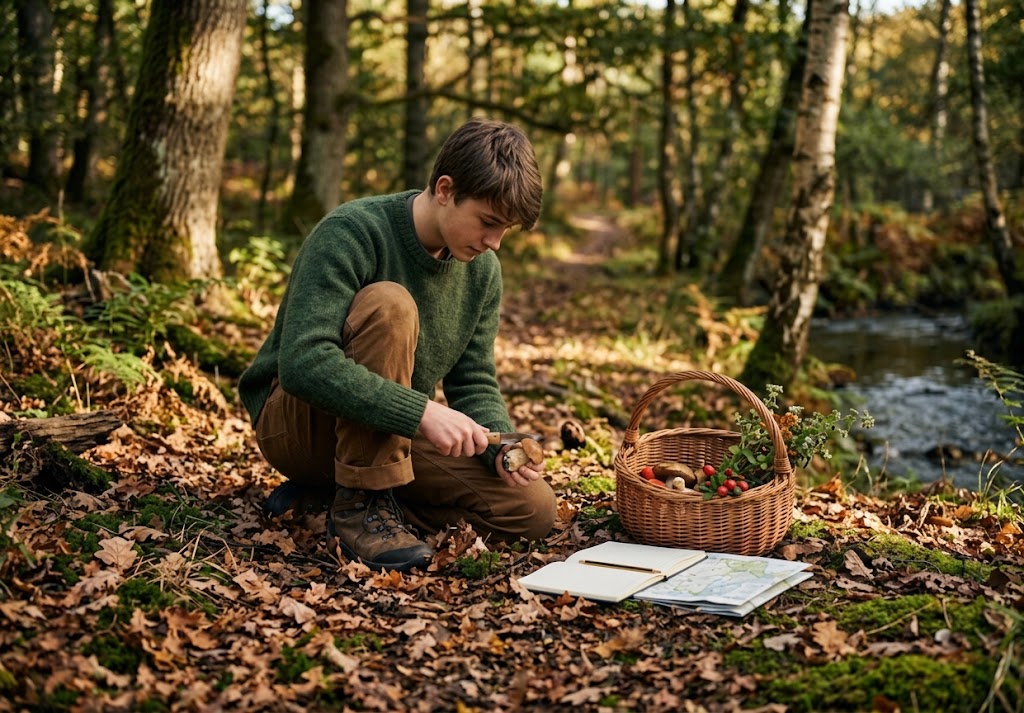
4. Be Careful With Berries
Brightly coloured berries can be particularly tempting to children.
Treat unknown berries as unsafe.
Don’t allow Scouts to pick and taste berries during an identification activity.
This also applies to attractive seeds and fruits.
5. Avoid Unnecessary Contact
You don’t need to touch a plant to learn about it.
Some species have irritating hairs, spines, thorns or sap.
Observe from a safe distance whenever possible.
6. Watch for Thorns and Spines
Plants such as brambles and hawthorn can cause scratches and puncture injuries.
Take care when walking through dense vegetation.
Don’t push blindly through hedges or bushes.
7. Be Aware of Irritating Sap
Some plants contain sap that can irritate the skin.
Avoid breaking or crushing unfamiliar plants.
If plant sap gets onto the skin, wash the area promptly with plenty of water and follow appropriate first-aid advice.
8. Take Particular Care in Sunny Conditions
Some plant sap can make skin unusually sensitive to sunlight.
This can result in significant skin reactions after exposure.
Avoid contact with unfamiliar sap, and wash exposed skin promptly if contact occurs.
9. Keep Hands Away From the Face
During outdoor activities, Scouts may unconsciously touch their eyes or mouth.
After handling vegetation, wash hands before eating.
This is especially important if there is any possibility that irritating plant material has been contacted.
10. Don’t Burn Unknown Plants
Don’t add unfamiliar vegetation to a campfire simply because it has been collected from the campsite.
Some plants can produce irritating smoke when burned.
Use known, suitable firewood instead.
11. Don’t Use Wild Plants as Medicine
Traditional uses of plants don’t automatically make them safe.
Don’t prepare teas, poultices or other remedies from wild plants unless the activity is specifically designed and supervised by someone with appropriate expertise.
A plant can be harmful even when only a small quantity is used.
12. Don’t Collect Plants Without Permission
Responsible countryside access includes leaving plants where they are unless collection is permitted and appropriate.
Some plants may be protected, rare or growing on private land.
Photography and observation are usually better ways to learn without causing unnecessary damage.
13. Keep Dogs and Other Animals in Mind
Some plants that are harmless to people can be dangerous to animals.
If an outdoor activity involves dogs or other animals, avoid allowing them to eat unfamiliar vegetation.
14. Know What to Do After Exposure
If someone develops an unusual skin reaction after contact with a plant, move them away from further exposure and wash the affected area appropriately.
If someone has swallowed a potentially poisonous plant, seek urgent professional advice.
Don’t induce vomiting unless specifically instructed to do so by a medical professional or poisons service.
15. Record Unusual Plants Safely
If you find a plant that you want to identify, photograph it from several angles.
Record where it was found and what it looked like.
This provides useful information without requiring the plant to be picked.
Plant Identification Activities for Scouts
A safe plant-identification activity can involve finding several plants and recording their characteristics.
Scouts can compare leaf shapes, flower structures, stem characteristics and habitats.
Instead of collecting specimens, challenge patrols to photograph or sketch their discoveries.
This teaches identification while reinforcing the principle that you don’t need to touch or eat something to learn about it.
Common Plant Hazards
Wild plants can present several different hazards.
Poisonous plants can cause illness if swallowed.
Irritant plants can cause skin reactions.
Thorns and spines can cause cuts and punctures.
Plant sap can cause irritation or increased sensitivity to sunlight.
Unknown edible-looking plants can be particularly dangerous because appearance isn’t a reliable indication of safety.
If a Plant Has Been Eaten
If someone has eaten an unknown plant, berry or seed, treat the situation seriously.
Remove any remaining material from the mouth if this can be done safely and keep a sample or photograph for identification if available.
Seek appropriate medical or poisons advice promptly.
Don’t wait for symptoms and don’t attempt to make the person vomit unless specifically instructed.
If the person becomes seriously unwell, seek emergency medical assistance.
Final Tip
The best wild-plant safety rule for Scouts is simple:
If you can’t confidently identify it, leave it alone.
Wild-plant activities should focus on observation, identification and respect for the environment. Photograph plants rather than picking them, never taste-test unfamiliar species and teach Scouts to recognise that something looking harmless doesn’t necessarily make it safe.
🔒Ready to test your survival skills?
Join Survival Guides UK for free, complete challenges, earn badges and increase your Survival Level.
JOIN FREE →
CRAIG BURR
FOUNDER · SURVIVAL GUIDES UK
I'm Craig, the person behind Survival Guides UK. I created SGUK because I wanted somewhere people could learn real outdoor skills in a practical, straightforward way — from lighting a fire and tying knots to navigation, campcraft and everything in between.
You can read more about the story behind SGUK here as well as our approach here.