Ethical Foraging: Scout Outdoor Skills Guide
Activity Overview
Difficulty: Moderate
Time: 45–90 minutes
Location: Woodlands, hedgerows, fields and other suitable countryside areas
Best for: Scouts, Explorers, Patrol Leaders and experienced Cubs with close supervision
Skills: Plant identification, responsible countryside access, conservation, observation and sustainable foraging
Ethical foraging means taking only what you can positively identify, what you are permitted to collect and what the environment can sustainably spare.
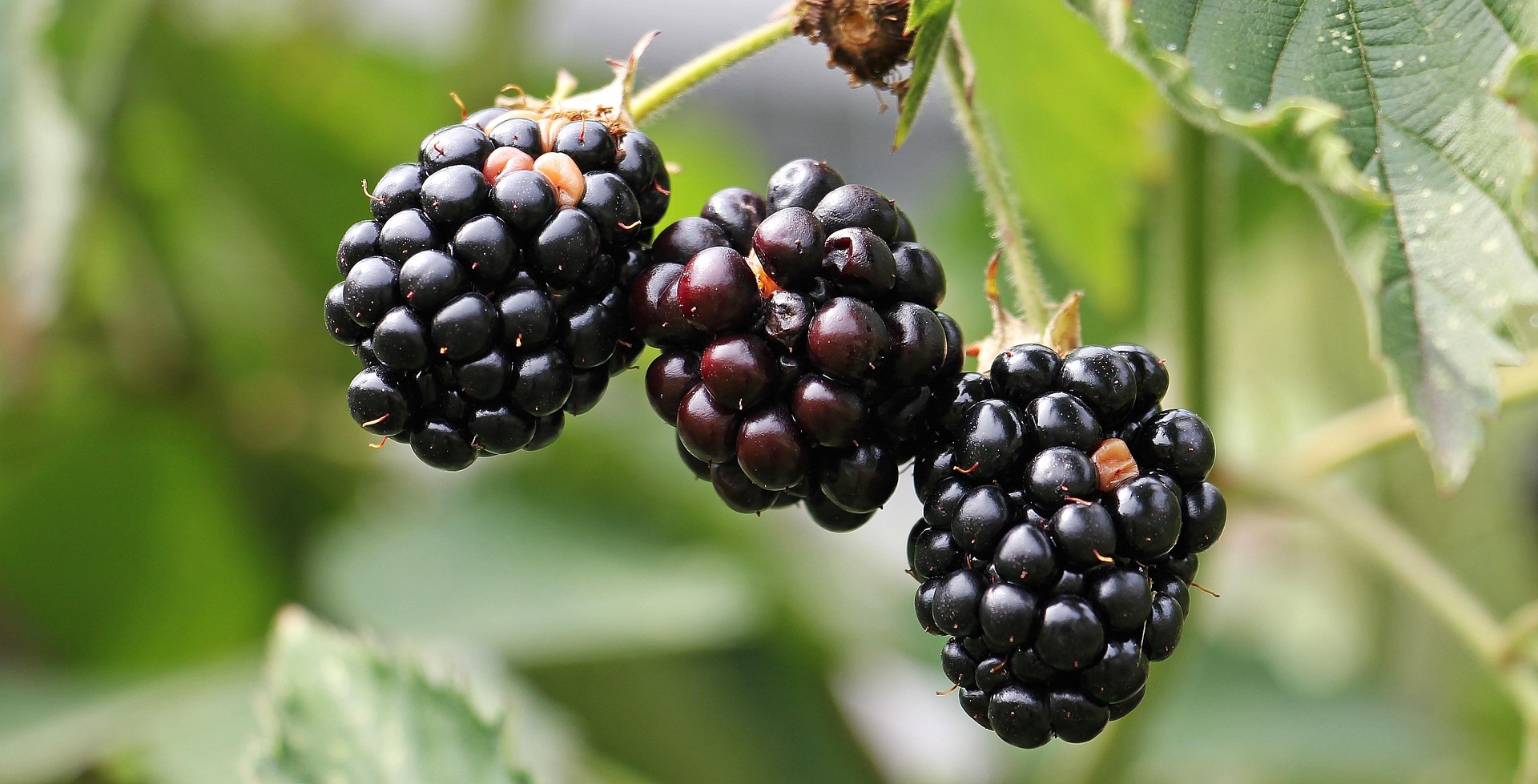
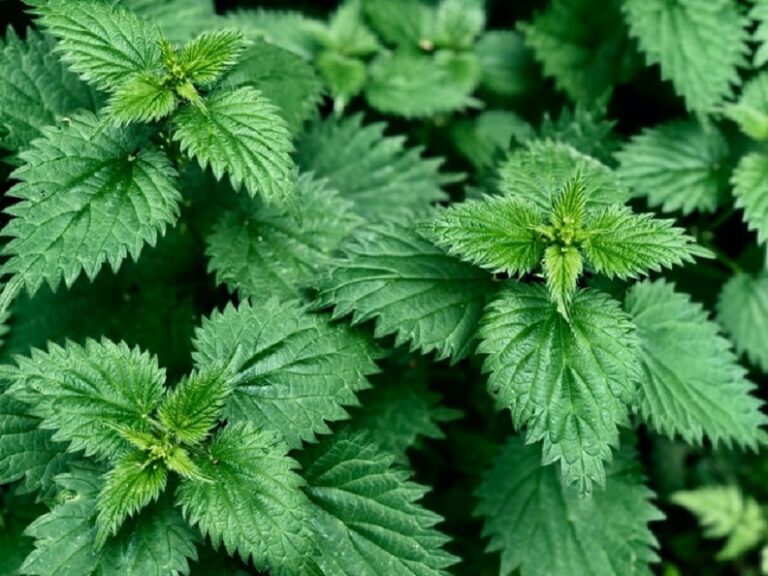
For Scouts, the emphasis should be on learning to identify wild plants and understanding their habitats before considering collecting anything.
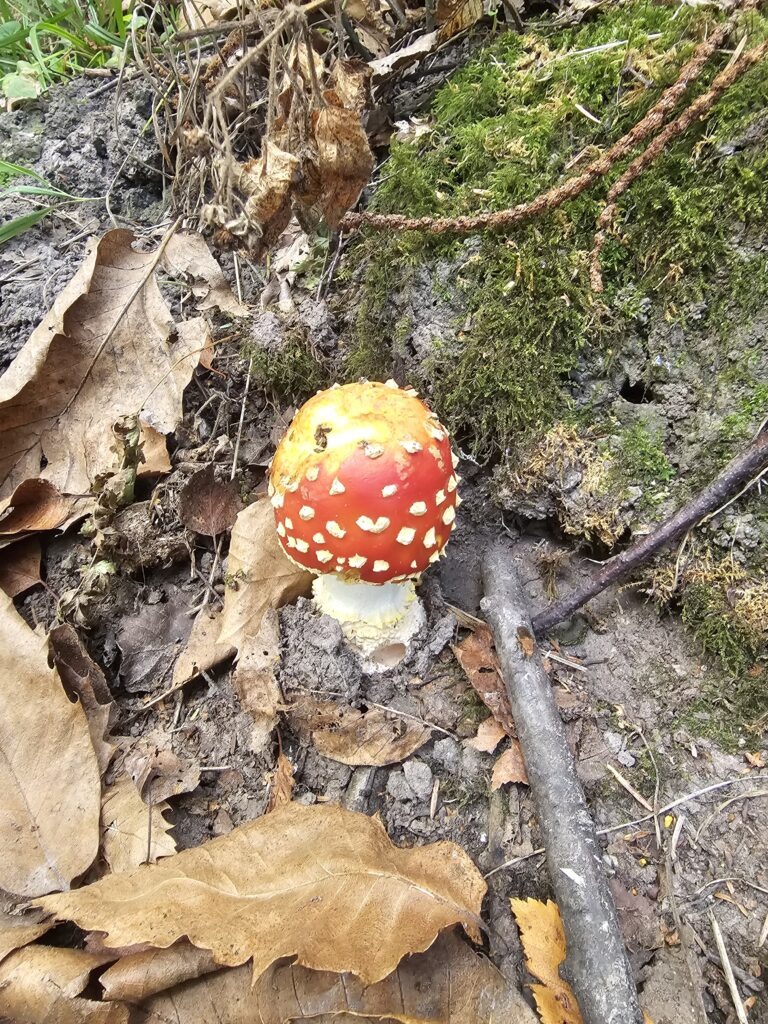
Never eat an unfamiliar plant, berry, mushroom or other wild food.
What You’ll Learn
You’ll learn how to forage without unnecessarily damaging plants, habitats or wildlife.
You’ll also learn why permission matters, how to collect small quantities responsibly and why accurate identification is essential before considering any wild food.
🟡 SAFETY – MODERATE TO HIGH RISK
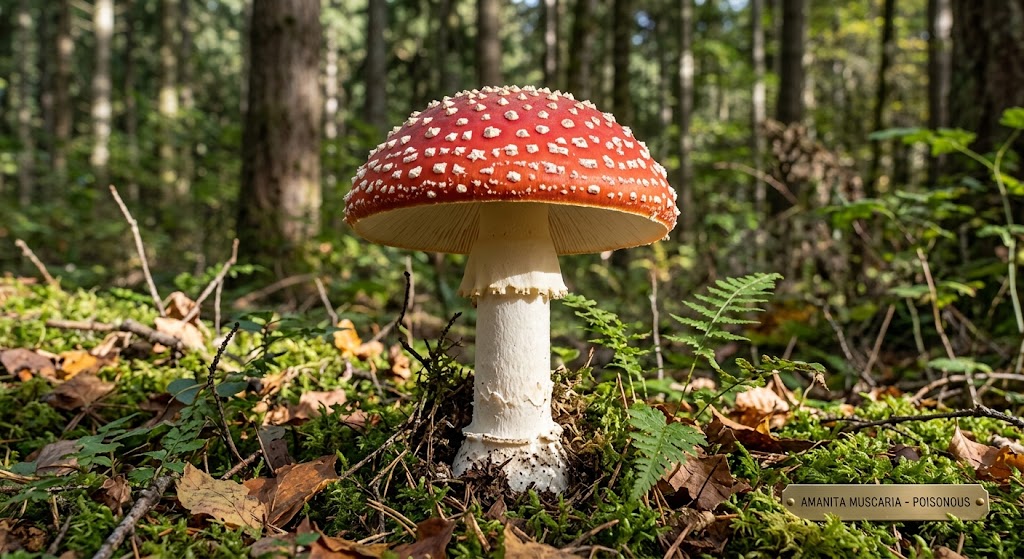
Wild plants and fungi can be poisonous, while some can cause skin irritation or other reactions.
Never eat anything unless it has been positively identified as safe by someone suitably knowledgeable.
Don’t rely solely on an identification app.
Some edible species have poisonous lookalikes, particularly among mushrooms and certain plants.
Wash hands after handling wild plants and before eating.
If someone accidentally consumes an unidentified plant, berry or mushroom, seek appropriate medical or poisons advice promptly.
Equipment
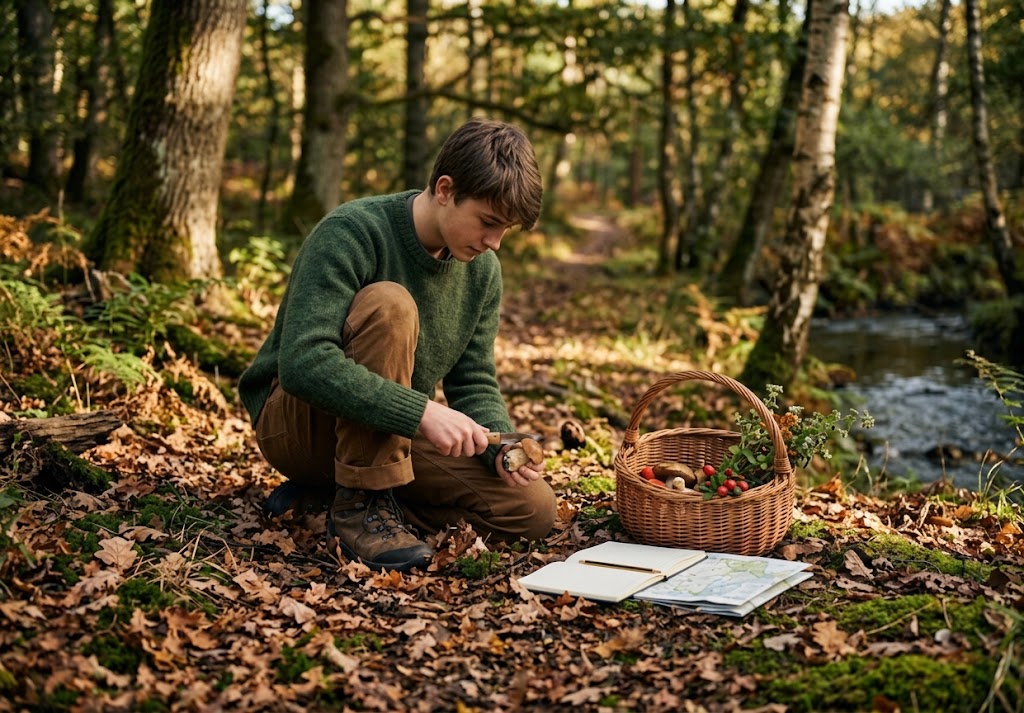
A reliable field guide can help with identification.
A phone or camera is useful for photographing plants without picking them.
A notebook and pencil can be used to record observations.
If collection is permitted and appropriate, a small container or basket can prevent delicate specimens from being crushed.
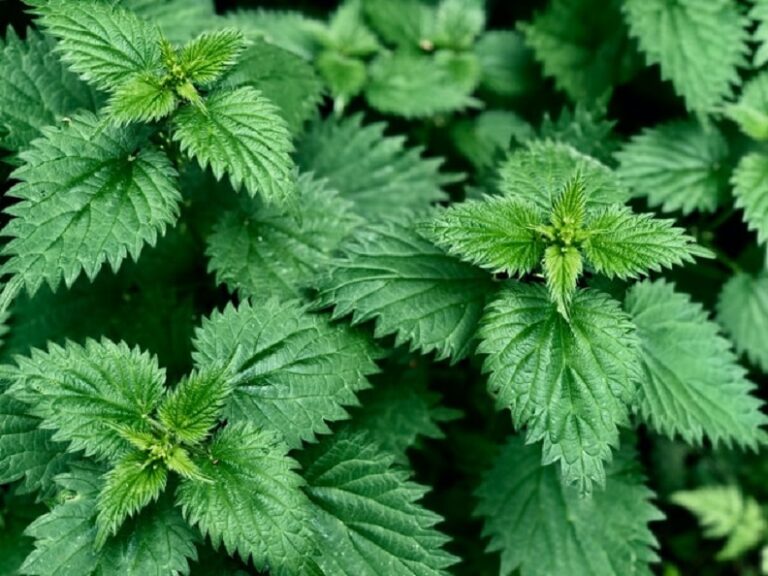
Suitable gloves may be useful for particular plants, but shouldn’t replace careful identification and handling.
Prerequisites
Before foraging, understand the difference between observing a wild plant and collecting it.
Check that you have permission to collect from the land.
Learn the basic identification characteristics of the species you intend to find.
For Scout activities, an adult with appropriate knowledge should oversee any activity involving wild food.
Instructions
1. Check Whether Collection Is Permitted
Don’t assume that finding a plant means you’re entitled to collect it.
Consider who owns or manages the land and whether collection is permitted.
Follow local restrictions, site rules and conservation requirements.
When in doubt, observe and photograph rather than collect.
2. Learn Before You Pick
Identify the species before collecting anything.
Look at several characteristics rather than relying on one feature such as colour or flower shape.
If you’re not completely confident about the identification, leave it where it is.
3. Start With Observation
A good Scout foraging activity can begin without collecting anything.
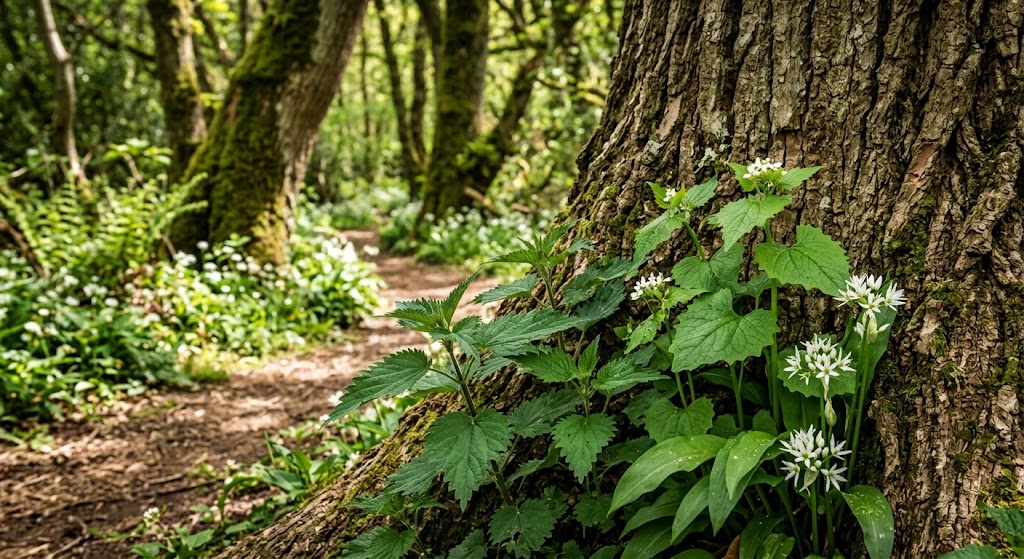
Photograph plants, record their habitats and practise identifying them using a field guide.
This develops useful skills without creating unnecessary environmental impact.
4. Take Only What You Need
If collection is permitted, take a small amount rather than stripping an area.
Think about what the plant needs to continue growing and reproducing.
Never collect everything you find simply because it is available.
5. Leave Plenty Behind
Leave healthy plants, flowers, fruits and seeds for wildlife and for the plant’s continued reproduction.
Don’t clear an entire patch.
A sustainable forager should barely change the appearance of the area.
6. Avoid Rare or Vulnerable Species
Don’t collect plants that are uncommon, threatened or protected.
If you aren’t sure about the conservation status of a species, leave it alone.
Learning to recognise plants doesn’t require removing them.
7. Protect the Habitat
Watch where you’re walking.
Avoid trampling surrounding vegetation to reach a particular plant.
Don’t disturb nests, burrows, insects or other wildlife while looking for food.
8. Don’t Damage the Plant
Use the least damaging method appropriate to the species and activity.
Don’t pull up entire plants when only a small, renewable part is needed.
Never break branches unnecessarily.
9. Respect Other People
Foraging should not prevent other people from enjoying the countryside.
Don’t block paths or damage fences and gates while collecting.
Leave gates as you find them and respect private land.
10. Keep Dogs and Animals Away From Collected Food
Keep collected wild foods separate from other materials.
Don’t allow dogs or other animals to investigate or eat unidentified plants.
11. Keep Species Separate
If collecting several species, keep them separate until identification has been confirmed.
This makes it easier to identify individual plants and reduces the risk of accidentally mixing an unknown species with something intended for consumption.
12. Don’t Collect Near Pollution Sources
Avoid collecting wild foods from places where contamination is likely.
Road verges, heavily polluted areas, treated land and locations exposed to chemicals may not be suitable.
The fact that a plant is edible in one location doesn’t mean a specimen growing elsewhere is suitable to eat.
13. Clean What You Collect
If collection for consumption is permitted, clean the food appropriately before eating.
Follow suitable food-hygiene practices.
Cleaning doesn’t make a poisonous species safe, so identification must come first.
14. Only Eat What Has Been Confirmed
Before eating anything collected, make sure the species has been positively identified.
If there is any doubt, don’t eat it.
Never use a Scout activity to encourage participants to taste-test unknown plants.
15. Leave the Site Better Than You Found It
Remove any litter you brought with you.
Avoid disturbing vegetation unnecessarily.
The ideal result is an area that looks almost exactly as it did before your activity.
What Makes Foraging Ethical?
Ethical foraging involves three main questions:
Can I legally or legitimately collect this?
Can I identify it safely?
Can I take it without causing unnecessary environmental harm?
If the answer to any of these is no, leave it where it is.
Foraging and Conservation
Wild foods are part of wider ecosystems.
Flowers provide resources for insects, berries provide food for birds and mammals, and seeds help plants reproduce.
Taking a small amount from a healthy, abundant population may have little impact, while collecting heavily from a scarce population can be damaging.
This is why sustainable foraging is about understanding the whole habitat, not simply finding edible species.
Foraging Activities for Scouts
For Scouts, an identification walk can be more valuable than a food-collecting expedition.
Give patrols a list of plants to find and photograph.
Ask them to record habitat, identifying features and whether the species is suitable for collection.
This teaches the same observation and identification skills while reinforcing responsible countryside access.
Final Tip
Ethical foraging isn’t about how much you can collect.
It’s about knowing when to collect, how much to take and when to leave something completely alone.
For Scouts, make identification and conservation the priority. If you can’t identify it confidently, don’t eat it; if you can’t collect it responsibly, don’t pick it.
🔒Ready to test your survival skills?
Join Survival Guides UK for free, complete challenges, earn badges and increase your Survival Level.
JOIN FREE →
CRAIG BURR
FOUNDER · SURVIVAL GUIDES UK
I'm Craig, the person behind Survival Guides UK. I created SGUK because I wanted somewhere people could learn real outdoor skills in a practical, straightforward way — from lighting a fire and tying knots to navigation, campcraft and everything in between.
You can read more about the story behind SGUK here as well as our approach here.