How to Forage Common Safe Plants
Foraging can be a great way to learn more about the plants around you, but the most important skill is not knowing how many wild foods you can eat. It is knowing when you have identified something confidently enough to eat it — and when you haven’t.
There are edible plants growing in many familiar places, from woodland edges and hedgerows to fields and gardens, but some edible species have poisonous lookalikes. A plant being common doesn’t automatically make it safe, and guessing is never a good approach. Start by learning a small number of easily recognised species and become completely familiar with them before moving on to anything more difficult.
Start With a Few Easy Plants
Trying to learn dozens of plants at once makes identification harder, particularly when you’re a beginner. Choose a small number of common species and learn what they look like throughout the seasons.
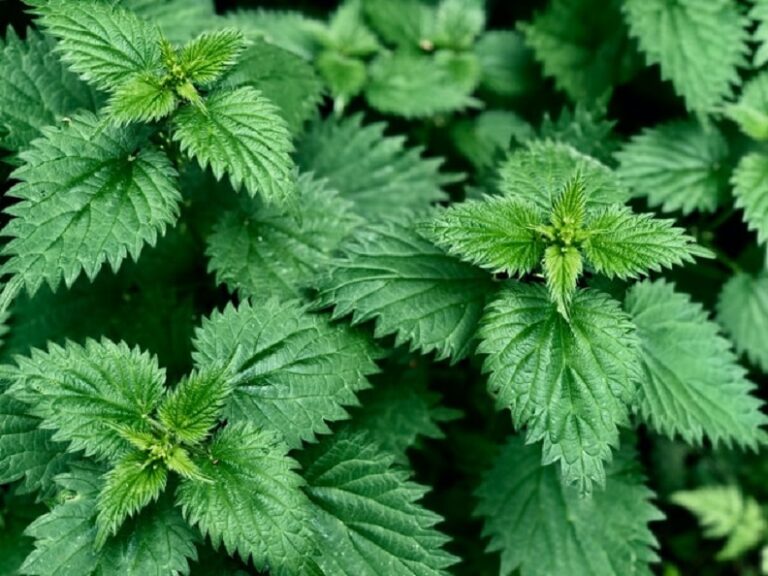
Plants such as common nettle, wild garlic, dandelion and chickweed are often used as beginner examples, but you should still learn each plant properly before eating it. Don’t rely on a single photograph or a general description. Look at the whole plant, including its leaves, flowers, stems, growth habit and the environment where it is growing.
Learn the Whole Plant
One of the biggest mistakes beginners make is identifying a plant from one feature.
A leaf might look familiar, but that doesn’t necessarily mean you have identified the species correctly. Look at how the leaves are arranged, the shape and edges of the leaves, the stem, flowers, smell and overall growth pattern.
Learning what a plant looks like at different stages of its growth is particularly useful. A plant can look very different when it is young compared with when it is flowering.
Learn the Lookalikes Too
Knowing an edible plant is only half of the identification process. You should also know which plants could be confused with it.
This is especially important when learning wild plants from photographs. Two species can look remarkably similar in one photograph while having important differences when you examine the entire plant.
Before eating anything, ask yourself what you could be confusing it with and what features rule those alternatives out. If you cannot answer that confidently, leave the plant alone.
Use More Than One Identification Source
A good field guide can be extremely useful, particularly one that covers plants found in your area and includes clear photographs and identification details.
You can also compare what you find with reputable botanical resources, but don’t rely on a phone app to make the decision for you. Identification apps can be useful for suggesting possibilities, but they should not be treated as proof that a plant is safe to eat.
The final decision should be based on your own identification of the plant and a reliable understanding of its characteristics.
Check Where the Plant Is Growing
Correct identification isn’t the only consideration. Think about the location as well.
Avoid collecting plants from places where they may have been exposed to pollution, pesticides, road runoff, dog fouling or other contamination. Roadsides, heavily used paths and areas treated with chemicals are poor choices for collecting wild food.
A plant can be perfectly edible as a species while still being unsuitable to eat because of where it has grown.
Don’t Eat Something Just Because It Smells Right
Smell can sometimes be a useful identification clue, but it should never be the only reason you decide something is edible.
Wild garlic is a good example because its strong garlic smell can help distinguish it from some similar-looking plants. However, you should still identify the entire plant and understand its possible lookalikes rather than relying on smell alone.
Never use a taste test to identify an unknown plant.
Start With Small Amounts
Even when you have correctly identified an edible plant, eating a large quantity for the first time is not sensible.
Some wild plants can cause digestive problems if eaten in large quantities, and people can also have individual sensitivities or allergies. Follow reliable guidance for the particular species and understand which parts of the plant are normally eaten and how they should be prepared.
Edibility is not always as simple as “this plant is safe”.
Know Which Parts You Can Eat
Different parts of the same plant can have completely different properties.
The leaves may be edible while the roots are not normally eaten, or young leaves may be preferred while older parts become tough or unpleasant. Some plants also require cooking or another form of preparation.
Never assume that because one part of a plant is edible, every part of it is safe.
Learn to Recognise Common Edible Plants
A few useful plants to learn include:
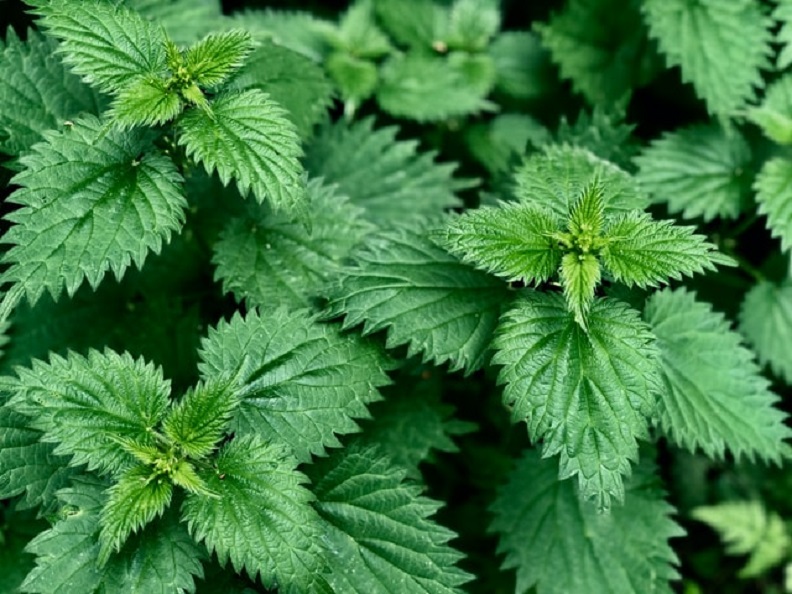
- Common nettle — young leaves are commonly used as a cooked wild food, but the plant should be handled carefully because of its sting.
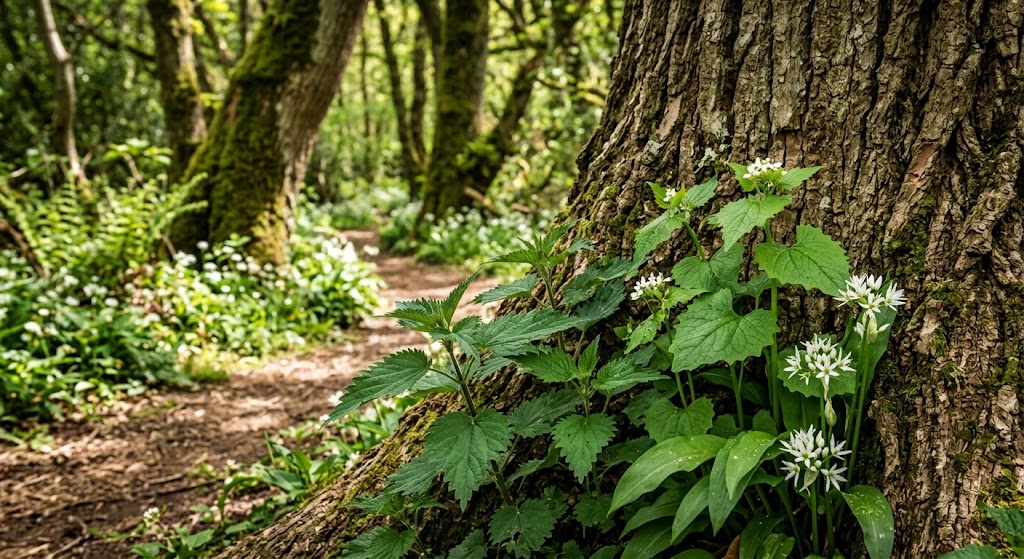
- Wild garlic — recognisable by its strong garlic smell and commonly found in damp woodland and shaded areas but there are toxic lookalikes.
- Dandelion — a very familiar plant with distinctive yellow flowers and a rosette of leaves.
- Chickweed — a small, soft plant commonly found in cultivated ground and disturbed areas.
These are starting points rather than a complete list. Learn each species properly before collecting or eating it.
Collect Responsibly
Once you’ve identified a plant correctly, think about how much you actually need.
Take only a small amount and leave plenty behind so the plant can continue growing and wildlife can still use it. Avoid pulling up entire plants when you only need leaves or a small amount of growth.
Don’t collect from protected areas or from land where you don’t have permission. Some plants are protected, and access and collecting rules can vary depending on where you are.
Avoid Rare or Protected Plants
Beginner foraging should focus on common species rather than unusual or scarce plants.
If you aren’t sure whether a plant is protected or whether you are allowed to collect it, leave it where it is. Learning to identify a plant is still worthwhile even when you don’t collect it.
Photography and observation are often the best ways to study unfamiliar plants without disturbing them.
Wash What You Collect
Wild plants can carry soil, insects, animal waste and other contaminants. Wash edible plants thoroughly before preparing them, using clean water.
Washing does not make a contaminated collection site safe, so choosing where you collect remains more important than simply washing everything afterwards.
Check the Rules Before You Forage
Foraging isn’t simply a case of finding something edible and picking it.
Land ownership, access arrangements, protected areas and plant protection laws can all affect what you are allowed to collect. Make sure you understand the rules applying to the place where you are foraging and obtain permission where necessary.
Responsible foraging also means respecting other people’s land and leaving the area looking as natural as you found it.
Safety When Foraging
Never eat a wild plant unless you are completely certain what it is and that the part you intend to eat is safe. If you have any doubt, leave it alone.
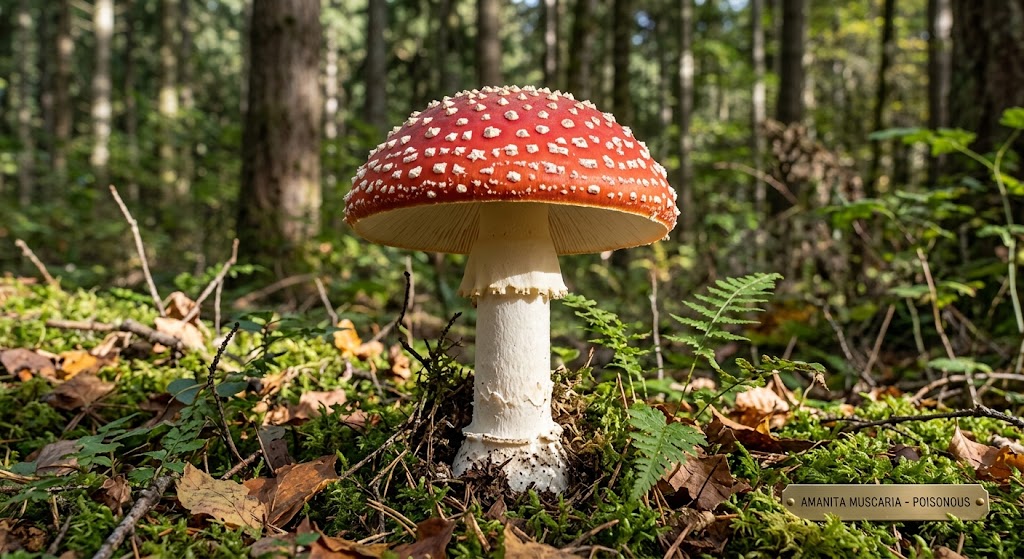
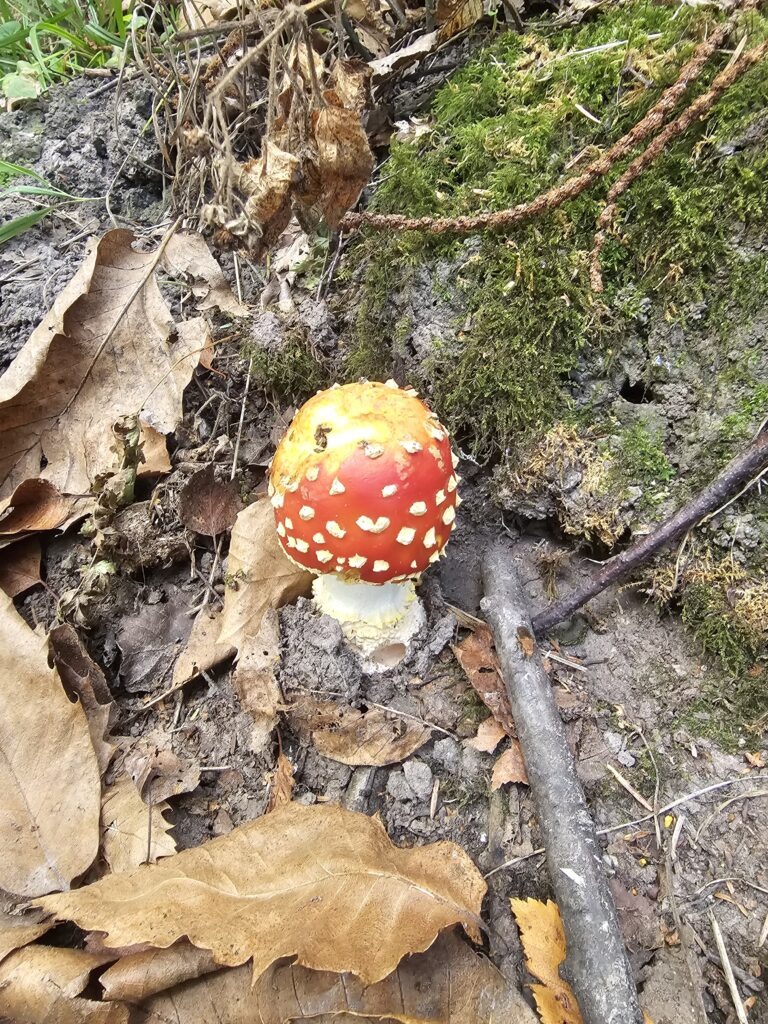
Do not rely on taste, smell, a single photograph or an identification app as your only means of identification. Be particularly cautious around plants with poisonous lookalikes, and don’t allow children to pick and eat unknown plants while exploring outdoors.
If someone eats an unknown plant and becomes unwell, seek medical advice promptly and keep a sample or photograph of the plant if it can be obtained safely.
Learn Plants Without Eating Them
You don’t actually need to eat a plant to learn foraging.
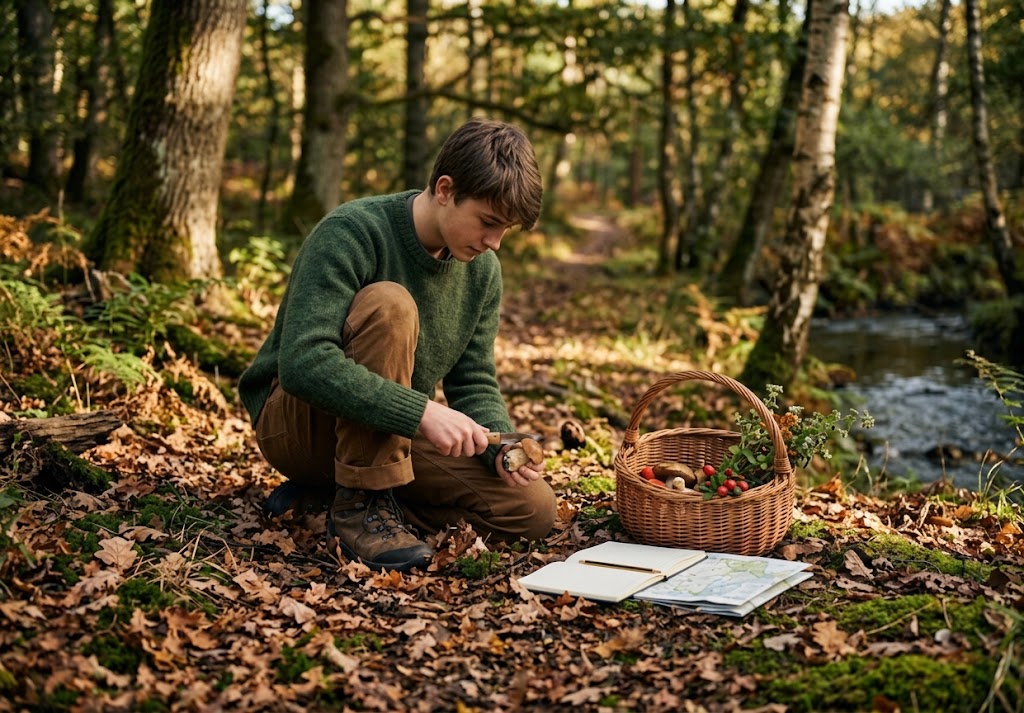
One of the best ways to begin is to take a notebook or camera outside and practise identifying plants without collecting them. Record where you found them, what they looked like and what features helped you identify them.
Once you can confidently recognise a small number of species in different seasons, you will have a much stronger foundation for learning about wild food.
Foraging Is an Identification Skill First
The best foragers aren’t necessarily the people who know the largest number of edible plants. They are the people who know what they are looking at and are comfortable saying, “I’m not sure.”
Start with a few common species, learn their distinctive features and their dangerous lookalikes, collect responsibly and never guess when it comes to eating something wild. The more time you spend observing plants without needing to pick them, the better your identification skills will become.
🔒Ready to test your survival skills?
Join Survival Guides UK for free, complete challenges, earn badges and increase your Survival Level.
JOIN FREE →
CRAIG BURR
FOUNDER · SURVIVAL GUIDES UK
I'm Craig, the person behind Survival Guides UK. I created SGUK because I wanted somewhere people could learn real outdoor skills in a practical, straightforward way — from lighting a fire and tying knots to navigation, campcraft and everything in between.
You can read more about the story behind SGUK here as well as our approach here.