What to Do If You Get Lost Outdoors: A Beginner’s Guide
Getting Lost Outdoors
Most people don’t expect to get lost.
You set off knowing roughly where you’re going.
You follow a path.
You take a turning.
Then another.
And suddenly the landscape doesn’t look quite right.
Perhaps the path has disappeared.
Maybe visibility has fallen.
Your phone battery is running low.
Or you’ve simply realised that you don’t know where you are.
Getting lost can happen to experienced outdoor users as well as beginners.
The important thing isn’t never making a mistake.
It’s knowing what to do when you realise you’ve made one.
SURVIVAL RULE
The moment you realise you’re lost, stop making the situation worse.
⚠️ SAFETY FIRST
Getting lost can quickly become dangerous, particularly in poor weather, unfamiliar terrain or remote areas.
If you are lost, injured, in immediate danger or unable to safely continue, don’t take unnecessary risks trying to find your way out.
Stop, assess the situation and, where appropriate, contact someone for help.
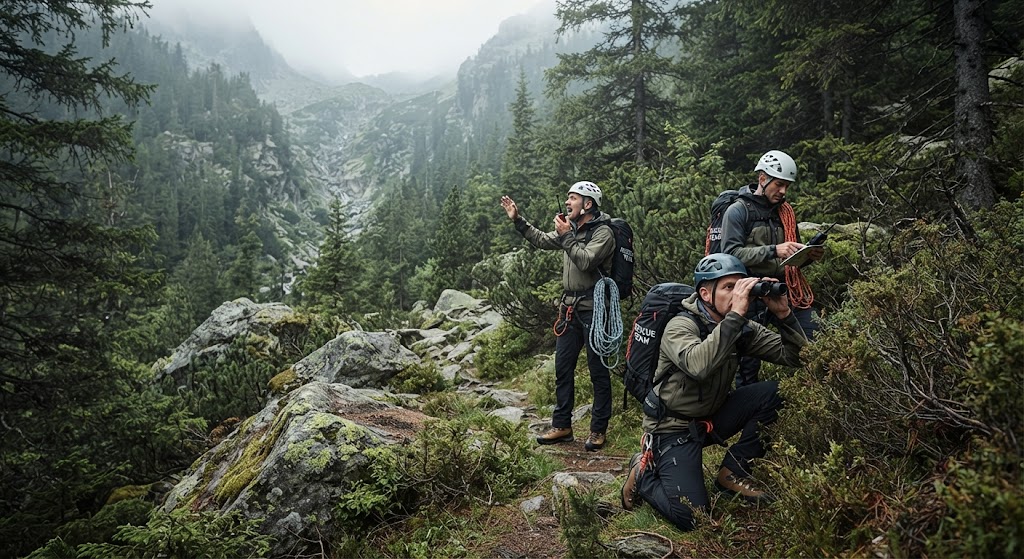
In the UK, call 999 or 112 in an emergency. If you’re in the mountains, ask for Police and Mountain Rescue.
If you are with children or vulnerable people, prioritise keeping the group together and protected from the weather.
Stop
One of the most useful things you can do when you realise you’re lost is surprisingly simple:
Stop.
Don’t immediately start walking faster.
Don’t randomly choose a direction.
Don’t assume that the next hill, path or woodland clearing will solve the problem.
Take a moment to think.
THE STOP METHOD
S — Stop
T — Think
O — Observe
P — Plan
This gives you a simple framework for dealing with an uncertain situation.
Think
Once you’ve stopped moving, think about how you got there.
Ask yourself:
- Where did I last know exactly where I was?
- What was the last recognisable landmark?
- Which direction was I travelling?
- How long have I been walking since then?
- Did I take an unexpected turning?
- Did I cross a road, stream or bridge?
- Did I pass a distinctive tree, building or hill?
- Did I follow the wrong path?
Don’t rely on memory alone.
If you have a map, compass or phone, use them.
Observe Your Surroundings
Look around carefully.
You may have more information than you initially realise.
Look for:
- Roads
- Buildings
- Footpaths
- Signposts
- Bridges
- Hills
- Rivers
- Fences
- Distinctive trees
- Towers
- Church spires
- Other obvious landmarks
Listen too.
You may hear:
- Traffic
- Trains
- People
- Water
- Machinery
- Aircraft
Don’t automatically move towards a sound, however.
Use it as information rather than assuming you know exactly where it is coming from.
Plan Before Moving
Once you’ve gathered information, decide what you’re going to do.
There are generally two possibilities:
You Know Where You Went Wrong
If you’re confident about your location and the route back is safe, you may be able to retrace your steps.
You Don’t Know Where You Are
If you’re genuinely unsure, staying put may be the safer option.
This is especially important if someone knows your planned route or if you’ve already raised the alarm.
REMEMBER
Moving further away can make you harder to find.
Don’t Wander Aimlessly
This is one of the biggest mistakes people make when lost.
They think:
“I’ll just keep walking until I find something familiar.”
Sometimes that works.
Sometimes it makes the situation considerably worse.
You may:
- Walk further from your route
- Enter more difficult terrain
- Become exhausted
- Lose daylight
- Lose phone signal
- Become colder
- Make yourself harder for rescuers to locate
If you don’t have a clear plan, don’t keep moving simply because standing still feels unproductive.
Use Your Map
A paper map is one of the most valuable pieces of navigation equipment you can carry.
A good outdoor map can show:
- Paths
- Roads
- Rivers
- Buildings
- Contours
- Woodland
- Landmarks
- Other geographical features
If you know roughly where you are, these features can help you establish your position.
Ordnance Survey provides a wide range of maps and navigation resources for exploring the UK.
NAVIGATION TIP
Don’t wait until you’re lost to get your map out.
Use your map throughout the journey.
Learn to Read a Map
You don’t need to be an expert navigator to benefit from a map.
Start by understanding:
Symbols
Maps use symbols to represent features such as roads, buildings, paths and water.
Contours
Contour lines help show the shape and height of the land.
Grid References
Grid references can help you describe a particular location.
Scale
The map’s scale tells you how map distances relate to real-world distances.
These are all useful skills to practise before you need them.
Carry a Compass
A compass is small, lightweight and doesn’t need batteries.
But owning one isn’t enough.
You need to know how to use it.
Learn basic compass skills before heading into unfamiliar countryside.
Practise:
- Finding north
- Taking a bearing
- Following a bearing
- Orientating a map
- Estimating direction
TOP TIP
A compass is an excellent backup for electronic navigation.
But a compass you don’t know how to use isn’t much of a backup at all.
Don’t Rely Entirely on Your Phone
Modern smartphones can be incredibly useful for navigation.
GPS and mapping apps can help you determine your location and find routes.
But your phone has limitations.
You may have:
- No signal
- Low battery
- Poor weather
- A damaged phone
- No offline maps
- Difficulty seeing the screen
- Water damage
Download maps before setting off where appropriate.
Consider carrying a power bank on longer trips.
And still learn traditional navigation skills.
SURVIVAL TIP
Technology should support your navigation skills — not replace them completely.
Save Battery Power
If you’re lost and your phone still works, don’t waste its battery.
Reduce unnecessary use.
You may need your phone for:
- Emergency calls
- Location information
- Messages
- Navigation
- A torch
If you’re in an area with poor signal, repeatedly trying to connect can also consume power.
Use your phone deliberately.
Can You Call for Help?
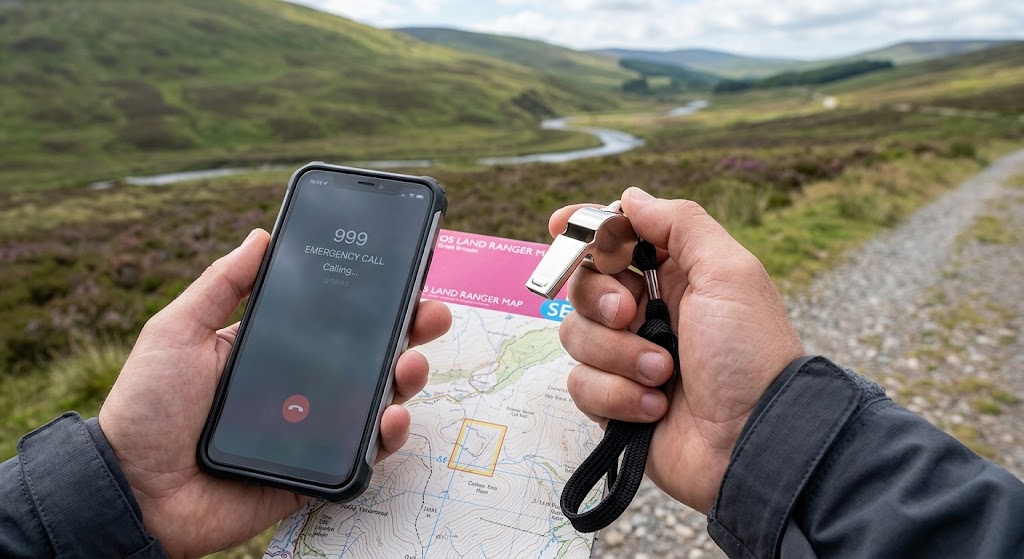
If you have a phone signal and you’re in a dangerous situation, call for help.
In the UK, call:
999 or 112
Tell the emergency operator:
- What has happened
- Where you think you are
- Who you’re with
- Whether anyone is injured
- What the weather is like
- What equipment you have
- What you can see around you
If you’re in the mountains or another remote outdoor environment, ask for Police and Mountain Rescue.
Mountain Rescue England and Wales provides extensive safety advice for people heading into the UK’s upland and mountainous areas.
Mountain Rescue England and Wales
Share Your Location
If your phone allows it, location information can be extremely useful.
Depending on your device and signal, you may be able to provide:
- GPS coordinates
- A map location
- A location-sharing link
- Your last known position
Don’t assume your phone’s location is perfectly accurate in every environment.
Give rescuers as much useful information as you can.
Tell Someone Before You Go
The best way to deal with getting lost is to make sure someone knows where you’re supposed to be.
Before setting off, tell someone:
- Where you’re going
- Your planned route
- Who you’re with
- When you expect to return
- When they should raise the alarm if you haven’t returned
This is sometimes called a route card or trip plan, depending on the activity.
It means someone can provide useful information if you don’t return as expected.
PREVENTION TIP
Tell someone where you’re going before you leave.
Stay Together
If you’re with a group and become lost, stay together where it is safe to do so.
This is particularly important with children.
Don’t send different people off in different directions to search for the route.
Splitting up can turn one problem into several.
If someone is injured or vulnerable, keeping the group together becomes even more important.
What If You’re With Children?
Children may become frightened when they realise they’re lost.
Your response can make a huge difference.
Stay calm.
Don’t blame anyone.
Don’t turn the situation into an argument about who made the wrong decision.
Instead:
- Keep everyone together
- Reassure them
- Get everyone somewhere sheltered if necessary
- Check for injuries
- Keep people warm and dry
- Explain the plan simply
- Contact help if necessary
SCOUT TIP
If children are involved, calm leadership is a survival skill.
Stay Warm and Dry
Getting lost can become dangerous because of the weather.
If you’re likely to be outside for longer than expected, protect yourself.
Think about:
- Waterproof clothing
- Warm layers
- Wind protection
- Shelter
- Dry clothing
- Food
- Water
This is why carrying suitable outdoor equipment is so important.
For more information, see our guide:
Staying Warm Outdoors: A Beginner’s Guide
Build an Emergency Shelter If Necessary
If you’re going to be waiting for help, or conditions are deteriorating, an emergency shelter can help protect you from the weather.
Look for a safe location away from:
- Falling branches
- Flooding
- Unstable ground
- Cliffs
- Other hazards
A tarp, emergency bivvy or other suitable shelter can be extremely useful.
You can learn more in our guide:
Emergency Shelters: A Beginner’s Guide to Staying Safe Outdoors
IMPORTANT
Don’t spend hours building an elaborate shelter if you’re already in a dangerous location.
Safety and communication come first.
Make Yourself Easy to Find
If you’re waiting for rescuers, don’t make yourself unnecessarily difficult to locate.
Use appropriate signalling methods.
These might include:
- A whistle
- A torch
- Bright clothing
- A signal mirror
- An emergency beacon
- Calling out when appropriate
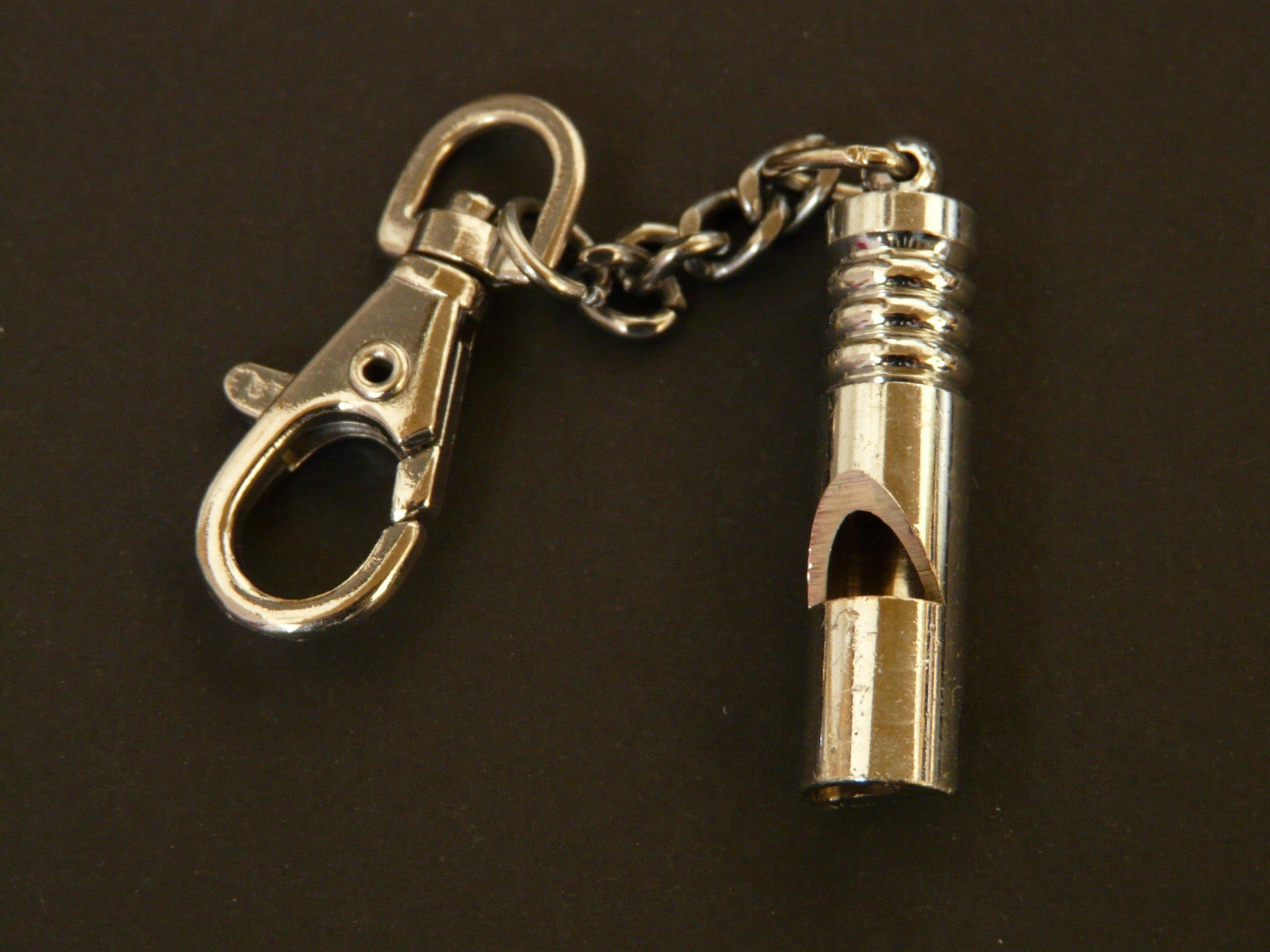
A whistle is particularly useful because it requires less energy than shouting repeatedly.
Mountain Rescue England and Wales recommends carrying a whistle and torch as part of suitable outdoor emergency equipment. Mountain Rescue England and Wales safety advice
The Whistle Signal
A whistle can carry much further than a human voice.
A commonly taught distress signal is:
Six whistle blasts followed by a pause.
Repeat if necessary.
However, follow the instructions given by emergency services or your activity leader if you’re involved in an organised activity.
SIGNALLING TIP
Keep your whistle somewhere you can reach it easily.
There’s little value in carrying emergency equipment at the bottom of a sealed bag if you can’t reach it when needed.
Use a Torch at Night
A torch can help rescuers identify your position.
If you’re lost after dark, use it carefully rather than leaving it switched on continuously and exhausting the battery.
If you hear rescuers nearby, use your torch to signal your location where appropriate.
A headtorch is particularly useful because it leaves your hands free.
What If You Can See a Road?
A road can be useful if you’re confident about where it is and can reach it safely.
But don’t blindly head towards lights or sounds.
You may be:
- Much further away than you think
- Separated from the road by dangerous terrain
- Near a motorway or other hazardous road
- In an area where crossing would be unsafe
If you’re unsure, don’t take unnecessary risks.
Don’t Climb Just to Get a Better View
When lost, people sometimes climb a hill, rock or tree to try to see where they are.
This can create an entirely new emergency.
Avoid:
- Climbing unstable rocks
- Climbing trees
- Crossing dangerous slopes
- Approaching cliff edges
- Entering unfamiliar water
A better view isn’t worth a serious injury.
Don’t Follow Rivers
There’s a popular survival myth that says you should simply follow a river downhill until you find civilisation.
It isn’t a universal rule.
Following water can lead you into:
- Steep valleys
- Cliffs
- Waterfalls
- Dense vegetation
- Deep water
- Difficult terrain
If you’re lost, use your navigation information rather than blindly following a geographical feature.
Conserve Energy
If you’re lost, you don’t know how long you’ll need to remain outside.
Avoid unnecessary activity.
Keep warm.
Stay hydrated.
Eat if you have food.
Rest when appropriate.
Don’t spend hours wandering around simply because you’re worried about sitting still.
SURVIVAL PRINCIPLE
Energy is a resource. Don’t waste it without a reason.
What If It Gets Dark?
Darkness changes the situation considerably.
Navigation becomes harder.
Terrain becomes more difficult to judge.
Obstacles become harder to see.
Your risk of falling or becoming injured increases.
If night is approaching and you’re uncertain of your location, think carefully before continuing.
It may be safer to stop, shelter and wait for daylight, depending on the circumstances.
If you’re already lost and concerned for your safety, contact emergency services rather than simply hoping the situation will resolve itself.
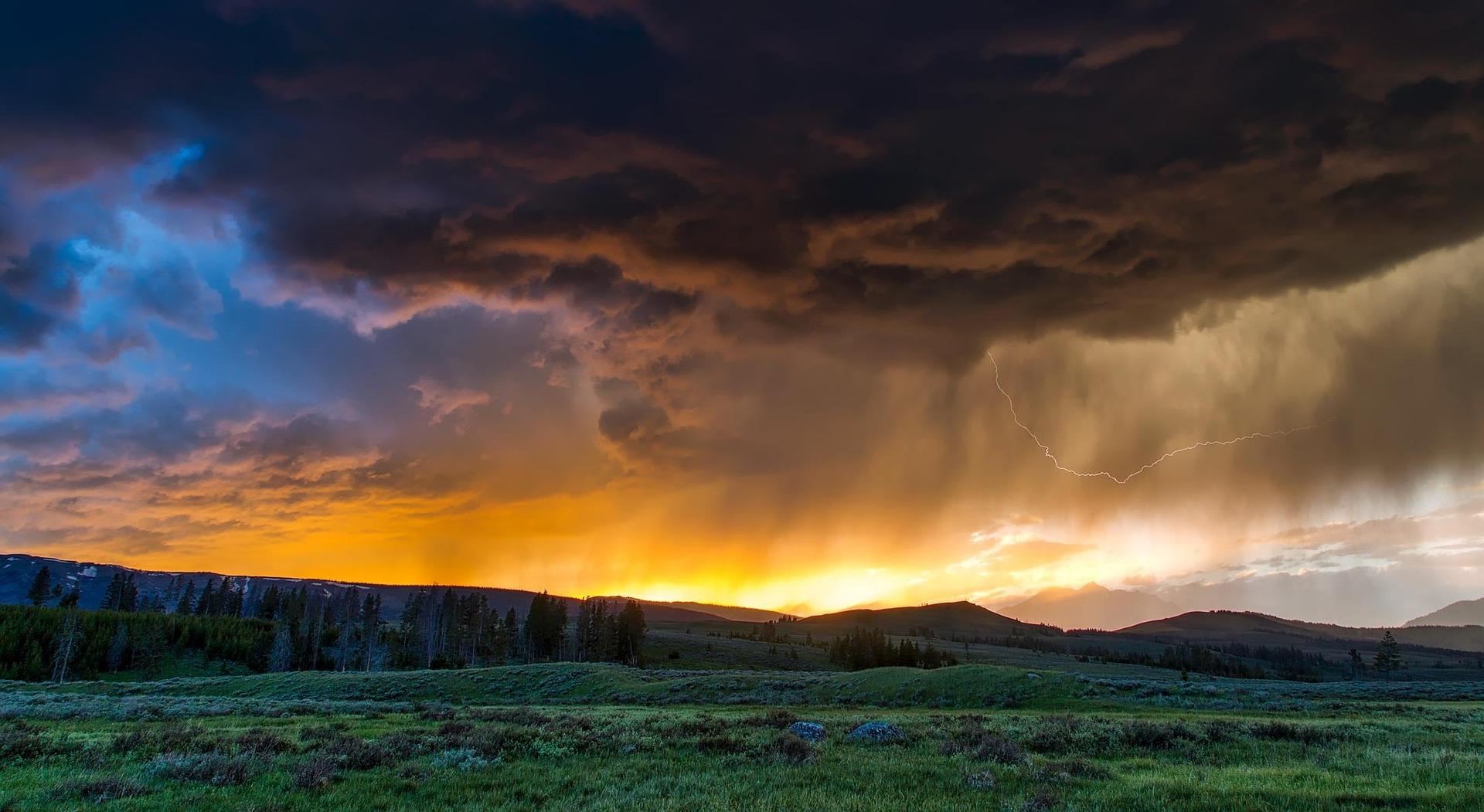
What If the Weather Gets Worse?
Weather should influence your decision-making.
If heavy rain, snow, strong winds or falling temperatures are approaching, your priorities may change.
You may need to focus on:
Shelter.
Warmth.
Communication.
Staying put.
Don’t continue walking simply because that was your original plan.
Good outdoor navigation includes knowing when to change the plan.
Don’t Hide From Rescuers
If you’ve called for help and have been told to remain in a particular location, stay there unless conditions make doing so unsafe.
Rescuers need to know where to look.
Moving around unnecessarily can make the search much more difficult.
If you do need to move, try to communicate your new location.
What If You Find Your Way Again?
If you’ve contacted someone or the emergency services because you were lost, tell them if your situation changes.
Don’t simply disappear from the search area without communicating.
If you’re safe and no longer require assistance, let the appropriate people know.
Common Mistakes When Lost
Panicking
Fear can lead to poor decisions.
Continuing to Walk Without a Plan
You may simply become more lost.
Splitting Up
You can make the situation much harder to manage.
Ignoring the Weather
Conditions can deteriorate quickly.
Using All Your Phone Battery
You may need it later.
Taking Dangerous Shortcuts
A shortcut isn’t useful if it causes an injury.
Climbing for a Better View
You could create a second emergency.
Following Water
Rivers and streams can lead into dangerous terrain.
Refusing to Ask for Help
There is no prize for struggling unnecessarily.
REMEMBER
Calling for help isn’t failure.
It’s good decision-making.
How to Avoid Getting Lost
Prevention is better than survival.
Before heading outdoors:
- Check the weather
- Plan your route
- Study the map
- Carry a compass
- Learn basic navigation
- Download offline maps where appropriate
- Tell someone your plans
- Carry enough food and water
- Take suitable clothing
- Carry a torch
- Carry a whistle
- Take a charged phone
- Consider a power bank
- Know when to turn around
Mountain Rescue England and Wales strongly promotes preparation, appropriate equipment and knowing when to change your plans when conditions deteriorate. Mountain Rescue England and Wales
Navigation Is a Survival Skill
Navigation isn’t just about knowing where you are.
It’s about knowing where you should be.
Learning to read a map and use a compass gives you the ability to understand the landscape rather than simply following a line on a phone.
It’s a skill worth practising regularly.
The Ordnance Survey provides useful information and resources for learning more about maps and navigation.
Getting Lost and Scouts
Navigation and outdoor safety are important parts of Scouting.
Young people can learn how to use maps, follow routes, recognise landmarks and make decisions outdoors.
These skills become particularly valuable when conditions don’t go according to plan.
Scouts also use outdoor activities to develop problem-solving, teamwork and decision-making skills.
SCOUT TIP
Don’t teach navigation as simply:
“Follow the map.”
Teach:
“Understand where you are, where you’re going and what to do when the plan changes.”
Always follow the current Scouts guidance and your leader’s instructions during organised activities.
SurvivalGuidesUK is an independent educational resource and isn’t an official Scouts website.
Getting Lost Challenge
Here’s a useful exercise to practise in a safe, supervised environment.
Choose a familiar outdoor area.
Take a map and compass.
Before setting off, identify:
- Your starting point
- Your destination
- Major landmarks
- Roads
- Rivers
- Hills
- Alternative routes
Then practise stopping at different points and answering:
Where am I?
Which direction am I facing?
What features should I be able to see?
What would I do if I couldn’t find the path?
This turns navigation from something you only think about when things go wrong into a regular outdoor skill.
Getting Lost Checklist
Before heading into unfamiliar countryside:
Final Thoughts
Getting lost doesn’t automatically mean you’re in a survival situation.
Sometimes it’s simply a wrong turning.
The important thing is recognising the difference between being temporarily unsure of your route and being genuinely lost or in danger.
If you realise you’re lost:
Stop.
Think.
Observe.
Plan.
Don’t panic.
Don’t wander aimlessly.
Don’t take unnecessary risks.
Use your map, compass and phone where appropriate.
Protect yourself from the weather.
Stay with your group.
And if the situation becomes dangerous, ask for help.
The best survival skill isn’t finding your way out of every situation yourself.
It’s knowing when staying put and getting help is the safest option.
⚠️ SurvivalGuidesUK Safety Notice
Getting lost outdoors can become life-threatening, particularly in remote areas, poor weather, darkness or cold conditions.
This article provides general educational information and does not replace professional navigation training, first-aid training, mountain-safety advice or emergency guidance.
Always plan outdoor journeys appropriately, check weather conditions and carry equipment suitable for the environment and activity.
If you are lost, injured or in immediate danger in the UK, call 999 or 112. In mountainous areas, ask for Police and Mountain Rescue.
Stay calm, stay together, stay warm and get help when you need it.
🔒Ready to test your survival skills?
Join Survival Guides UK for free, complete challenges, earn badges and increase your Survival Level.
JOIN FREE →
CRAIG BURR
FOUNDER · SURVIVAL GUIDES UK
I'm Craig, the person behind Survival Guides UK. I created SGUK because I wanted somewhere people could learn real outdoor skills in a practical, straightforward way — from lighting a fire and tying knots to navigation, campcraft and everything in between.
You can read more about the story behind SGUK here as well as our approach here.