Staying Warm Outdoors: A Beginner’s Guide
Staying Warm Outdoors
Staying warm is one of the most important skills you can learn when spending time outdoors.
Whether you’re camping, hiking, taking part in a Scout activity or learning survival skills, keeping your body warm can make the difference between being comfortable and becoming dangerously cold.
The good news is that staying warm isn’t just about having a huge campfire.
In fact, a fire is only one part of the solution.
Good outdoor clothing, shelter, staying dry, eating properly and managing your activity can all help you retain body heat.
OUTDOOR SKILL
The best way to stay warm is to prevent yourself from getting cold in the first place.
⚠️ SAFETY NOTE
Cold weather can become dangerous surprisingly quickly. Hypothermia and cold-related illness can affect anyone, particularly children, older people and those who are wet, exhausted or exposed to wind.
This guide provides general outdoor-skills information and is not a substitute for appropriate training, weather planning, supervision or medical advice.
If someone is becoming confused, unusually sleepy, very cold, weak or difficult to wake, treat it as a serious situation. Get them somewhere warm, seek appropriate first aid and contact the emergency services if necessary.
If conditions are becoming unsafe, don’t try to tough it out — get warm and seek help.
Understanding Body Heat
Your body constantly produces heat.
When you’re comfortable, your body is balancing the heat it produces with the heat it loses to the environment.
When you’re outside in cold conditions, you can lose heat through:
- Cold air
- Wind
- Wet clothing
- Rain
- Contact with cold ground
- Cold water
- Inadequate clothing
- Lack of shelter
The colder and windier the conditions, the more quickly heat can be lost.
This is why staying warm outdoors is about reducing heat loss, rather than simply trying to create more heat.
The Importance of Staying Dry
One of the simplest rules for staying warm is:
Stay dry.
Wet clothing can make you lose heat much more quickly than dry clothing.
Rain, snow, splashing water and sweat can all make clothing damp.
Once you’re wet, staying warm becomes much harder.
TOP TIP
Don’t wait until you’re soaked before dealing with wet clothing.
If you notice you’re getting wet, deal with it early.
Carry appropriate waterproof clothing and protect spare clothing from rain and moisture.
Dress in Layers
One of the best ways to stay warm outdoors is to use several layers rather than relying on one thick item of clothing.
A typical layering system consists of three main layers.
Base Layer
The base layer sits next to your skin.
Its job is to help manage moisture and keep your skin comfortable.
Avoid relying on cotton as your main base layer in cold, wet conditions because it can hold moisture and take a long time to dry.
Mid Layer
The middle layer provides insulation.
This is the layer that helps trap warm air close to your body.
Fleece and other insulating materials are commonly used for this purpose.
Outer Layer
The outer layer protects you from the weather.
A suitable outer layer can help keep out:
- Wind
- Rain
- Snow
DID YOU KNOW?
Wearing several layers gives you more control.
If you become too warm, you can remove a layer. If the temperature drops, you can add one.
Don’t Forget Your Head
A hat can be useful in cold weather, particularly when the rest of your clothing is already appropriate.
Your head isn’t a magical heat-loss chimney, though — the important thing is keeping your whole body adequately protected.
Pay attention to all exposed areas.
Protect Your Hands
Cold hands can quickly become uncomfortable and make simple tasks much harder.
Gloves or mittens can help protect your hands from cold conditions.
Keep spare gloves somewhere dry if you’re going to be outside for a long period.
SCOUT TIP
A spare pair of gloves can be much more useful than you expect.
Wet gloves are cold gloves.
Protect Your Feet
Your feet are particularly important when camping or walking outdoors.
Wet socks and cold footwear can make you uncomfortable very quickly.
Choose suitable footwear for the conditions and take spare socks when appropriate.
Keep spare socks protected from rain and damp.
Don’t put wet socks into your sleeping bag and hope they’ll dry overnight.
Keep Your Clothing Dry
Wet clothing shouldn’t simply be thrown into the bottom of your backpack.
Keep spare clothing inside a waterproof bag or dry bag.
This gives you something dry to change into if your outer clothing becomes wet.
TOP TIP
A dry spare layer is an emergency resource.
Protect it as carefully as you would protect your food or first aid kit.
Keep Moving
Physical activity produces heat.
Walking, hiking and other suitable activities can help you stay warm.
But there’s a balance.
If you work too hard, you can become sweaty.
Once your clothing becomes damp with sweat, you can become colder when you stop moving.
The Answer?
Manage your activity and clothing together.
If you’re getting hot, remove a layer before you become soaked with sweat.
If you’re stopping for a break, put a warm layer on before you get cold.
REMEMBER
Don’t wait until you’re cold to put your warm layer on.
Shelter From the Wind
Wind can make cold conditions feel considerably worse.
A sheltered location can reduce exposure to wind and rain.
When choosing a place to stop or camp, think about natural and man-made shelter where appropriate.
Look for protection from:
- Strong winds
- Rain
- Snow
- Cold draughts
However, always check your surroundings carefully.
Don’t shelter underneath unstable trees, near falling branches or in locations that could become dangerous in bad weather.
Your Sleeping Bag
At night, your sleeping bag becomes an important part of your warm system.
Choose a sleeping bag appropriate for the conditions you’re expecting.
A sleeping bag doesn’t create unlimited heat by itself. It helps retain the heat your body produces.
This means what you wear and what you do before getting into your sleeping bag matters too.
TOP TIP
Get into your sleeping bag dry and reasonably warm.
Don’t expect a sleeping bag to quickly warm someone who is already extremely cold.
Insulate Yourself From the Ground
The ground can take a surprising amount of heat from your body.
This is why a sleeping mat or suitable ground insulation is so important when camping.
Your sleeping system should provide insulation between you and the cold ground.
A good sleeping bag without adequate insulation underneath you can still leave you feeling cold.
DID YOU KNOW?
Your sleeping system isn’t just your sleeping bag.
Bag + mat + shelter + clothing all work together.
Eat to Stay Warm
Your body needs energy to produce heat.
Eating enough food is therefore an important part of staying warm outdoors.
Cold-weather activities can require plenty of energy, particularly if you’re walking, carrying equipment or spending long periods outside.
Choose suitable meals and snacks and don’t forget to eat regularly.
Warm food can also be comforting and can help you feel warmer, although eating alone won’t prevent hypothermia.
Drink Enough
Staying hydrated is important in cold weather too.
You may not feel as thirsty when it’s cold, particularly compared with hot weather.
Remember to drink regularly.
Warm drinks can be enjoyable on a cold day, but be careful with very hot liquids around children, tents and camp equipment.
SAFETY TIP
Keep hot drinks away from the edge of tables, fires and cooking areas where they could be knocked over.
Using a Fire to Stay Warm
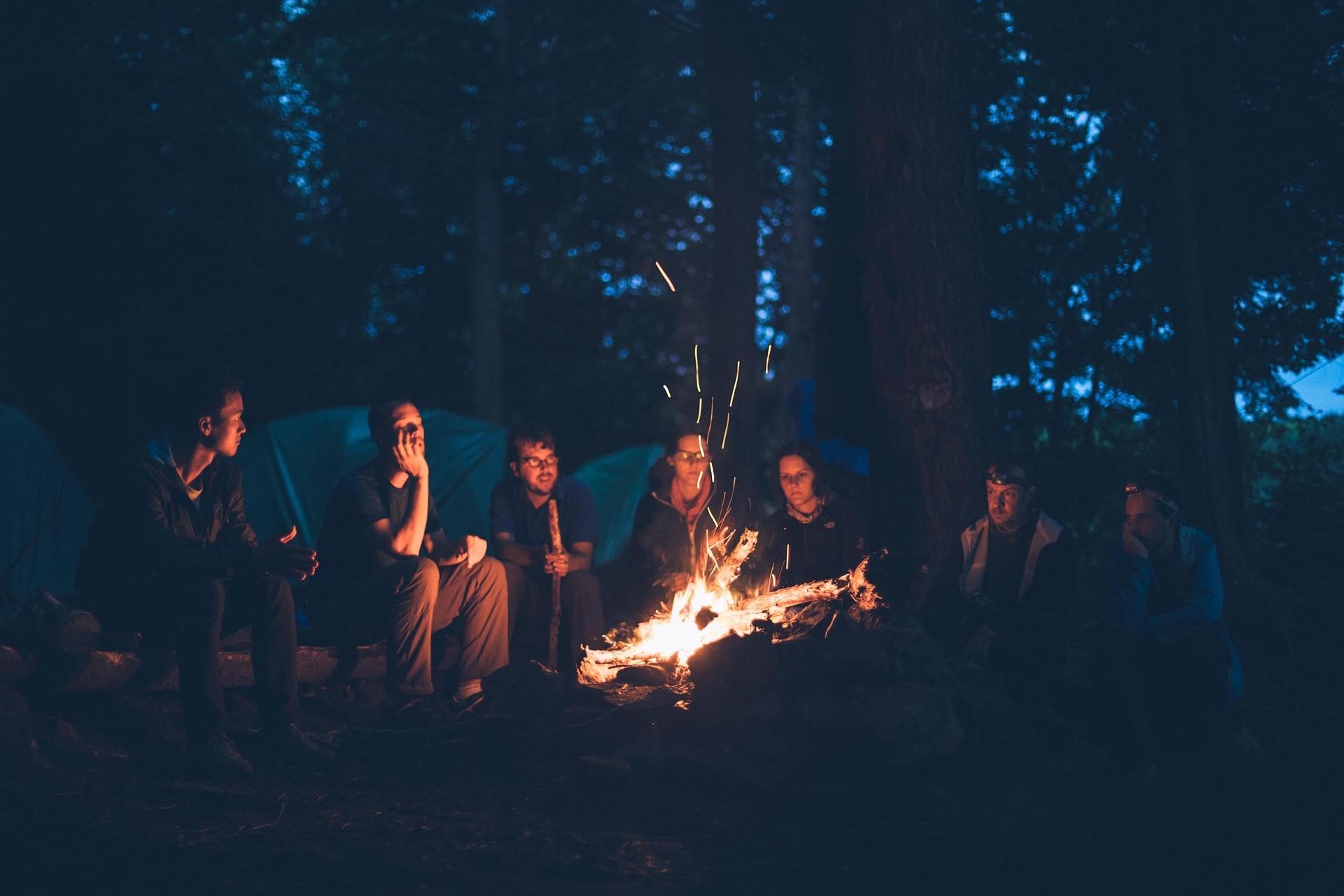
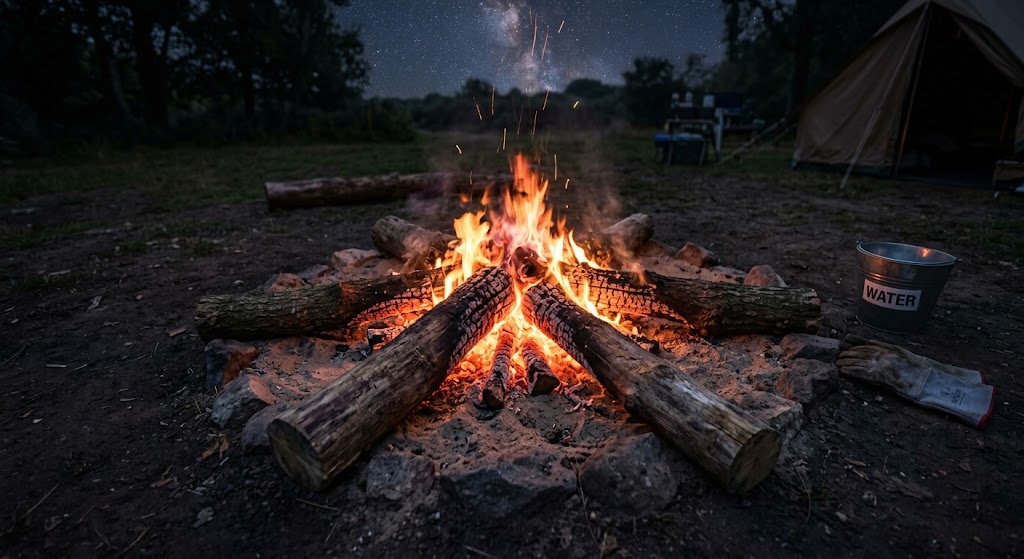
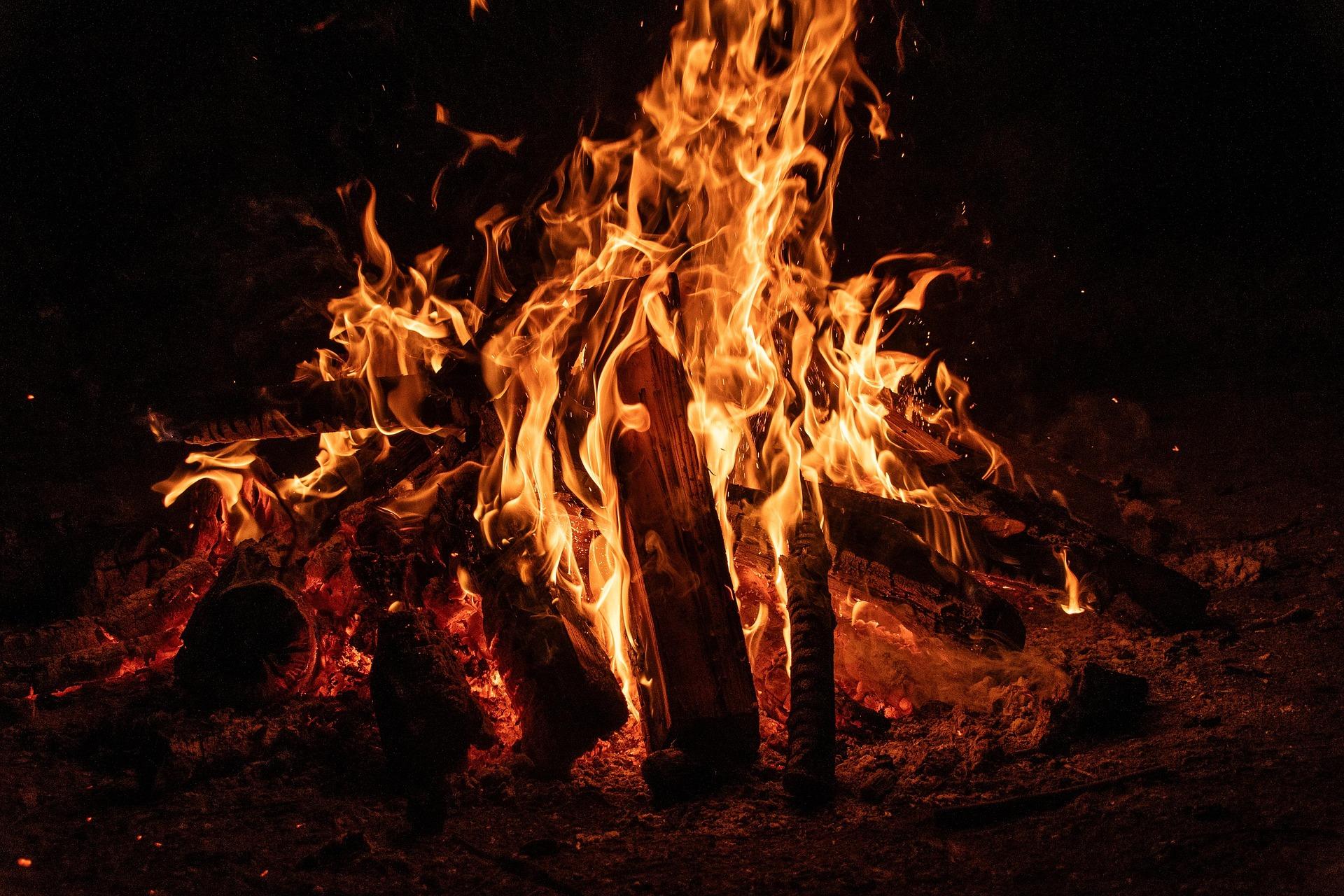
A campfire can provide useful warmth, but it should never be your only plan for staying warm.
Fire requires suitable conditions, an appropriate location, permission and supervision.
It can also be affected by wind, rain and available fuel.
If you’re relying on a fire for warmth, make sure you also have suitable clothing and shelter.
For more information, see our guides on:
How to Extinguish a Fire Safely
FIRE SAFETY
Never sit so close to a fire that your clothing, sleeping bag or equipment could catch fire.
A fire should always be supervised while it is burning.
Don’t Dry Clothing Too Close to a Fire
It can be tempting to hang wet clothing right next to a campfire.
Be very careful.
Clothing can catch fire surprisingly easily, and sparks can travel from the fire.
Keep clothing and camping equipment at a safe distance.
Never leave drying clothing unattended near flames.
REMEMBER
Warm clothing is useful. Burning clothing isn’t.
Staying Warm in Your Tent
A tent provides protection from wind and weather, but it isn’t a heater.
Avoid using equipment inside a tent that isn’t specifically designed and approved for indoor or tent use.
Never bring a lit campfire, barbecue or other fuel-burning appliance into a tent.
Carbon monoxide is an invisible, odourless and potentially fatal gas that can be produced by fuel-burning equipment.
CRITICAL SAFETY RULE
Never use a campfire, barbecue, charcoal appliance or other unsuitable fuel-burning device inside a tent.
Always follow the manufacturer’s instructions for any camping stove or heater.
Recognising When Someone Is Getting Too Cold
It’s important to recognise the signs that someone is becoming dangerously cold.
Early signs can include:
- Shivering
- Cold or pale skin
- Tiredness
- Clumsiness
- Difficulty concentrating
- Slurred speech
More serious signs can include:
- Confusion
- Increasing drowsiness
- Unusual behaviour
- Loss of coordination
- Slow or shallow breathing
- Loss of consciousness
Hypothermia is a medical emergency.
If you suspect someone has hypothermia, get them out of the cold, seek appropriate medical help and follow current first-aid guidance.
SAFETY FIRST
Don’t rely on someone who is becoming hypothermic to recognise how serious their condition is.
Confusion and unusual behaviour can be warning signs.
What to Do if Someone Is Very Cold
If someone is showing signs of serious cold exposure:
- Get them out of the cold.
- Remove wet clothing if possible.
- Replace it with dry clothing or blankets.
- Protect them from further heat loss.
- Handle them gently.
- Seek medical assistance.
- Monitor their condition.
Don’t give alcohol as a way of warming someone up.
Don’t use extreme heat, such as very hot water or placing them directly against a fire, to rapidly warm a severely cold person.
For serious symptoms, call 999.
The Cold Weather Rule
A useful outdoor habit is to think ahead.
Before going outside, ask:
What happens if the weather gets worse?
What if:
- Your clothes get wet?
- The temperature drops?
- The wind increases?
- Your fire goes out?
- You become tired?
- Someone gets injured?
- You have to stay outside longer than expected?
Having spare clothing, shelter, food, water and a way of communicating can make a huge difference.
SURVIVAL TIP
Prepare for the conditions you might face, not just the conditions you hope to get.
Common Mistakes When Trying to Stay Warm
Wearing One Huge Layer
Several adjustable layers are often more useful than one extremely thick layer.
Waiting Until You’re Cold
Put on additional insulation before you become chilled.
Getting Wet
Wet clothing makes staying warm much harder.
Forgetting the Ground
Cold ground can draw heat away while you’re sleeping.
Getting Sweaty
Too many layers during hard activity can leave you damp with sweat.
Relying Entirely on a Fire
A fire can help, but clothing and shelter are your first lines of defence.
Ignoring Early Symptoms
Don’t ignore shivering, tiredness, clumsiness or confusion.
Staying Warm Checklist
Before heading outdoors in cold conditions, consider:
Staying Warm Challenge
Next time you’re outdoors on a cold day, pay attention to how your body feels.
Ask yourself:
Am I getting too cold?
Am I getting too warm?
Are my clothes becoming damp?
Is the wind increasing?
Do I need another layer?
Have I eaten and drunk enough?
This kind of awareness is an important survival skill.
You don’t want to wait until you’re dangerously cold before taking action.
Staying Warm and Scouts
Learning how to stay warm is an important part of outdoor education.
Scouts can learn how clothing, shelter, food, activity and weather all work together.
It’s also a valuable lesson in preparation.
Being prepared doesn’t necessarily mean carrying lots of equipment.
It means understanding the conditions and making sensible decisions before they become problems.
SCOUT TIP
The best survival skill is often preparation.
Staying warm starts before you leave home.
Always follow the current Scouts guidance and your leader’s instructions when taking part in outdoor activities.
Final Thoughts
Staying warm outdoors isn’t about finding one magic trick.
It’s about putting lots of small things together.
Stay dry.
Dress in layers.
Protect yourself from wind and rain.
Insulate yourself from the ground.
Eat and drink properly.
Keep moving when appropriate.
Use shelter.
And use fire responsibly when conditions and rules allow it.
Most importantly, learn to recognise when someone is becoming dangerously cold.
Outdoor skills are about more than surviving difficult situations.
They’re about preventing those situations from happening in the first place.
With good preparation and a little knowledge, cold weather doesn’t have to stop you enjoying the outdoors.
SurvivalGuidesUK is an independent educational resource and isn’t an official Scouts website. Always follow the current Scouts programme requirements and your leader’s instructions.
SurvivalGuidesUK Safety Notice
Cold weather can become dangerous quickly. Hypothermia and other cold-related conditions can be life-threatening.
This article provides general educational information and does not replace appropriate first-aid training, medical advice, risk assessment, weather warnings or the instructions of a qualified outdoor leader.
Always check weather conditions before heading outdoors and make sure your clothing, equipment and plans are suitable for the conditions.
If someone develops serious symptoms such as confusion, severe drowsiness, loss of coordination or unconsciousness, seek emergency medical assistance. In the UK, call 999 in an emergency.
Never put yourself or others at unnecessary risk in an attempt to continue an outdoor activity.
🔒Ready to test your survival skills?
Join Survival Guides UK for free, complete challenges, earn badges and increase your Survival Level.
JOIN FREE →
CRAIG BURR
FOUNDER · SURVIVAL GUIDES UK
I'm Craig, the person behind Survival Guides UK. I created SGUK because I wanted somewhere people could learn real outdoor skills in a practical, straightforward way — from lighting a fire and tying knots to navigation, campcraft and everything in between.
You can read more about the story behind SGUK here as well as our approach here.