
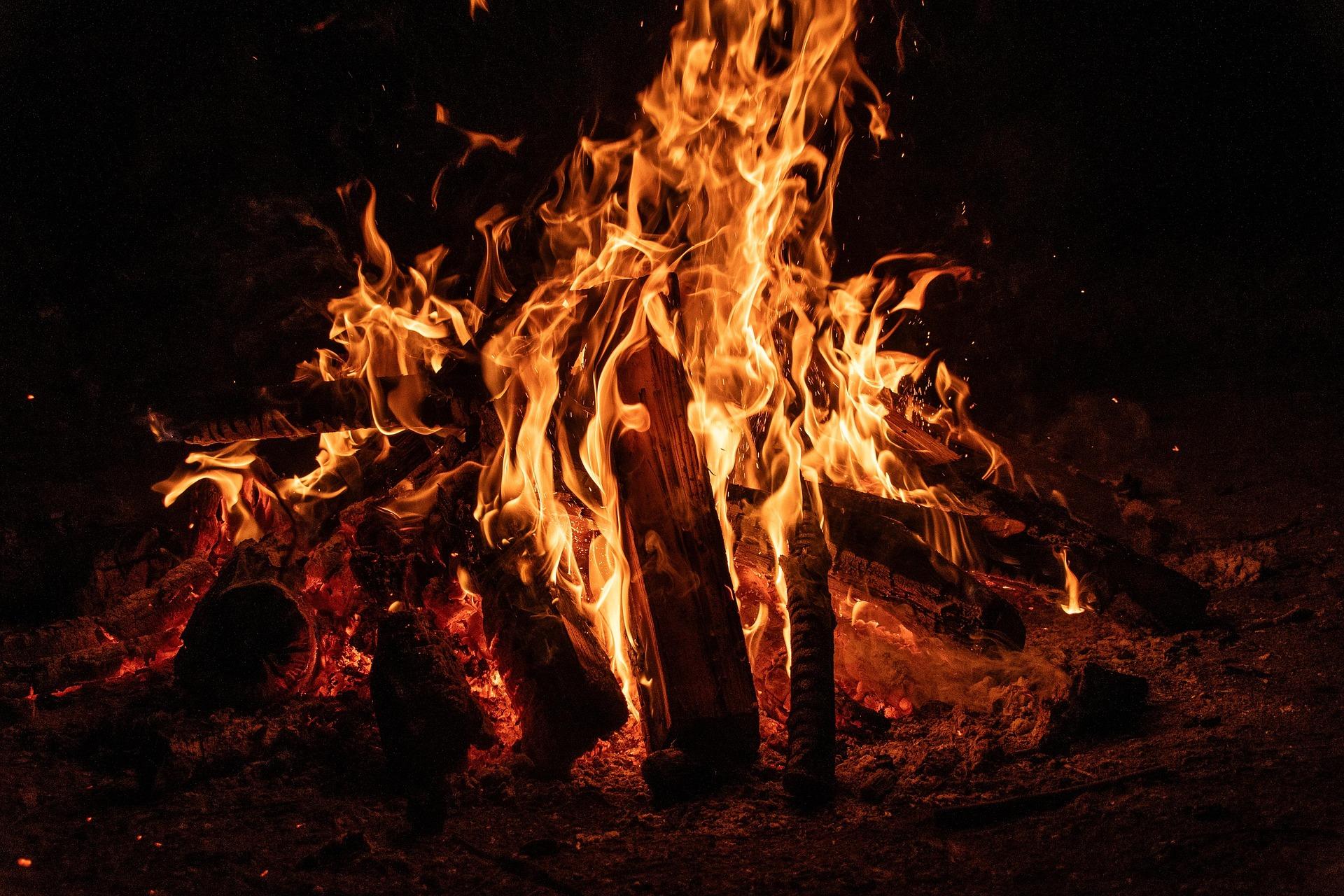
Fire Safety: A Beginner’s Guide
Staying Safe Around Fire
Fire is one of the most useful skills you can learn outdoors.
It can provide warmth, light and a way to cook, and a well-managed campfire can be a memorable part of camping or a Scout activity.
But fire should always be treated with respect.
Knowing how to light a fire is only part of the skill. A good firelighter also knows how to control the fire, keep other people safe and make sure the fire is completely out before leaving.
This guide introduces the basic principles of outdoor fire safety. It is intended for appropriate, permitted locations with suitable supervision and safety arrangements.
Safety First
Never light an open fire simply because you are outdoors.
In England, government guidance advises avoiding open fires in the countryside and only having them in safe, designated areas. Always follow local restrictions, landowner or campsite rules and the requirements of the organisation you are taking part with.
For Scout activities, follow the current Scouts safety guidance, including permission, risk assessment, appropriate supervision and an appropriate emergency plan.
FIRE SAFETY RULE
If you aren’t sure whether a fire is allowed or safe, don’t light it.
A portable camping stove may be a safer and more appropriate alternative.
Before the Fire Is Lit
Good fire safety starts before you strike a match.
Before lighting a fire, stop and look at the whole situation.
Ask yourself:
- Is a fire permitted here?
- Is the weather suitable?
- Is the ground suitable?
- Is there enough space around the fire?
- Is there anything nearby that could catch fire?
- Do I have water or suitable firefighting equipment ready?
- Is someone responsible for supervising the fire?
If the answer to any of these questions is no, stop and reconsider.
Check the Weather
Weather can change the risk of an outdoor fire considerably.
Pay particular attention to:
- Strong winds
- Changing wind direction
- Very dry conditions
- Hot weather
- Drought
- Dry grass or vegetation
- Forecast changes during the activity
Wind is particularly important.
A small ember carried by the wind can land well away from the main fire and potentially start another fire.
TOP TIP
Don’t just check the weather before lighting your fire. Keep watching it while the fire is burning.
Choose a Safe Fire Area
A fire needs a clear and appropriate location.
For an organised campfire, use the designated fire area provided by the site.
Keep the fire well away from:
- Tents
- Dry grass
- Leaves and vegetation
- Low branches
- Buildings
- Fences
- Camping equipment
- Anything else that could easily catch fire
Make sure people have enough space to move around the fire safely.
The fire should also be an appropriate size for the location and activity.
Bigger Isn’t Better
A large fire produces more heat, more sparks and more embers.
It can also be much harder to control.
A small, well-managed fire is usually easier to supervise and easier to extinguish.
REMEMBER
The best fire isn’t the biggest fire.
It’s the fire you can safely control.
The Fire Triangle
Understanding the fire triangle helps explain why fire behaves the way it does.
A fire needs three basic things:
HEAT
Something needs to provide enough heat to start combustion.
OXYGEN
Fire needs oxygen from the surrounding air.
FUEL
Something needs to burn.
These three things work together.
Remove one of them and the fire will eventually go out.
This is also the basic principle behind extinguishing a fire.
Keep Your Fire Under Control
Once the fire is burning, don’t simply leave it to get bigger.
Watch it.
Add fuel gradually and only when necessary.
Keep your firewood stored safely away from the flames and avoid creating a large pile immediately next to the fire.
Never throw wood or other objects into a fire.
Place suitable fuel onto the fire carefully.
SAFETY TIP
Never pick up burning wood with your hands.
Burning logs can contain extremely hot embers even when they don’t appear to be glowing.
Watch the Wind
Wind deserves special attention around any outdoor fire.
A fire that is perfectly manageable in calm conditions can become much more difficult to control when the wind increases.
Watch for:
- Sparks leaving the fire
- Embers being carried away
- Flames suddenly changing direction
- Smoke blowing towards people
- Dry vegetation becoming exposed to sparks
If conditions become unsafe, put the fire out.
Don’t wait for the situation to become an emergency.
People and Fire
Everyone around a campfire needs to understand the basic rules.
For children and young people, these rules should be explained before the fire is lit.
Basic Campfire Rules
- Stay a safe distance from the fire.
- Don’t run around the fire.
- Don’t reach over the flames.
- Don’t throw anything into the fire.
- Don’t wave sticks around the fire.
- Don’t pick up burning wood.
- Keep loose clothing and long hair away from flames.
- Tell an adult if something doesn’t look safe.
Scouts’ current campfire guidance includes briefing young people on these types of behaviours and ensuring appropriate supervision.
Clothing and Fire Safety
What you wear matters.
Loose clothing can easily come into contact with flames.
Take particular care with:
- Loose sleeves
- Scarves
- Untied long hair
- Loose straps
- Clothing that hangs close to the ground
Wear suitable footwear and keep your clothing under control.
REMEMBER
Never lean over a fire.
If you need to reach something on the other side, walk around the fire instead.
Never Leave a Fire Unattended
This is one of the most important rules of outdoor fire safety.
Never leave a campfire unattended.
Someone responsible should always be keeping an eye on the fire while it is burning.
Don’t assume somebody else is watching it.
If everyone needs to leave the area, put the fire out first.
This is particularly important when children or young people are involved.
Be Careful What You Burn
A campfire isn’t a rubbish bin.
Don’t throw unknown materials into the flames.
Some materials can:
- Produce harmful fumes
- Explode
- Melt and splatter
- Send burning pieces out of the fire
- Create unpredictable flames
Never use petrol, lighter fuel, alcohol or other accelerants to make a fire burn faster.
These liquids can ignite suddenly and create a serious flash fire.
NEVER DO THIS
Petrol + fire = serious danger
Never pour petrol, lighter fuel or other accelerants onto a fire.
What If Clothing Catches Fire?
If someone’s clothing catches fire, they need to act quickly.
Remember:
STOP
Don’t run.
Running can make the flames burn more rapidly.
DROP
Get down onto the ground.
ROLL
Roll over and over to help smother the flames.
Once the flames are out, appropriate first aid and medical help should be sought for burns.
For organised activities, make sure appropriate first aid arrangements are already in place.
What If the Fire Spreads?
If a fire begins spreading beyond its intended area, don’t take unnecessary risks trying to control it yourself.
Move people away from danger.
Raise the alarm and contact the emergency services if required.
In the UK, call 999 if there is an uncontrolled fire that poses a danger.
SAFETY FIRST
Your safety is more important than the fire.
Don’t put yourself at risk trying to save equipment, wood or a campfire.
Putting the Fire Out
One of the most important fire skills is knowing when — and how — to finish.
A fire isn’t necessarily out just because the flames have disappeared.
Hot embers can remain underneath ash and can stay hot for a surprisingly long time.
When you’re finished:
- Stop adding fuel.
- Allow the fire to reduce safely.
- Douse the fire thoroughly with water.
- Carefully check for remaining heat and embers.
- Continue until everything is completely out.
- Leave the area safe and tidy.
Scouts’ current guidance recommends thoroughly extinguishing campfires and dousing them with water to prevent stray sparks.
The Cold Ash Test
Don’t rely on your eyes alone.
A fire can look dead while still containing significant heat.
After extinguishing the fire, carefully check the area.
There should be:
- No flames
- No glowing embers
- No smoke
- No remaining heat
If there is still heat, the fire isn’t finished.
Continue extinguishing it until it is completely cold.
REMEMBER
No flames does not necessarily mean no fire.
Leaving the Site Safe
Your responsibility doesn’t end when the fire goes out.
Before leaving, check the whole area.
Make sure:
If you’re using a managed campsite or designated fire area, follow its instructions for dealing with ash and restoring the site.
Things You Should Never Do
Never:
Fire Safety: The Skills You’re Really Learning
Fire safety isn’t just about memorising a list of rules.
You’re learning several important outdoor skills.
AWARENESS
Can you recognise hazards before they become problems?
PLANNING
Can you prepare your equipment and safety arrangements before lighting the fire?
CONTROL
Can you keep the fire at an appropriate size?
OBSERVATION
Can you notice changes in wind, weather and the behaviour of the fire?
RESPONSIBILITY
Can you keep yourself and the people around you safe?
These are valuable skills far beyond the campfire.
Your Fire Safety Challenge
The Safety Challenge
Before your next supervised fire activity, see if you can answer all of these questions:
Can you explain why each one matters?
That’s the real challenge.
Knowing the rules is useful.
Understanding why the rules exist is what helps you make good decisions outdoors.
Scout Connection
Fire safety is an important part of learning outdoor skills within Scouting.
The exact requirements for badges and awards can change, so always check the current official Scouts requirements and speak to your leader if you’re working towards a particular badge.
Fire activities should always be carried out with appropriate adult supervision, permission and safety arrangements.
SCOUT TIP
A good Scout doesn’t just know how to light a fire.
They know how to control it, protect others and leave the site safe.
SurvivalGuidesUK is an independent educational resource and isn’t an official Scouts website. Always follow the current Scouts programme requirements and your leader’s instructions.
What’s Next?
Now that you understand the principles of fire safety, you’ve got the foundations for becoming a more responsible firelighter.
The next step is to keep building your outdoor skills.
Look at fire as more than simply making flames.
Learn to plan it, read it, control it and extinguish it properly.
Those are the skills that turn fire lighting into a genuine outdoor skill.
SurvivalGuidesUK Safety Notice
Fire can cause serious injury, property damage and wildfires.
This article provides general educational information and does not replace appropriate training, supervision, risk assessment, local restrictions, landowner requirements or organisational safety procedures.
Children and young people should only participate in fire-related activities with appropriate adult supervision and safety arrangements.
Always follow the current guidance provided by the landowner, campsite, emergency services, Scouts or other organisation responsible for the activity.
🔒Ready to test your survival skills?
Join Survival Guides UK for free, complete challenges, earn badges and increase your Survival Level.
JOIN FREE →
CRAIG BURR
FOUNDER · SURVIVAL GUIDES UK
I'm Craig, the person behind Survival Guides UK. I created SGUK because I wanted somewhere people could learn real outdoor skills in a practical, straightforward way — from lighting a fire and tying knots to navigation, campcraft and everything in between.
You can read more about the story behind SGUK here as well as our approach here.
I love this article! As an adult just now learning these skills I appreciate being reminded how important it is to continuously monitor the fire and the weather, especially the wind.
Thank you! And absolutely — wind is one of those things that can change the situation surprisingly quickly. It’s great to hear you’re learning these skills as an adult too. There’s always something new to learn outdoors!