How the Body Loses Heat: Understanding Heat Loss Outdoors
Staying warm outdoors isn’t simply about putting on more clothing or sitting next to a fire.
Your body is constantly producing heat, but it is also constantly losing heat to the surrounding environment. Understanding how that happens makes it much easier to stay warm when camping, hiking, taking part in Scout activities or spending time outdoors in cold weather.
The good news is that many of the ways we lose heat can be reduced with simple preparation.
Why Does the Body Lose Heat?
Your body works hard to maintain a fairly stable internal temperature.
Even when you’re sitting still, your body is producing heat through normal processes such as breathing, digestion and the activity of your muscles.
At the same time, heat is transferred from your warmer body to the colder environment around you.
When heat is being lost faster than your body can replace it, you begin to feel cold.
The aim of staying warm outdoors is therefore to reduce unnecessary heat loss while helping your body produce and retain enough heat.
The Four Main Ways the Body Loses Heat
Heat loss is commonly explained using four processes:
These can happen individually or at the same time.
Understanding each one gives you a useful way of thinking about staying warm outdoors.
Heat Loss Through Radiation
Radiation is heat travelling away from your body into the surrounding environment.
Your body gives off infrared energy all the time.
When you’re outside in cold conditions, particularly when exposed to a cold sky or surrounding surfaces, you can lose heat through radiation.
You don’t need to understand the physics in detail to make use of the principle.
Keeping your body covered reduces the amount of exposed skin and can help reduce heat loss.
Heat Loss Through Conduction
Conduction happens when your body comes into direct contact with something colder.
This is particularly important when camping.
For example, lying directly on cold ground can cause you to lose heat because the ground can conduct heat away from your body.
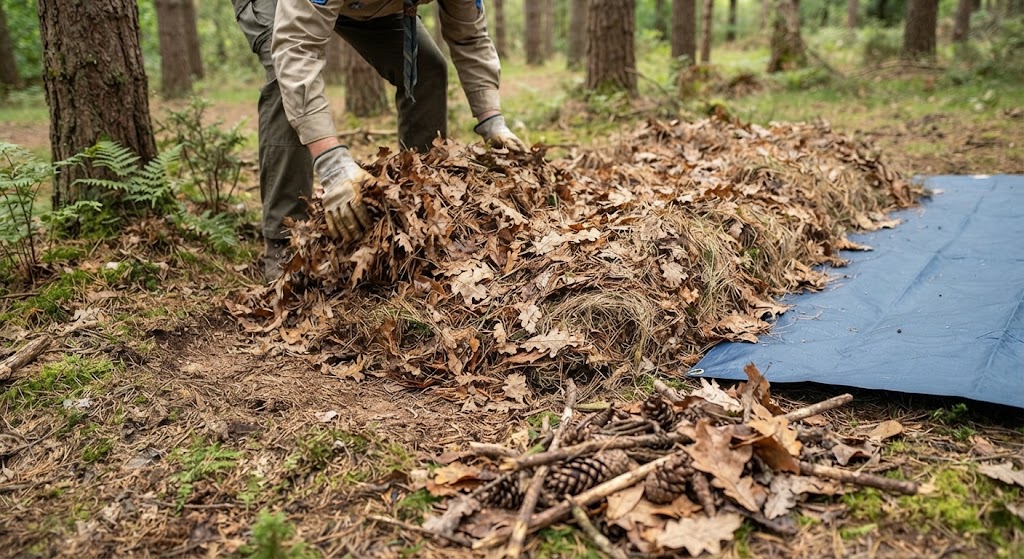
This is one reason why a suitable sleeping mat is so important.
The sleeping bag provides insulation around you, but the insulation underneath your body can be compressed and become less effective.
Why the Ground Can Make You Cold
Cold ground can draw heat away from your body surprisingly quickly.
Sitting directly on cold ground can therefore make you feel colder even if you’re wearing warm clothing.
Using an insulating layer underneath you can make a significant difference.
This could be a suitable sleeping mat when camping or an appropriate insulating layer when sitting outdoors.
Heat Loss Through Convection
Convection occurs when moving air carries heat away from your body.
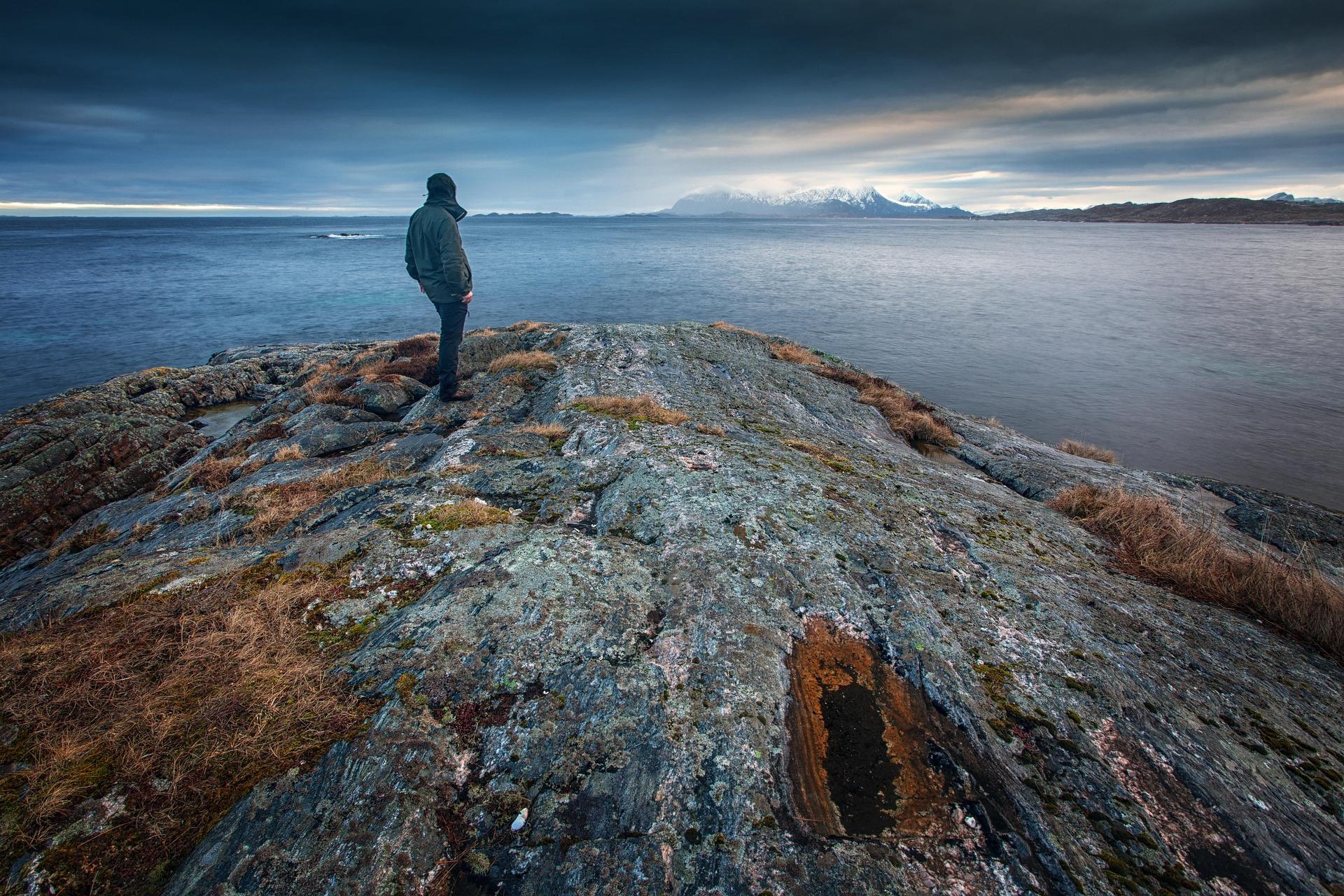
This is one reason why cold, windy weather can feel much colder than still weather at the same temperature.
A layer of relatively warm air can exist around your body.
Wind can disturb this layer and replace it with colder air.
This is why protection from wind is such an important part of staying warm outdoors.
The Effect of Wind Chill
Wind doesn’t actually make the air temperature lower, but it can increase the rate at which your body loses heat.
This makes exposed areas feel colder.
A waterproof or wind-resistant outer layer can help reduce the effect of moving air.
Finding shelter from strong wind can also make a noticeable difference.
Heat Loss Through Evaporation
Evaporation happens when moisture changes from liquid into vapour.
When sweat evaporates from your skin, it takes heat away with it.
This is useful when your body needs to cool down, but it isn’t helpful when you’re trying to stay warm in cold weather.
Wet clothing can also contribute to heat loss because moisture can make insulation less effective.
Why Staying Dry Matters
Water conducts heat much more effectively than air.
This is one reason wet clothing can make you feel dramatically colder.
Rain, splashes, damp grass and sweat can all introduce moisture into your clothing system.
Keeping your clothing and insulation dry is therefore one of the most important ways to stay warm outdoors.
Sweat Can Make You Cold
It might seem strange that sweating can be a problem in cold weather.
However, strenuous activity can cause you to sweat even when the surrounding temperature is low.
If you then stop moving, that moisture can make you feel very cold.
Managing your clothing layers allows you to remove or add insulation as your activity level changes.
Clothing and Heat Loss
Clothing doesn’t create heat.
Instead, it helps reduce the rate at which your body loses heat.
Good outdoor clothing works by trapping insulating air around your body and protecting you from wind and moisture.
This is why choosing appropriate clothing is so important for camping, hiking and other outdoor activities.
Why Layers Work
Wearing several layers gives you more control than relying on one very thick garment.
A typical layering system might include:
Base layer: Helps manage moisture next to the skin.
Insulating layer: Helps retain warm air around the body.
Outer layer: Provides protection from wind and rain.
The exact clothing required depends on the weather and activity.
The Importance of Your Extremities
Hands, feet, ears and other exposed areas can become uncomfortable quickly in cold conditions.
They have a relatively large surface area compared with their size and are often more exposed to the environment.
Good gloves, suitable socks and appropriate footwear can therefore make a major difference to comfort.
Keeping Your Head Warm
A hat can help reduce heat loss from exposed areas of the head.
More importantly, keeping your head, ears and neck protected can make you feel considerably more comfortable in cold weather.
Choose clothing appropriate for the conditions rather than relying on one item alone.
Why Your Feet Get Cold
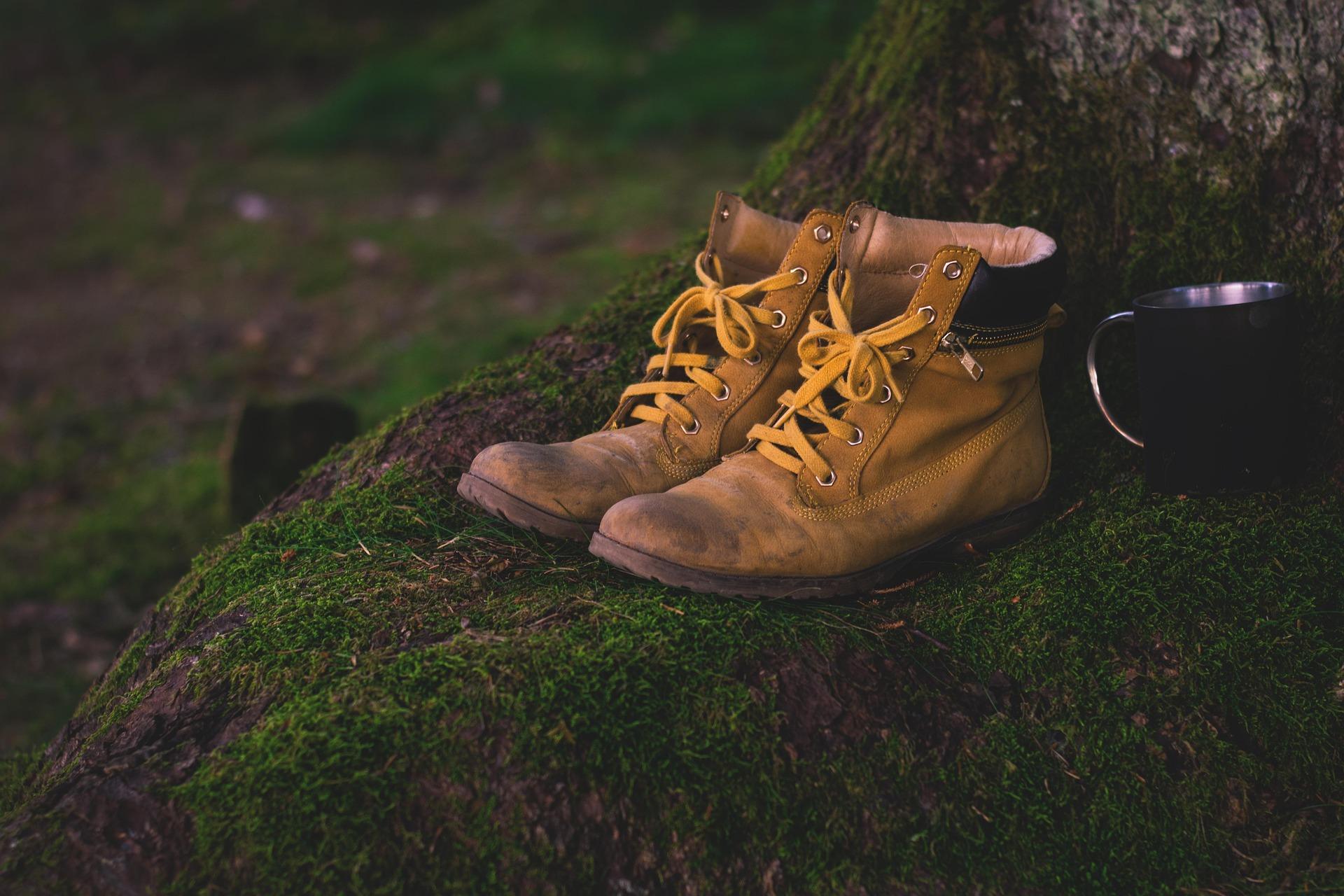
Your feet are often in contact with cold surfaces.
When camping, they may also become damp from condensation, wet ground or poorly managed footwear.
Suitable footwear, dry socks and insulation from the ground can all help.
Avoid wearing footwear that is so tight that it restricts circulation.
Why Your Hands Get Cold
Hands are exposed and can become cold quickly.
Cold conditions can also make tasks requiring fine movement more difficult.
Suitable gloves or mittens can help retain warmth.
Keep spare dry handwear available when conditions are likely to be wet.
Movement Produces Heat
Muscle activity produces heat.
Walking, carrying equipment and other physical activities can therefore help you stay warm.
However, movement shouldn’t be treated as a substitute for proper clothing or shelter.
If you are already cold, tired or becoming unwell, simply exercising harder isn’t necessarily the right solution.
Don’t Overexert Yourself
Working hard can cause sweating.
You may initially feel warmer but become colder later if damp clothing loses its insulating effectiveness.
Adjust your clothing and activity level so that you don’t become excessively sweaty.
Eating and Drinking
Your body needs energy to produce heat.
Eating normally and staying hydrated are important during outdoor activities, particularly when you’re active in cold conditions.
Warm drinks can also be comforting, although they shouldn’t be relied upon as the main way of preventing cold exposure.
Shelter Reduces Heat Loss
A good shelter can protect you from wind, rain and cold surfaces.
Even a simple reduction in exposure can make conditions more manageable.
When planning outdoor activities, consider where the group can shelter if the weather deteriorates.
A Fire Can Provide Heat
A properly managed campfire can provide warmth in situations where fires are permitted and appropriate.
However, a fire should be treated as one part of staying warm rather than the only source of protection.
Clothing, shelter and insulation remain important.
Never rely on a fire as your sole protection against cold conditions.
Why a Sleeping Bag Works
A sleeping bag helps retain a layer of warm air around your body.
Its effectiveness depends on its design, condition and suitability for the conditions.
However, a sleeping bag cannot compensate for every other problem.
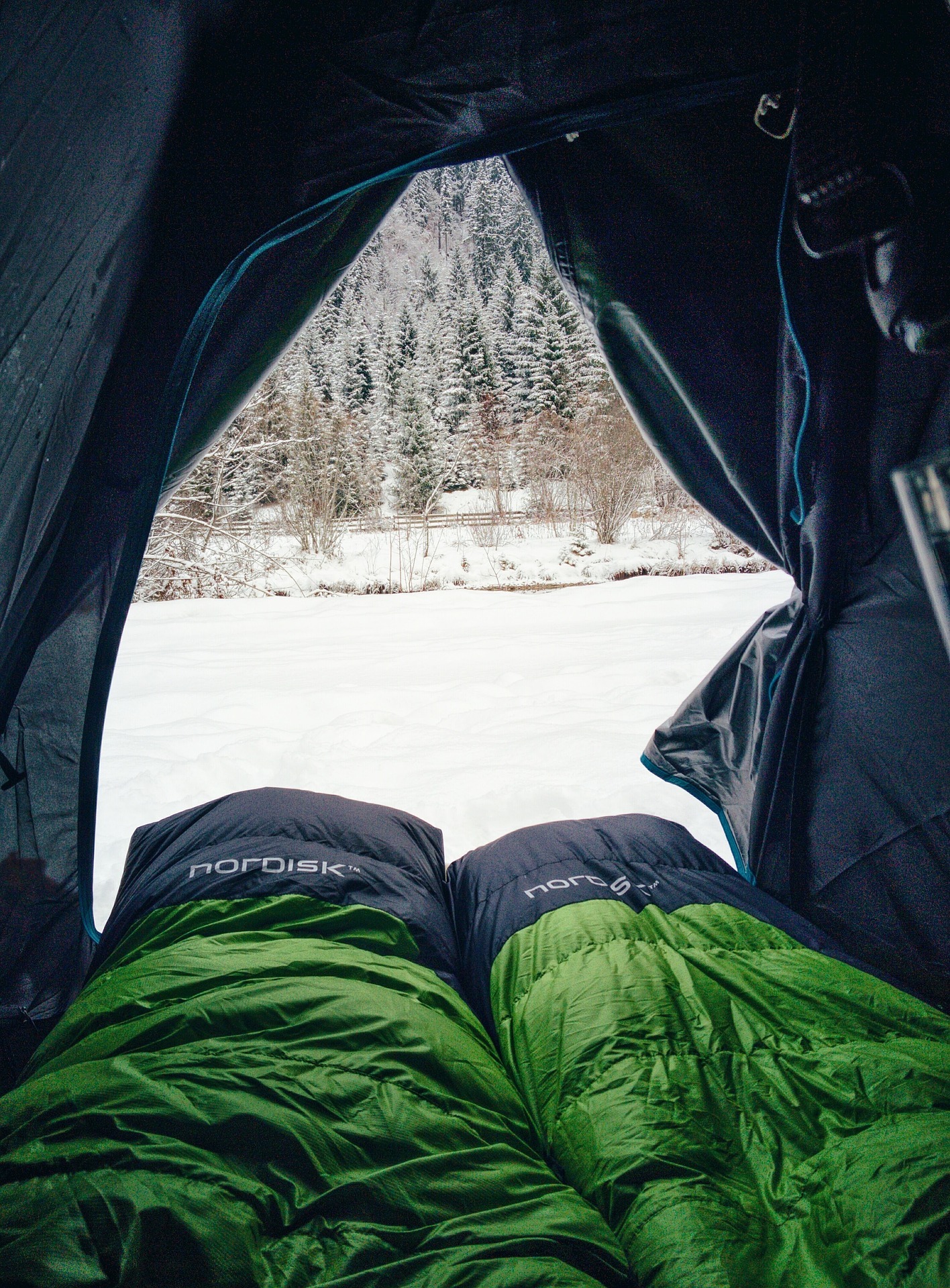
If you’re lying directly on cold ground, wearing damp clothing or sleeping in an exposed location, you can still become cold.
The Importance of a Sleeping Mat
A sleeping mat provides insulation between you and the ground.
It also reduces heat loss through conduction.
This is one reason why choosing a suitable sleeping mat can be just as important as choosing a suitable sleeping bag.
Cold and Wind Together
Cold temperatures combined with wind can increase heat loss significantly.
Wind can remove the layer of warmed air around your body and make exposed skin feel much colder.
Finding shelter and using an effective outer layer become particularly important in these conditions.
Cold and Wet Weather
Cold rain creates several heat-loss problems at once.
You can lose heat through exposure, wet clothing, evaporation and wind.
This is why waterproof clothing and good shelter planning are particularly important during UK outdoor activities.
Recognising When You’re Getting Too Cold
Feeling cold is an early warning that your body is losing heat.
Other signs can include:
These signs shouldn’t simply be ignored.
Take steps to get warm, dry and sheltered.
When Cold Becomes a Medical Emergency
If someone becomes increasingly confused, unusually drowsy, has difficulty speaking clearly, loses coordination or stops shivering despite being very cold, this can indicate serious cold exposure.
Hypothermia is a medical emergency.
Move the person to a safe, sheltered environment, remove wet clothing where practical, insulate them and seek urgent medical assistance.
In the UK, call 999 or 112 if emergency help is needed.
Don’t rely on a campfire, hot drink or vigorous exercise as the sole response to suspected hypothermia.
Preventing Heat Loss Is Easier Than Replacing It
Once someone becomes very cold, getting them comfortable again can take time.
It’s much easier to prevent excessive heat loss in the first place.
This means thinking ahead about:
Good preparation is one of the most effective survival skills.
A Simple Way to Think About Staying Warm
When you’re outside in cold weather, ask four questions:
Am I dry?
Moisture increases heat loss.
Am I protected from wind?
Moving air can remove heat quickly.
Am I insulated from the ground?
Cold surfaces can conduct heat away from the body.
Do I have enough insulation?
Use suitable clothing and shelter for the conditions.
These simple questions can help identify problems before they become serious.
Staying Warm Is About Managing Heat Loss
You don’t need to understand complex science to stay warm outdoors.
The practical principles are straightforward.
Keep yourself dry.
Protect yourself from wind.
Insulate yourself from cold surfaces.
Wear appropriate layers.
Eat and drink normally.
Use shelter when necessary.
Monitor yourself and others for signs of becoming dangerously cold.
Final Thought
Understanding how your body loses heat makes outdoor survival skills much easier to understand.
Instead of simply thinking “I’m cold”, you can start asking why you’re cold and what can be changed.
Perhaps your clothing is wet. Maybe you’re sitting on cold ground. Perhaps the wind is reaching you or you’ve stopped moving.
Once you understand the cause, you can take sensible steps to reduce heat loss.
Staying warm isn’t just about creating heat. It’s about keeping the heat you already have.
🔒Ready to test your survival skills?
Join Survival Guides UK for free, complete challenges, earn badges and increase your Survival Level.
JOIN FREE →
CRAIG BURR
FOUNDER · SURVIVAL GUIDES UK
I'm Craig, the person behind Survival Guides UK. I created SGUK because I wanted somewhere people could learn real outdoor skills in a practical, straightforward way — from lighting a fire and tying knots to navigation, campcraft and everything in between.
You can read more about the story behind SGUK here as well as our approach here.