
How Wind Increases Heat Loss Outdoors
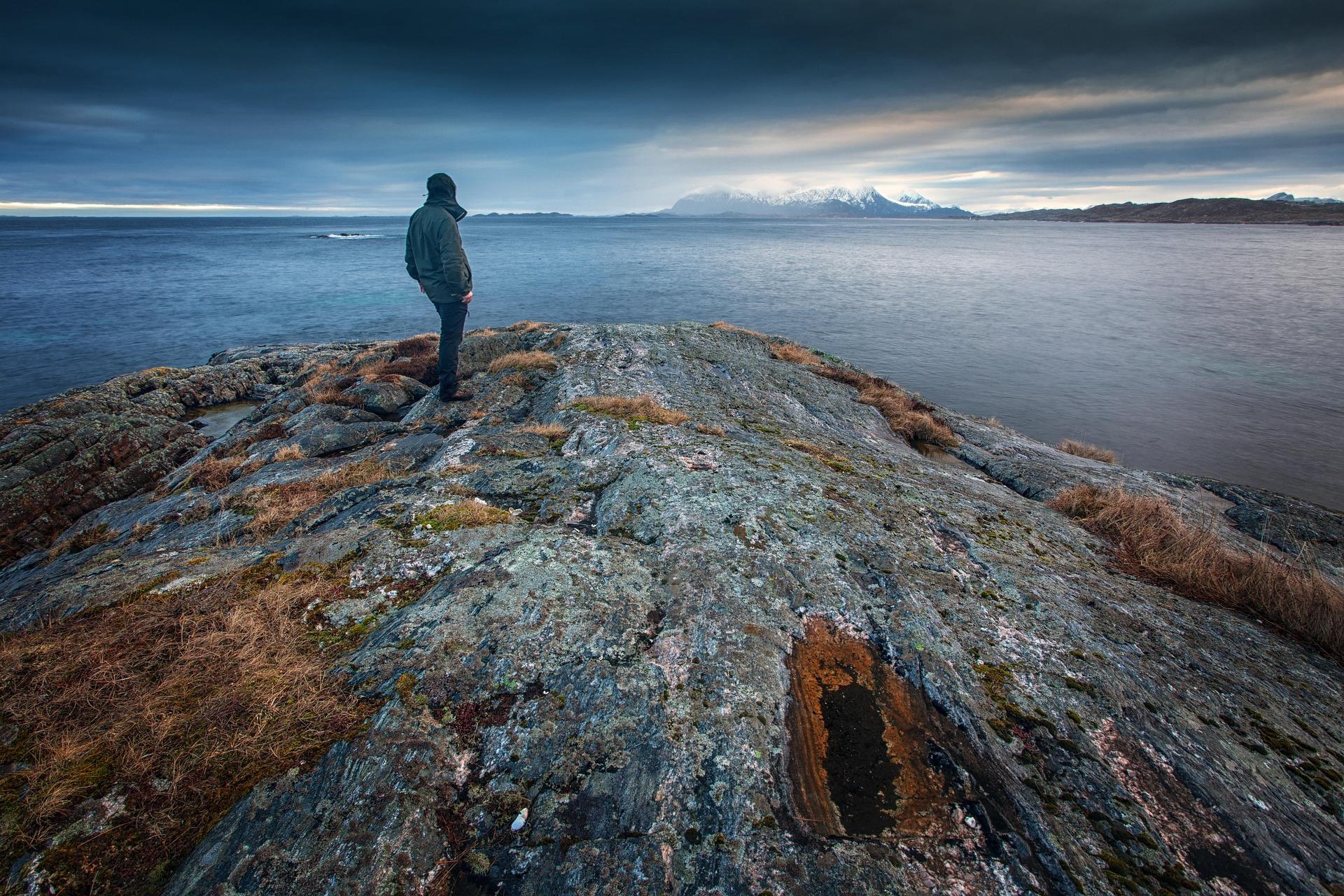
Wind can make cold weather feel much harsher than the temperature alone suggests.
When you’re outdoors, moving air can increase the rate at which your body loses heat. This is particularly important during hiking, camping, Scout activities and other outdoor activities where you may be exposed to the weather for long periods.
Understanding how wind increases heat loss helps you make better decisions about clothing, shelter and activity planning.
Why Does Wind Make You Colder?
Your body warms the thin layer of air immediately surrounding your skin and clothing.
When the air is still, this layer can provide a small amount of insulation.
Wind continually replaces that warmed air with colder air.
This increases heat loss and can make you feel significantly colder.
The effect is particularly noticeable when you’re already exposed to low temperatures.
Wind and Convection
The main process involved is called convection.
Convection occurs when moving air carries heat away from your body.
The stronger the wind, the more quickly the layer of warmed air around you can be replaced.
This is why a calm day and a windy day can feel very different even when the thermometer shows the same temperature.
What Is Wind Chill?
Wind chill describes how cold conditions can feel to exposed skin when wind is taken into account.
For example, a cold but calm day may feel manageable, while the same temperature accompanied by a strong wind can feel much harsher.
Wind chill is particularly useful when considering exposure.
However, it is important to understand that wind chill doesn’t mean the actual air temperature has changed.
Wind Doesn’t Actually Lower the Air Temperature
If the air temperature is 5°C, strong wind doesn’t make the air itself become a lower temperature.
Instead, the wind can increase the rate at which your body loses heat.
This distinction is useful when understanding weather forecasts and planning outdoor activities.
Why Wind Matters More When You’re Cold
If you’re already losing heat because of low temperatures, additional heat loss from wind can make the situation worse.
This is especially important when:
Wind should therefore be considered alongside temperature rather than separately.
Wet and Windy Conditions Are Particularly Uncomfortable
Rain and wind can work together to increase heat loss.
Water can reduce the insulating effectiveness of clothing, while wind can remove heat from the surface of wet clothing.
This is one reason wet and windy weather can become uncomfortable very quickly.
A waterproof outer layer can help protect your insulation from rain.
Why Waterproof Clothing Helps
A waterproof outer layer can reduce the amount of rain reaching your insulating layers.
It can also provide some protection from wind.
This makes a suitable waterproof jacket useful in both rainy and windy conditions.
However, waterproof clothing needs to be appropriate for the activity and used correctly.
Windproof and Waterproof Aren’t Exactly the Same
Some garments are designed primarily to block wind, while others are designed to protect against rain.
Many modern outdoor jackets provide both functions.
Check the manufacturer’s specifications rather than assuming every waterproof garment is equally effective against wind or every windproof garment is waterproof.
Use Layers to Deal With Wind
A good layering system allows you to combine insulation with weather protection.
Your insulating layer helps trap warm air.
Your outer layer can reduce exposure to wind and rain.
Together, these layers can be much more effective than relying on a single thick garment.
Your Outer Layer Is Particularly Important
The outer layer is the first line of defence against the wind.
A suitable jacket can reduce the movement of air through your clothing system.
This helps protect the warmer air trapped within your insulating layers.
Don’t Leave Gaps in Your Clothing
Wind can enter through exposed areas around:
Make sure clothing is adjusted appropriately for the conditions.
A warm jacket is less useful if strong wind can easily enter underneath it.
Protect Your Neck
The neck can be an exposed area in windy weather.
A neck gaiter, scarf or suitable clothing collar can provide additional protection.
Avoid making anything excessively tight or restrictive.
Protect Your Hands
Hands can become cold quickly in windy conditions.
Suitable gloves or mittens provide insulation and reduce exposure.
Keep a spare pair dry if you’re likely to be outside for a prolonged period.
Protect Your Feet
Wind can make already cold feet feel considerably more uncomfortable.
Suitable socks and footwear provide insulation, while trousers and gaiters can help reduce exposure around the lower legs in some conditions.
Keep your feet dry as well as protected from wind.
Use Natural Windbreaks
You don’t always need a purpose-built shelter.
Hedges, woodland and suitable terrain can provide some protection from wind.
However, choose natural shelter carefully.
Don’t shelter underneath unstable trees or branches simply because they appear to block the wind.
Use Buildings and Structures Where Appropriate
Buildings can provide excellent protection from wind.
If you’re taking part in an outdoor activity and conditions deteriorate, moving to a safe building or sheltered location may be the sensible choice.
Knowing where suitable shelter is located should be part of good activity planning.
Choose Your Campsite Carefully
Wind exposure is particularly important when camping.
A very exposed campsite can make a cold night considerably more uncomfortable.
When choosing a campsite, consider the direction and strength of prevailing winds as well as the terrain.
Avoid locations that introduce other hazards simply because they offer better shelter.
Don’t Camp Under Unstable Trees
Woodland may provide useful shelter from wind, but trees can also become a hazard during strong weather.
Dead branches can fall, and damaged trees may become unstable.
Avoid pitching tents beneath potentially dangerous trees.
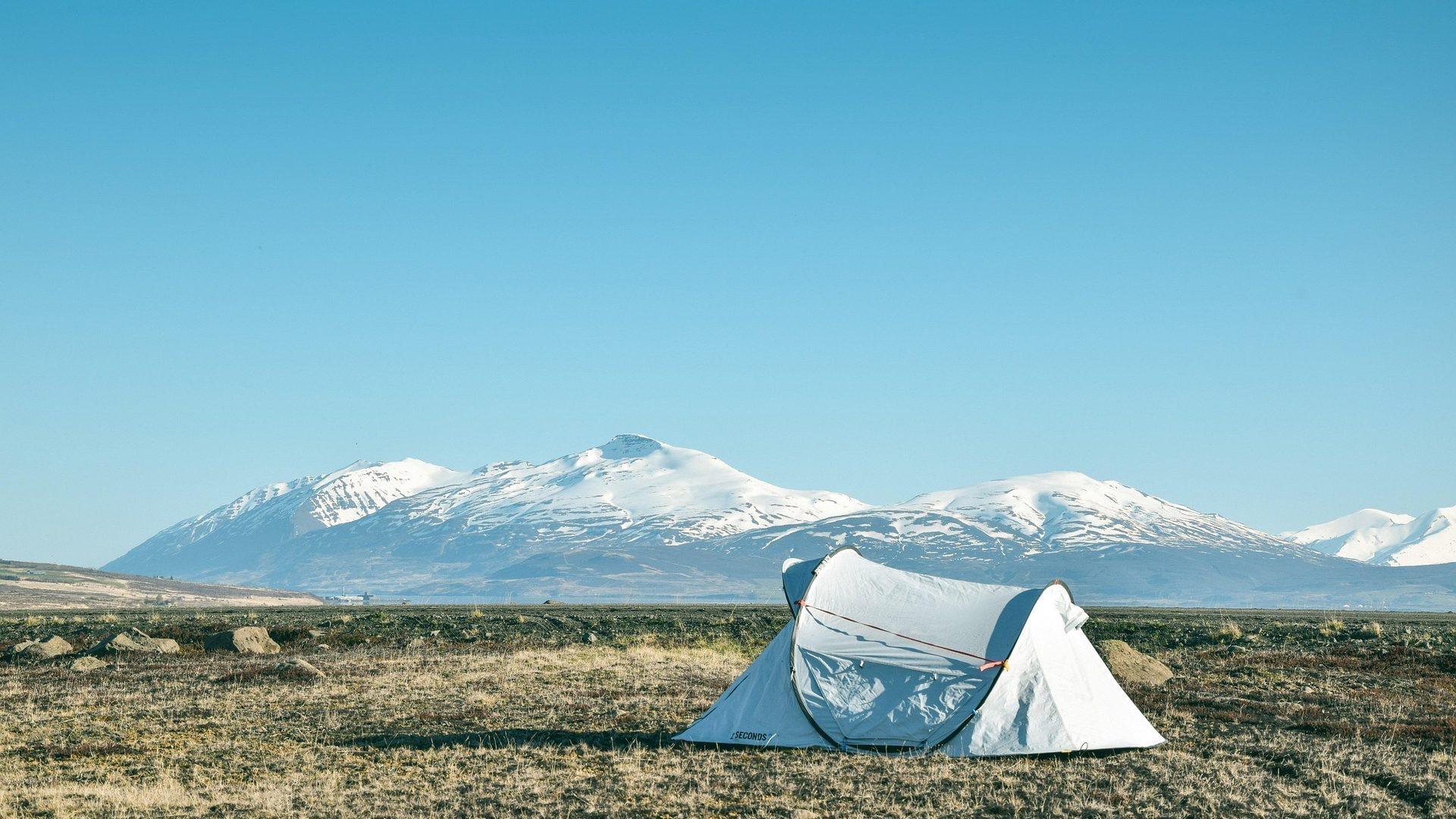
Pitch Your Tent Properly
A correctly pitched tent can provide considerably better protection from wind than a poorly pitched one.
Follow the manufacturer’s instructions.
Use suitable pegs and guy lines where provided.
Make sure the tent is secure before conditions deteriorate.
Guy Lines Can Make a Difference
Guy lines help stabilise many tents in windy conditions.
Use them correctly and ensure they are visible enough to reduce the risk of people tripping over them.
Check them during the night if conditions are particularly windy.
Wind Can Make Camping Equipment Colder
Wind doesn’t only affect people.
It can make wet clothing, tents and other equipment feel much colder.
Keep spare clothing and sleeping equipment protected from the weather.
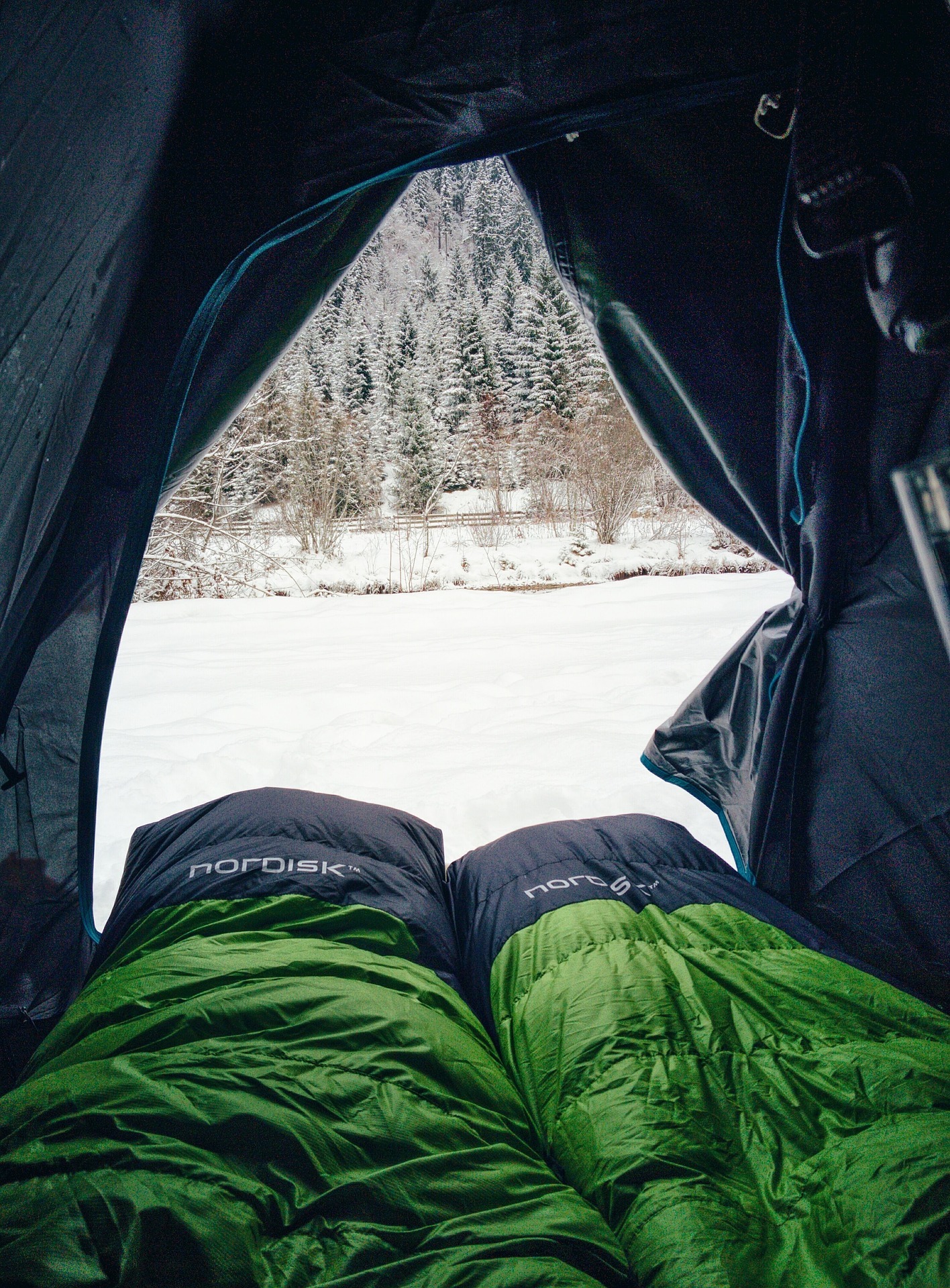
Keep Your Sleeping Bag Away From Tent Walls
Strong wind can cause tents to move.
If your sleeping bag is pressed against a damp tent wall, moisture can transfer onto the insulation.
Try to maintain a small gap where practical.
Good ventilation also helps manage condensation.
Wind and Sleeping Mats
Wind doesn’t directly conduct heat through a sleeping mat in the same way cold ground does.
However, a strong breeze can make the overall environment colder and increase exposure if your shelter isn’t adequate.
A suitable sleeping mat remains important because it reduces conductive heat loss to the ground.
Wind When Hiking
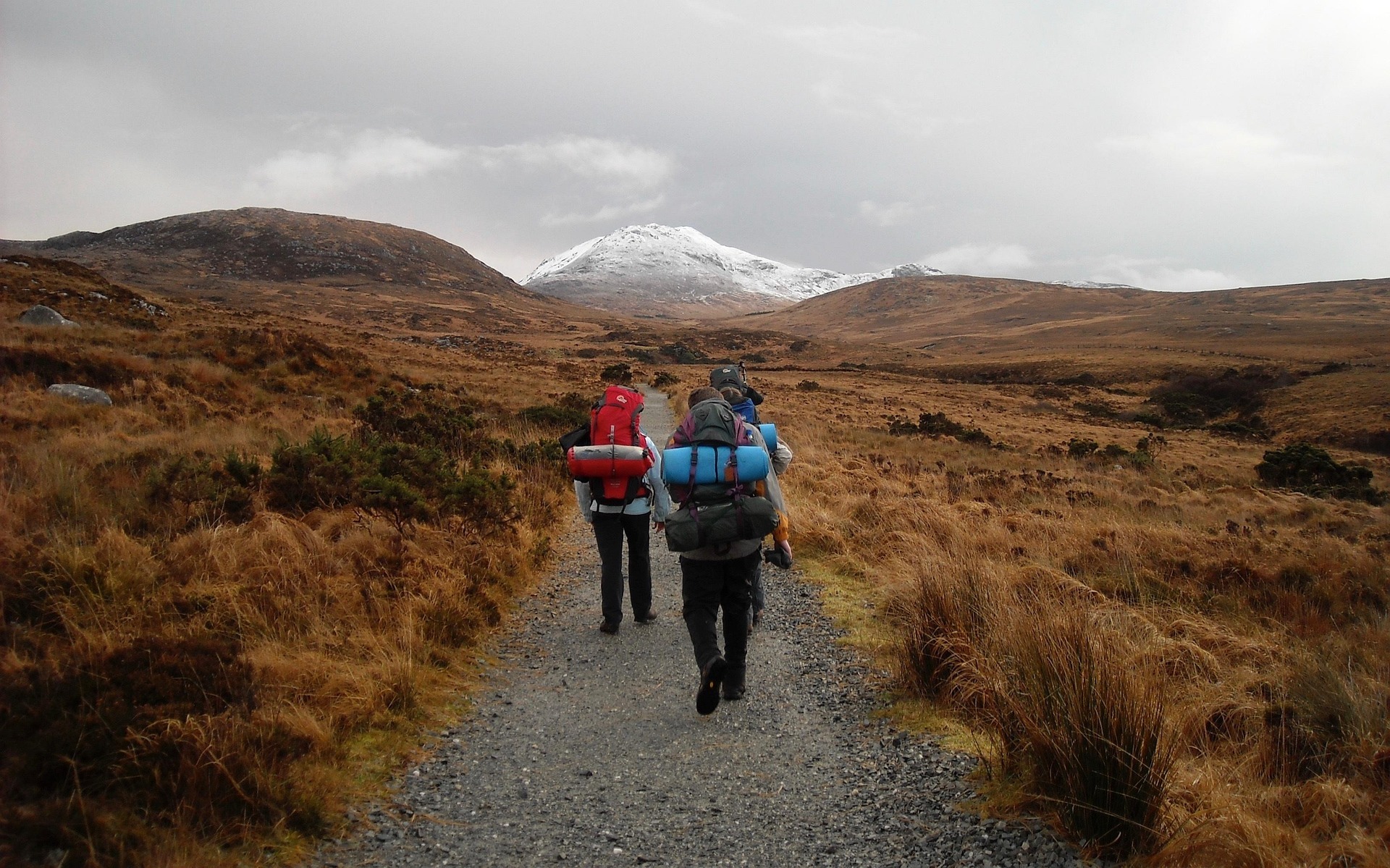
Wind exposure can change dramatically during a walk.
You may be sheltered in woodland and then suddenly emerge onto open ground.
This is why keeping an outer layer accessible is important.
Don’t bury your waterproof or windproof jacket at the bottom of your rucksack.
Put Your Outer Layer On Before You Need It
If you know you’re approaching an exposed section of a route, put your outer layer on before you become cold.
Preventing excessive heat loss is easier than trying to recover after you’ve become chilled.
This is a useful habit for both adults and Scouts.
Wind and Physical Activity
When you’re moving, your body generates heat.
This can make you feel comfortable even in cold conditions.
However, stopping suddenly can reveal how cold the environment actually is.
Put on an additional layer before taking a long break.
Avoid Sweating in Strong Wind
Sweating can become particularly problematic in windy conditions.
If your clothing becomes damp with sweat, stopping in a strong wind can make you cold quickly.
Adjust your layers during strenuous activity.
The aim is to remain comfortably warm without becoming excessively sweaty.
Wind and Scout Activities
Scout activities often involve periods of movement followed by standing around.
A group might be running around during a game and then spend several minutes listening to instructions.
Wind can make these inactive periods much colder.
Leaders should consider wind exposure when deciding where to run an activity and where the group will stand during briefings.
Younger Scouts May Feel the Cold Quickly
Younger Scouts may not always recognise how quickly they are becoming cold.
They can also become absorbed in activities and forget to adjust their clothing.
Leaders should monitor the group and encourage Scouts to speak up if they’re cold, wet or uncomfortable.
Wind Can Affect Activity Decisions
Strong winds can change whether an activity is appropriate.
Consider postponing or adapting activities where conditions create additional hazards.
For example, high winds can make woodland areas, exposed terrain and temporary structures more hazardous.
Good outdoor leadership means adapting plans to the actual conditions.
Don’t Focus Only on Temperature
When checking the weather before an outdoor activity, look at more than the temperature.
Consider:
A relatively mild temperature can still become challenging when combined with strong wind and rain.
What to Do If Someone Is Becoming Cold
If someone is becoming cold, reduce their exposure to wind as quickly as practical.
Move them to a sheltered location.
Add dry insulating layers.
Replace wet clothing where possible.
Monitor how they’re responding.
Don’t simply leave someone standing in the wind while waiting for them to warm up.
Recognising More Serious Cold Exposure
Watch for:
These can indicate that cold exposure is becoming more serious.
If someone is seriously affected by cold, move them to a safe sheltered location, remove wet clothing where practical, add dry insulation and seek medical assistance.
Call 999 or 112 in an emergency.
How to Reduce Wind-Related Heat Loss
The basic principles are simple:
Block the wind.
Stay dry.
Wear suitable layers.
Protect exposed areas.
Use shelter when needed.
Keep spare clothing dry.
Avoid excessive sweating.
Don’t wait until you’re already very cold before taking action.
Final Thought
Wind can turn an ordinary cold day into a much more challenging outdoor environment.
Understanding how wind increases heat loss helps you make better decisions about clothing, shelter and activity planning.
You don’t have to avoid windy weather altogether. The important thing is to understand the conditions and prepare appropriately.
When the wind gets stronger, protecting the warm air around your body becomes even more important.
🔒Ready to test your survival skills?
Join Survival Guides UK for free, complete challenges, earn badges and increase your Survival Level.
JOIN FREE →
CRAIG BURR
FOUNDER · SURVIVAL GUIDES UK
I'm Craig, the person behind Survival Guides UK. I created SGUK because I wanted somewhere people could learn real outdoor skills in a practical, straightforward way — from lighting a fire and tying knots to navigation, campcraft and everything in between.
You can read more about the story behind SGUK here as well as our approach here.