How to Prevent Heat Loss Outdoors
Knowing how to prevent heat loss outdoors is an important part of staying safe and comfortable in cold weather.
Whether you’re hiking, camping, taking part in a Scout activity or simply spending time outside, your body is constantly losing heat to its surroundings. In mild conditions this is usually nothing to worry about, but cold temperatures, wind, rain and prolonged exposure can cause heat loss to become a serious problem.
The good news is that you can reduce heat loss with some straightforward outdoor skills. The key is to protect yourself from wind and moisture, use suitable insulation and avoid allowing your body temperature to drop unnecessarily.
Why Does Your Body Lose Heat?
Your body is constantly producing heat, but it is also constantly losing some of that heat to the environment.
The balance between heat production and heat loss determines whether you remain warm or become progressively colder.
Heat can be lost through several processes, including:
Understanding these processes makes it easier to understand how clothing, shelter and outdoor equipment help keep you warm.
The Four Main Ways You Lose Heat
Radiation
Your body naturally gives off heat to its surroundings.
This can happen even when the air isn’t moving.
Insulating clothing helps reduce this heat loss by trapping warm air close to your body.
Conduction
Conduction happens when heat moves from your body into a colder surface that you’re touching.
Cold ground is a particularly important example.
Sitting or lying directly on cold ground can draw heat away from your body, which is why a sleeping mat is so important when camping.
Convection
Convection involves moving air carrying heat away from your body.
Wind can make this particularly noticeable.
A suitable outer layer can help block wind and reduce the amount of warm air being removed from around your body.
Evaporation
When water evaporates from your skin or clothing, it takes heat with it.
This is one reason wet clothing can make you cold.
Sweat can also become a problem during physical activity because damp clothing may cool you rapidly once you stop moving.
Keep Yourself Dry
One of the most effective ways to reduce heat loss is to stay dry.
Rain, snow, wet grass and damp ground can all introduce moisture.
Wear suitable waterproof clothing when necessary and keep spare clothing protected from the weather.
If your clothing becomes soaked, find suitable shelter and change into dry clothing when possible.
Protect Yourself From Wind
Wind can significantly increase heat loss.
Even if the temperature hasn’t changed, strong wind can make you feel much colder because moving air removes the warm layer of air around your body.
A windproof outer layer can help.
Sheltering behind a suitable building, hedge, terrain feature or other safe windbreak can also reduce exposure.
Use Layers to Trap Warm Air
Layers work by creating pockets of air around your body.
A typical outdoor clothing system includes a moisture-managing base layer, an insulating middle layer and an outer layer that protects against wind and rain.
The exact combination depends on the activity and weather.
The important principle is to have enough insulation while being able to adjust your clothing as conditions change.
Don’t Wait Until You’re Freezing
It’s easier to prevent excessive heat loss than to recover after becoming very cold.
If the temperature is dropping, put on an additional layer before you’re shivering.
If rain is approaching, put on waterproof clothing before your clothes become soaked.
Good outdoor judgement involves anticipating changes rather than reacting once you’re already uncomfortable.
Avoid Getting Too Sweaty
It might seem strange to talk about sweating when discussing cold weather, but it is important.
Physical activity produces heat.
If you’re wearing too many layers while hiking uphill or carrying a heavy rucksack, you may become sweaty.
That moisture can make you colder when you stop.
Adjust your layers according to your activity level.
Keep Spare Clothing Dry
Spare clothing is particularly valuable in poor weather.
A dry fleece, insulated jacket, hat, gloves or socks can make a significant difference if your original clothing becomes wet.
Store spare clothing inside waterproof bags rather than relying entirely on your rucksack’s fabric to keep everything dry.
Protect Your Head and Neck
Your head and neck are exposed areas that can become uncomfortable in cold weather.
A suitable hat and neck covering can help provide additional insulation.
However, keeping your head warm shouldn’t be treated as a replacement for proper insulation across the rest of your body.
Protect Your Hands and Feet
Hands and feet can become cold quickly because they’re exposed and often have less insulation than the torso.
Suitable gloves, socks and footwear can help reduce heat loss.
Keep spare socks and gloves dry when conditions make them likely to get wet.
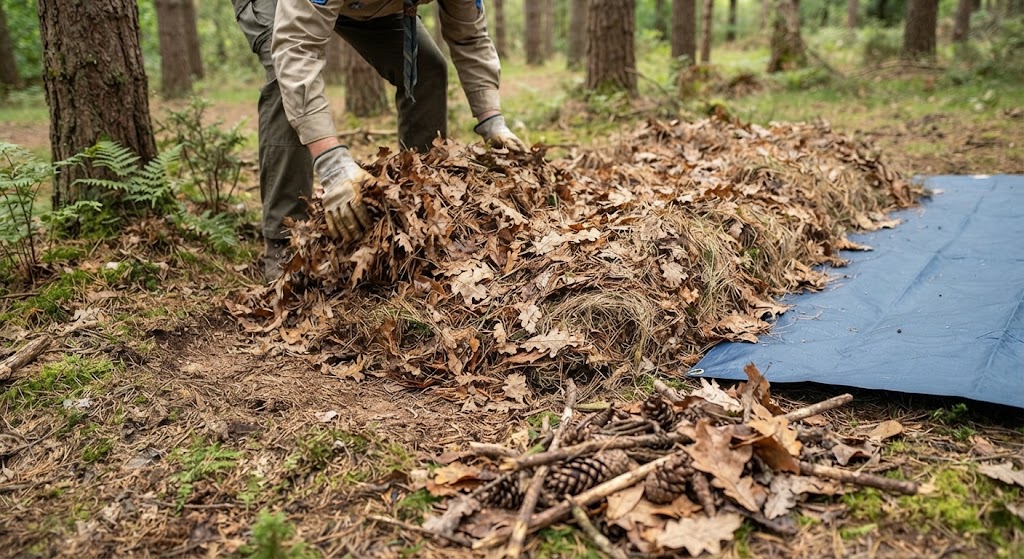
Insulate Yourself From the Ground
Cold ground can remove heat through conduction.
This becomes especially important when camping or sitting still outdoors.
Use a suitable sleeping mat when sleeping and a sit mat or other appropriate insulation when sitting for long periods.
Your rucksack can sometimes provide an additional barrier in an emergency, although it should not replace proper equipment.
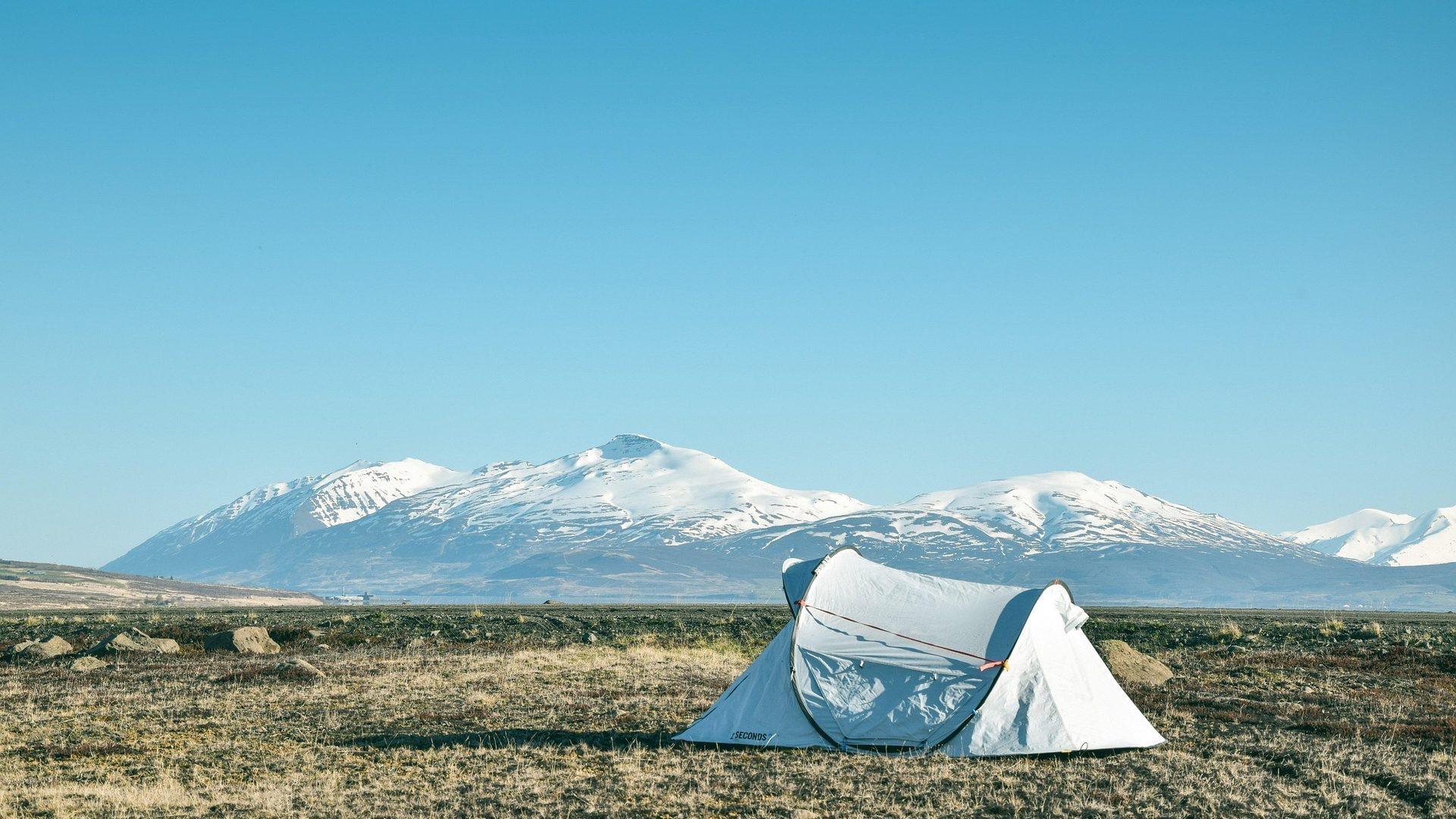
Choose Your Campsite Carefully
Where you spend the night can affect how much heat you lose.
A sheltered campsite can reduce exposure to wind.
However, don’t choose a location solely because it feels sheltered.
Avoid areas that could flood or locations beneath unstable trees or branches.
The safest campsite is one that provides reasonable protection while avoiding environmental hazards.
Use Shelter to Reduce Heat Loss
A shelter creates a barrier between you and the surrounding environment.
It can reduce exposure to wind and precipitation and help you retain body heat.
This might be a tent, building, vehicle or another appropriate shelter.
You don’t necessarily need to build a complicated survival shelter.
Use existing safe shelter where possible.
Reduce Exposure to Cold Surfaces
Cold objects and surfaces can conduct heat away from your body.
This includes rocks, wet ground, metal structures and other cold materials.
If you need to sit or lie down, put an insulating layer between yourself and the surface.
Keep Your Sleeping System Dry
When camping, your sleeping bag and sleeping mat form an important part of your insulation system.
Keep your sleeping bag dry and use a suitable sleeping mat underneath you.
Wet clothing should be kept away from your sleeping equipment where possible.
A damp sleeping bag can lose insulating effectiveness and make it much harder to stay comfortable overnight.
Keep Moving When Appropriate
Physical activity produces heat.
Walking and other moderate activities can help maintain body warmth.
However, movement isn’t a substitute for proper clothing and shelter.
Don’t deliberately exercise to exhaustion simply because you’re cold.
The aim is to maintain warmth without becoming sweaty or exhausted.
Don’t Stand Around in Wet Clothing
You can become cold surprisingly quickly when you stop moving.
This is particularly relevant during outdoor activities where people alternate between active periods and waiting around.
If you’re wet, cold and standing still, take action early.
Put on a suitable insulating layer, find shelter or change into dry clothing where appropriate.
Eat and Drink Normally
Your body needs energy to function and maintain its temperature.
When spending prolonged periods outdoors, make sure you’re eating and drinking normally.
Cold weather can make people less aware of thirst, so don’t forget to drink.
Food and drink support your body’s normal processes, but they don’t replace suitable insulation.
Warm Drinks Can Help With Comfort
A warm, non-alcoholic drink can be comforting in cold weather.
It may provide some temporary warmth, but it shouldn’t be relied upon as the main way of preventing heat loss.
Your clothing and shelter remain much more important.
Avoid Alcohol as a Warming Strategy
Alcohol can create a sensation of warmth while affecting judgement and the body’s normal temperature regulation.
It isn’t an appropriate method of preventing heat loss outdoors.
Use Emergency Equipment Wisely
An emergency blanket can be useful as part of an emergency kit.
It can reflect some radiant heat and provide a barrier against wind and rain.
However, it shouldn’t be treated as a replacement for proper outdoor clothing.
Use emergency equipment alongside suitable insulation and shelter.
Don’t Rely on a Fire
A fire can provide warmth, but preventing heat loss shouldn’t depend entirely on being able to light one.
Fires may not be permitted, practical or safe in some locations.
Good outdoor skills include knowing how to stay warm through clothing, shelter and insulation as well.
Be Careful With Artificial Heat
If you’re cold, it can be tempting to get extremely close to a fire, heater or other heat source.
Avoid placing cold or numb skin directly against intense heat.
This can cause burns, particularly when sensation has been reduced.
Fuel-burning equipment such as camping stoves should never be used as improvised heaters inside tents or other poorly ventilated spaces because of fire and carbon monoxide risks.
Plan for the Weather
Preventing heat loss starts before you leave home.
Check the forecast and consider:
Don’t plan an activity based solely on the daytime temperature if you’ll still be outside after dark.
Pack for Conditions, Not Just the Forecast
Weather forecasts can change.
If you’re going somewhere exposed or remote, carrying a little additional protection can be sensible.
A waterproof jacket, warm insulating layer, hat, gloves and spare socks can all be useful depending on the activity.
Keep essential clothing accessible.
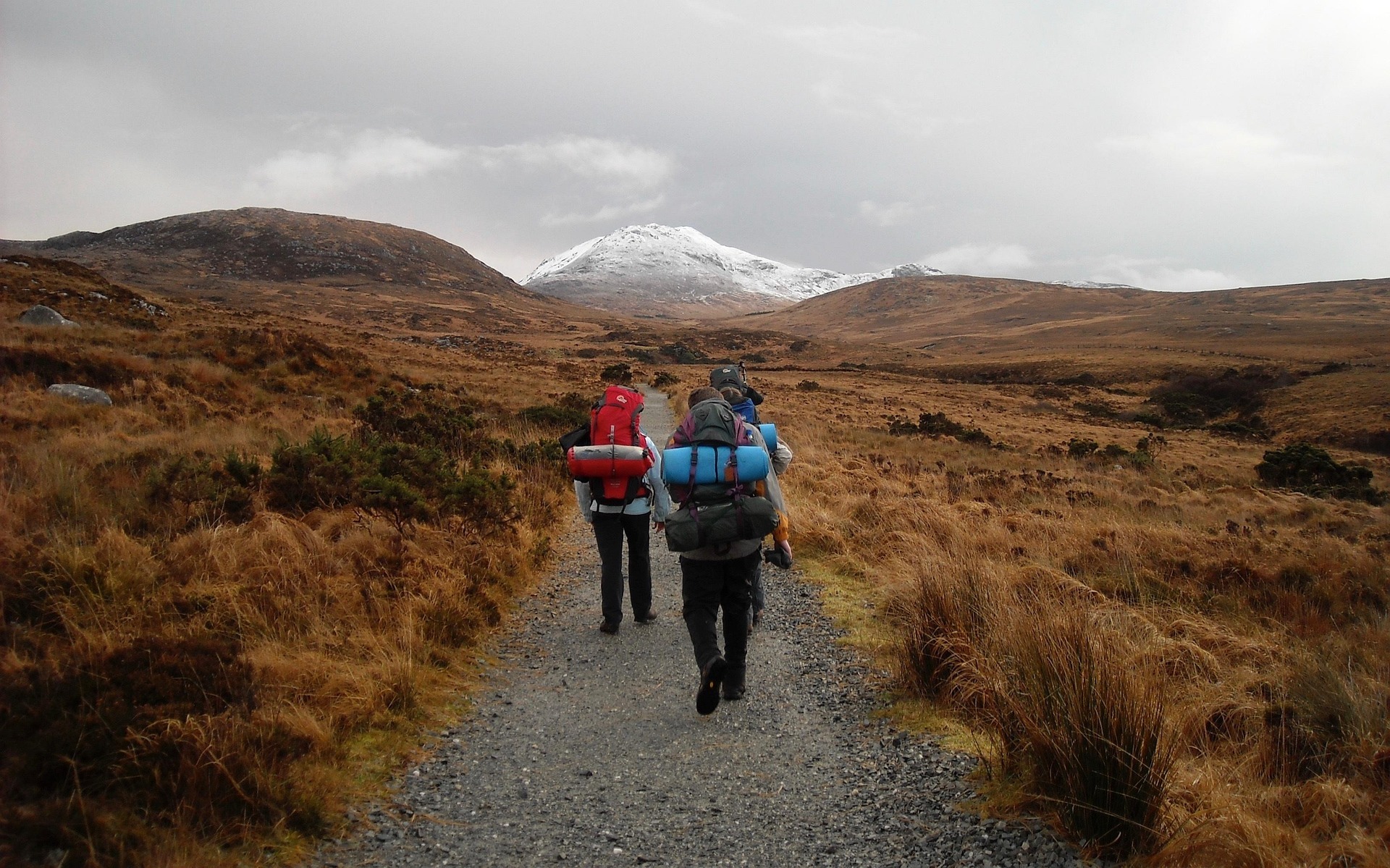
Prevent Heat Loss During Hiking
Hiking generates body heat, but conditions can change quickly.
You may be warm while climbing but become cold during a break.
This is why experienced walkers often adjust clothing before stopping.
Put on an extra layer before sitting down rather than waiting until you’re already cold.
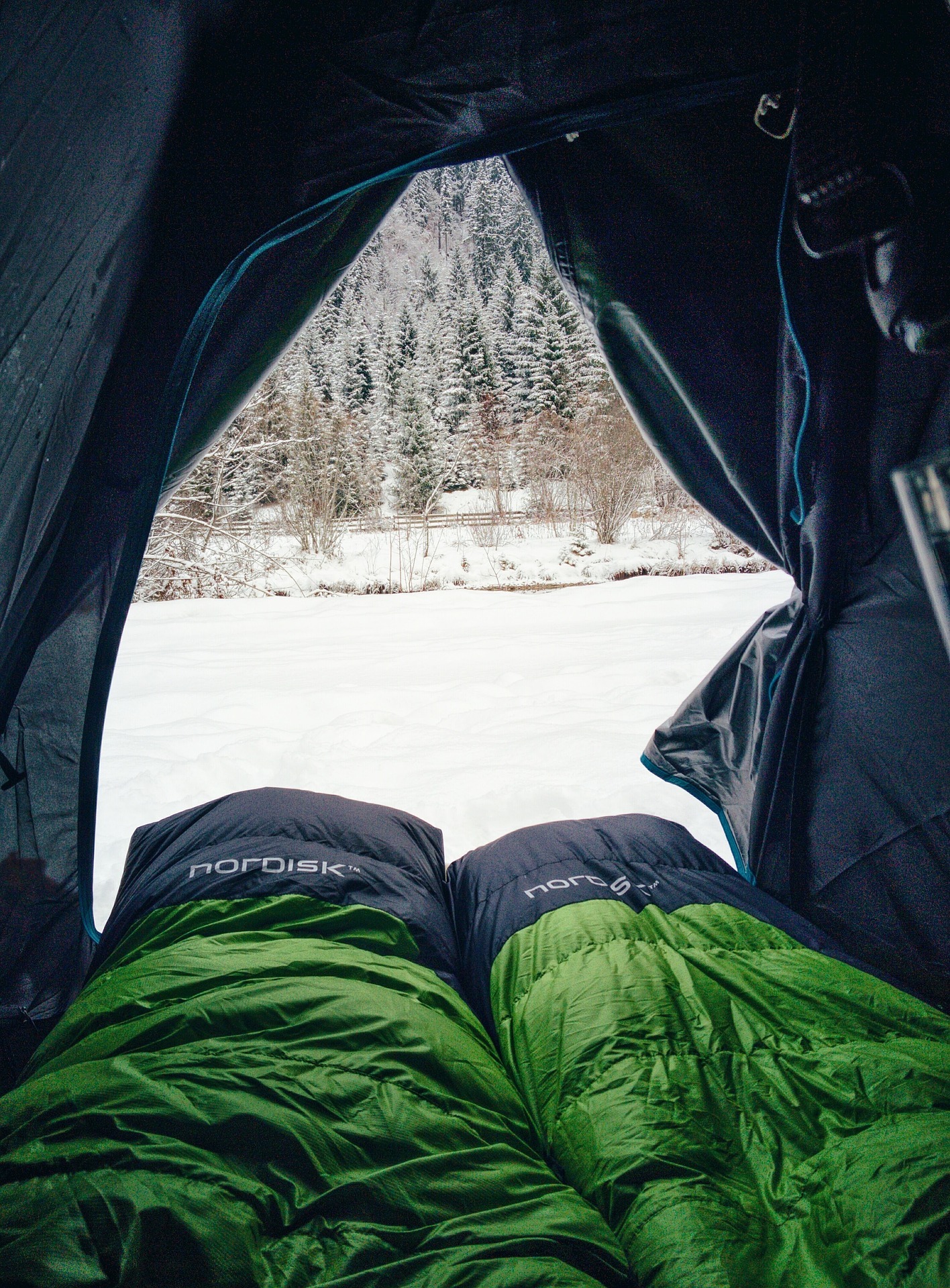
Prevent Heat Loss While Camping
Camping requires particular attention to heat loss because you may spend many hours inactive.
Use an appropriate sleeping bag and sleeping mat.
Keep your sleeping equipment dry.
Protect yourself from wind and rain.
Have warm clothing available for the evening rather than packing it somewhere difficult to reach.
Prevent Heat Loss During Scout Activities
Scout activities often involve a mixture of running around, standing still, listening to instructions and waiting for others.
This can make temperature management important.
Leaders should consider the weather and activity level when planning clothing and breaks.
Younger Scouts may also be less likely to recognise when they are becoming too cold.
Encourage everyone to speak up if they are cold, wet or uncomfortable.
Signs That Heat Loss Is Becoming a Problem
Early signs of excessive cold exposure can include:
These signs shouldn’t simply be ignored.
Take steps to reduce further heat loss.
Signs of More Serious Cold Exposure
As body temperature falls, someone may develop more serious symptoms such as:
These can be signs of hypothermia.
If someone is seriously affected by cold, get them into a safe sheltered environment, remove wet clothing where practical, add dry insulation and seek urgent medical assistance.
Call 999 or 112 in an emergency.
A Simple Heat Loss Prevention Checklist
Before heading outdoors, consider:
Am I protected from rain?
Am I protected from wind?
Do I have enough insulation?
Are my spare clothes waterproof?
Will I be sitting or sleeping on cold ground?
Do I have suitable shelter?
Will I become sweaty during the activity?
What will I do if the weather gets worse?
Thinking about these questions before you leave can prevent many problems later.
The Most Important Principle
You don’t need to remember complicated survival techniques to reduce heat loss.
Think about three simple things:
Keep the heat you already have.
Keep yourself dry.
Protect yourself from wind and cold surfaces.
Everything else builds on these principles.
Final Thought
Preventing heat loss outdoors is largely about good preparation and sensible decisions.
Wear suitable clothing, stay dry, protect yourself from wind, insulate yourself from cold surfaces and pay attention to how you and others are feeling.
The earlier you deal with cold, the easier it is to prevent it from becoming a serious problem.
Staying warm outdoors starts with stopping unnecessary heat loss before it becomes a problem.
🔒Ready to test your survival skills?
Join Survival Guides UK for free, complete challenges, earn badges and increase your Survival Level.
JOIN FREE →
CRAIG BURR
FOUNDER · SURVIVAL GUIDES UK
I'm Craig, the person behind Survival Guides UK. I created SGUK because I wanted somewhere people could learn real outdoor skills in a practical, straightforward way — from lighting a fire and tying knots to navigation, campcraft and everything in between.
You can read more about the story behind SGUK here as well as our approach here.