Heat Loss in Children: What Parents and Scout Leaders Should Know
Children can become cold surprisingly quickly when spending time outdoors, particularly in cold, wet or windy conditions.
For parents and Scout leaders, understanding heat loss in children is an important part of keeping outdoor activities comfortable and safe. Children may not always recognise that they are becoming cold, and they can become distracted by games and activities.
The good news is that sensible preparation, suitable clothing and regular observation can greatly reduce the risk of excessive cold exposure.
Why Can Children Become Cold Outdoors?
Children lose heat in the same basic ways as adults.
Heat can be lost through radiation, conduction, convection and evaporation.
Cold air, wind, rain, wet clothing and contact with cold surfaces can all contribute.
Children may also spend more time moving between activity and inactivity, which can make their temperature change quickly.
Children Don’t Always Notice They Are Getting Cold
A child who is enjoying an activity may not pay much attention to the weather.
They may continue playing even when their hands are cold or their clothes are becoming wet.
This is why adults shouldn’t rely entirely on a child saying that they’re cold.
Parents and leaders should pay attention to the conditions as well as the child’s behaviour.
Younger Children May Need More Help
Younger children may need reminders to:
These simple reminders can prevent a minor problem from becoming more serious.
Cold Weather Isn’t Just About Temperature
A cold day isn’t necessarily dangerous, while a relatively mild day can become very uncomfortable when combined with strong wind and rain.
Consider the overall conditions:
The combination of these factors matters more than temperature alone.
Wind Can Increase Heat Loss
Moving air can increase the rate at which heat is lost from the body.
This is why a windy day can feel much colder than a calm day at the same temperature.
Children taking part in outdoor activities should have suitable protection from wind, particularly when they are standing still.
Wet Weather Makes Heat Loss More Difficult to Manage
Rain can soak clothing and reduce its insulating effectiveness.
Wet socks, trousers, jackets and gloves can all make children uncomfortable and increase heat loss.
Waterproof clothing should be appropriate for the conditions and used before clothing becomes saturated.
Keep Spare Clothing Dry
Spare clothing is particularly useful when children are outdoors for several hours.
Depending on the activity, useful spare items might include:
Store spare clothing inside waterproof bags.
A spare jumper at the bottom of a damp rucksack isn’t much use.
Dress Children in Layers
Layers make it easier to adjust clothing throughout an activity.
A base layer can help manage moisture.
An insulating layer helps retain warmth.
An outer layer can provide protection from wind and rain.
The exact clothing needed depends on the weather and activity.
Avoid Overdressing Active Children
Children can become very warm when running around.
If they wear too many layers during strenuous activity, they may sweat heavily.
Once they stop moving, damp clothing can contribute to cooling.
Encourage children to adjust layers as their activity level changes.
The Difference Between Active and Inactive Periods
A child may be perfectly warm while running around but become cold after sitting down.
This is particularly relevant to Scout activities.
A game may involve lots of movement followed by several minutes of instructions or waiting.
Leaders should consider this when planning activities.
Put Warm Layers on Before a Break
One useful habit is to add a warm layer before stopping.
Don’t wait until children are already shivering.
If the group is about to sit down for lunch or listen to instructions, give them an opportunity to put on another layer.
Cold Ground Can Cause Heat Loss
Children often sit on grass, soil, rocks or other outdoor surfaces.
Cold surfaces can conduct heat away from the body.
A simple sit mat can provide useful insulation between a child and the ground.
Sitting on Wet Grass
Wet grass can make clothing damp and can increase discomfort.
If children are going to sit outside for any length of time, use suitable mats or another appropriate barrier.
This is especially useful during colder months.
Sleeping Bags and Children
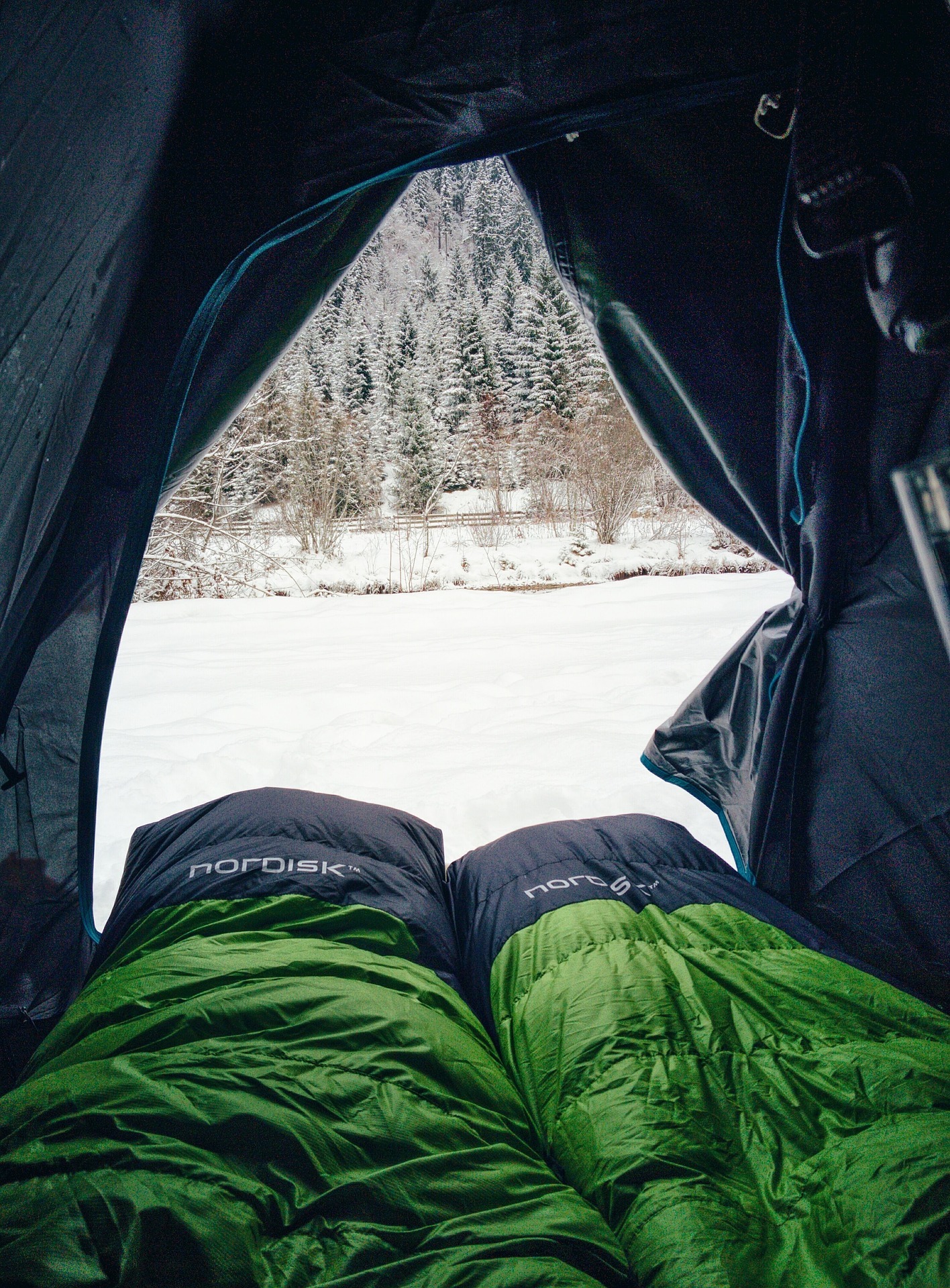
When camping, children need sleeping equipment appropriate for the expected conditions.
A sleeping bag should be suitable for the temperature, and a sleeping mat should provide adequate insulation underneath the child.
Don’t assume that a sleeping bag alone will provide all the insulation required.
Sleeping Mats Are Important
The insulation beneath a sleeping child can be particularly important because the sleeping bag is compressed underneath their body.
A suitable sleeping mat creates a barrier between the child and cold ground.
For cold-weather camping, check that the sleeping system is appropriate for the conditions before setting off.
Keep Sleeping Equipment Dry
A damp sleeping bag or wet sleeping clothes can make staying warm much more difficult.
Keep sleeping equipment protected from rain and condensation.
Children should have somewhere suitable to change out of wet clothing before getting into their sleeping bags.
Don’t Put Wet Clothes in the Sleeping Bag
It may be tempting to put damp clothes inside a sleeping bag overnight.
This can introduce moisture into the sleeping system and reduce its effectiveness.
Where possible, dry wet clothing using a safe and appropriate method and keep sleeping equipment dry.
Children and Cold Hands
Hands can become cold quickly, especially in windy or wet conditions.
Make sure children have suitable gloves or mittens.
Spare gloves can be particularly useful because children’s gloves can easily become wet during outdoor activities.
Children and Cold Feet
Wet or cold feet can quickly become uncomfortable.
Suitable footwear and socks are important.
Pack spare socks for activities where getting wet is possible.
Don’t put wet socks back on simply because they’re the only pair available if there is a safe opportunity to change.
Keep Feet Dry
Waterproof footwear can help in wet conditions, but no footwear is completely suitable for every environment.
Children should have footwear appropriate for the activity.
Avoid allowing them to spend long periods standing in puddles or wet ground simply because their boots are waterproof.
Protect the Head and Neck
A suitable hat and warm neck covering can provide useful protection in cold weather.
Children may remove these during activities because they become warm.
That’s not necessarily a problem, but they should be encouraged to put them back on when activity levels drop or conditions become colder.
Children May Become Too Warm as Well
Preventing excessive cold doesn’t mean wrapping children in as many layers as possible.
Overheating and sweating can also cause problems.
Clothing should be adjusted according to activity and weather conditions.
The aim is to stay comfortably warm and reasonably dry.
Encourage Children to Speak Up
Children should know that it’s okay to tell an adult:
“I’m cold.”
“My gloves are wet.”
“My feet are freezing.”
“I need another layer.”
This creates a simple safety culture where children understand that discomfort shouldn’t be ignored.
Leaders Should Regularly Observe the Group
Scout leaders should avoid relying entirely on children reporting how they feel.
Look for changes in behaviour and appearance.
A child who becomes unusually quiet, tired or withdrawn may need attention even if they haven’t complained about the cold.
Changes in Behaviour Can Matter
Cold exposure doesn’t always begin with dramatic symptoms.
Someone who is becoming too cold may become:
These changes shouldn’t automatically be blamed on tiredness or boredom.
Consider the environmental conditions.
Shivering Is a Warning Sign
Shivering is one of the body’s ways of producing additional heat.
If a child is shivering persistently, take action.
Move them to a warmer or more sheltered environment, add dry insulation and address wet clothing.
Don’t simply expect them to continue the activity.
Numbness Should Not Be Ignored
A child complaining that their hands, feet or another part of their body feels numb needs attention.
Numbness can occur with cold exposure.
Move them somewhere warmer and assess the situation.
Don’t encourage them to ignore it and carry on.
Cold and Tiredness
Tiredness can make it harder for a child to cope with cold conditions.
A child who is already exhausted may produce less body heat through activity and may be less able to communicate how they’re feeling.
Allow suitable rest and provide appropriate warmth.
Food and Drink
Children need regular food and fluids during prolonged outdoor activities.
Food provides energy for normal bodily functions, including maintaining body temperature.
Cold weather can also make people less aware of thirst.
Encourage children to drink regularly.
Warm Drinks
A warm, non-alcoholic drink can be comforting during a cold outdoor activity.
It should be served safely and at an appropriate temperature.
A warm drink isn’t a replacement for suitable clothing and shelter.
Plan Suitable Breaks
Breaks should take the weather into account.
A long break in an exposed field may leave children much colder than a shorter break in a sheltered location.
Think about where the group will stop as well as when.
Have a Warm Location Available
For organised activities, leaders should know where the group can go if conditions deteriorate.
This might be a building, indoor meeting space, vehicle or another appropriate shelter depending on the circumstances.
Having a plan before the activity starts makes it easier to respond quickly.
Don’t Ignore Changing Weather
A forecast can change, and conditions can deteriorate faster than expected.
Keep an eye on the weather throughout an activity.
Rain, increasing wind or falling temperatures may mean the original plan needs to change.
Changing or stopping an activity is part of responsible outdoor leadership.
Cold Weather and Scout Activities
Outdoor Scout activities should be planned around the conditions expected on the day.
Think about:
An activity that is perfectly suitable in mild weather may need to be shortened or adapted during colder conditions.
Younger Scouts Need More Active Supervision
Younger Scouts may need more reminders and closer observation.
They may not have the experience to understand how quickly wet clothing or strong wind can affect them.
Leaders should make sure they know where spare clothing and shelter are available.
Older Scouts Can Learn to Manage Their Own Warmth
Older Scouts can gradually take more responsibility for managing their clothing and equipment.
Encourage them to check the forecast, choose appropriate layers and recognise when they are becoming cold.
This turns cold-weather preparation into a useful outdoor skill rather than simply something adults do for them.
Teach Scouts to Recognise the Signs
Cold-weather activities provide an opportunity to teach practical awareness.
Scouts should learn that persistent shivering, numbness, unusual tiredness, confusion and poor coordination are signs that someone may need help.
This knowledge can be useful well beyond Scouting.
Don’t Make Cold Weather a Competition
Children may sometimes treat being cold as a challenge.
Avoid encouraging Scouts to see who can tolerate the coldest conditions or who can stay outside the longest without extra clothing.
Outdoor skills should be about preparation and sensible decision-making.
Cold Water Requires Extra Care
Cold water can remove heat from the body much more quickly than cold air.
Children should never be encouraged to enter cold water as a test of endurance.
Water activities should have appropriate supervision, equipment and safety arrangements.
Don’t Use a Child’s Appearance Alone to Judge Their Condition
A child may look fine while becoming cold.
Equally, red cheeks or cold hands don’t automatically mean they are suffering from dangerous cold exposure.
Look at the whole situation, including behaviour, clothing, exposure and symptoms.
What to Do if a Child Is Becoming Too Cold
If a child is becoming cold:
Move them out of the wind and rain.
Get them into suitable shelter.
Remove wet clothing where practical.
Add dry insulating layers.
Use blankets or other suitable insulation.
Monitor their condition.
Don’t send a cold child back into the activity simply because they say they feel slightly better.
Make sure they’ve properly warmed up and assess whether they should continue.
Signs of Serious Cold Exposure
More serious symptoms can include:
These symptoms can indicate hypothermia.
If a child is seriously affected by cold, seek urgent medical assistance.
Call 999 or 112 in an emergency.
When in Doubt, Get Help
If you’re concerned about a child’s condition, don’t rely on an online article to make a medical diagnosis.
Use your normal first-aid procedures and seek appropriate professional advice.
If the child is seriously unwell or their condition is worsening, call 999 or 112.
A Simple Cold-Weather Checklist for Parents
Before sending a child outdoors, consider:
Is their clothing suitable for the weather?
Do they have waterproof protection?
Do they have a warm insulating layer?
Are spare clothes protected from rain?
Do they have suitable gloves and a hat?
Do they have appropriate footwear?
Will they be sitting on cold or wet ground?
Is there suitable shelter available?
A Simple Checklist for Scout Leaders
Before an outdoor activity, consider:
What will the weather be like?
How exposed is the location?
How active will the Scouts be?
Will there be long periods of standing or sitting?
Where can the group shelter if conditions deteriorate?
Do Scouts have suitable clothing?
Are spare clothes available?
Who may need additional support?
Good planning makes it much easier to deal with cold weather before it becomes a problem.
The Main Principle
Children don’t need complicated survival equipment to stay warm outdoors.
They need suitable clothing, protection from wind and rain, insulation from cold surfaces and adults who are paying attention.
The earlier you notice that a child is becoming cold, the easier it is to deal with.
Final Thought
Cold weather can be an excellent opportunity for children to learn outdoor skills, provided the activity is properly planned and supervised.
Parents and Scout leaders don’t need to eliminate every encounter with cold weather. Instead, they should teach children how to recognise changing conditions, use their clothing properly and speak up when something isn’t right.
The aim isn’t to keep children indoors whenever it’s cold. It’s to help them enjoy the outdoors while understanding how to manage the conditions safely.
🔒Ready to test your survival skills?
Join Survival Guides UK for free, complete challenges, earn badges and increase your Survival Level.
JOIN FREE →
CRAIG BURR
FOUNDER · SURVIVAL GUIDES UK
I'm Craig, the person behind Survival Guides UK. I created SGUK because I wanted somewhere people could learn real outdoor skills in a practical, straightforward way — from lighting a fire and tying knots to navigation, campcraft and everything in between.
You can read more about the story behind SGUK here as well as our approach here.