How Cold Ground Causes Heat Loss Outdoors
Cold ground can take heat away from your body surprisingly quickly.
This is particularly important when camping, sitting outside, resting during a hike or dealing with an emergency situation. Even when the air temperature doesn’t seem particularly cold, contact with a cold surface can cause significant heat loss.
Understanding how cold ground causes heat loss helps explain why sleeping mats, sit mats and other forms of insulation are so important outdoors.
What Is Heat Loss Through the Ground?
When your body comes into contact with something colder than you are, heat can move from your body into that colder material.
This process is called conduction.
The ground can be an effective conductor of heat compared with the air around you, particularly when it is cold or wet.
If you sit or lie directly on cold ground, your body can gradually transfer heat into it.
Why Does the Ground Feel So Cold?
The ground can remain cold for long periods, particularly during autumn and winter.
Soil, rocks, mud and other surfaces can all be considerably colder than your body.
Unlike air, which provides some natural insulation when it is still, solid materials can conduct heat away from you more effectively.
Cold Ground and Camping
Camping is one of the clearest examples of conductive heat loss.
When you lie down inside a sleeping bag, your body weight compresses the insulation underneath you.
This means the sleeping bag is less effective at insulating the part of your body that is in contact with the ground.
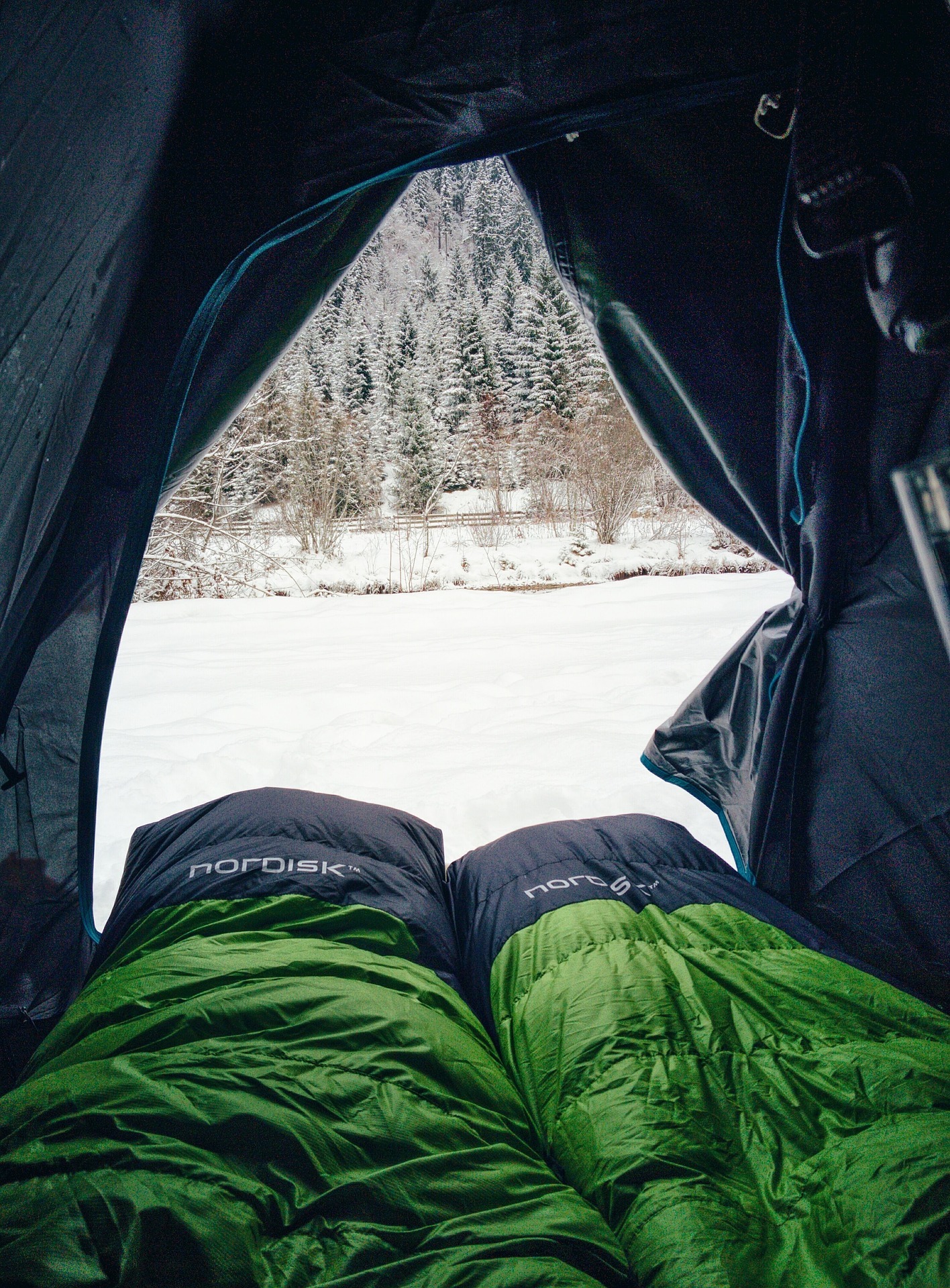
This is why a sleeping mat is an essential part of a camping sleep system.
Why a Sleeping Bag Isn’t Enough
It is easy to assume that a thick sleeping bag should keep you warm on its own.
However, the insulation underneath your body becomes compressed when you lie on it.
Compressed insulation generally traps less air.
A sleeping mat provides a separate insulating barrier between your body and the cold ground.
How Sleeping Mats Reduce Heat Loss
A sleeping mat creates a layer between your body and the ground.
Depending on its design, it may contain foam, air or other insulating materials.
The aim is to slow down the movement of heat from your body into the cold surface underneath you.
Thickness Isn’t Everything
A thicker sleeping mat isn’t automatically the best option.
Different materials and designs provide different levels of insulation.
When camping in cold conditions, look at the mat’s insulation performance as well as its thickness, weight and comfort.
What Is an R-Value?
Many sleeping mats use an R-value to indicate their thermal resistance.
A higher R-value generally indicates greater resistance to heat transfer through the mat.
This can be useful when comparing sleeping mats for different conditions.
For colder camping, a mat with suitable insulation is particularly important.
Cold Ground Can Be Worse When Wet
Wet ground can make camping conditions more challenging.
Water can conduct heat away from your body and wet surfaces can make it more difficult to maintain warmth.
This is another reason to use a suitable sleeping mat and keep your sleeping area protected from moisture.
Use a Groundsheet
A tent groundsheet or footprint can provide an additional barrier between your tent and the ground.
It can help protect the tent floor from moisture, dirt and abrasion.
However, it shouldn’t be considered a substitute for a properly insulated sleeping mat.
Don’t Sleep Directly on the Tent Floor
A tent floor provides protection from the ground, but it isn’t necessarily enough insulation for cold-weather camping.
Use a suitable sleeping mat underneath your sleeping bag.
The difference can be particularly noticeable on cold nights.
Sitting on Cold Ground
You don’t have to be sleeping for conductive heat loss to matter.
Sitting directly on cold ground can also draw heat from your body.
This is particularly noticeable during outdoor activities where people sit still for extended periods.
Use a Sit Mat
A lightweight sit mat can provide a simple layer of insulation.
It is useful for:
It may seem like a small piece of equipment, but it can make sitting outdoors considerably more comfortable.
Your Rucksack Can Provide Temporary Insulation
If you don’t have a sit mat available, your rucksack can sometimes provide a temporary barrier between you and the ground.
Place it underneath you if appropriate, while making sure you don’t damage essential equipment.
This is an example of making use of equipment you already have rather than carrying unnecessary additional items.
Don’t Sit Directly on Cold Rocks
Rocks can become very cold and can conduct heat away from your body.
If you need to sit on a rock during a hike, use a sit mat or another suitable insulating layer.
Metal Can Conduct Heat Quickly
Metal surfaces can feel particularly cold.
Metal benches, rails and other structures can draw heat away from exposed areas of your body.
If you’re sitting on a cold metal surface, use an insulating layer between yourself and the surface.
Water and Heat Loss
Water can increase heat loss through conduction.
This is one reason falling into cold water is so dangerous.
Water conducts heat away from the body much more effectively than air.
This can lead to rapid cooling.
Cold Water Is Particularly Dangerous
Cold water can cause rapid heat loss and can severely affect your ability to remain warm.
If someone falls into cold water, the priority should be getting them to safety and dealing with the cold exposure appropriately.
Don’t underestimate cold water simply because the air temperature is comfortable.
Ground Contact and Emergency Situations
Conductive heat loss is also important in an emergency.
If someone is injured or unable to move, they may spend a long time lying or sitting on cold ground.
Insulating them from the surface can help reduce further heat loss.
Use suitable dry materials if available.
Use Clothing as an Emergency Barrier
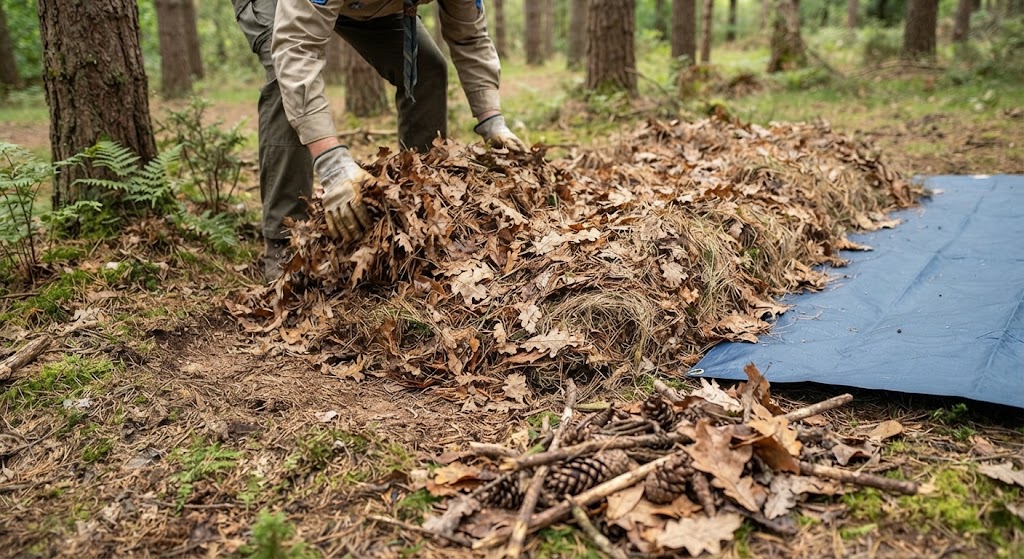
In an emergency, spare clothing can sometimes be placed underneath someone to provide additional insulation from cold ground.
A rucksack, spare jacket or other dry equipment may provide useful protection.
Don’t sacrifice essential emergency equipment unnecessarily, but use available resources sensibly.
Keep Insulation Dry
Insulating materials work best when they are dry.
Wet clothing, wet sleeping bags and soaked blankets can lose much of their insulating effectiveness.
Protect insulation from rain and damp ground wherever possible.
Snow Can Also Cause Heat Loss
Snow may look soft and insulating, but direct contact can still cause heat loss.
Snow can melt against warm clothing and introduce moisture.
Use suitable insulation between yourself and snowy ground when sitting, resting or sleeping.
Frozen Ground Can Be Particularly Cold
Frozen soil and hard surfaces can remove heat from the body quickly.
If you’re camping on frozen or very cold ground, the insulation underneath you becomes especially important.
Don’t assume a warm sleeping bag will compensate for inadequate insulation underneath.
Choose Your Sleeping Position Carefully
When sleeping outdoors, your position can affect how much contact you have with the ground.
Use your sleeping mat so that it supports the parts of your body that need insulation.
Make sure the mat remains positioned underneath you throughout the night.
Avoid Gaps in Your Sleeping Mat
If part of your body extends beyond the sleeping mat, it may be exposed to greater conductive heat loss.
This is particularly relevant around your feet and lower legs.
Choose a mat that provides appropriate coverage for your sleeping position.
Don’t Inflate Air Mats Excessively
If you’re using an inflatable sleeping mat, follow the manufacturer’s instructions.
Inflating it excessively may affect comfort and performance.
Use the mat as intended and check it for leaks before relying on it during a trip.
Check Your Sleeping Mat Before Camping
Before a camping trip, inspect your mat.
Look for:
A damaged mat may provide considerably less protection from cold ground.
Cold Ground and Tents
The tent itself provides some separation from the ground, but the main insulation between you and the surface should come from your sleeping mat.
Keep the tent floor dry and avoid allowing water to collect underneath your sleeping area.
Choose a Suitable Campsite
The ground doesn’t have to be perfectly flat, but it should be suitable for camping.
Avoid areas that are:
A comfortable campsite is useful, but safety comes first.
Avoid Low, Wet Ground
Low-lying areas can collect water and become damp.
They may also become colder overnight.
Choose a suitable site with good drainage and reasonable protection from the weather.
Ground Insulation During Scout Activities
Scout activities often involve sitting on grass while listening to instructions, eating lunch or taking part in games.
During cold weather, consider whether the group will be sitting still for significant periods.
A simple sit mat can make a considerable difference.
Leaders Should Think About Inactivity
Scouts may be warm while running around but become cold quickly when they stop.
This is particularly important during activities where there are long periods of waiting.
Plan suitable locations and consider allowing Scouts to remain active where practical.
Younger Scouts May Not Notice Heat Loss
Younger children can become absorbed in activities and may not recognise how much heat they’re losing through cold surfaces.
Encourage Scouts to tell a leader if they are cold, wet or uncomfortable.
Leaders should also monitor the group.
Don’t Confuse Comfort With Safety
Someone sitting on cold ground may simply complain that they are uncomfortable.
However, prolonged cold exposure can become a genuine safety issue.
Pay attention to the overall conditions, particularly when cold temperatures are combined with wind, rain or wet clothing.
Cold Ground and Heat Loss at Night
Ground temperatures can remain low after sunset.
This is one reason camping equipment needs to be suitable for overnight conditions rather than just the daytime temperature.
A sleeping system that feels adequate during the afternoon may not provide enough insulation after the temperature drops.
Insulate Before You Get Cold
As with other forms of heat loss, prevention is easier than recovery.
Put down your sit mat before sitting on cold ground.
Set up your sleeping mat before getting into your sleeping bag.
Don’t wait until you’re already cold before adding insulation.
Simple Ways to Reduce Heat Loss to the Ground
You can remember the basic principle easily:
Don’t put your body directly against a cold surface if you can avoid it.
Use:
The exact solution depends on the situation.
What If Someone Is Becoming Very Cold?
If someone has been sitting or lying on cold ground and is becoming cold, move them to a warmer and more sheltered location where possible.
Add dry insulation and replace wet clothing when practical.
Monitor them for signs of more serious cold exposure.
Recognising Serious Cold Exposure
Warning signs can include:
These may indicate hypothermia or another serious cold-related problem.
If someone is seriously affected by cold, seek urgent medical assistance.
Call 999 or 112 in an emergency.
The Simple Rule for Cold Ground
When you’re outdoors, remember:
Cold surfaces take heat from warmer bodies.
The best response is to put an insulating barrier between yourself and the surface.
This simple principle applies to camping, hiking, Scout activities and emergency situations.
Final Thought
Cold ground is easy to overlook because we tend to concentrate on air temperature and wind.
However, conduction can be an important source of heat loss, particularly when you’re sitting or lying still.
A simple sleeping mat or sit mat can significantly reduce the amount of heat your body loses to the ground.
When the ground is cold, put insulation between you and it before you start losing heat.
🔒Ready to test your survival skills?
Join Survival Guides UK for free, complete challenges, earn badges and increase your Survival Level.
JOIN FREE →
CRAIG BURR
FOUNDER · SURVIVAL GUIDES UK
I'm Craig, the person behind Survival Guides UK. I created SGUK because I wanted somewhere people could learn real outdoor skills in a practical, straightforward way — from lighting a fire and tying knots to navigation, campcraft and everything in between.
You can read more about the story behind SGUK here as well as our approach here.