Why Wind Chill Makes Cold Weather Feel Colder
Wind chill is one of those outdoor weather terms that can be confusing at first.
You might look at the forecast and see a temperature of 5°C, but then step outside into a strong wind and feel considerably colder.
The temperature hasn’t actually dropped to a lower number. Instead, the wind is increasing the rate at which your body loses heat, making the conditions feel colder.
Understanding wind chill is useful for hikers, campers, Scouts, Scout leaders and anyone spending time outdoors during cold weather.
What Is Wind Chill?
Wind chill describes the cooling effect of wind on exposed skin.
Your body is warmer than the surrounding air, so it constantly transfers heat to the environment.
A layer of air close to your skin becomes warmed by your body. When the air is still, that layer provides a small amount of protection.
Wind moves that warmed air away and replaces it with colder air.
As a result, your body can lose heat more quickly.
Does Wind Actually Make the Temperature Lower?
No.
If the air temperature is 5°C, the air remains 5°C even when the wind is blowing strongly.
Wind chill is not a measurement of the actual air temperature.
Instead, it describes how quickly your body loses heat and how cold the conditions can feel.
This distinction is important when interpreting weather forecasts.
Why Does Wind Make You Feel Colder?
Your body is constantly producing heat.
When the surrounding air is relatively still, a thin layer of warmer air can remain around your skin and clothing.
Wind disrupts this layer.
The continuous movement of colder air increases heat transfer away from your body.
This is known as convection.
Wind Chill and Convection
Convection is one of the four main ways your body can lose heat.
The others are:
Wind is particularly relevant to convection because moving air can carry heat away from your body.
This is why windy conditions can feel much colder than calm conditions at the same temperature.
Wind Chill Only Becomes Significant in Cold Conditions
Wind chill is most useful when the air temperature is low enough for the cooling effect of wind to matter.
In very warm weather, wind can actually feel refreshing because it helps sweat evaporate from your skin.
In cold weather, however, increased heat loss can make you feel much colder.
Wind Chill and Exposed Skin
Wind chill is particularly relevant to exposed skin.
Your face, hands and other uncovered areas are directly exposed to moving air.
This is why protecting exposed skin becomes increasingly important in cold and windy conditions.
Clothing Reduces the Effect of Wind
Suitable outdoor clothing provides a barrier between your body and the surrounding air.
Insulating layers trap warm air.
A wind-resistant outer layer reduces the movement of air through those layers.
This combination can significantly improve comfort in windy conditions.
Why a Windproof Layer Helps
A good windproof outer layer can reduce the amount of moving air reaching your insulating layers.
This helps preserve the warm air trapped around your body.
You don’t necessarily need a very thick jacket if your clothing system is appropriate for the conditions.
Windproof Doesn’t Always Mean Waterproof
Windproof and waterproof are different properties.
Some jackets are designed primarily to block wind.
Others are designed to protect against rain as well as wind.
Many modern outdoor jackets provide both, but always check the garment’s specifications.
Wind Chill and Rain
Rain can make windy weather even more uncomfortable.
Water can reduce the insulating effectiveness of clothing, while wind increases heat loss.
The combination of cold, wet and windy conditions can therefore be particularly challenging.
This is one reason waterproof clothing is so important during changeable UK weather.
Wet Clothing Makes the Problem Worse
If your clothing becomes wet, it may no longer trap heat as effectively.
Water can also increase heat loss through evaporation and conduction.
If you’re outdoors in cold and windy conditions, deal with wet clothing as soon as practical.
Find shelter, put on waterproof protection and change into dry clothing where possible.
Wind Chill While Hiking
Hiking can make wind chill slightly more complicated.
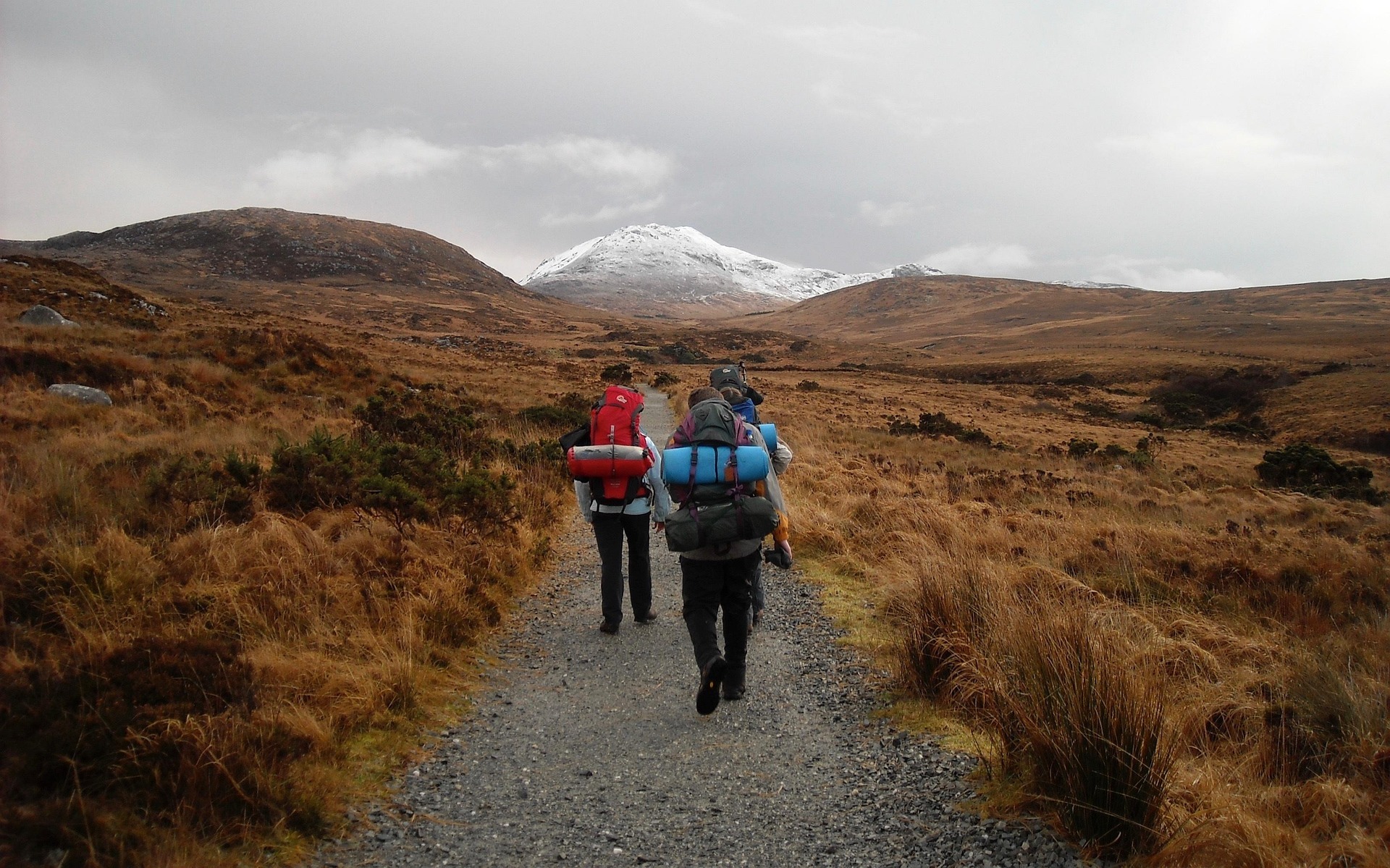
When you’re walking uphill or carrying a heavy rucksack, your body produces more heat.
You may therefore feel comfortable despite cold temperatures.
However, when you stop for a break, your heat production drops while the wind continues.
You can become cold surprisingly quickly.
Put a Layer on Before You Stop
One useful habit is to add an insulating or windproof layer before taking a long break.
Don’t wait until you’re already shivering.
If you’re approaching an exposed viewpoint or stopping for lunch, consider the wind as well as the temperature.
Wind Chill and Camping
Wind chill can be particularly noticeable when camping because you may spend long periods inactive.
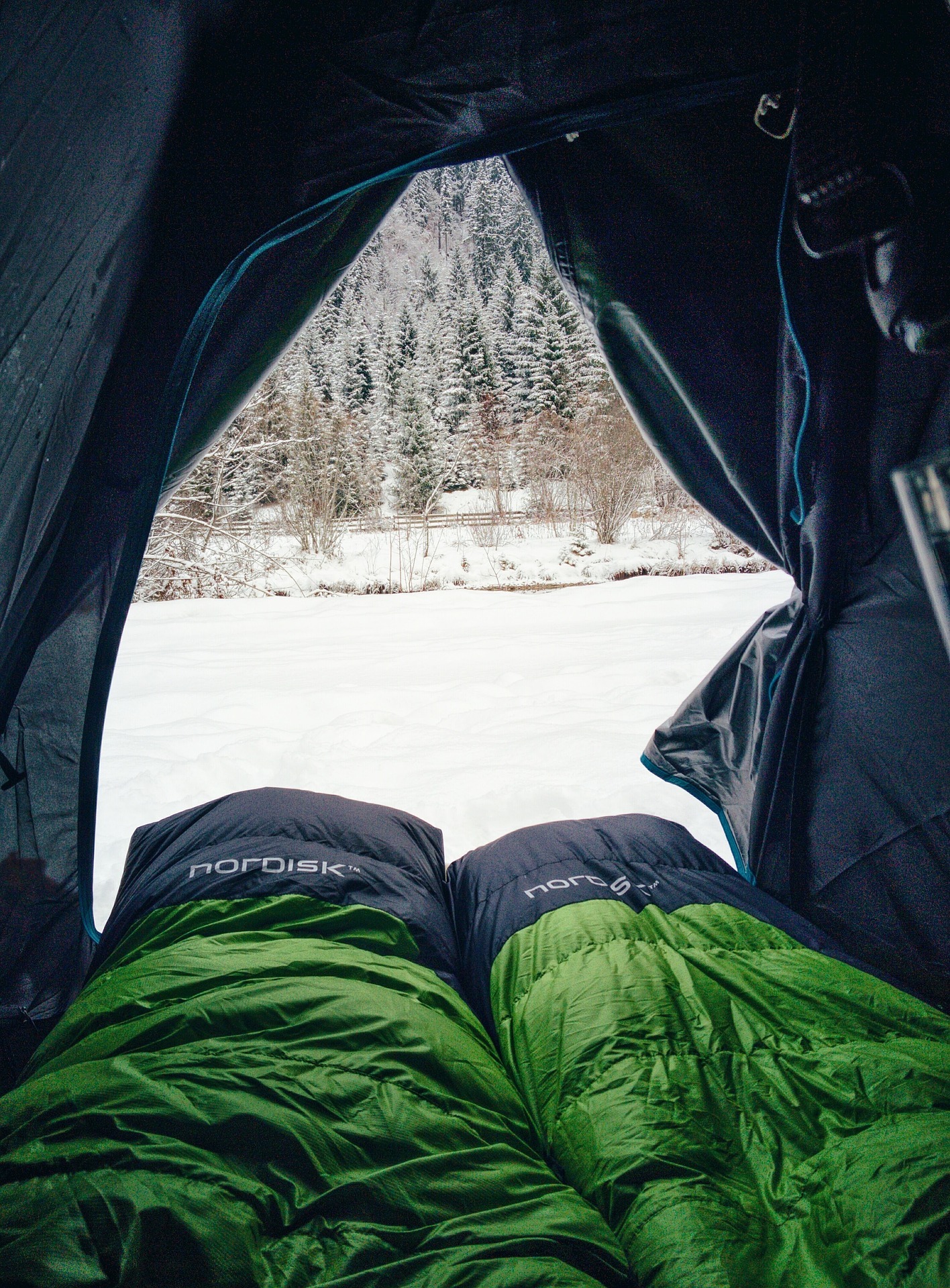
Once you’re inside your sleeping bag, your main protection comes from your sleeping system and shelter.
During the evening, however, you may be outside your tent cooking, organising equipment or taking part in activities.
This is when appropriate clothing becomes particularly important.
Choose a Sheltered Campsite
A sheltered campsite can reduce exposure to wind.
Hedges, woodland and terrain may provide some protection, although they should never be used as shelter if doing so creates another hazard.
Avoid pitching a tent underneath unstable trees or branches.
Wind Chill Inside a Tent
A tent doesn’t heat the air like a building.
Its main purpose is to provide protection from weather and create a more sheltered environment.
A properly pitched tent can significantly reduce your direct exposure to wind.
However, ventilation remains important to manage condensation.
Wind and Sleeping Bags
Your sleeping bag works by trapping insulating air around your body.
Strong draughts and poor shelter can make the overall environment colder.
Make sure your tent is correctly pitched and use a sleeping bag appropriate for the expected conditions.
Don’t Rely on Wind Chill Numbers Alone
Weather apps may provide a wind chill or “feels like” temperature.
These figures can be useful, but they shouldn’t be your only consideration.
Also think about:
A person properly equipped for cold weather may cope well with conditions that would be uncomfortable or unsafe for someone who is underdressed.
Wind Chill and Scout Activities
Wind chill is particularly relevant to Scout activities.
A group might spend part of a session running around and generating plenty of body heat, then spend several minutes standing still while a leader explains the next activity.
The same weather can therefore feel very different at different points during the session.
Leaders Should Consider Exposure
When planning an activity, consider where the group will spend time.
A sheltered woodland clearing may be much more comfortable than an exposed field.
If the activity involves long periods of standing around, consider providing suitable shelter or changing the activity.
Younger Scouts May Not Recognise the Cold
Younger Scouts may become absorbed in an activity and fail to recognise that they’re becoming cold.
Leaders should monitor the group and encourage Scouts to speak up if they’re cold, wet or uncomfortable.
Don’t rely solely on children to recognise when conditions are becoming difficult.
Wind Chill and Clothing Choices
When checking the weather before an activity, don’t look only at the temperature.
Consider the combination of:
Temperature + wind + precipitation + exposure + duration.
This gives you a much better idea of how challenging the conditions could be.
Protect Your Hands
Hands can be particularly vulnerable to cold and wind.
Suitable gloves or mittens provide insulation and reduce direct exposure.
Keep spare gloves dry if you’re spending a long time outdoors.
Protect Your Face
In strong winds, exposed facial skin can become uncomfortable quickly.
A suitable hat, hood, neck covering or other appropriate clothing can reduce exposure.
Make sure any clothing doesn’t restrict vision or breathing.
Protect Your Feet
Your feet can also become cold in windy and wet conditions.
Wear suitable footwear and socks for the weather.
Avoid allowing your feet to become wet unnecessarily.
Carry spare socks when appropriate, particularly for longer outdoor activities.
Wind Chill and Cold Ground
Wind isn’t the only source of heat loss.
If you’re sitting or lying on cold ground, heat can also be lost through conduction.
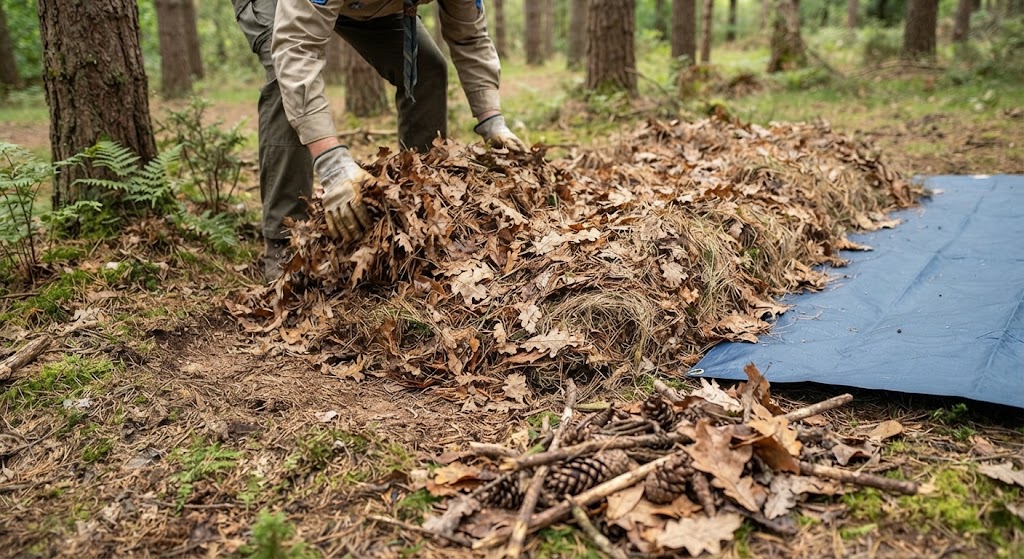
A suitable sit mat or sleeping mat helps reduce this form of heat loss.
Good cold-weather protection therefore needs to consider both the air and the surfaces you’re touching.
Wind Chill and Emergency Situations
If someone becomes stranded or injured outdoors, wind can increase the rate at which they lose heat.
Getting out of the wind should therefore be an early priority.
Use a suitable shelter, add dry insulation and protect exposed skin.
Emergency blankets can also be useful as part of an appropriate emergency kit.
Don’t Use Wind Chill as a Reason to Take Risks
Understanding wind chill shouldn’t encourage you to push beyond safe limits.
Strong winds can create other hazards, including falling branches, difficult walking conditions and problems with tents or temporary structures.
Weather conditions should be considered as a whole.
When Should an Outdoor Activity Be Changed?
There isn’t one wind speed that automatically makes every activity unsafe.
The appropriate decision depends on the activity, location, equipment, exposure and the people taking part.
A Scout leader should consider the forecast and actual conditions and adapt the activity if necessary.
Recognising Excessive Cold Exposure
Watch for signs such as:
These can indicate that someone is becoming too cold.
What to Do If Someone Is Becoming Too Cold
Move the person out of the wind and into a suitable sheltered environment.
Remove wet clothing where practical and replace it with dry insulation.
Continue to monitor them.
If they show signs of serious cold exposure or hypothermia, seek urgent medical assistance.
Call 999 or 112 in an emergency.
Wind Chill: The Simple Explanation
You don’t need to remember complicated calculations to understand wind chill.
The simple principle is:
Cold air removes heat from your body. Moving air can remove that heat faster.
That’s why windy weather can feel colder than calm weather at the same air temperature.
How to Protect Yourself From Wind Chill
The most useful precautions are straightforward.
Wear suitable layers.
Protect yourself from wind.
Stay dry.
Use shelter.
Insulate yourself from cold ground.
Keep spare clothing dry.
Pay attention to how you and others are feeling.
These measures reduce heat loss regardless of whether a weather app gives you a wind chill figure.
Final Thought
Wind chill is useful because it reminds us that temperature isn’t the only factor that determines how cold outdoor conditions feel.
A cold, calm day can be manageable, while the same temperature with strong wind can become much more challenging.
Understanding why this happens helps you make better decisions about clothing, shelter and outdoor activities.
When planning for cold weather, don’t just ask “How cold is it?” Ask “How exposed will I be?”
🔒Ready to test your survival skills?
Join Survival Guides UK for free, complete challenges, earn badges and increase your Survival Level.
JOIN FREE →
CRAIG BURR
FOUNDER · SURVIVAL GUIDES UK
I'm Craig, the person behind Survival Guides UK. I created SGUK because I wanted somewhere people could learn real outdoor skills in a practical, straightforward way — from lighting a fire and tying knots to navigation, campcraft and everything in between.
You can read more about the story behind SGUK here as well as our approach here.