
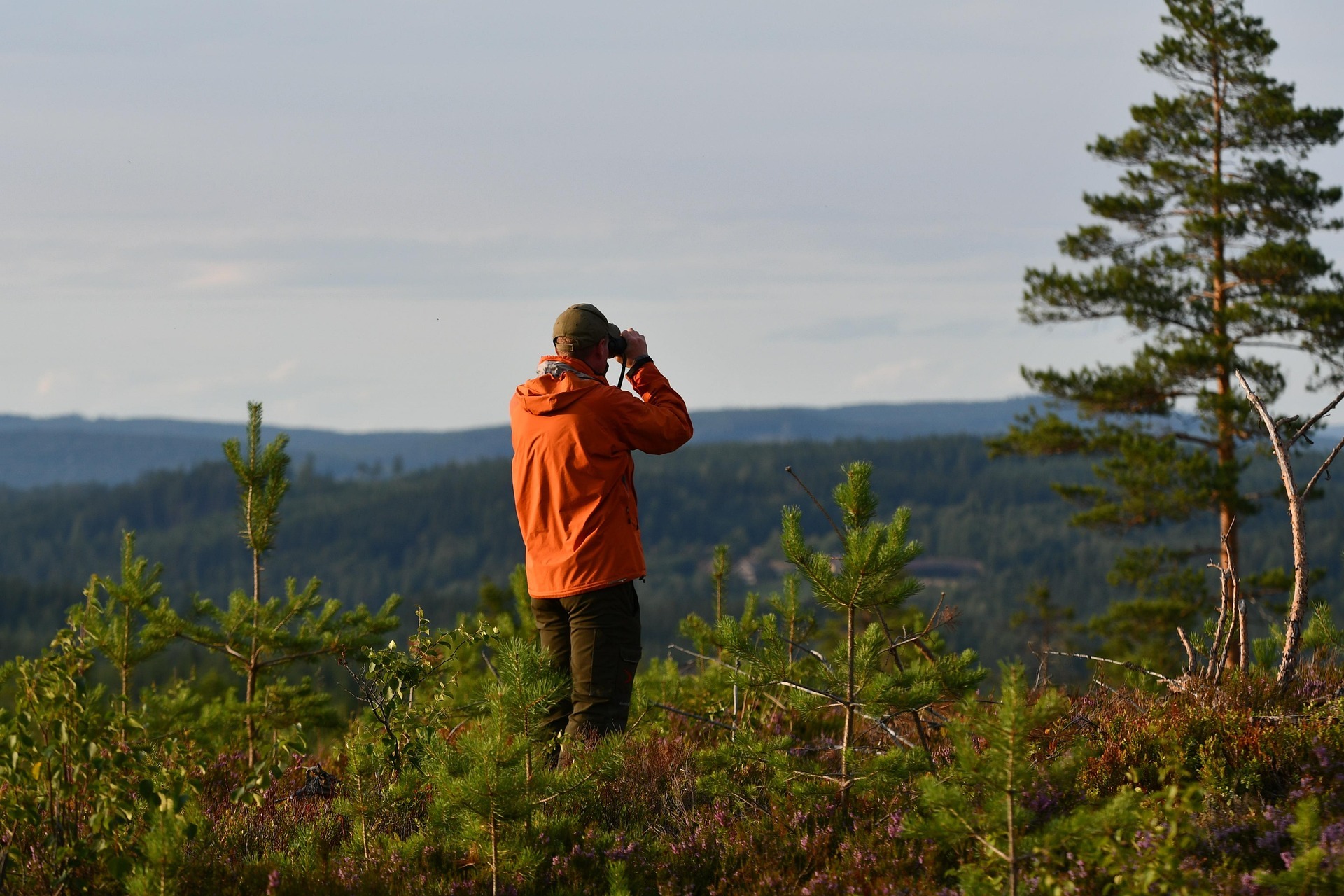
How to Stay Warm Outdoors Without a Fire
Knowing how to stay warm outdoors without a fire is an important survival skill.
A fire can provide warmth, but there are many situations where lighting one isn’t possible, practical or safe. You might be camping somewhere where fires aren’t permitted, caught out in poor weather, travelling without fire-lighting equipment or simply need to conserve your resources.
Fortunately, staying warm isn’t entirely dependent on having a fire.
The key is to reduce heat loss, stay dry, protect yourself from wind and cold surfaces, and use your clothing and shelter effectively.
Why You Might Need to Stay Warm Without a Fire
There are plenty of reasons why you may not have access to a fire.
Fires may be prohibited at your campsite or in the area you’re visiting. Conditions may also be too dry or windy for a fire to be appropriate.
You may also be on a hike where carrying fire-lighting equipment isn’t practical, or you may simply be dealing with an unexpected change in weather.
A good outdoor skills kit should therefore include ways to stay warm without relying entirely on a flame.
Your First Priority Is to Stop Losing Heat
When you’re cold, it can be tempting to concentrate on finding something that will produce heat.
However, preventing further heat loss is often more useful.
Think about the four main ways your body loses heat:
You can reduce these losses with suitable clothing, insulation and shelter.
Get Out of the Wind
Wind can make cold weather feel considerably worse.
Moving air removes the layer of warm air surrounding your body and can increase the rate at which you lose heat.
If you’re becoming cold, look for suitable shelter from the wind.
A building, tent, sheltered campsite or appropriate natural feature can all reduce exposure.
Shelter Doesn’t Have to Be Complicated
You don’t necessarily need to construct an elaborate survival shelter.
The most effective shelter is often the simplest safe option available.
If you’re near a building, campsite facility or vehicle, use it where appropriate.
If you’re outdoors without access to a building, an existing suitable shelter or carefully chosen sheltered location may provide useful protection.
Choose Your Shelter Location Carefully
A sheltered location can help, but don’t choose somewhere simply because it looks protected.
Avoid areas where falling branches, flooding, unstable ground, rockfall or other hazards are possible.
Stay away from river edges and other locations that could become dangerous if weather conditions change.
Safety comes before warmth.
Stay Dry
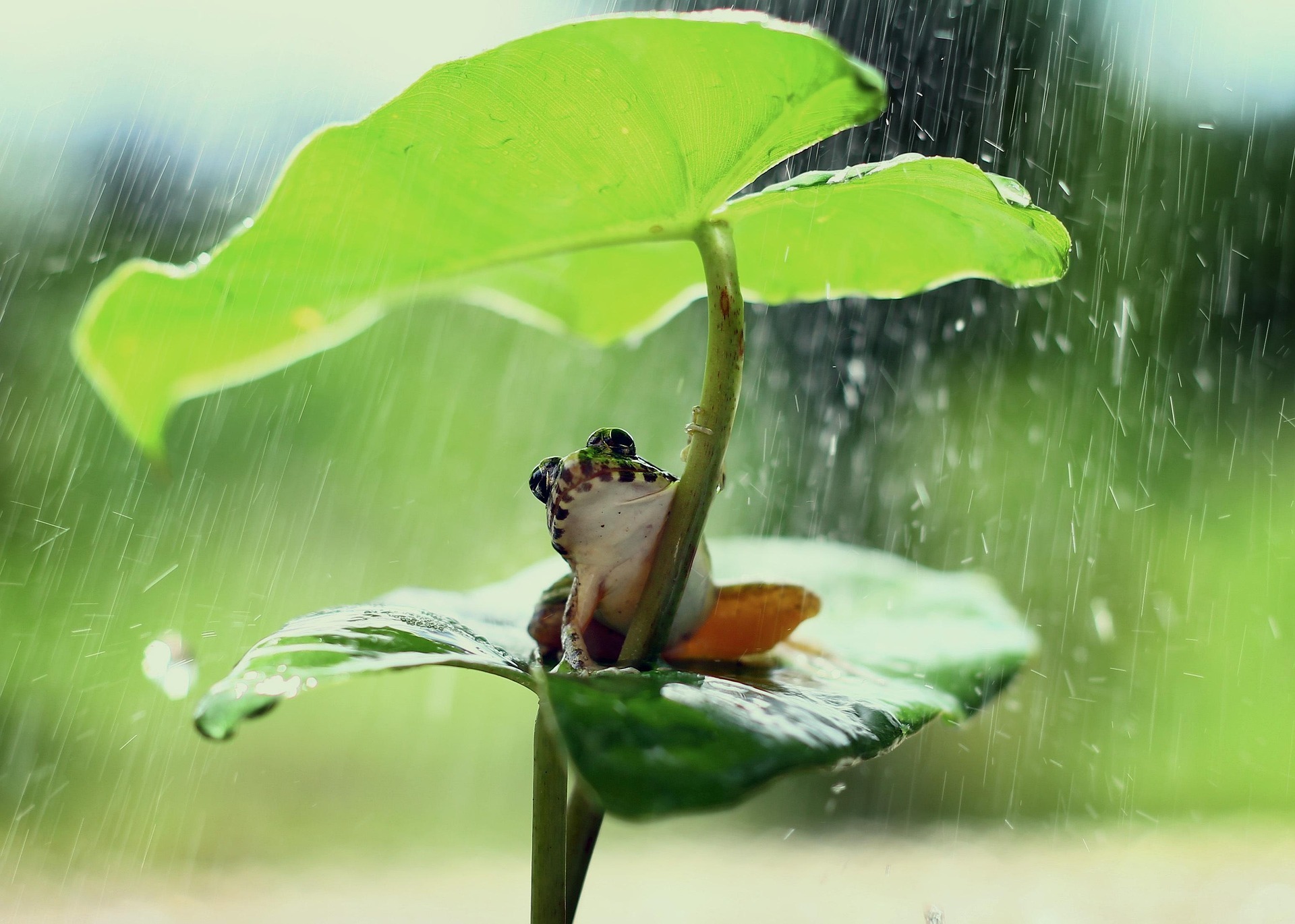
Keeping yourself dry is one of the most important ways to stay warm.
Rain, wet grass and damp clothing can all increase heat loss.
If rain starts, put on suitable waterproof clothing before you’re soaked.
Protect spare clothing inside waterproof bags so you have a dry layer available if necessary.
Deal With Wet Clothing
If your clothing becomes wet, take action as soon as practical.
Find shelter from the weather and change into dry clothing if you have it.
Don’t allow wet clothing to soak your remaining dry layers.
If you need to dry clothing, use a safe method and follow the manufacturer’s instructions.
Never place clothing directly against an uncontrolled heat source.
Avoid Getting Sweaty
Cold weather doesn’t necessarily mean you should wear every warm layer you own.
If you’re walking quickly, carrying a heavy rucksack or doing strenuous work, you may sweat.
That moisture can become a problem when you stop moving.
Adjust your layers before you become excessively sweaty.
Use Layers Properly
A good layering system allows you to control your temperature.
A typical system includes:
Base layer: Helps manage moisture.
Insulating layer: Traps warm air around your body.
Outer layer: Protects you from wind and rain.
You can add or remove layers as your activity level and the weather change.
Keep Your Spare Clothing Dry
Your spare clothing is particularly important when you don’t have a fire.
A dry fleece, insulated jacket, hat or pair of gloves can provide useful warmth.
Store spare clothing inside waterproof bags.
Don’t assume your rucksack itself will keep everything dry.
Protect Your Head, Hands and Feet
Your extremities can become uncomfortable quickly in cold conditions.
Wear suitable:
Keeping these items dry is particularly important.
Keep Your Feet Insulated From the Ground
Cold ground can draw heat away from your body through conduction.
This is particularly important when sitting or sleeping outdoors.
Use a suitable sleeping mat, sit mat or other appropriate insulation between yourself and the ground.
A Sleeping Mat Can Be More Important Than You Think
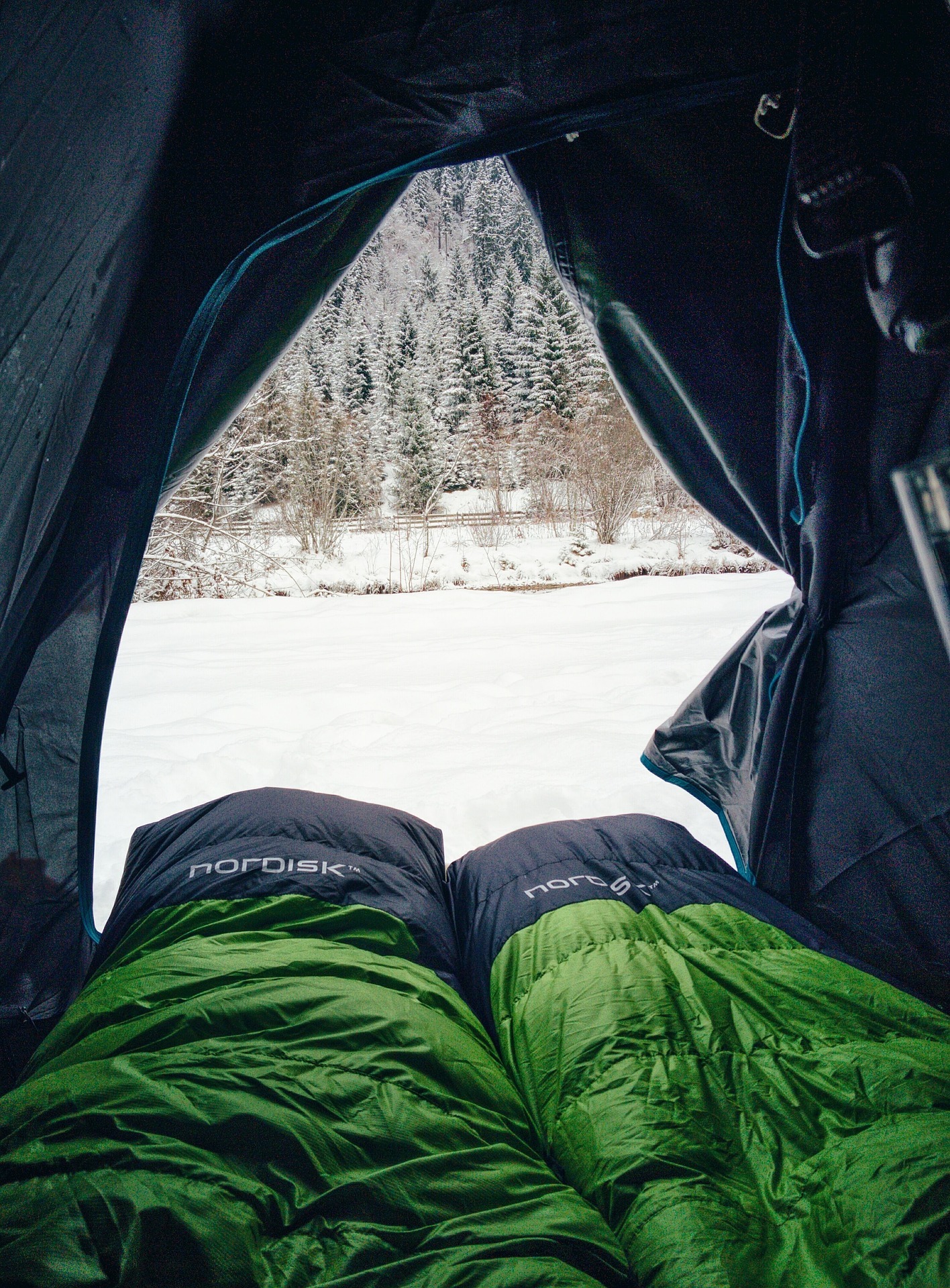
When camping, a sleeping bag provides insulation around your body.
However, the insulation underneath you becomes compressed when you lie down.
A suitable sleeping mat provides an insulating barrier between you and the ground.
If you’re struggling to stay warm overnight, don’t automatically assume you need a thicker sleeping bag. Your sleeping mat may also need consideration.
Keep Your Sleeping Bag Dry
If you’re camping without a fire, your sleeping equipment becomes particularly important.
Protect your sleeping bag from rain and condensation.
Avoid allowing wet clothing to come into contact with it.
A damp sleeping bag can lose insulating effectiveness and may make it considerably harder to stay warm.
Use a Suitable Sleeping Bag
Choose a sleeping bag appropriate for the expected conditions.
A summer sleeping bag may not provide enough insulation during a cold spring or autumn night.
Check the manufacturer’s temperature ratings and consider the likely overnight temperature.
Don’t Rely on the Extreme Rating
Sleeping bag ratings can include comfort, limit and extreme temperatures.
The extreme rating should not be treated as a normal camping temperature.
Choose equipment based on realistic conditions rather than assuming the lowest advertised number represents a comfortable night’s sleep.
Keep Moving When Appropriate
Physical activity produces heat.
Walking, gentle movement and other appropriate activity can help you feel warmer.
However, don’t rely on strenuous exercise as your only method of staying warm.
Excessive activity can cause sweating, which can make you colder later.
Avoid Sitting Still for Too Long
Once you stop moving, your body produces less heat.
This is why you can feel warm while hiking but cold when you stop for lunch.
Put on an insulating layer before you become cold.
Don’t wait until you’re already shivering.
Eat and Drink Normally
Your body needs energy to maintain itself and produce heat.
If you’re outdoors for a prolonged period, make sure you eat and drink normally.
High-energy foods can be useful during demanding outdoor activities, but food should complement proper clothing and shelter rather than replace them.
Warm Drinks Can Be Comforting
A warm, non-alcoholic drink can make you feel more comfortable in cold weather.
It can provide some temporary warmth, but it shouldn’t be treated as your main method of staying warm.
You still need appropriate clothing, shelter and insulation.
Stay Hydrated
Cold weather doesn’t remove your need for fluids.
You can still lose water through breathing, sweating and normal bodily processes.
Carry suitable drinking water and drink regularly.
Don’t Use Alcohol to Keep Warm
Alcohol can create a temporary sensation of warmth, but it isn’t a suitable method of keeping warm outdoors.
It can impair judgement and affect the body’s ability to manage temperature.
Don’t rely on alcohol as part of a cold-weather survival plan.
Use a Sleeping Bag Liner Carefully
A sleeping bag liner can provide additional comfort and may add some insulation depending on its design.
However, it shouldn’t be treated as a substitute for a suitable sleeping bag.
Choose equipment based on the actual conditions you’re expecting.
Use an Emergency Blanket Properly
An emergency foil blanket can reflect some radiant heat and provide protection from wind and rain.
It can be useful as part of an emergency kit.
However, it isn’t a replacement for proper insulation.
An emergency blanket works best when used alongside suitable clothing and shelter.
Don’t Wrap an Emergency Blanket Directly Around Everything and Ignore the Cold
An emergency blanket isn’t a magic solution.
If you’re wet, exposed to strong wind and losing heat rapidly, simply wrapping yourself in foil may not solve the problem.
Get sheltered, deal with wet clothing and add appropriate insulation.
Use Your Rucksack as Insulation
In an emergency, equipment you already have can sometimes provide additional protection.
A rucksack, spare clothing and other dry equipment can help create barriers between you and cold surfaces.
Be careful not to damage essential equipment.
Insulate Yourself From Cold Surfaces
Cold surfaces can remove heat quickly.
When sitting outdoors, use a sit mat, rucksack or other suitable insulating layer beneath you.
When sleeping, use a suitable sleeping mat.
This simple principle can make a surprisingly large difference.
Use a Shelter to Reduce Wind Chill
A shelter doesn’t need to make the air warm.
Its purpose is to reduce your exposure to wind and precipitation.
Even getting behind a suitable windbreak can make cold conditions feel much more manageable.
Natural Windbreaks
Trees, hedges and terrain can sometimes provide protection from wind.
However, inspect your surroundings carefully.
Avoid sheltering beneath dead branches, unstable trees or other hazards.
A windbreak isn’t useful if it introduces a greater safety risk.
Don’t Shelter Beneath Dead Trees
Dead or damaged trees and branches can fall, particularly during strong winds.
Don’t choose a shelter location underneath unstable trees simply because it appears protected from the weather.
Look up and assess the surrounding area before settling down.
Make Use of Existing Buildings
If you’re cold and near a safe building, getting indoors is usually more effective than trying to construct an outdoor shelter.
During a Scout activity, leaders should know where suitable indoor or sheltered locations are available if weather conditions deteriorate.
Use a Vehicle if Appropriate
A vehicle can provide shelter from wind and rain.
If you’re stranded outdoors and a vehicle is safely available, it may provide useful protection while you arrange assistance.
Don’t run an engine in an enclosed or poorly ventilated space because of the risk of carbon monoxide.
Don’t Use Camping Stoves Indoors
A camping stove is designed for cooking, not heating an enclosed shelter.
Using fuel-burning equipment inside a tent, shelter or other poorly ventilated space can produce carbon monoxide and create a serious fire risk.
Never use a stove as an improvised heater.
Don’t Use Candles as Heaters
Candles produce heat, but using them as a primary source of warmth isn’t a sensible survival strategy.
They create a fire hazard and provide very little useful heating compared with the risks involved.
Use suitable equipment for its intended purpose.
Avoid Direct Contact With Extreme Heat
If you’ve become very cold, it can be tempting to get as close as possible to a heater or other heat source.
Very cold or numb skin can be particularly vulnerable to burns.
Warm yourself gradually and safely.
Keep Your Hands and Feet Moving
Gentle movement can help maintain comfort.
Move your fingers and toes regularly when appropriate.
However, numbness or significant loss of sensation should not be ignored.
If your hands or feet are becoming very cold, seek shelter and warm them safely.
Plan for Cold Weather Before You Leave
The best way to stay warm without a fire is to prepare before you need to.
Check the weather forecast.
Consider how long you’ll be outside.
Think about the lowest likely temperature.
Pack appropriate clothing and waterproof protection.
Carry enough food, water and emergency equipment for the activity.
Carry a Simple Warmth Kit
For longer outdoor activities, consider carrying:
The exact equipment should match the activity.
Staying Warm on a Day Hike
For a day hike, your priorities are generally keeping dry, protecting yourself from wind and carrying enough clothing to cope with changes in weather.
Keep waterproofs and warm layers accessible.
Don’t bury essential clothing at the bottom of your rucksack.
Staying Warm While Camping
Camping without a fire requires greater attention to your sleeping system.
Choose an appropriate sleeping bag and sleeping mat.
Keep your tent properly pitched and ventilated.
Keep wet clothing away from your sleeping equipment.
Have warm clothing accessible for the evening.
Staying Warm During a Scout Activity
Scout activities can involve periods of high activity followed by periods of standing around.
Leaders should consider these changes when planning clothing and equipment.
A group may be warm while playing a game but become cold while receiving instructions or waiting for the next activity.
Build opportunities for movement and warming up into the session when appropriate.
Younger Scouts May Not Recognise the Problem
Children can become distracted during activities and may not realise how cold they are becoming.
Encourage Scouts to speak up if they are cold, wet, uncomfortable or struggling.
Leaders should also monitor the group rather than relying entirely on individuals to recognise the problem.
Watch the Weather
Cold conditions can become considerably more challenging when combined with:
If conditions deteriorate beyond what the group or equipment can safely handle, change or stop the activity.
Good survival skills include knowing when not to continue.
Recognising When Someone Is Becoming Too Cold
Early signs of excessive cold exposure can include:
Take action before the situation becomes more serious.
Serious Cold Exposure
More severe cold exposure can lead to hypothermia.
Warning signs can include increasing confusion, unusual drowsiness, poor coordination, difficulty speaking clearly and changes in normal behaviour.
If someone is showing signs of serious cold exposure, get them into a safe, sheltered environment, remove wet clothing where practical, add dry insulation and seek urgent medical assistance.
Call 999 or 112 in an emergency.
The Main Principles
If you need to stay warm outdoors without a fire, remember the basics:
Stay dry.
Get out of the wind.
Use suitable layers.
Insulate yourself from the ground.
Keep spare clothing dry.
Keep moving when appropriate.
Eat and drink normally.
Use suitable shelter.
Monitor yourself and others for signs of excessive cold.
These principles are much more important than any single piece of equipment.
Final Thought
A fire is useful in some outdoor situations, but it isn’t the only way to stay warm.
Good clothing, shelter, insulation and preparation can help you remain comfortable and safe without relying on flames.
The most useful survival skill is often preventing a problem before it develops.
If you can stay dry, block the wind and retain the heat your body is already producing, you have already taken some of the most important steps towards staying warm outdoors.
🔒Ready to test your survival skills?
Join Survival Guides UK for free, complete challenges, earn badges and increase your Survival Level.
JOIN FREE →
CRAIG BURR
FOUNDER · SURVIVAL GUIDES UK
I'm Craig, the person behind Survival Guides UK. I created SGUK because I wanted somewhere people could learn real outdoor skills in a practical, straightforward way — from lighting a fire and tying knots to navigation, campcraft and everything in between.
You can read more about the story behind SGUK here as well as our approach here.
Really useful guide, especially the point about keeping your head and core warm. I’ve been caught out camping before when the temperature dropped at night, and having a few simple ways to stay warm without relying on a fire is really helpful. Definitely one I’ll come back to before my next camping trip.
Thanks for the great feedback! It’s easy to underestimate how quickly you can get cold outdoors, especially at night. Glad you found the tips useful, and I hope they come in handy on your next camping trip! 🏕️