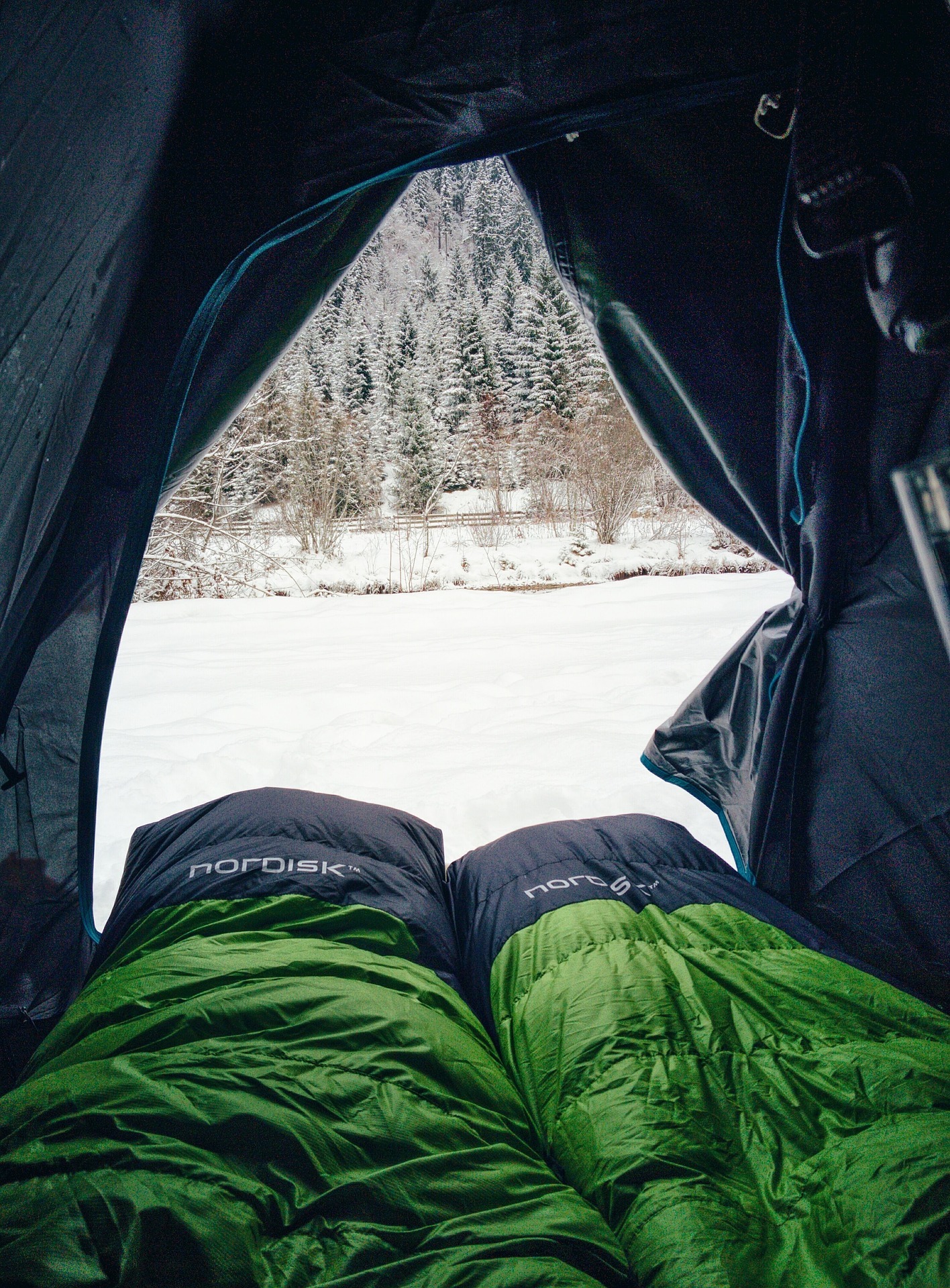
How to Stay Warm in a Sleeping Bag: Camping Tips
Staying warm in a sleeping bag is an important part of camping, especially during colder nights in the UK.
A good sleeping bag can provide excellent insulation, but simply having a warm-rated sleeping bag doesn’t guarantee a warm night’s sleep. What you wear, what you sleep on, where you camp and how you look after your equipment can all affect how warm you feel.
With a little preparation, you can make your sleeping system much more effective.
How Does a Sleeping Bag Keep You Warm?
A sleeping bag works by trapping air around your body.
Your body produces heat, and the insulation inside the sleeping bag helps slow down the loss of that heat.
The sleeping bag isn’t creating warmth itself. Instead, it helps retain the heat your body is already producing.
This is why the conditions around the sleeping bag are just as important as the bag itself.
Choose a Sleeping Bag Suitable for the Conditions
Sleeping bags are designed for different temperatures and conditions.
When choosing one, consider the expected overnight temperature rather than simply choosing the smallest or lightest option.
A bag that is suitable for a warm summer night may not provide enough insulation during a cold spring or autumn camp.
Understand Sleeping Bag Temperature Ratings
Many modern sleeping bags use standardised temperature ratings.
You may see ratings such as:
The comfort rating is generally the temperature at which a standard user can sleep comfortably.
The limit represents a colder temperature at which the bag may still provide sufficient insulation under the relevant testing conditions.
The extreme rating should not be treated as a normal camping temperature. It represents survival rather than comfortable sleeping.
Always check the manufacturer’s information for the specific sleeping bag.
Don’t Choose a Sleeping Bag Based Only on Its Lowest Number
A very low temperature rating can make a sleeping bag look impressive, but it isn’t necessarily the best choice.
A winter-rated sleeping bag may be unnecessarily warm during summer.
For general camping, choose equipment that matches the conditions you are actually likely to encounter.
Your Sleeping Mat Is Extremely Important
One of the most common mistakes when trying to stay warm in a sleeping bag is forgetting about the ground underneath you.
The insulation beneath your body becomes compressed when you lie down.
A sleeping mat provides insulation between you and the cold ground.
Without suitable insulation underneath you, heat can be lost through conduction even if your sleeping bag is warm.
Choose a Suitable Sleeping Mat
Sleeping mats come in different designs and insulation levels.
When camping in colder conditions, pay attention to the mat’s insulation performance rather than simply its thickness.
An appropriate mat can make a noticeable difference to how warm you feel overnight.
Don’t Sleep Directly on Cold Ground
A sleeping bag should not be treated as a replacement for a sleeping mat.
Sleeping directly on cold ground can cause significant heat loss.
Use an appropriate sleeping mat and, where suitable, a groundsheet or tent floor for additional protection from damp conditions.
Keep Your Sleeping Bag Dry
Moisture is one of the biggest enemies of insulation.
A wet sleeping bag may lose much of its insulating effectiveness.
Keep it protected from rain, wet ground and unnecessary condensation.
When carrying your sleeping bag, use suitable waterproof protection if conditions are likely to be wet.
Don’t Put a Wet Sleeping Bag Away
If your sleeping bag becomes damp during a trip, dry it properly as soon as practical.
Follow the manufacturer’s care instructions.
Do not store a damp sleeping bag for long periods, as moisture can lead to unpleasant smells, mildew and damage.
Keep Your Sleeping Clothes Dry
Many campers find it useful to have a dedicated set of dry clothes for sleeping.
These can include:
Keep these clothes protected from rain throughout the day.
Don’t Sleep in Soaking-Wet Clothes
If you’ve been walking through rain all day, getting into your sleeping bag in wet clothing isn’t a good way to stay warm.
Wet clothing can reduce insulation and transfer moisture into your sleeping bag.
Change into suitable dry clothing where possible.
Don’t Wear Too Much Clothing
It might seem logical to put on every layer you own before getting into your sleeping bag.
However, wearing excessive clothing can sometimes reduce the effectiveness of the sleeping bag’s insulation by compressing its loft.
Use a suitable combination of dry clothing and the sleeping bag’s own insulation.
A Dry Base Layer Can Help
A clean, dry base layer can be comfortable for sleeping and can help manage moisture.
Avoid using a wet or sweaty daytime layer simply because it’s already available.
Keeping your sleeping clothes separate is a simple camping habit that can make nights more comfortable.
Keep Your Feet Warm
Cold feet can make it difficult to settle down.
A dry pair of socks can be useful for sleeping.
Make sure they aren’t so thick that they make your feet uncomfortable or restrict circulation.
What About Wearing a Hat?
A warm hat can make your head feel more comfortable on a cold night, particularly if your sleeping bag doesn’t have a well-fitting hood.
However, don’t rely on a hat to compensate for an inadequate sleeping bag or sleeping mat.
Your entire sleeping system needs to be appropriate for the conditions.
Use the Sleeping Bag Hood Correctly
If your sleeping bag has a hood, use it when appropriate.
The hood can help reduce heat loss around your head and improve comfort in colder conditions.
Adjust it so that it fits comfortably without restricting breathing or movement.
Don’t Leave the Sleeping Bag Wide Open
If you’re cold, check that the sleeping bag is properly closed.
A large opening can allow warm air to escape.
Use the zip and hood as designed by the manufacturer.
Check the Zip
A damaged or poorly functioning zip can make it difficult to close the sleeping bag properly.
Before a camping trip, check that the zip works smoothly.
If it catches repeatedly or is damaged, deal with the problem before relying on the sleeping bag outdoors.
Don’t Put Heavy Equipment on Top
Avoid placing heavy equipment on top of your sleeping bag.
Excessive weight can compress the insulation and reduce its ability to trap air.
Keep your equipment organised elsewhere in the tent.
Use Your Tent Properly
Your tent protects you from wind and rain.
Pitch it correctly and use suitable ventilation to manage condensation.
A tent isn’t a heater, but reducing exposure to wind and moisture can make your sleeping system more effective.
Ventilation Still Matters
It might seem strange to open vents when you’re trying to stay warm.
However, condensation can make your sleeping environment damp.
Good ventilation helps reduce moisture build-up.
The goal is to keep the shelter reasonably dry while protecting yourself from the weather.
Don’t Touch the Inner Tent Walls
Condensation can collect on the inside of a tent.
If your sleeping bag or clothing repeatedly touches a wet tent wall, moisture can transfer onto the insulation.
Keep your sleeping equipment away from the tent walls where possible.
Choose Your Campsite Carefully
Where you pitch your tent can affect how warm you feel.
Avoid unnecessarily exposed locations in cold or windy weather.
At the same time, don’t choose locations that create other hazards, such as areas prone to flooding, unstable ground or falling branches.
A good campsite balances comfort, shelter and safety.
Cold Air Can Settle in Low Areas
Low-lying areas can sometimes feel colder, particularly on clear, calm nights.
Cold air can collect in depressions in the landscape.
When choosing a campsite, consider the surrounding terrain as well as wind exposure and drainage.
Keep Your Sleeping Area Dry
Before settling down, check the area around your tent.
Avoid bringing unnecessary water into the sleeping space.
Keep wet clothing and muddy footwear away from your sleeping bag.
Small amounts of moisture can become much more noticeable overnight.
Don’t Go to Bed Extremely Cold
If you’ve spent the evening sitting still and become very cold, don’t simply get into your sleeping bag and expect it to instantly make you warm.
Your sleeping bag helps retain heat; it doesn’t generate large amounts of heat.
Gentle activity before bed can help you feel warmer, provided you don’t become sweaty.
A Warm Drink Before Bed
A warm, non-alcoholic drink can be comforting before going to bed.
It can help you feel warmer temporarily, but it shouldn’t be relied upon as your main source of warmth.
Make sure you’re also properly dressed and using suitable sleeping equipment.
Eat Normally During Cold Weather
Your body needs energy to produce heat.
If you’re camping in cold conditions, make sure you’re eating and drinking normally.
A proper evening meal can help provide the energy your body needs overnight.
Don’t Rely on Alcohol for Warmth
Alcohol can create a temporary sensation of warmth while actually increasing heat loss and impairing judgement.
It should not be used as a method of keeping warm outdoors.
Hot Water Bottles
A suitable hot water bottle can provide additional warmth in a sleeping bag.
However, use one carefully.
Make sure the bottle is in good condition, properly sealed and designed for hot water.
Don’t use boiling water unless the manufacturer specifically allows it.
Keep it wrapped or inside its cover rather than placing extremely hot surfaces directly against bare skin.
Don’t Heat Your Sleeping Bag With a Stove
Never use a camping stove, burner or other flame-producing device inside a tent or sleeping bag to try to create warmth.
Fuel-burning equipment can produce carbon monoxide and creates a serious fire risk.
Use cooking and heating equipment only as intended and in appropriate conditions.
Keep Your Headlamp Nearby
Keeping essential equipment within reach makes night-time problems easier to manage.
A headtorch or torch can be particularly useful if you need to leave the tent during the night.
Keep it somewhere you can find easily.
Keep Emergency Layers Accessible
Don’t bury your warmest clothing at the bottom of your rucksack.
If the temperature drops unexpectedly, you’ll want to be able to reach your spare layers quickly.
A fleece, insulated jacket, hat and gloves can all be useful depending on conditions.
Check Your Sleeping Bag Before the Trip
Before camping, inspect your sleeping bag.
Look for:
Deal with problems before relying on the bag outdoors.
Don’t Store a Sleeping Bag Compressed Long-Term
Many sleeping bags are transported in a compression or stuff sack.
However, long-term compression can damage the loft of some types of insulation.
Follow the manufacturer’s storage instructions and, where recommended, store the bag loosely rather than permanently compressed.
Caring for Your Sleeping Bag
Cleaning requirements vary between sleeping bags.
Always follow the manufacturer’s instructions.
Some bags can be machine washed under specific conditions, while others require specialist cleaning.
Incorrect washing or drying can damage insulation.
What If You’re Still Cold?
If you’re cold inside your sleeping bag, work through the basics.
Check:
Are you dry?
Wet clothing can increase heat loss.
Are you insulated from the ground?
Your sleeping mat plays a major role.
Is the sleeping bag suitable for the temperature?
Check its rating.
Is the sleeping bag lofted properly?
Compressed insulation is less effective.
Are you protected from wind?
A suitable shelter helps reduce heat loss.
Do you have dry clothing?
A dry base layer and socks can improve comfort.
Don’t Ignore Persistent Cold
If someone remains very cold despite taking sensible steps to warm up, take the situation seriously.
Watch for shivering, tiredness, confusion, poor coordination or unusual behaviour.
If someone appears seriously affected by cold, move them somewhere warmer and sheltered, remove wet clothing where practical, add dry insulation and seek medical assistance.
Call 999 or 112 in an emergency.
Sleeping Bags and Children
Children can have different comfort levels and may not always tell an adult when they are cold.
For Scout camps and family camping, make sure sleeping equipment is appropriate for the expected conditions and the individual.
Check on younger campers during particularly cold nights.
Don’t Assume Summer Equipment Works in Winter
A lightweight summer sleeping bag may be perfectly comfortable in warm weather but inadequate when temperatures fall.
Likewise, a thin summer sleeping mat may not provide enough insulation for colder ground.
Match your sleeping system to the season.
The Complete Sleeping System
Staying warm at night isn’t just about the sleeping bag.
Think of your sleeping system as several parts working together:
Sleeping bag – Provides insulation around your body.
Sleeping mat – Reduces heat loss to the ground.
Tent or shelter – Protects you from wind and rain.
Dry clothing – Helps manage moisture and provides additional insulation.
Campsite choice – Reduces unnecessary exposure.
Getting all of these parts right is more effective than relying on one expensive piece of equipment.
A Simple Cold-Weather Camping Checklist
Before going to bed, check:
These simple checks can prevent many uncomfortable nights.
Final Thought
A sleeping bag works best as part of a complete sleeping system.
Choose equipment suitable for the conditions, keep yourself and your equipment dry, insulate yourself from the ground and protect your sleeping area from wind and moisture.
Don’t wait until you’re freezing to start thinking about warmth.
A warm night’s sleep begins with good preparation before you get into the sleeping bag.
🔒Ready to test your survival skills?
Join Survival Guides UK for free, complete challenges, earn badges and increase your Survival Level.
JOIN FREE →
CRAIG BURR
FOUNDER · SURVIVAL GUIDES UK
I'm Craig, the person behind Survival Guides UK. I created SGUK because I wanted somewhere people could learn real outdoor skills in a practical, straightforward way — from lighting a fire and tying knots to navigation, campcraft and everything in between.
You can read more about the story behind SGUK here as well as our approach here.