How to Keep Your Feet Warm Outdoors
Cold feet can turn an enjoyable outdoor activity into a miserable one.
Whether you’re hiking, camping, taking part in a Scout activity or simply spending time outside during winter, keeping your feet warm and dry is an important part of staying comfortable and reducing heat loss.
The good news is that keeping your feet warm doesn’t require complicated equipment. The right combination of footwear, socks, insulation and sensible preparation can make a significant difference.
Why Do Feet Get Cold Outdoors?
Your feet are exposed to several sources of heat loss at the same time.
They can lose heat through contact with cold ground, cold air and wet surfaces. If your footwear becomes wet, the problem can become worse.
Your feet can also become cold when footwear is too tight, when socks become damp or when you’re standing still for long periods.
Understanding these causes makes it easier to prevent cold feet.
Keep Your Feet Dry
One of the most important rules for keeping your feet warm is simple:
Keep them dry.
Wet socks and footwear can make your feet cold very quickly.
Rain, puddles, wet grass, mud and snow can all introduce moisture.
Choose footwear suitable for the conditions and carry spare socks when appropriate.
Choose Suitable Outdoor Footwear
The right footwear depends on what you’re doing.
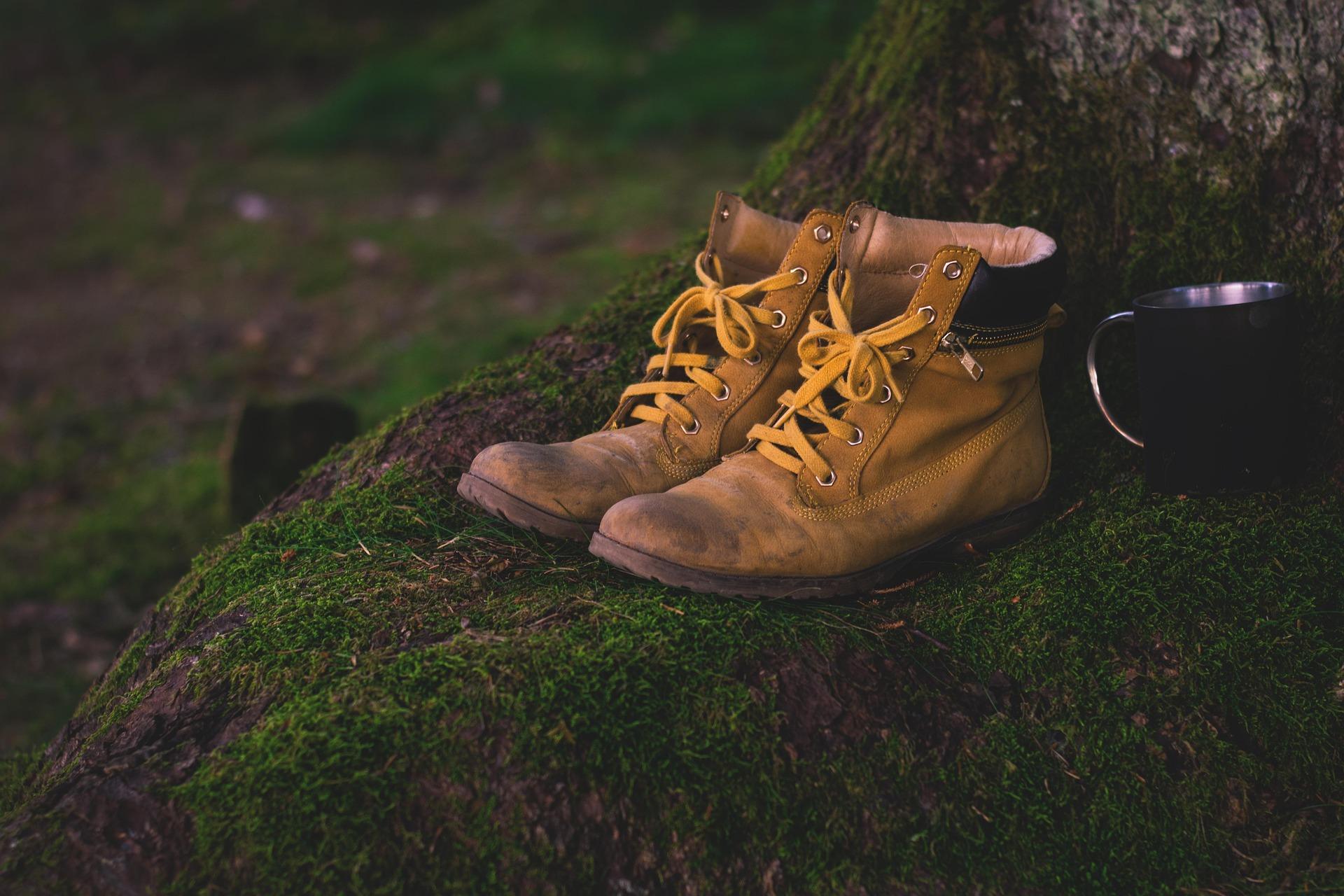
For a wet woodland walk, waterproof walking boots may be useful.
For a dry summer hike, lightweight walking shoes may be more comfortable.
For cold and muddy conditions, footwear needs to provide suitable protection from water and the ground.
Don’t choose footwear based solely on how warm it feels indoors.
Think about the actual conditions you’ll encounter.
Waterproof Footwear Isn’t Always Enough
Waterproof boots can help keep external moisture out, but they aren’t completely foolproof.
Water can enter over the top of the boot, through damaged materials or around worn seams.
Your feet can also sweat inside waterproof footwear.
This is why socks and ventilation are still important.
Get the Fit Right
Footwear should fit properly.
Boots that are too tight can be uncomfortable and may restrict normal circulation.
Boots that are too loose can allow your feet to move excessively, causing rubbing and blisters.
There should be enough room for the socks you intend to wear without making the footwear uncomfortably tight.
Don’t Wear Too Many Socks
It can be tempting to put on several pairs of socks when your feet feel cold.
However, adding too many layers can make your footwear tight.
Tight footwear can reduce comfort and may restrict circulation.
Instead of simply adding more socks, make sure the entire footwear system fits properly.
Choose the Right Socks
Socks are an important part of keeping your feet warm.
Outdoor socks made from wool or suitable synthetic materials can provide warmth while helping manage moisture.
The best choice depends on the activity, weather and footwear.
Why Wool Socks Can Be Useful
Wool is a popular outdoor material because it provides good insulation and can continue to provide warmth when slightly damp.
Wool socks are available in different thicknesses, allowing you to choose an appropriate option for your footwear and conditions.
Synthetic Socks
Synthetic outdoor socks can also be effective.
They can be designed to manage moisture and dry relatively quickly.
Some people prefer synthetic socks because they are lightweight and practical for active outdoor use.
What About Cotton Socks?
Cotton socks can be comfortable for everyday use, but they are not always the best choice for prolonged cold and wet activities.
Cotton can absorb moisture and may take a long time to dry.
For longer outdoor activities in cold or wet weather, consider socks designed specifically for outdoor use.
Carry Spare Socks
A spare pair of socks can be one of the simplest pieces of emergency kit you carry.
If your socks become soaked, changing into a dry pair can make a considerable difference.
Store your spare socks inside a waterproof bag.
There is little benefit in carrying spare socks if they become just as wet as the pair you’re already wearing.
Keep Spare Socks Accessible
Don’t bury your spare socks at the bottom of a full rucksack.
If your feet become wet during a hike, you want to be able to reach them without unpacking everything.
Keep them somewhere accessible and protected from rain.
Change Wet Socks Early
If your socks become soaked, don’t necessarily wait until the end of the day to change them.
The longer your feet remain wet, the more uncomfortable they can become.
Changing into dry socks and dealing with the wet pair can help prevent problems from getting worse.
Protect Your Feet From Cold Ground
Cold ground can draw heat away from your feet.
This is particularly noticeable when camping or standing still.
Good footwear provides some insulation, but additional insulation may be useful in very cold conditions.
Use a Sleeping Mat When Camping
When sleeping outdoors, your sleeping mat helps provide insulation between your body and the cold ground.
This includes your feet.
A sleeping bag provides insulation around your body, but the compressed insulation underneath you is less effective.
A suitable sleeping mat therefore plays an important role in keeping you warm at night.
Keep Your Sleeping Bag Dry
A damp sleeping bag can make it much harder to stay warm.
Protect your sleeping equipment from rain and condensation.
If you’re camping in wet weather, take particular care when getting into your sleeping bag so you don’t transfer unnecessary moisture into it.
Use Dry Night Socks
Some campers prefer to keep a dedicated pair of dry socks for sleeping.
These don’t need to be the same socks used during the day.
Keeping them clean and dry means you have a warm pair available when you settle down for the night.
Don’t Sleep in Wet Socks
Wet socks provide little benefit when you’re trying to stay warm overnight.
If possible, change into dry socks before getting into your sleeping bag.
Keep the wet pair separate so they don’t make your dry sleeping equipment damp.
Keep Your Boots Dry Overnight
If you’re camping, don’t simply leave wet boots exposed to rain.
Keep them somewhere protected from the weather.
However, don’t place footwear directly against a fire, stove or other uncontrolled heat source.
Excessive heat can damage materials and create a fire risk.
Don’t Dry Boots Directly Over a Fire
This is an important safety point.
Leather, synthetic materials, adhesives and waterproof membranes can all be damaged by excessive heat.
Footwear can also catch fire.
If you need to dry boots, use a safe method and follow the manufacturer’s care instructions.
Keep Your Feet Moving
Movement produces heat.
Walking helps keep your feet active and can help them feel warmer than standing still.
However, movement isn’t a substitute for suitable footwear and clothing.
If your feet are becoming painfully cold, numb or unusually pale, don’t simply keep walking and ignore the problem.
Avoid Standing Still for Long Periods
Cold feet are particularly common when you’re standing around.
This can happen during outdoor games, campfire activities, watching an event or waiting for others.
If practical, gentle movement can help keep you comfortable.
Also make sure your footwear and socks are suitable for the conditions.
Be Careful With Tight Boots
Cold weather can make people more likely to tighten their boots.
However, overly tight laces can create discomfort.
Make sure your footwear is secure without being unnecessarily restrictive.
Keep Snow Out
Snow can enter footwear around the top and quickly become wet.
Gaiters can help in some conditions by providing additional protection around the lower leg and top of the footwear.
They can be particularly useful when walking through deep vegetation, mud or snow.
Watch Out for Wet Grass
Wet grass can soak through unsuitable footwear surprisingly quickly.
Even when it isn’t raining, a walk across a field can leave footwear and socks damp.
Consider the conditions underfoot when choosing what to wear.
Don’t Ignore Puddles and Mud
Water can enter boots through the top or through damaged areas.
Mud can also make footwear heavier and less comfortable.
Choose footwear appropriate for the terrain rather than assuming ordinary trainers will be sufficient for every outdoor activity.
Foot Care Matters Too
Cold and wet conditions can make foot problems more noticeable.
Check your feet regularly during longer activities.
Look for:
Deal with problems early rather than continuing until they become severe.
Blisters Can Make Cold Weather Worse
A blister can make walking uncomfortable and may cause someone to change the way they walk.
Well-fitting footwear and suitable socks can help reduce the likelihood of blisters.
If a Scout develops a painful hot spot during an activity, tell the leader rather than continuing until it becomes a full blister.
Don’t Ignore Numb Feet
Numbness isn’t simply another way of saying that your feet are cold.
It can mean that your feet have become excessively cold and that normal sensation has been affected.
Move somewhere warmer, check the condition of the feet and take appropriate steps to warm them safely.
If there are signs of serious cold injury or the person is becoming generally unwell, seek medical help.
Avoid Very Rapid or Extreme Heating
If feet are extremely cold or numb, don’t put them directly against a very hot fire, radiator or other heat source.
Sudden intense heat can cause burns, particularly when sensation has been reduced.
Warm gradually using a safe source of warmth and suitable dry insulation.
Keeping Children’s Feet Warm
Children can become absorbed in activities and may not mention that their feet are wet or cold.
Leaders and parents should keep an eye on footwear and weather conditions.
Encourage children to tell an adult if their feet are cold, wet, painful or numb.
A spare pair of socks can be particularly useful for younger Scouts.
Keeping Feet Warm on a Hike
Before a cold-weather hike, consider:
A little preparation can prevent a great deal of discomfort later.
Keeping Feet Warm While Camping
Camping requires additional planning because you may spend long periods sitting or standing still.
Have warm socks and suitable footwear available for the evening.
Don’t assume that the footwear you used for walking will be ideal for sitting around camp.
Don’t Let Wet Footwear Affect the Next Day
If your footwear becomes soaked during an activity, deal with it as soon as practical.
Remove excess mud, allow it to dry safely and follow the manufacturer’s care guidance.
Don’t place footwear next to an uncontrolled heat source simply because you need it dry quickly.
A Simple Foot-Warming Checklist
Before heading outdoors, ask:
Are my boots or shoes suitable for the weather?
Do they fit properly?
Are my socks suitable for the conditions?
Do I have spare dry socks?
Can I keep those spare socks waterproof?
Will my feet be protected from cold ground?
What will I do if my footwear becomes soaked?
These simple questions can prevent many cold-weather problems.
Signs That Someone Is Becoming Too Cold
Cold feet can sometimes be an early warning that someone is losing too much body heat.
Watch for:
If someone is becoming seriously cold, don’t focus only on their feet.
Get them into shelter, remove wet clothing where practical, add dry insulation and seek medical assistance when necessary.
When to Seek Medical Help
Severe cold exposure can cause serious injury.
If someone has persistent numbness, unusual skin colour, severe pain after cold exposure or other concerning symptoms, seek medical advice.
If someone is showing signs of hypothermia or is seriously unwell, call 999 or 112.
Final Thought
Keeping your feet warm outdoors is mostly about preparation.
Choose suitable footwear, wear appropriate socks, protect your feet from water and cold ground, and carry spare dry socks when conditions require them.
Don’t wait until your feet are painfully cold before taking action.
Warm, dry feet start with good preparation before you leave home.
🔒Ready to test your survival skills?
Join Survival Guides UK for free, complete challenges, earn badges and increase your Survival Level.
JOIN FREE →
CRAIG BURR
FOUNDER · SURVIVAL GUIDES UK
I'm Craig, the person behind Survival Guides UK. I created SGUK because I wanted somewhere people could learn real outdoor skills in a practical, straightforward way — from lighting a fire and tying knots to navigation, campcraft and everything in between.
You can read more about the story behind SGUK here as well as our approach here.